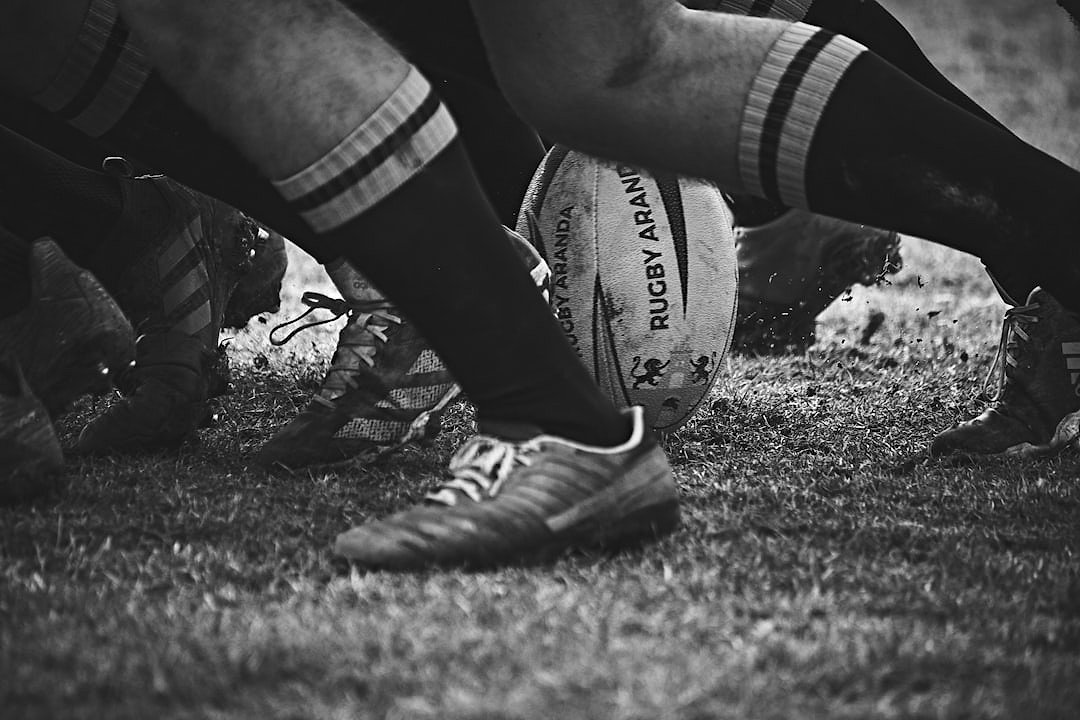
Six Nations at Twickenham
Went to the England Ireland game at Twickenham at the weekend. Hospitality was well organised, food and drink good and the seats were fabulous!
Ms Waghorne11 Mar 2024
We use cookies to understand which experiences land. You can opt in or out — your choice.
4.5
2 reviews
Well-organised hospitality and travel arrangements, though match seating views were mixed.


Well-organised hospitality and travel arrangements, though match seating views were mixed.
4.5
(2)

London
8°
Rain showers
Our best tips
Rugby season runs through autumn and winter, so wrap up warm. Hospitality suites are heated, but you will be outside in the stands for the match itself. Layers are your friend.
Smart casual is the expected standard for rugby hospitality. A blazer or collared shirt works well for gentlemen; ties are welcome but not required. Ladies should dress for a smart daytime occasion.
Getting you on track

Completely hands-off from start to finish
Tell us what you're after and we'll plan the rest. All you have to do is show up.

Everything you need at your fingertips
Store all your event information, tickets, and contact details in one convenient place

Add personal touches to your trip
Make a request and our team will do everything they can to make it happen
Pick the experience, pick the tier, pick the day. Your account manager handles the rest.
F1, Wimbledon, Royal Ascot, the Six Nations, Glastonbury. If it sells out in minutes, we have people on the door.
Getting around
Twickenham station is a 15-minute walk from the stadium, with regular services from London Waterloo. St Margarets and Richmond are alternatives.
Taxis are available from Richmond and Twickenham stations. Road closures apply on match days, so drop-off points are a short walk from the ground.
Several London bus routes serve the area. The 281 and H22 stop near the stadium. Special shuttle services often run from Richmond on international match days.
What our guests say
Six Nations at Twickenham
Went to the England Ireland game at Twickenham at the weekend. Hospitality was well organised, food and drink good and the seats were fabulous!
Dublin 6 nations Rugby weekend
This review concerns a weekend in Dublin for the England/Ireland 2023 6 nations rugby. The ICE arrangements for the flight LHR to Dublin and back were very good. The 2 ICE representatives were delightful and well-organised the travel went without a hitch. The Dublin hotel was well-chosen and very comfortable. The only disappointment was the seating at the match which, being behind the goalposts, provided a poorer view than I had expected. However, I imagine that this resulted in some way from the over 2 year delay in the match taking place!
England and Ireland first met on a rugby pitch in 1875, making this one of the oldest international rivalries in the sport. Played at The Oval in London, that inaugural fixture predated even the formation of the Home Nations Championship by eight years. Nearly 150 years and over 140 Tests later, the fixture remains one of the most fiercely contested in the Six Nations calendar, with Twickenham providing a suitably grand stage for a rivalry that has shaped the history of rugby union.


There is no sight in sport quite like Twickenham on an international day. The place has a heartbeat.

Twickenham is a place that tests you. You do not go there expecting anything easy, and that is why winning there means so much.

Twenty players per side, no points system, and still the rivalry that defined a sport was born.
On 15 February 1875, England hosted Ireland at The Oval in Kennington for the first ever meeting between the two nations. England won by two goals to nil, though no formal points system existed at the time. The match was played under rules still being standardised, with twenty players per side. It marked the beginning of what would become one of rugby's defining rivalries.
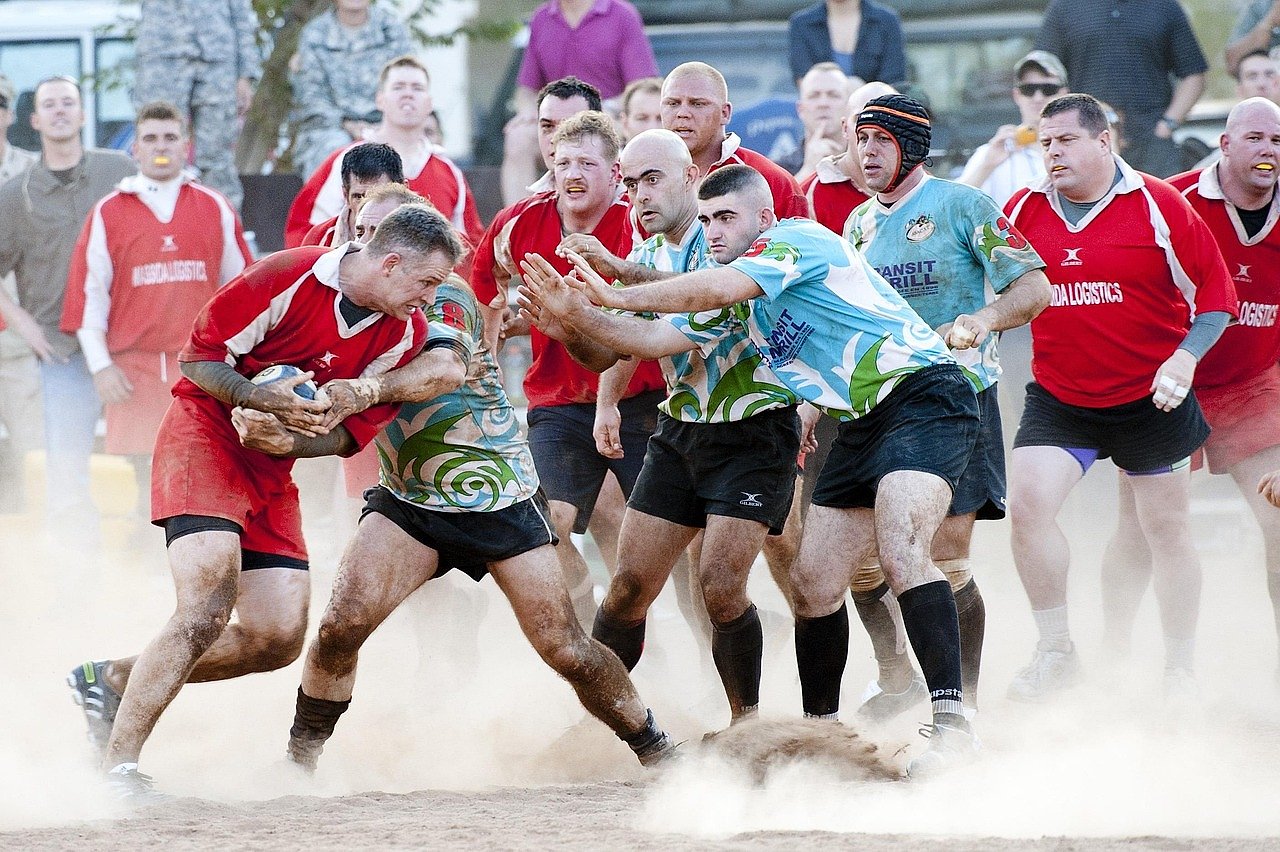
Occasional friendlies became fixtures with genuine stakes the moment a championship title was placed on the table in 1883.
The inaugural Home Nations Championship in 1883 gave the England v Ireland fixture a formal competitive framework for the first time. England, Ireland, Scotland and Wales now played each other annually for a championship title. England won the first edition, and the structured format transformed what had been occasional friendlies into fixtures with genuine stakes. Ireland claimed their first championship title in 1894.

A former cabbage patch in south-west London became the permanent home of English rugby in January 1910.
Two seismic shifts arrived in 1910. Twickenham Stadium hosted its first international match on 15 January, when England played Wales on what had been a cabbage patch in south-west London. That same year, France joined the tournament, expanding it to the Five Nations Championship. England's new home ground gave the Ireland fixture a permanent, purpose-built setting, and the atmosphere at Twickenham quickly became part of the rivalry's identity.
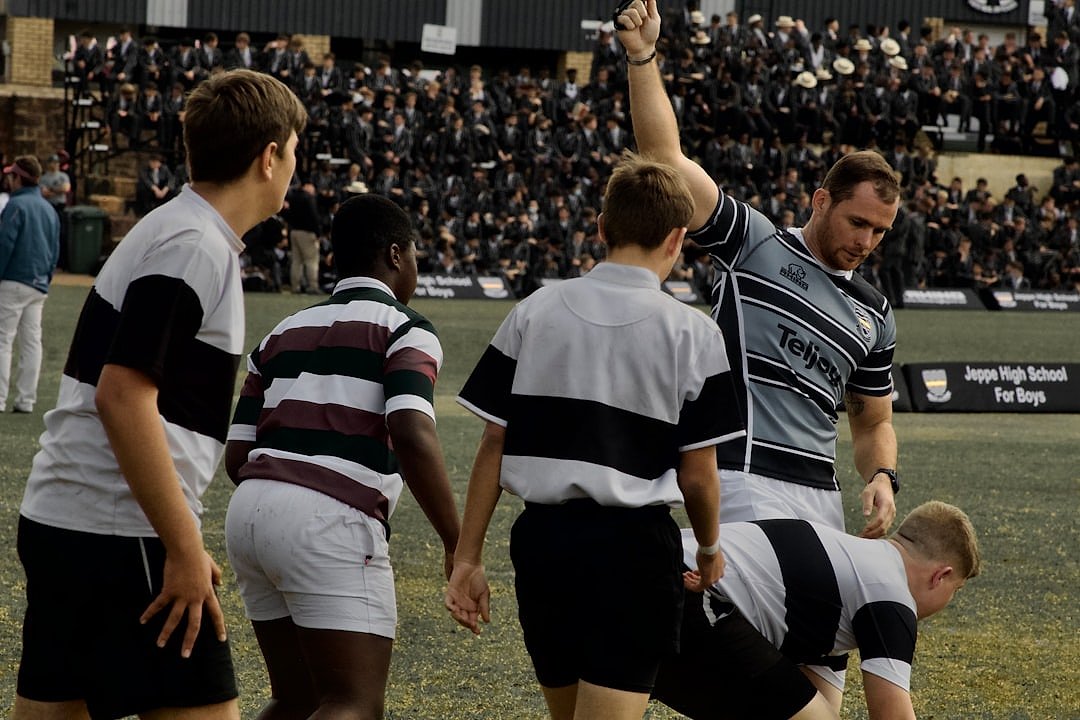
Sixty-one years would pass before Ireland tasted Grand Slam glory again; the 1948 triumph was a long time earning its sequel.
In 1948, Ireland achieved their first Grand Slam, beating every team in the Five Nations including a victory over England at Twickenham. It was a landmark moment for Irish rugby, achieved just two years after the end of the Second World War. Remarkably, Ireland would not win another Grand Slam for 61 years, making the 1948 achievement all the more treasured in Irish rugby folklore.

A city's anniversary gave one of rugby's fiercest fixtures its own piece of silverware to fight over.
In 1988, the Millennium Trophy was created to celebrate Dublin's millennium year, giving the England v Ireland fixture its own dedicated silverware. Presented by the respective rugby unions, the trophy is contested each time the two sides meet in the championship. It added a layer of prestige to an already intense rivalry, giving players something tangible to compete for beyond championship points.
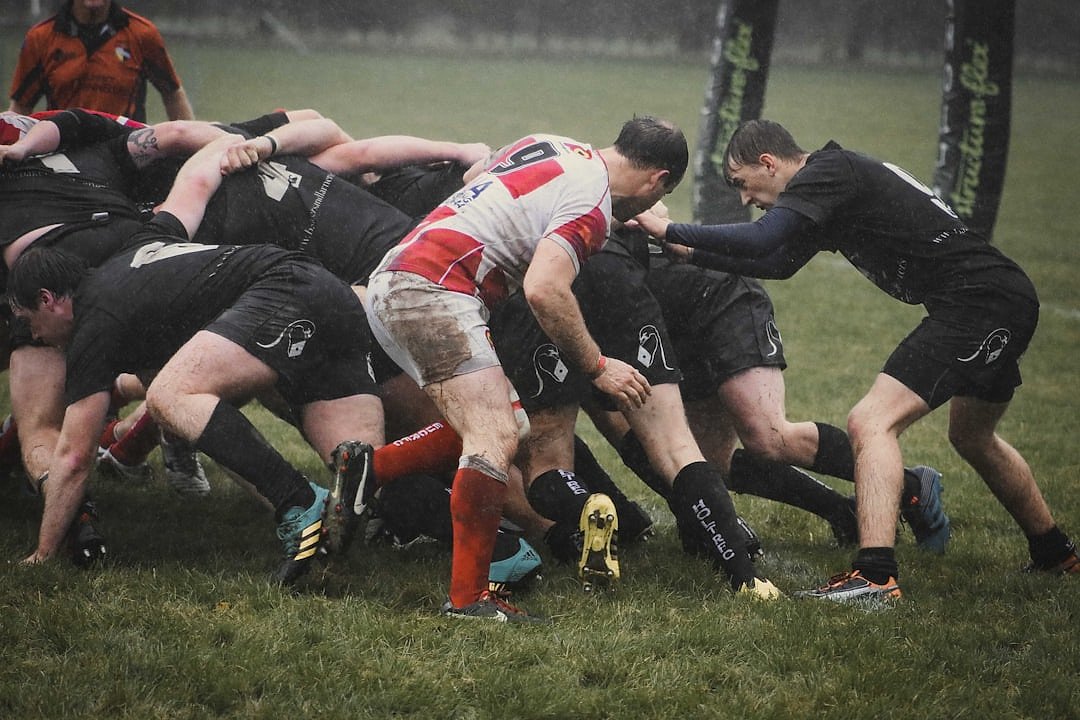
Professionalism levelled the playing field; Ireland have never looked back.
Italy's admission to the championship in 2000 created the Six Nations, adding another fixture to the calendar and increasing the tournament's commercial profile. The professional era, which had begun in 1995, was transforming the sport. Since professionalism, the head-to-head record between England and Ireland has been far more evenly balanced than the historical overall, reflecting Ireland's rise as a consistent force in world rugby.

A 36-point winning margin in Dublin; England's Grand Slam class of 2003 were already world champions in all but name.
England's 2003 Grand Slam, clinched with a 42-6 victory over Ireland at Lansdowne Road, was a statement of intent from a side that would go on to win the Rugby World Cup later that year. Martin Johnson's team were at their imperious peak, and the demolition of Ireland in Dublin demonstrated the gulf in class. It remains one of the most dominant performances in the history of the fixture.
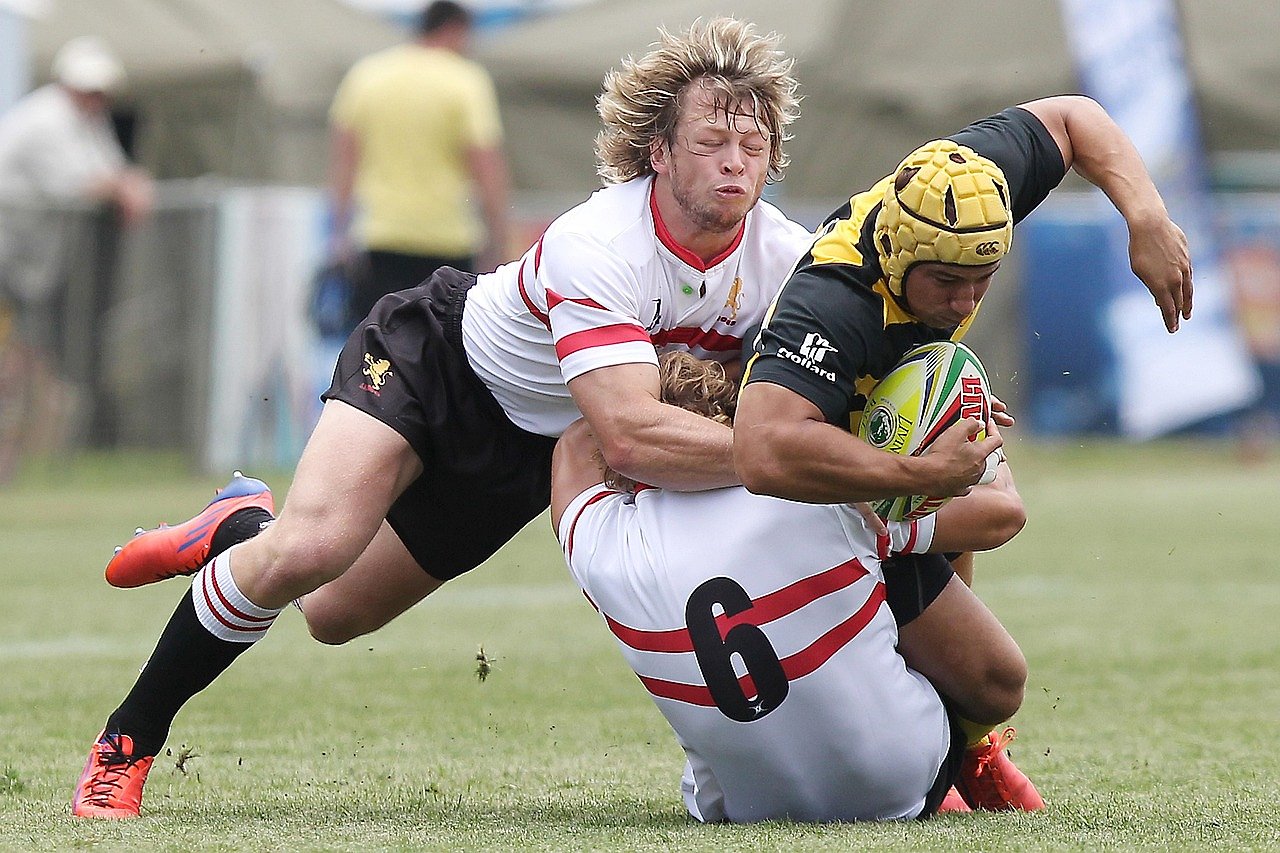
Sixty-one years of near-misses, ended in Cardiff on a single defining afternoon.
In 2009, Ireland won the Grand Slam for the first time since 1948, with Brian O'Driscoll's side beating Wales in Cardiff on the final day. The campaign included a crucial victory over England, and the achievement ended over six decades of near-misses. It announced Ireland as genuine contenders at the highest level and set the tone for a period of sustained Irish dominance in the championship.
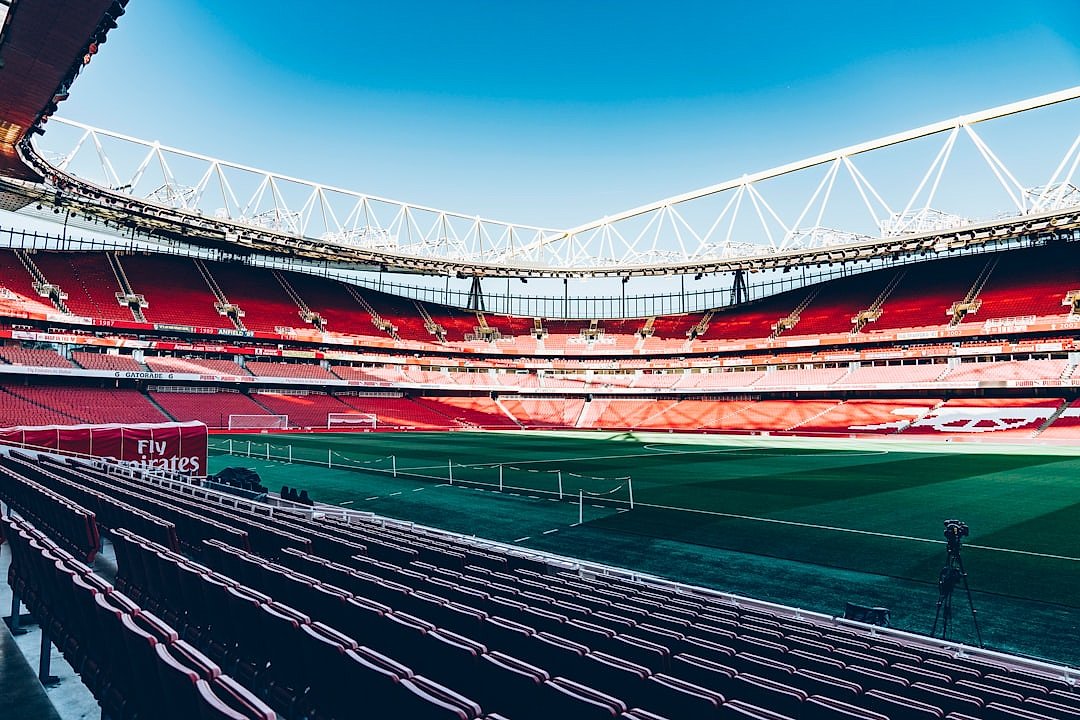
Ireland won their third-ever Grand Slam on English soil, and Twickenham barely knew what had hit it.
On St Patrick's Day 2018, Ireland sealed a Grand Slam with a 24-15 victory over England at Twickenham. It was a performance of composure and precision, with Ireland controlling the game from start to finish in front of a stunned home crowd. The result confirmed Ireland's status as the dominant force in northern hemisphere rugby under Joe Schmidt, and it marked only their third Grand Slam in history.

Over 140 meetings in, and England still cannot afford to take Ireland lightly on a Six Nations afternoon at Twickenham.
As the fixture approaches its 150th anniversary, England and Ireland have met over 140 times in Test rugby. England lead the all-time record with 81 wins to Ireland's 55, with 8 draws. But the modern era tells a different story: since professionalism, the contests have been tight, unpredictable and frequently decisive in the championship race. Twickenham on Six Nations weekend, with the Millennium Trophy at stake, remains one of the great days in the rugby calendar.