Great experience England v Wales at…
Great experience England v Wales at Twickenham thanks Marcus for sorting
Joseph Diamond28 Feb 2024
We use cookies to understand which experiences land. You can opt in or out — your choice.
A Six Nations day at Twickenham with reserved seating and post-match dinner.
5.0
1 review
Positive experience at Twickenham with good organisation and service.



Positive experience at Twickenham with good organisation and service.
5.0
(1)

London
8°
Rain showers
Our best tips
Rugby season runs through autumn and winter, so wrap up warm. Hospitality suites are heated, but you will be outside in the stands for the match itself. Layers are your friend.
Smart casual is the expected standard for rugby hospitality. A blazer or collared shirt works well for gentlemen; ties are welcome but not required. Ladies should dress for a smart daytime occasion.
Getting you on track

Completely hands-off from start to finish
Tell us what you're after and we'll plan the rest. All you have to do is show up.

Everything you need at your fingertips
Store all your event information, tickets, and contact details in one convenient place

Add personal touches to your trip
Make a request and our team will do everything they can to make it happen
Pick the experience, pick the tier, pick the day. Your account manager handles the rest.
F1, Wimbledon, Royal Ascot, the Six Nations, Glastonbury. If it sells out in minutes, we have people on the door.
Getting around
Twickenham station is a 15-minute walk from the stadium, with regular services from London Waterloo. St Margarets and Richmond are alternatives.
Taxis are available from Richmond and Twickenham stations. Road closures apply on match days, so drop-off points are a short walk from the ground.
Several London bus routes serve the area. The 281 and H22 stop near the stadium. Special shuttle services often run from Richmond on international match days.
What our guests say
Great experience England v Wales at…
Great experience England v Wales at Twickenham thanks Marcus for sorting
England and Wales first met on a rugby pitch in 1881, and the fixture has lost none of its edge in the century and a half since. Played as part of the Home Nations, Five Nations, and now Six Nations Championship, this is a rivalry shaped by geography, history, and a mutual refusal to give an inch. At Twickenham, where England have hosted the fixture since 1910, 82,000 voices make the occasion unmistakable.


I can't recall a more physical encounter. England against Wales, it's always like that. It's what makes the Six Nations special.
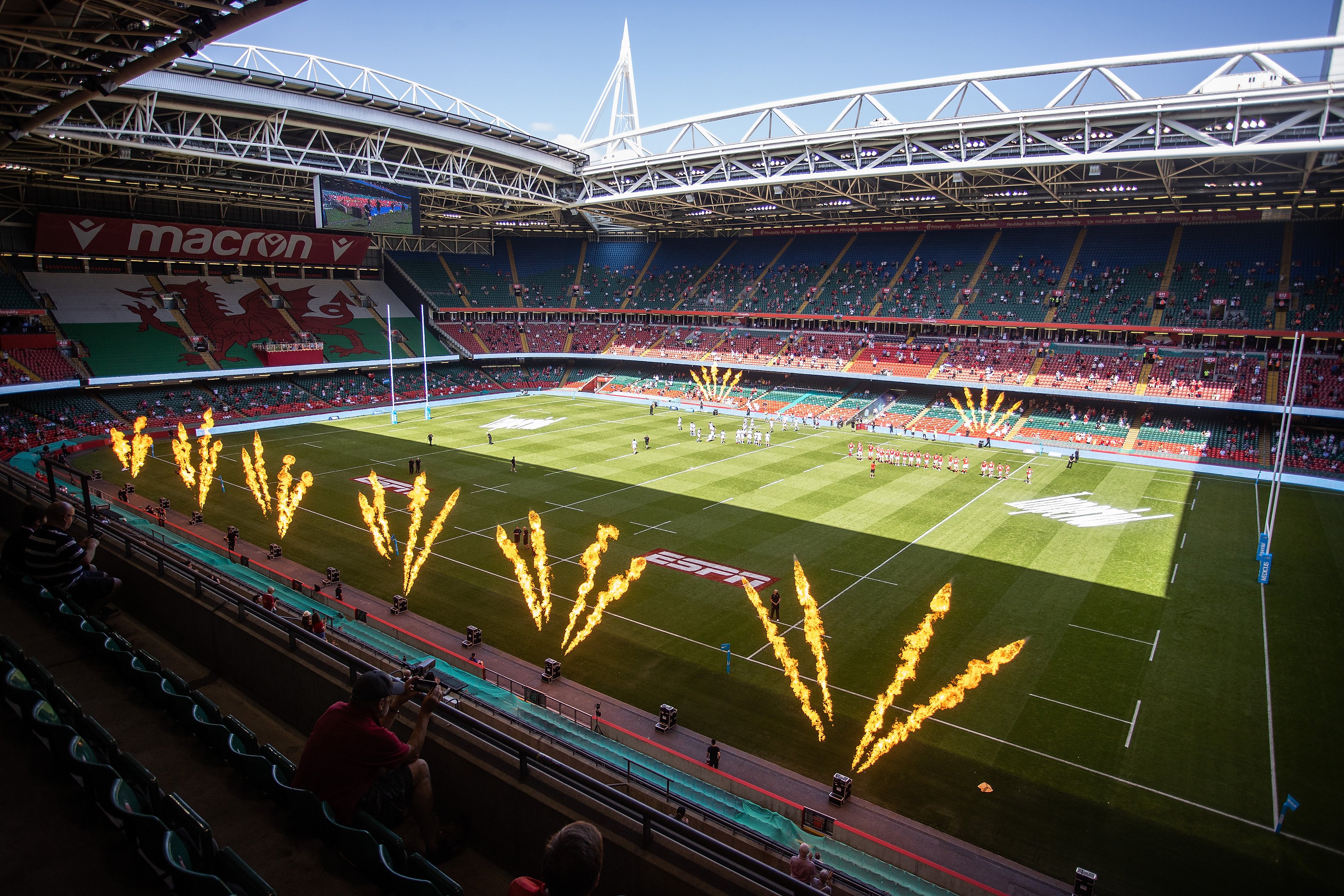
There is nothing in international sport quite like walking out at Twickenham for England against Wales. The history between the two nations sits on your shoulders for eighty minutes.
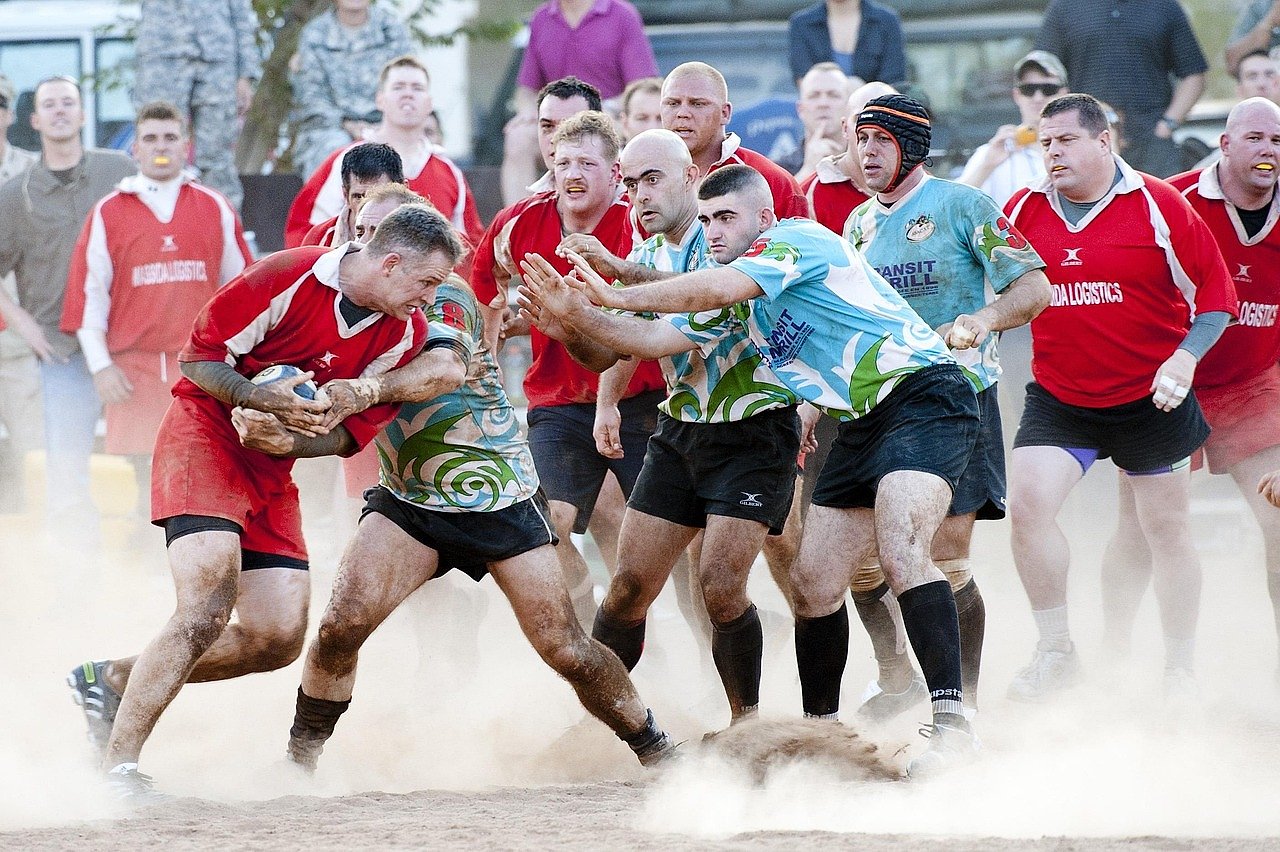
Wales had been a rugby union for barely a year when England put seven goals and six tries past them.
On 19 February 1881, England hosted Wales at Richardson's Field, Blackheath, in what would become one of rugby union's defining rivalries. England won comfortably, scoring seven goals and six tries to nil. Wales had only formed their rugby union the previous year, and the gulf in experience showed. But the Welsh would not stay down for long.
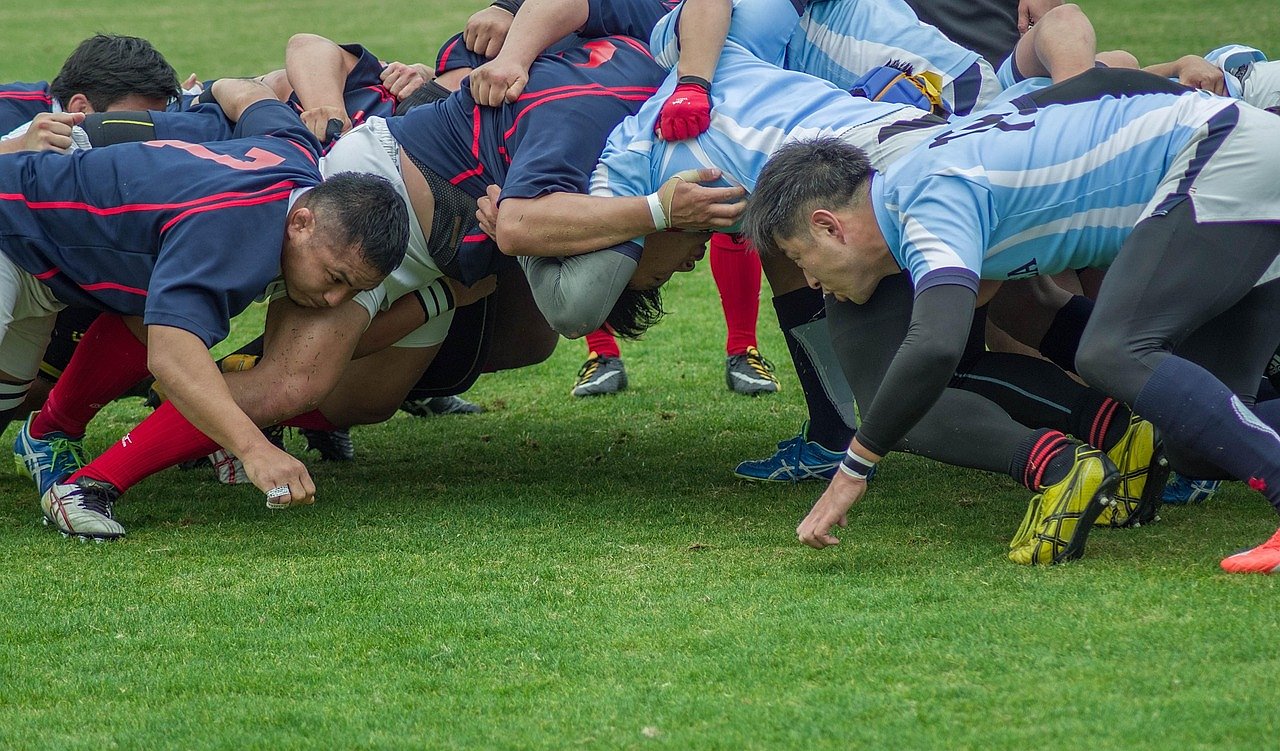
England won the very first Home Nations Championship; bragging rights, it turned out, now came with a trophy.
The inaugural Home Nations Championship in 1883 gave the England v Wales fixture a formal competitive framework for the first time. England, Ireland, Scotland, and Wales would now play each other annually, with the championship decided on overall results. England won the first tournament. The structure gave the rivalry a purpose beyond bragging rights, though those mattered plenty too.

Wales won the very first match ever played at Twickenham; the spiritual home of English rugby had a Welsh housewarming.
England's new home at Twickenham hosted its first international on 15 January 1910, a match against Wales. The ground had been a market garden, purchased by the RFU's William Williams for £5,572. Wales won that inaugural Twickenham international 11-6. The same year, France joined the championship, expanding it to the Five Nations. Twickenham would grow into the spiritual home of English rugby, but Wales drew first blood there.
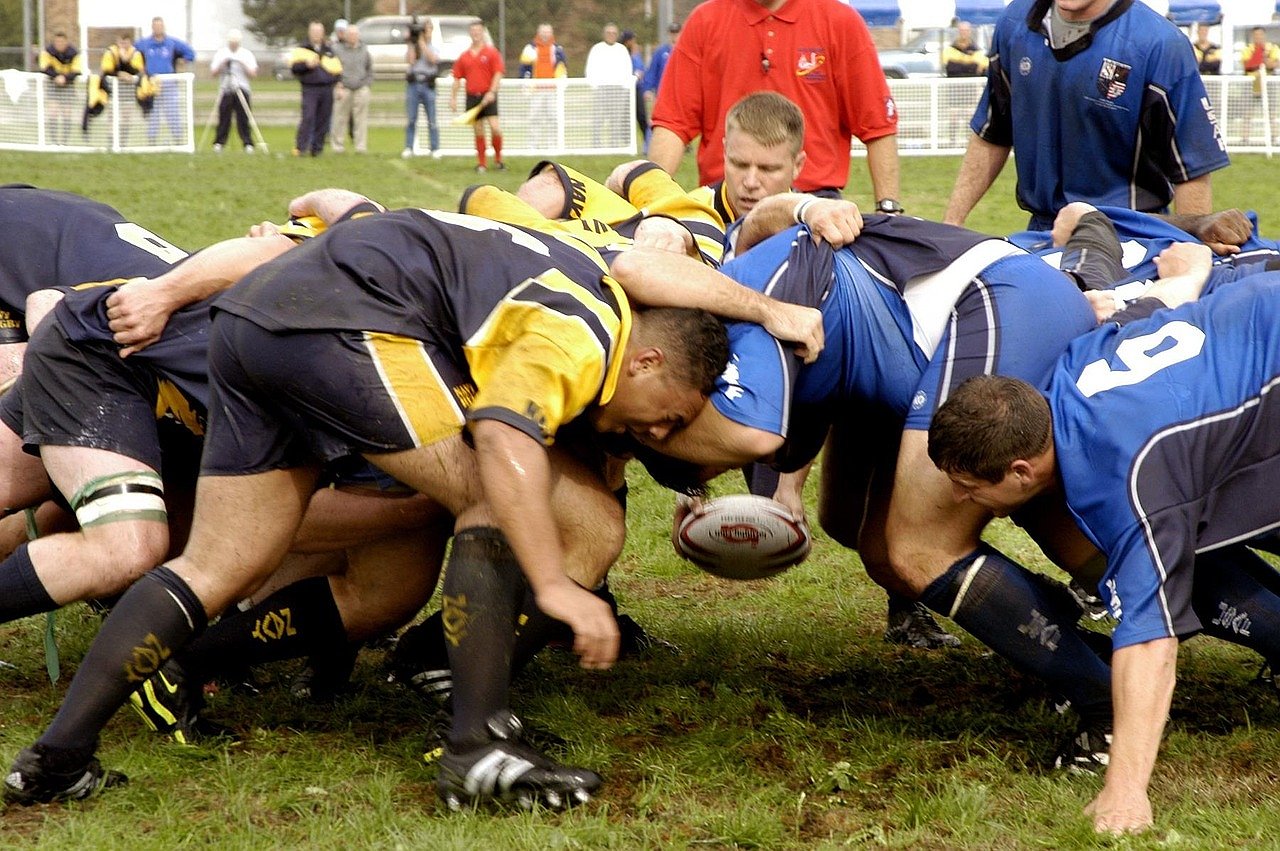
Six titles in eleven years; Wales did not merely win matches against England, they rewrote the meaning of them.
Between 1900 and 1911, Wales dominated the championship, winning six titles outright and sharing three more. This was the era of the first Welsh Golden Generation, featuring players like Gwyn Nicholls and Rhys Gabe. Wales beat the original All Blacks in 1905, a result that elevated Welsh rugby to near-mythical status. Matches against England during this period carried enormous national significance on both sides of the Severn.

Six names, eight titles, a decade of Welsh dominance that Twickenham could only applaud.
The late 1960s and 1970s saw Wales produce arguably the finest generation of players the championship has known. Gareth Edwards, Barry John, JPR Williams, Phil Bennett, Gerald Davies, and Mervyn Davies formed a side that won eight Five Nations titles and six Triple Crowns between 1969 and 1979. England, by contrast, endured lean years. The fixture became a stage for Welsh brilliance, and the Twickenham crowd learned to respect, if not enjoy, the red jersey's visits.
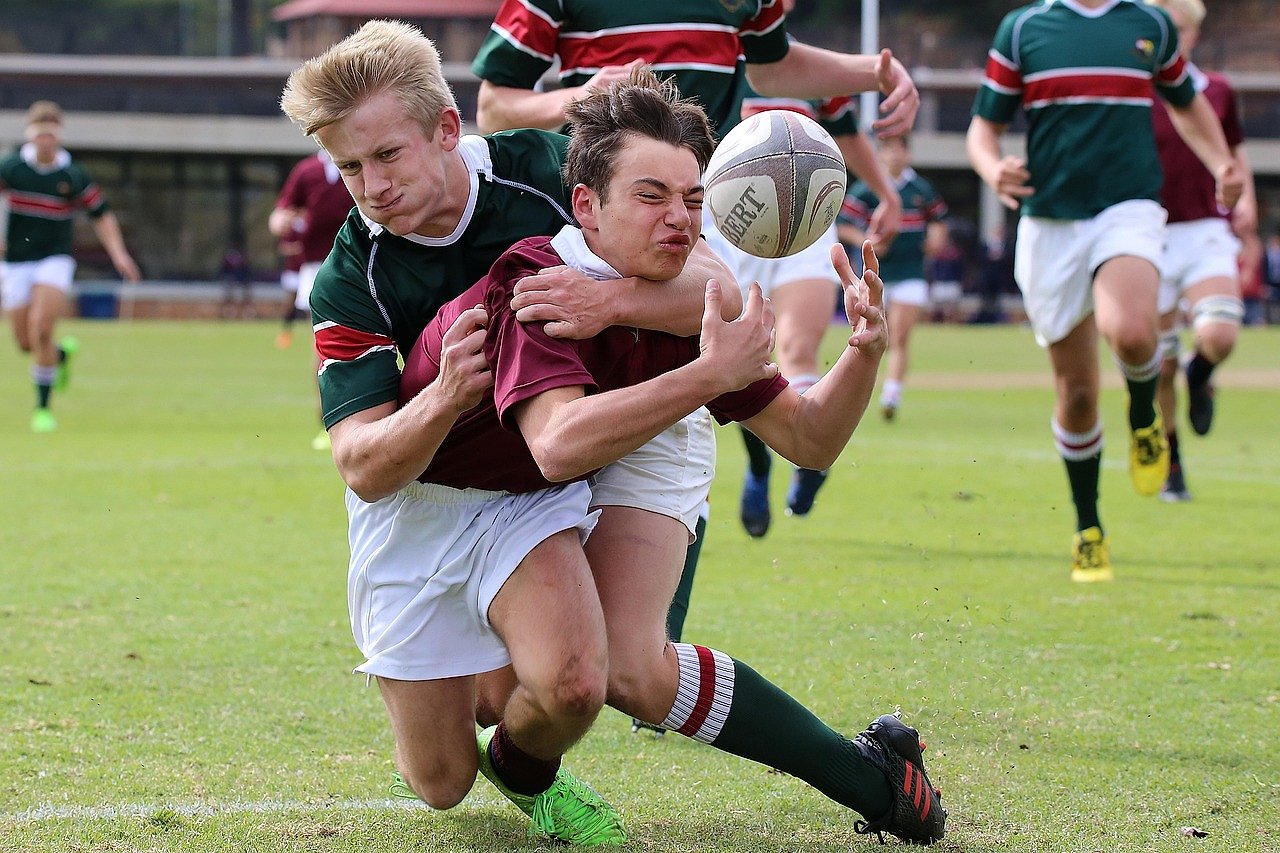
Twenty-three years between Grand Slams; Beaumont ended the wait in style.
After years in the wilderness, England won the 1980 Grand Slam under captain Bill Beaumont, their first since 1957. The campaign included a crucial victory over Wales. It signalled a shift in the balance of power. England would go on to become increasingly competitive through the 1980s and into the professional era, turning Twickenham into a genuine fortress once more.
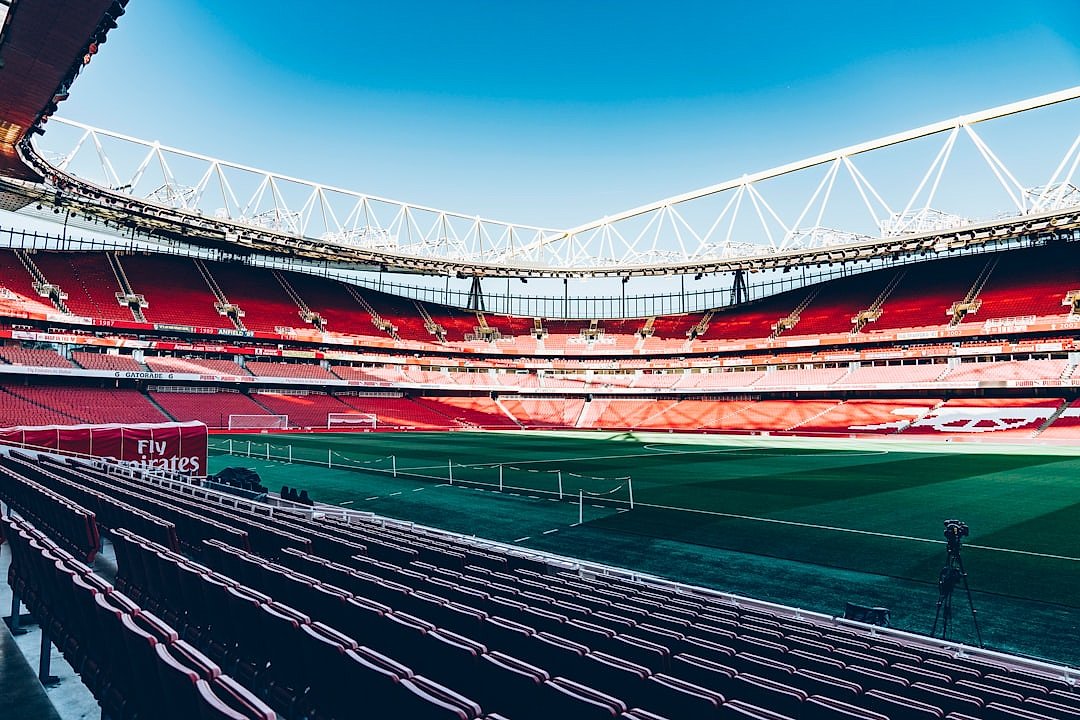
Italy's arrival made it six; Twickenham's welcome, meanwhile, remained strictly unwarm.
Italy's admission to the championship in 2000 created the Six Nations as we know it. The expanded format added a round but did nothing to dilute the oldest rivalries. England, under Clive Woodward, were building towards something special. They won the Six Nations in 2000 and 2001, with Twickenham becoming one of the most difficult grounds in world rugby to visit. The England v Wales fixture remained the centrepiece of the calendar for supporters of both nations.

A Grand Slam and a World Cup in a single year; that England side simply had no equal.
England's 2003 Grand Slam, a precursor to their World Cup triumph later that year, included a 26-9 victory over Wales at the Millennium Stadium in Cardiff. Jonny Wilkinson, Martin Johnson, Jason Robinson, and Lawrence Dallaglio were at their peak. That England side is widely regarded as the finest the country has produced, and their Six Nations campaign that year was a masterclass in controlled, ruthless rugby.

Gatland arrived in late 2007; by spring 2008, Wales had a Grand Slam and Twickenham had a new memory.
Warren Gatland's appointment as Wales head coach in late 2007 transformed Welsh rugby. His first Six Nations in charge, in 2008, produced a Grand Slam. Wales beat England 26-19 at Twickenham that year, a result that announced Gatland's Wales as serious contenders. The New Zealander would go on to lead Wales to three Grand Slams (2008, 2012, 2019) and four championship titles, making the England v Wales fixture fiercely competitive once more.

82,000 voices, over 140 years of history, and still no safe bet on the outcome.
Over 140 years since that first meeting at Blackheath, England v Wales remains one of the most anticipated fixtures in the rugby calendar. The overall record is closely contested, with England holding a narrow lead. Twickenham on a Six Nations Saturday, with 82,000 packed in and the anthems still ringing, is one of the great experiences in sport. The fixture carries the weight of history and the promise that, on any given day, either side can win.