Login

We use cookies to understand which experiences land. You can opt in or out — your choice.

Login
Login
Formula 1 Gran Premio de España - Barcelona

Formula 1 Gran Premio de España - Barcelona

Formula 1 Gran Premio de España - Barcelona

Fri 20 May - Mon 23 May

Fri 20 May

Mon 23 May

Return

London

Barcelona

Spotify Camp Nou

Making a request doesn't commit you to anything, and there's no cost involved.

Getting you on track

With Imperial Corporate Events

Concierge agent at a desk
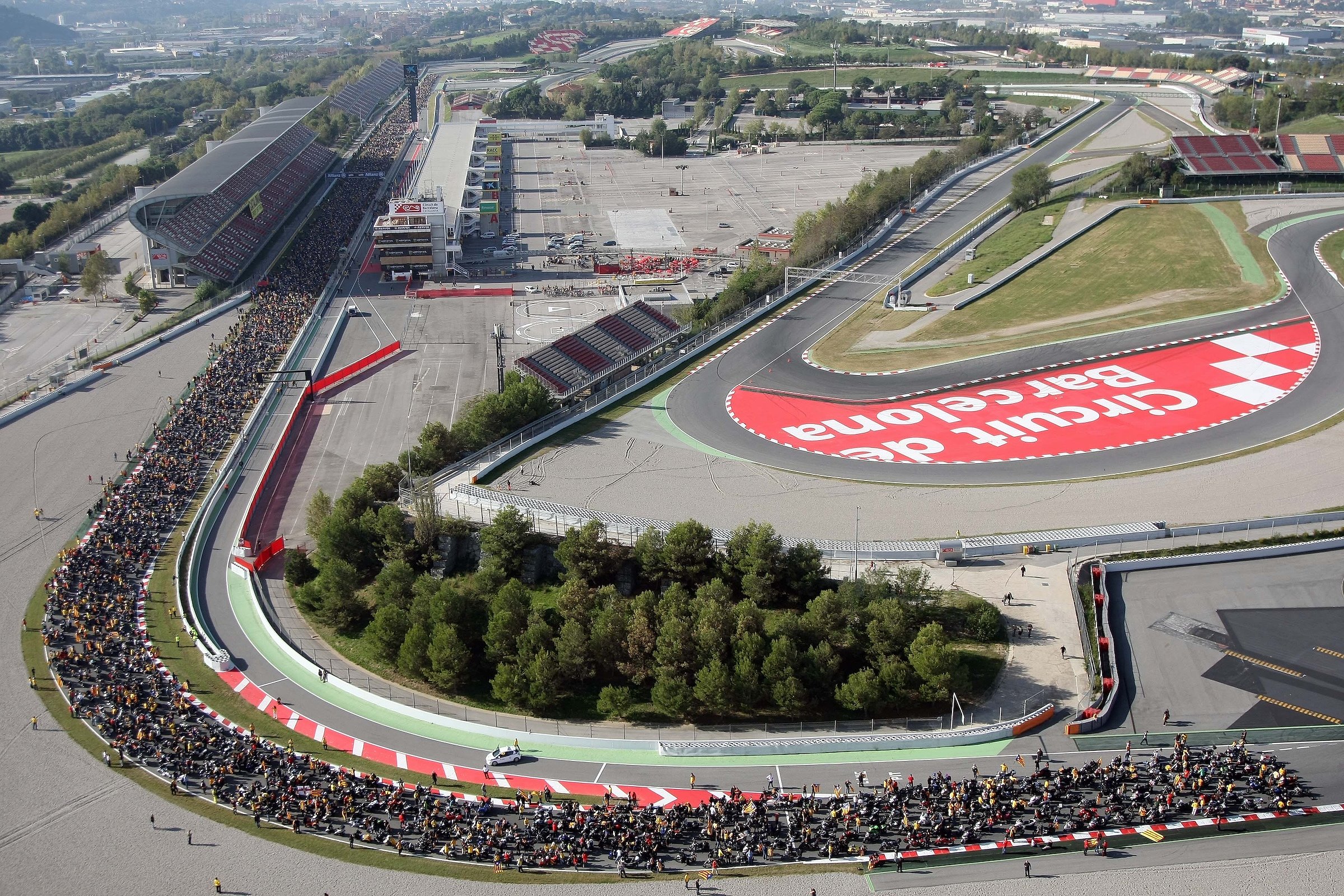
Circuit de Barcelona-Catalunya, home of the Formula 1 Spanish Grand Prix

The history of

Formula 1 Gran Premio de España - Barcelona

Completely hands-off from start to finish

Tell us what you're after and we'll plan the rest. All you have to do is show up.

Hand holding a phone with the Imperial app

Everything you need at your fingertips

Store all your event information, tickets, and contact details in one convenient place

Get it on Google Play
Download on the App Store
Person enjoying a hotel suite
Late checkout
Tasting menu
Restaurant reservation
Birthday surprise
Flight upgrades
Trip extension
Late checkout
Tasting menu
Restaurant reservation
Birthday surprise
Flight upgrades
Trip extension
Champagne on arrival
Spa treatment
Private chef
Anniversary cake
Helicopter transfer
Private tour
Champagne on arrival
Spa treatment
Private chef
Anniversary cake
Helicopter transfer
Private tour

Add personal touches to your trip

Make a request and our team will do everything they can to make it happen

The Spanish Grand Prix is one of the oldest races on the Formula 1 calendar, with roots stretching back over a century to dusty mountain roads outside Madrid. It has wandered between circuits like few other grands prix: from the wide boulevards of Pedralbes to the tight confines of Jarama, the hillside drama of Montjuïc, the Andalusian heat of Jerez, and finally the purpose-built Circuit de Barcelona-Catalunya in Montmeló. Each venue left its mark on the championship, producing some of the sport's most memorable battles.

Vintage grand prix racing car from the early era of motorsport
You must always strive to be the best, but you must never believe that you are.
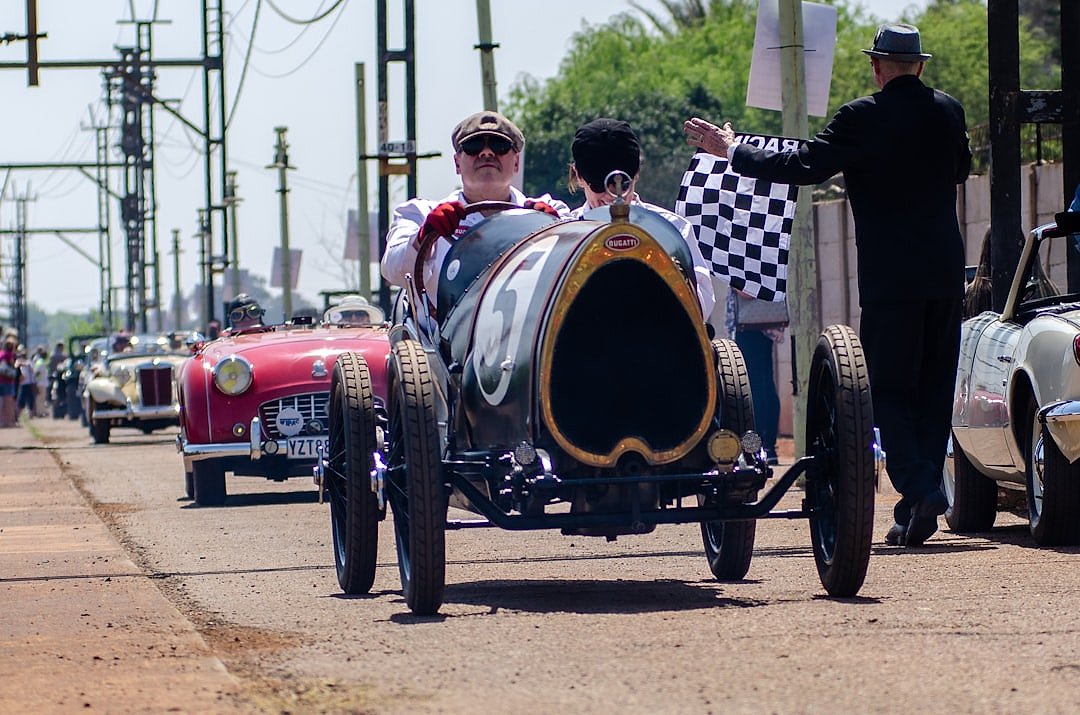
Vintage racing driver with chequered flag, evoking the early days of Formula 1
1913

Spain's first Grand Prix takes to the mountain roads.
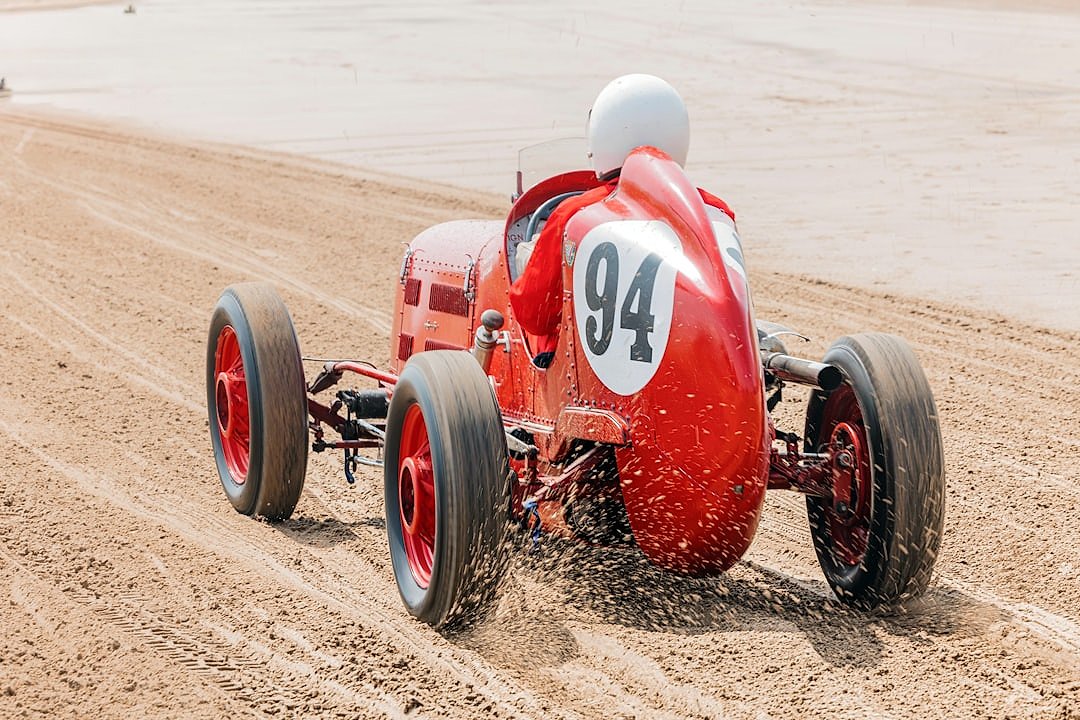
Vintage grand prix racing car from the early era of motorsport

Spain was racing through mountain passes nearly forty years before Formula 1 even existed.

The inaugural Spanish Grand Prix was held on the Guadarrama road circuit near Madrid, a gruelling test over mountain passes north of the capital. It predated the Formula 1 World Championship by nearly four decades, establishing Spain as a serious player in European motorsport. The race would appear sporadically over the following decades, moving between venues as the country's appetite for speed grew.

1951

Fangio triumphs on Barcelona's Pedralbes street circuit.

Vintage racing driver with chequered flag, evoking the early days of Formula 1

Fangio and his Alfetta ruled Barcelona's sun-baked boulevards in October 1951, leaving the Ferraris to fight over second.

Get early access to the best experiences, straight to your inbox

By subscribing you agree to with our Privacy Policy.

Experiences

  • Sports
  • Entertainment
  • Food & Culture

Company

  • Blog
  • Client Portal
  • Careers
  • Respect Charter

Connect

  • Facebook
  • Instagram
  • LinkedIn
  • Youtube
  • (+44) 01162 695979
  • info@imperial.events

Copyright © 2026 Imperial Corporate Events Ltd. All rights reserved.

  • Privacy
  • Terms of Service
  • Cookies
Juan Manuel FangioFive-time Formula 1 World Champion, 1951–1957
I have raced at many circuits around the world, but there is nothing like racing in front of your home fans. The passion of the Spanish fans is something very special.
Fernando AlonsoTwo-time Formula 1 World Champion, 2005–2006

The Spanish Grand Prix joined the Formula 1 World Championship in 1951, held on the Pedralbes street circuit in Barcelona's Diagonal avenue. Juan Manuel Fangio won the race for Alfa Romeo on a blisteringly hot October afternoon, crossing the line ahead of the Ferraris of González and Farina. The wide, fast Pedralbes layout suited the powerful Alfettas perfectly, and the occasion drew enormous crowds to the tree-lined boulevards of the city's western suburbs.

1968

Formula 1 returns to Spain at the Jarama circuit.

Vintage racing driver in the cockpit of a classic grand prix car

Fourteen years away, then Hill and Lotus triumphed at Jarama's tight, twisting circuit, which drew strong Madrid crowds despite frustrating drivers.

After a fourteen-year absence from the championship, the Spanish Grand Prix returned in 1968 at the newly built Circuito del Jarama near Madrid. Graham Hill won the race for Lotus, navigating the tight, twisting layout that would become notorious for producing processional races. Jarama's narrow track and limited overtaking opportunities frustrated drivers, but the circuit's proximity to Madrid ensured strong attendance.

1975

Tragedy at Montjuïc ends an era of street racing.

Close-up of a circuit kerb, a reminder of the fine margins in motorsport

A wing failure at Montjuïc in 1975 cost four lives and closed the circuit for ever.

The Spanish Grand Prix alternated between Jarama and the spectacular Montjuïc Park circuit in Barcelona during the early 1970s. Montjuïc's hillside layout through public parkland was thrilling but dangerous. In 1975, a rear wing failure on Rolf Stommelen's car sent it into the crowd, killing four spectators. The race was stopped, and Montjuïc never hosted Formula 1 again. The tragedy underscored the urgent need for purpose-built facilities with proper safety barriers.

1986

The race heads south to Jerez de la Frontera.

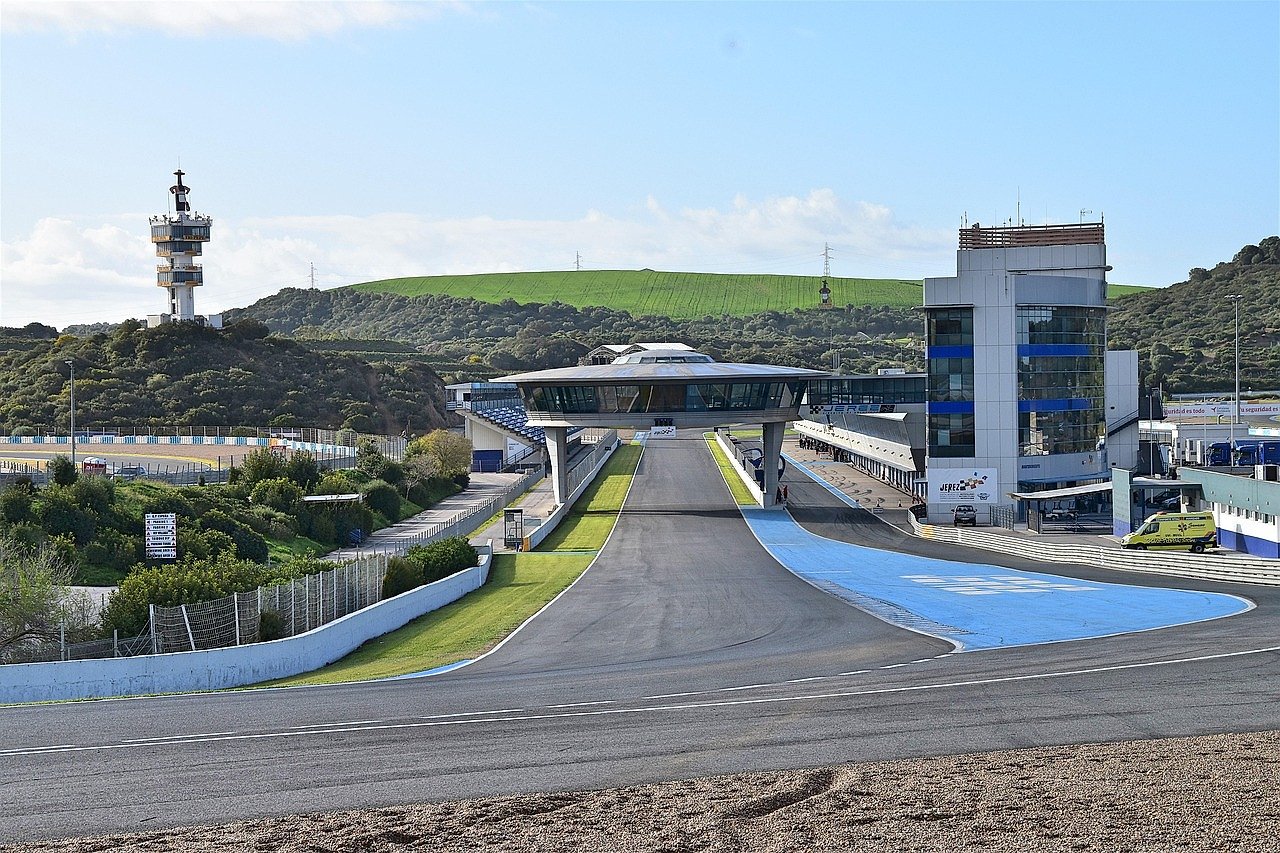
Jerez circuit in southern Spain, home of the Spanish Grand Prix from 1986 to 1990

Senna edged Mansell by fourteen thousandths of a second at Jerez in 1986; margins do not come finer than that.

After Jarama's final grand prix in 1981, Spain was absent from the calendar until 1986, when the brand-new Circuito de Jerez in Andalusia took over. The inaugural race produced one of the closest finishes in F1 history: Ayrton Senna beat Nigel Mansell by just 0.014 seconds. Jerez hosted the Spanish Grand Prix for five seasons, its smooth surface and warm climate making it a favourite for pre-season testing long after the race moved on.

1991

Catalunya opens its doors with a Mansell-Senna classic.

Formula 1 car racing at the Spanish Grand Prix at Circuit de Barcelona-Catalunya

Two drivers, one straight, 200mph; Catalunya announced itself to the world before the lap count had barely begun.

The Circuit de Catalunya in Montmeló, just north of Barcelona, hosted its first Spanish Grand Prix in 1991 and immediately delivered a race for the ages. Nigel Mansell and Ayrton Senna went wheel to wheel down the main straight at close to 200mph, neither driver giving an inch. Mansell took the victory, and the circuit's reputation was made. Its mix of high-speed sweeps, tight chicanes, and a long pit straight would make it a permanent fixture on the calendar for over three decades.

2006

Alonso mania sweeps through Montmeló.

Formula 1 pit lane preparations before a grand prix at Barcelona

130,000 fans in Renault colours; Alonso didn't just win a race, he invented a nation of believers.

Fernando Alonso's rise to the top of Formula 1 transformed the Spanish Grand Prix. As reigning world champion, Alonso won his home race in 2006 in front of over 130,000 delirious fans, many draped in the blue and yellow of his Renault team. Spain had always loved motorsport, but Alonso turned it into a national obsession. Attendance figures soared, and the circuit expanded its facilities to cope with demand that showed no sign of fading.

2016

Verstappen makes history as F1's youngest ever winner.

Modern Formula 1 racing helmet, representing the new generation of drivers

At 18 years old, Verstappen stepped up to Red Bull and won on his very first weekend with the team.

The 2016 Spanish Grand Prix will be remembered for one thing above all else: Max Verstappen, aged just 18 years and 228 days, became the youngest race winner in Formula 1 history. Racing for Red Bull in only his debut weekend with the senior team after promotion from Toro Rosso, Verstappen inherited the lead when Mercedes teammates Hamilton and Rosberg collided on the opening lap. He held his nerve through a two-stop strategy to take a victory that announced a generational talent.

2026

The Spanish Grand Prix prepares for a new chapter in Madrid.

Formula 1 car on track, representing the future of the Spanish Grand Prix

Madrid reclaims its place on the Formula 1 calendar for the first time since Jarama bowed out in 1981.

After more than three decades at Montmeló, the Spanish Grand Prix is set to move to a new street circuit around the IFEMA trade fair complex in Madrid from 2026. The deal, announced in 2023, marks a return to the capital for the first time since Jarama's final race in 1981. The Madrid circuit promises a modern, urban setting designed to attract a new generation of fans, while Barcelona's legacy as one of F1's most important testing and racing venues remains secure.