Summary
Corporate days out fail in roughly the same eight ways every year. The fixes are simple. Getting an operations team to actually apply them every time is the hard part.
Written from the inside of an operations week, not from the brochure. Save this for the next brief; the same eight things will go wrong on it.
1. Transport timing
The most common failure. The late train into Cheltenham, the parking pre-book that doesn't cover the back-up car, the Sunday-evening departure from Silverstone that meets the M40 at the worst possible hour. The fix is the contingency rather than the primary plan: a back-up route, a back-up car, a helicopter on retainer for the genuinely senior guest.
What we do: brief the operations team on the route the day before, confirm the parking allocation in writing, pre-book the return taxis at the venue rather than from the guest's phone in the rain. The senior client never books their own transport.
2. Dress-code mismatches
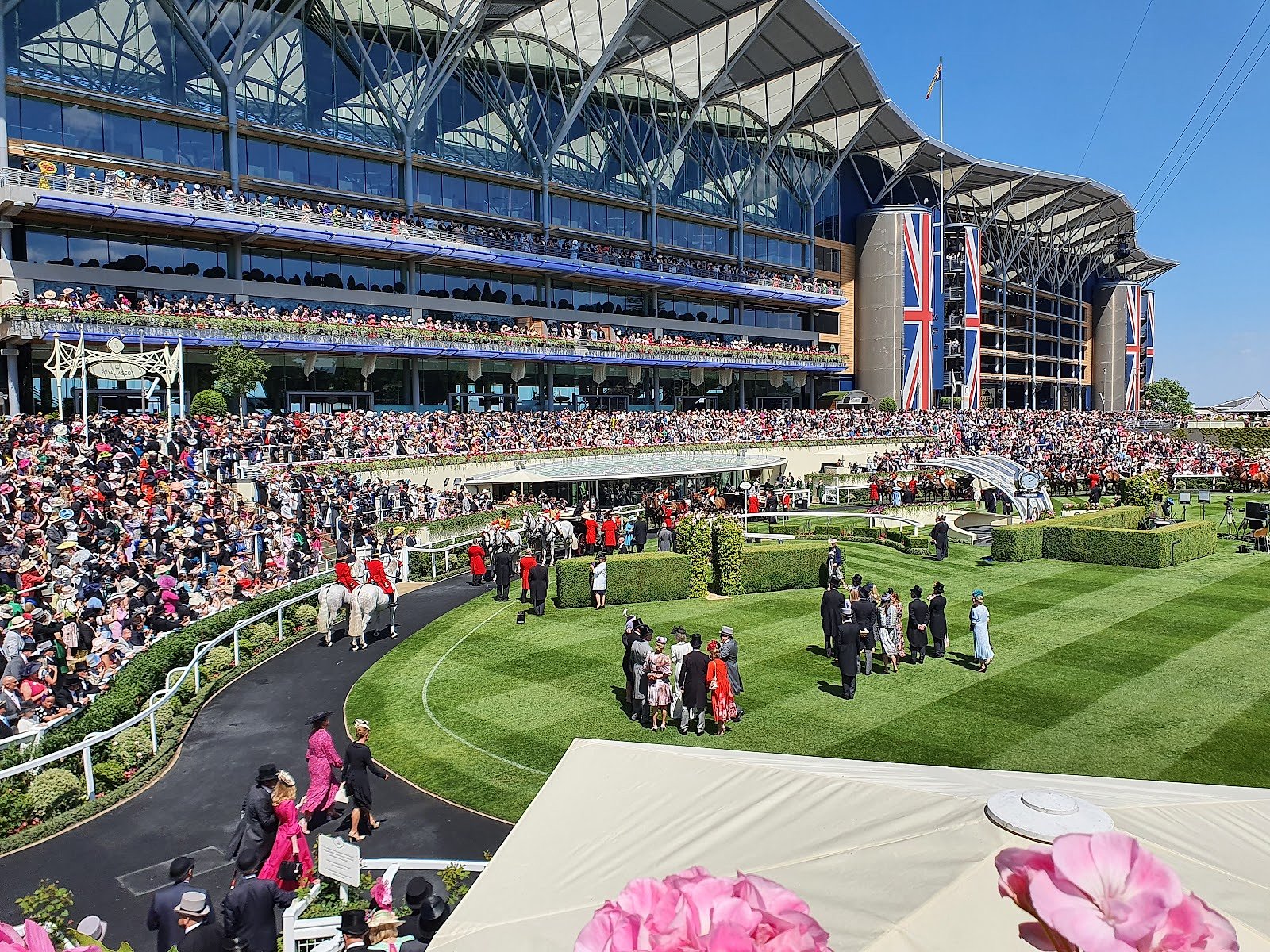
The partner who arrives at Royal Ascot without a hat. The trainer-not-leather-shoe at Goodwood. The shorts at the Hill on a hot Wimbledon day. Each of these is the operator's failure for not briefing the dress code clearly enough, not the guest's for getting it wrong.
What we do: dress code in the booking confirmation, dress code reminder forty-eight hours before, dress code laid out by gender and tier (Royal Enclosure versus Queen Anne, Stewards' Enclosure versus general at Henley). The reminder also includes the venue's own dress-code page link so the guest can't blame the brief.
3. Dietary briefings that didn't reach the kitchen

The vegan client who got the chicken. The pescatarian who got the beef wellington. The gluten-free who got the sourdough. Each of these is an internal-process failure between the operator, the venue and the kitchen.
What we do: dietary requirements in the booking, dietary requirements re-confirmed seventy-two hours before, kitchen brief printed and walked to the chef on the morning. The morning-of confirmation is the step most operators skip; the line check between the brief and the food on the plate is where things go wrong.
4. Seat swaps and the client who ended up in a different box
The senior client who got moved from Box A to Box B because the operator over-booked. The plus-one who was seated separately. The seating chart that nobody saw before the day. The fix is the seating chart in writing, signed off by the operator and the host, by Wednesday for a Saturday fixture.
What we do: seating chart out for sign-off three days before, seating chart printed and on the operations team's phones on the day, named-place cards on the table set by the time guests arrive. The named-place card is the moment the guest knows they were thought about.
5. Phone signal and the email follow-up

The signal at Wembley, Twickenham and most large stadiums is variable on a high-attendance day. The senior client expecting an urgent reply will not get one. The fix is the heads-up before the day: "expect signal to be patchy between 2pm and 6pm; we'll set up a quiet room with WiFi if you need to step out for a call."
What we do: warn in the briefing, identify the quiet room or hospitality lounge with reliable wifi, set the operations team up to relay messages if the client's phone is in the room and the call is urgent.
6. The photo nobody asked for
The official photographer pushed into a group shot that nobody wanted. The candid that someone wishes hadn't been taken. The fix is the photographer brief: opt-in for posed group shots, candid only with explicit cue, photos delivered to the host first for approval before any wider share.
What we do: photographer briefed on the named guests, the group shot pre-arranged for the moment that suits, the deliverable contracted to come to the operations team before anything is shared. The guest who wants a photo asks for one; the guest who doesn't shouldn't have one taken.
7. Catering quality drops in the late afternoon
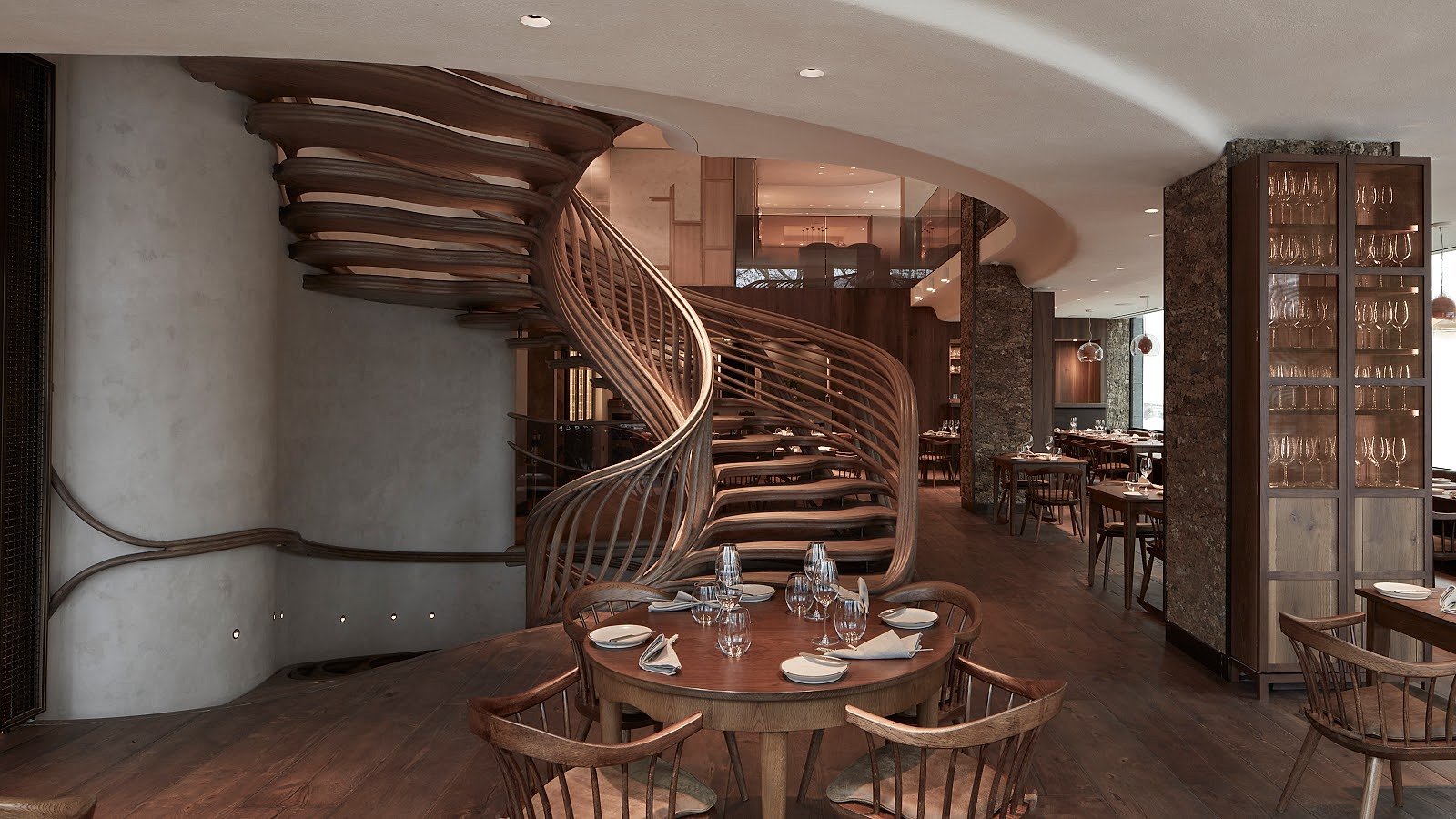
The 4pm energy slump. The kitchen tiring on the second service. The wine list running low. Most catering operators do well on the first service and fade on the second. The fix is the second-service brief: the additional snacks at 4pm, the coffee on standby, the bartender's second-wind plan.
What we do: the 4pm-onwards menu is briefed separately from the lunch menu. The afternoon shouldn't be reheated lunch; it should be a different shape of food: a charcuterie board, a small-plate run, fresh coffee, a different wine. The bar gets a second-wind brief that includes a non-alcoholic option for the guests who have paced themselves out.
8. The silence afterwards that loses the relationship
The day ends, the guest leaves, the operator goes silent. The follow-up is the marketing email three weeks later asking about the next booking. The window for the actual relationship-building has closed. The fix is the same-evening thank-you note from the host, the next-week handwritten card from the operator, the not-asking-for-the-next-booking-yet patience.
What we do: the host sends a personal note that evening (not a marketing email). The operator sends a handwritten card the following week with the photographer's best image. The next-booking conversation waits until the guest opens it themselves. The pressure-on-the-relationship version loses the next three years of business; the patience version compounds.
The eight fixes
- Transport contingencyBack-up route, back-up driver, helicopter on retainer for the senior brief.
- Dress code reminderIn the booking. In the 48-hour reminder. With the venue's page linked.
- Dietary line checkBrief, re-confirm, walk-the-kitchen on the day. The morning check is the step most operators skip.
- Seating chart in writingThree days before. Named-place cards on the table when guests arrive.
- Signal and the quiet roomWarn in advance; identify the wifi-reliable space; relay urgent messages.
- Photographer briefed and contractedOpt-in for posed shots; deliverable to the operator first; photos approved before any share.
- Second-service brief4pm-onwards menu, different shape from lunch, the bar's second-wind plan.
- Same-evening thank-youHost writes that night. Operator writes the following week. Next-booking conversation waits.
“Every failure mode on a corporate day out is preventable with one extra check in the briefing. The check takes ten minutes; missing it costs three years of the relationship.”
Why operators don't do this
Most of the fixes are operationally cheap and reputationally expensive when missed. Most operators don't do them because the failure mode is invisible: the guest doesn't complain on the day, they simply don't book again. The fix is the systematic version of the checks above, applied to every booking, every time, with the operations team rotating roles so the second service gets fresh attention.
ICE's operations checklist runs to forty-one items per booking. The eight failure modes above are the most-common; the other thirty-three are the long tail. The checklist is boring on purpose. Boring checklists make for unforgettable days.


Cameron Cleaver
Senior Account Manager
Senior Account Manager at Imperial Corporate Events, building long-term client relationships across the UK sporting calendar.