
Summary
The British sporting calendar runs year-round. What changes month to month is which fixtures earn the diary slot. The list below is a planner's reference: one anchor pick per month plus one or two support picks where the month deserves them. Every pick is a fixture ICE actually books.
Use it to map a year of client outings against the calendar before the diary fills with other things, and to spot the months where a sport everyone forgets (darts in January, racing in December) is actually the right call.
January: the post-Christmas calendar starter
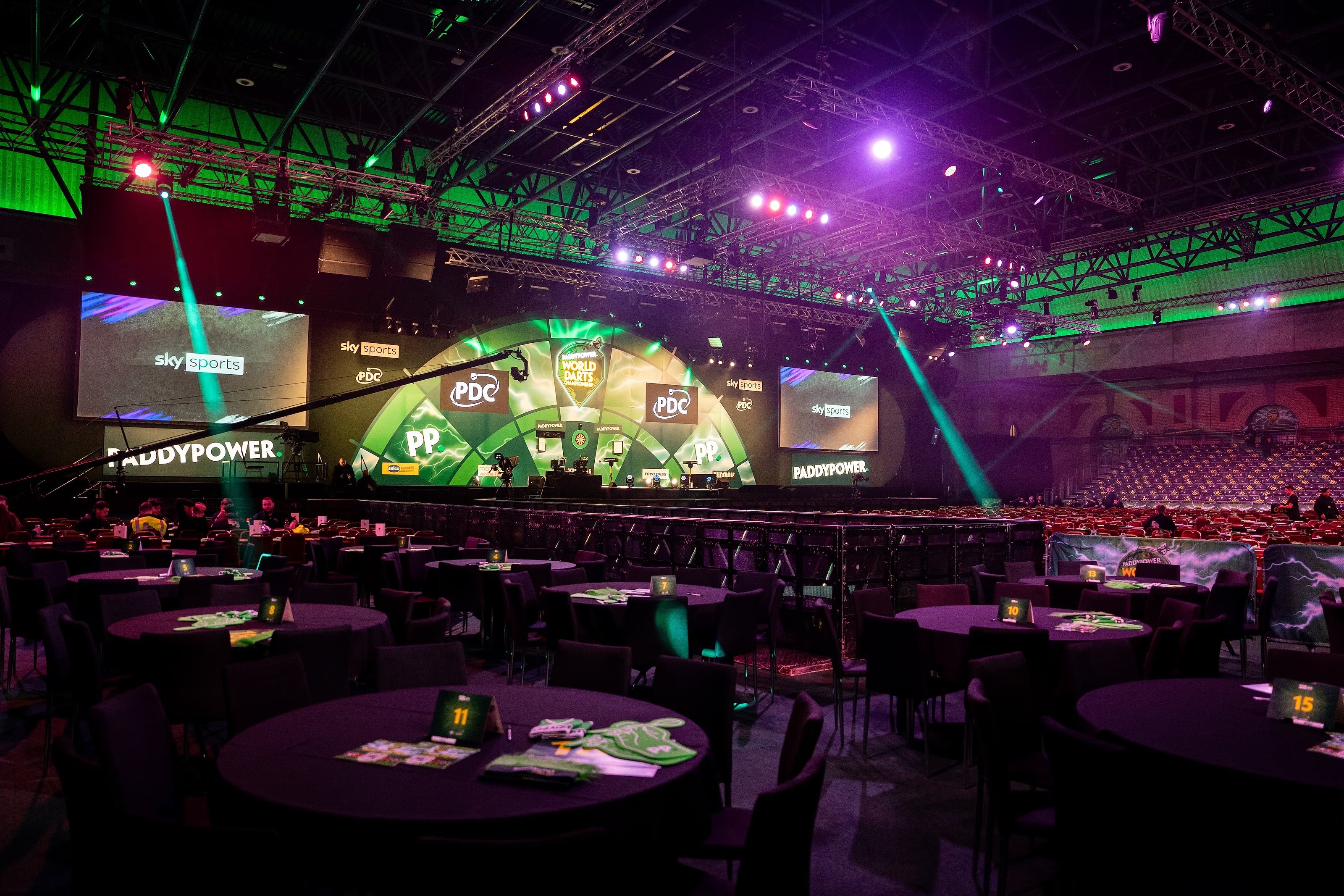
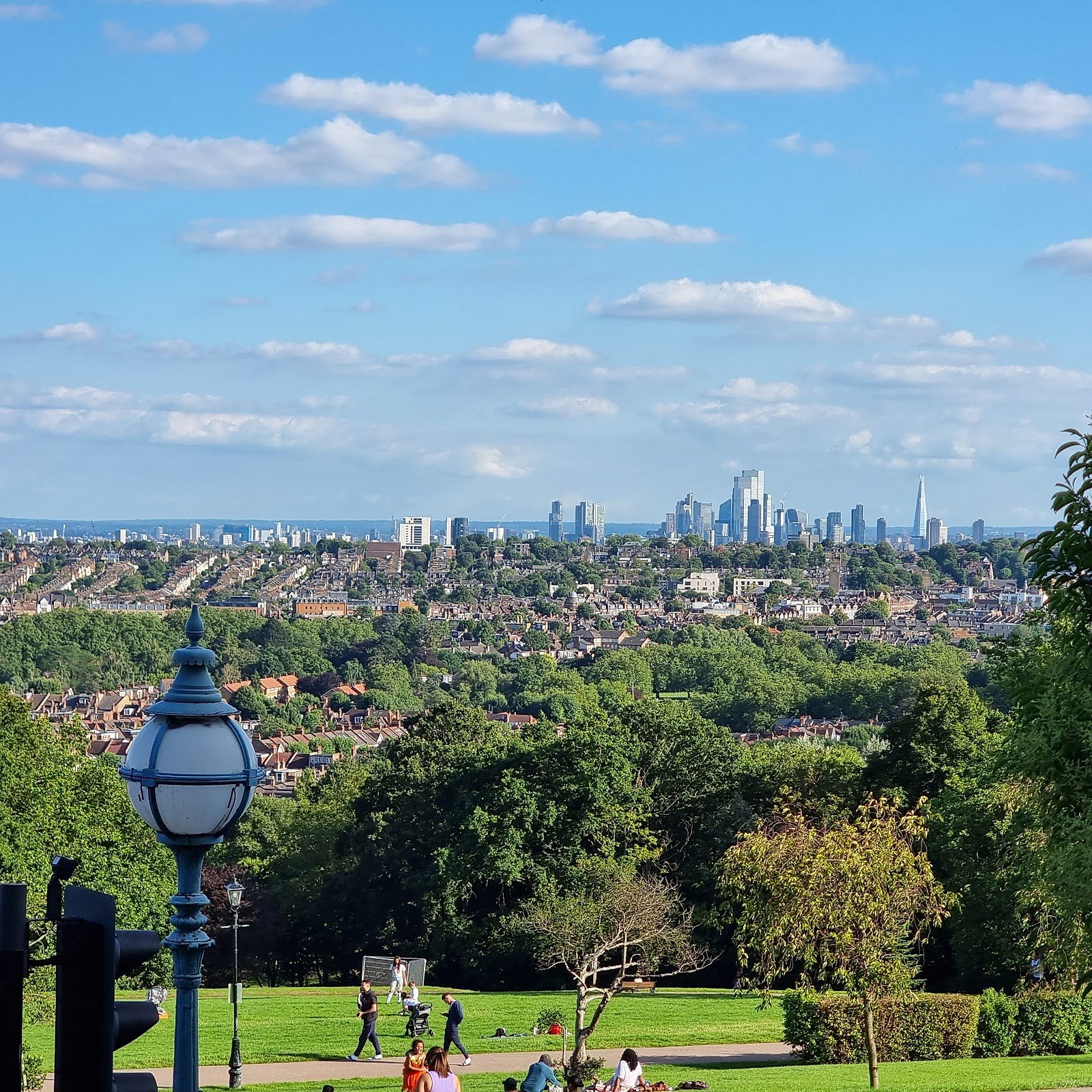
The PDC World Darts Championship at Alexandra Palace runs from late December through to the first weekend of January. The atmosphere in the Ally Pally is one of the more genuinely surprising hospitality experiences in the country; the dress code is irrelevant, the noise is real, and the post-darts move into central London is short. Book the final night or one of the quarter-final sessions.

The Boxing Day football fixtures across the Premier League extend into the first weekend of January. Treat them as the easy diary refresher after the Christmas holidays.
February: the rugby starts
The Six Nations opens in early February with the first weekend of fixtures. England play at Twickenham every other year; the away years are still excellent hospitality bookings, just in Edinburgh, Cardiff, Paris, Rome or Dublin. The autumn-internationals crowd carries over; the catering at Twickenham is at its strongest for the Six Nations Saturday lunchtime kickoffs.

March: Cheltenham Festival

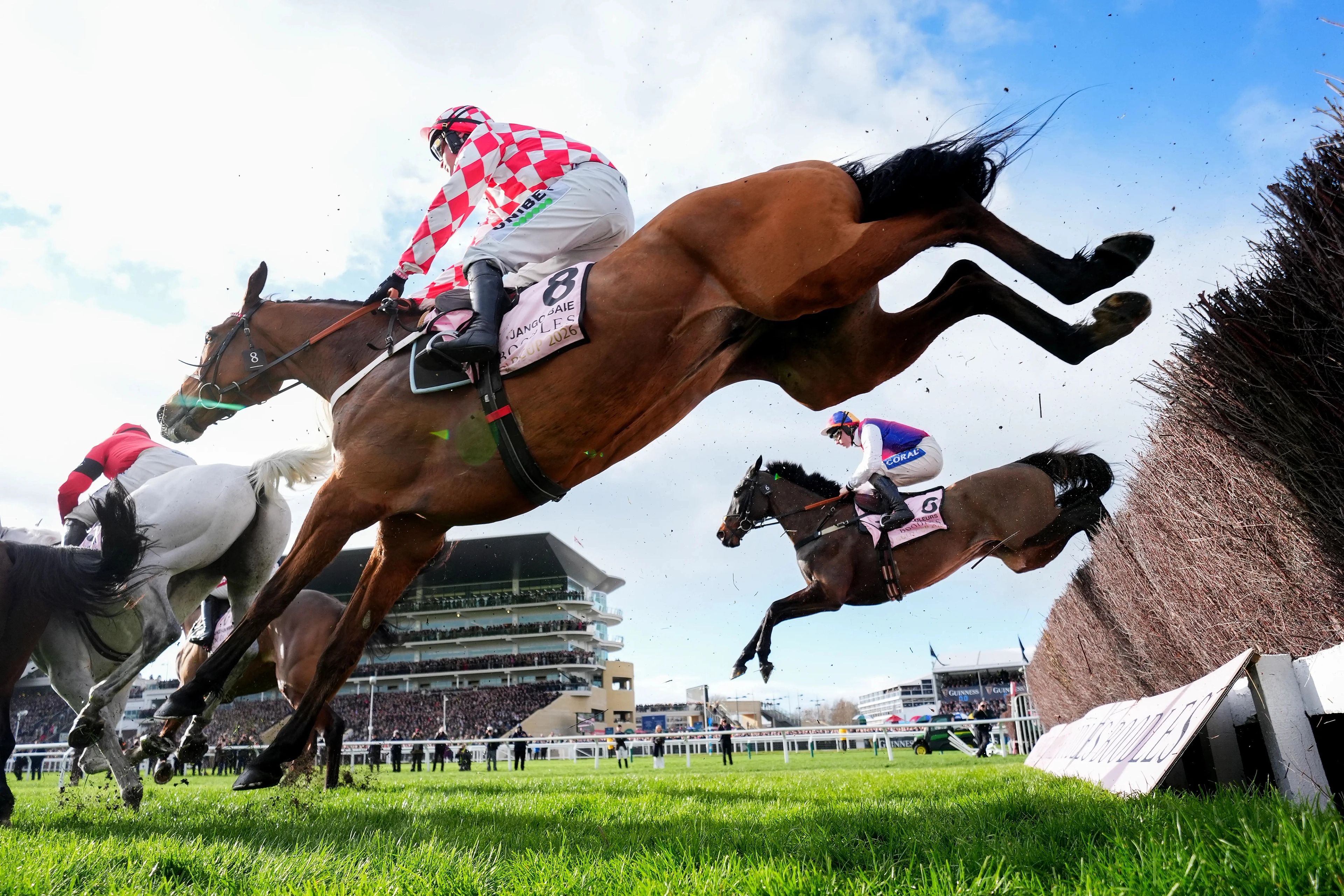
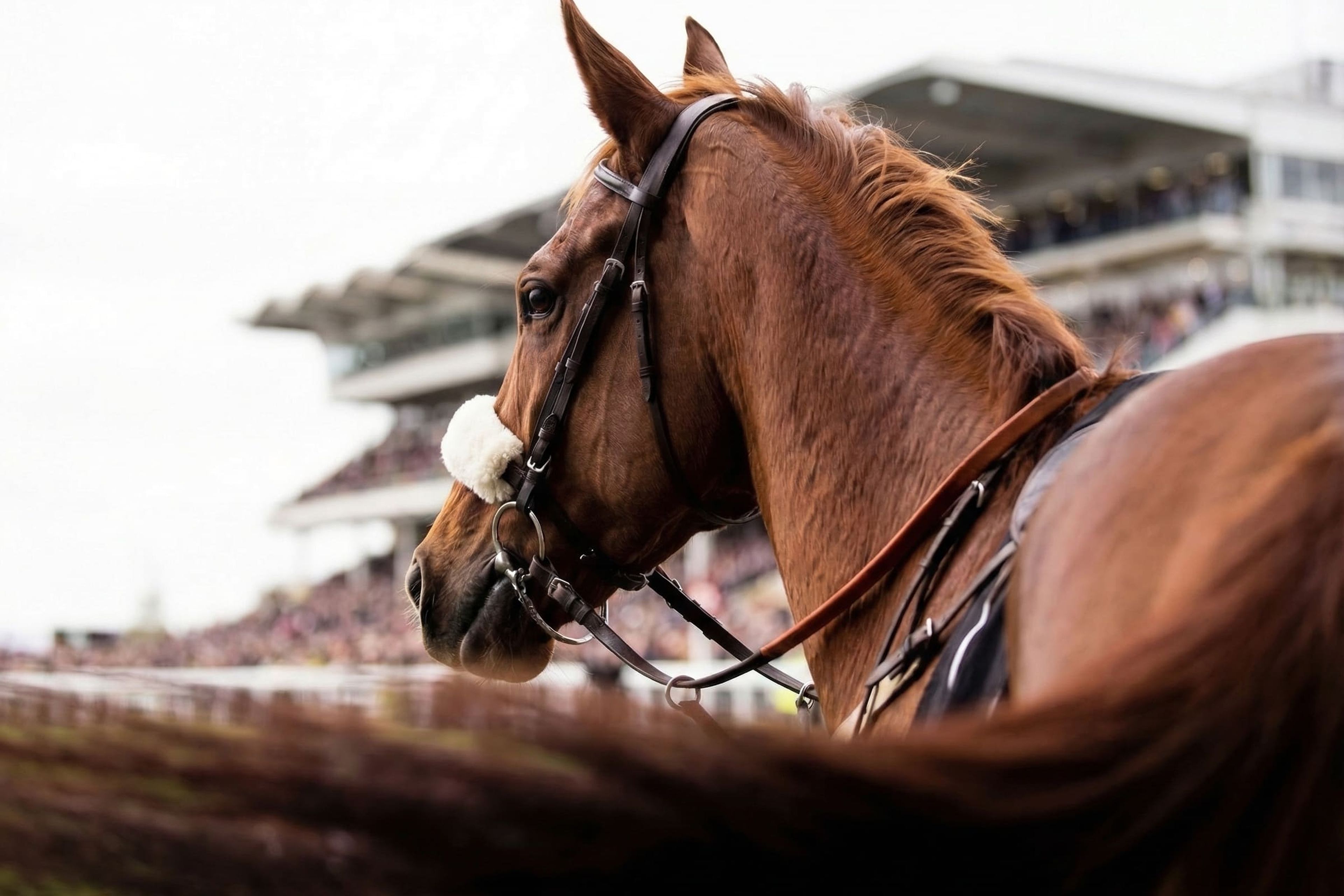
Cheltenham Festival in mid-March is the biggest week in the National Hunt racing calendar. Four days of jumps racing, the Gold Cup on the Friday, the Tweed-and-Guinness atmosphere that the Festival has owned for a century. Book the Wednesday Champion Hurdle day or the Friday Gold Cup; the Tuesday and Thursday are quieter days for the corporate crowd that wants the Festival without the absolute peak.
April: the Grand National
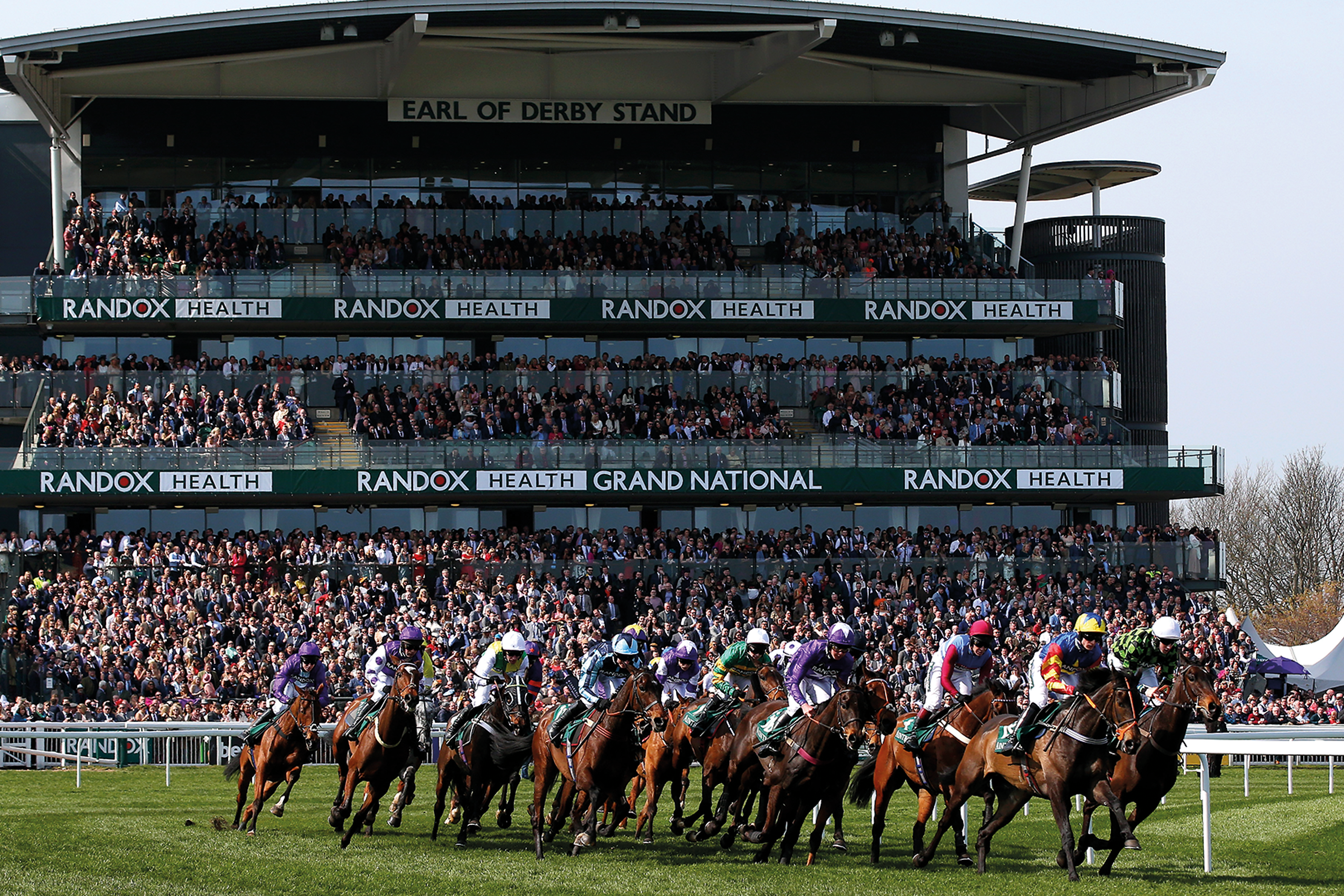
Aintree's three-day Grand National meeting in early April closes the National Hunt season. The Saturday National itself is the most-watched horse race in the British calendar; the Thursday and Friday support cards are excellent hospitality days in their own right. Catering quality has improved markedly over the last five years; the Liverpool city break that pairs with the meeting is the underrated bit.
May: Monaco and the Derby
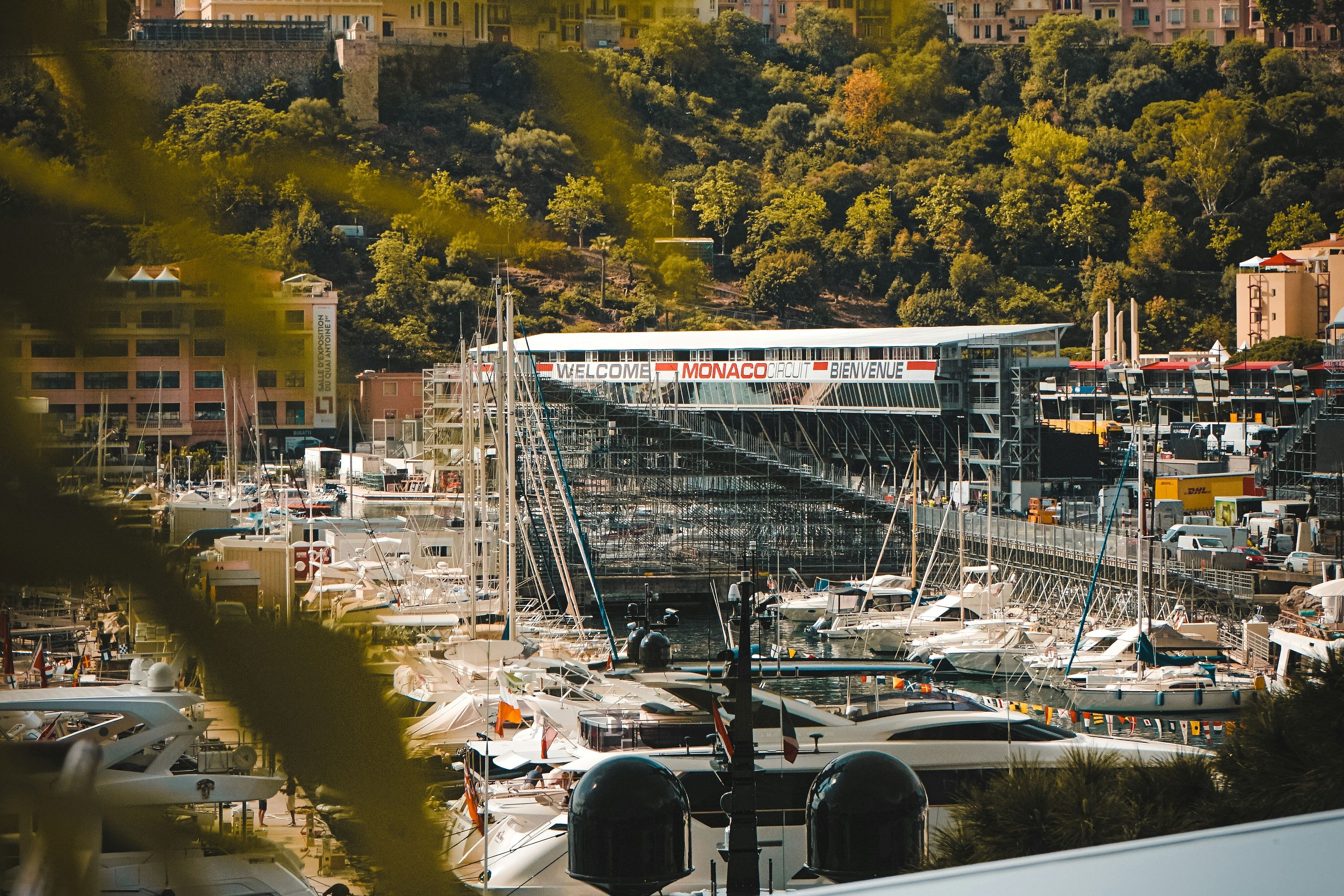
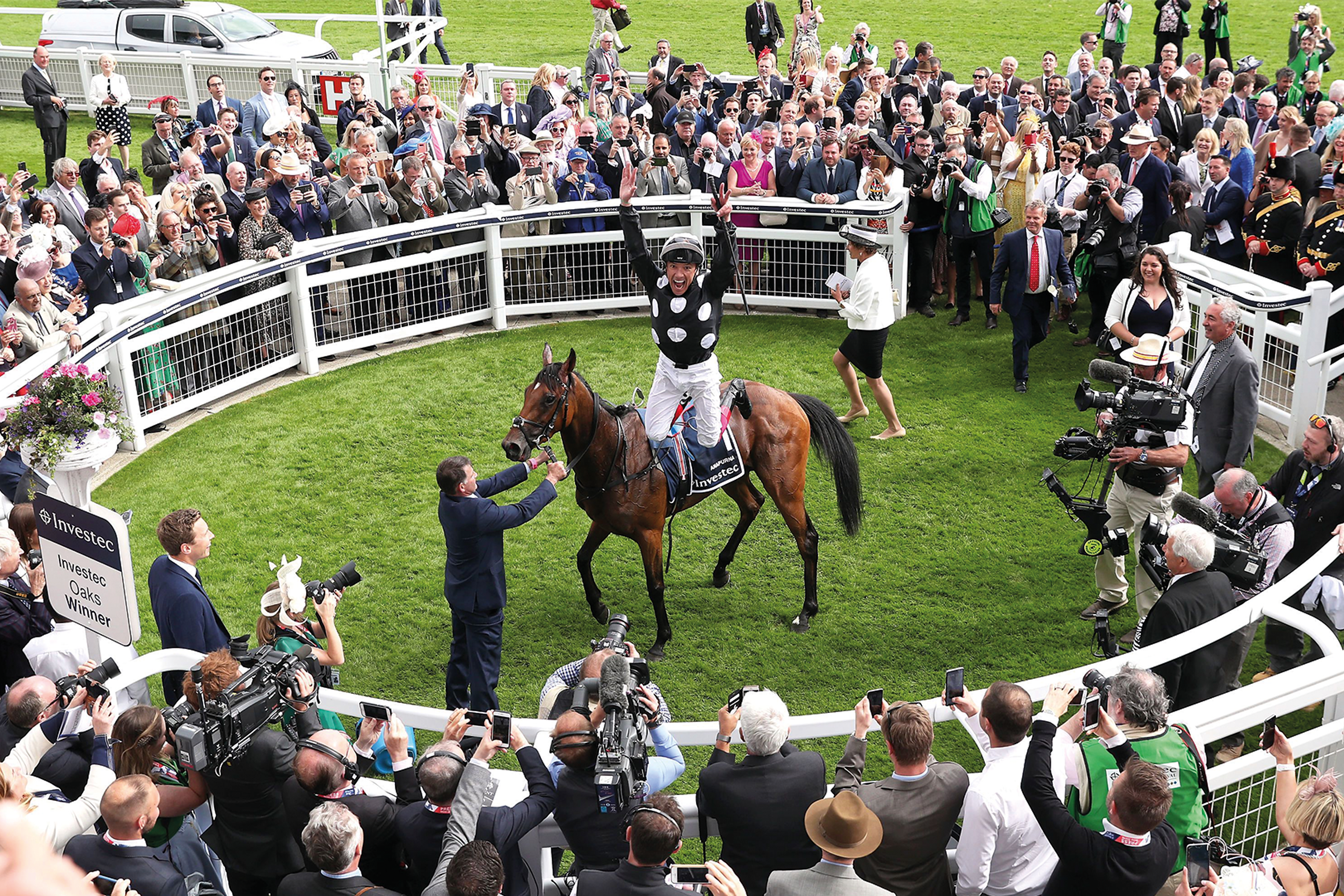
Monaco Grand Prix is the canonical May trip. The Derby at Epsom on the first Saturday of June (occasionally late May) is the flat-racing equivalent; the Tattenham Corner curve and the post-race train back to Waterloo are part of the brief. The same diary will hold both if the team is willing to take two consecutive weekends out.
June: Royal Ascot and the Queen's Club Championships
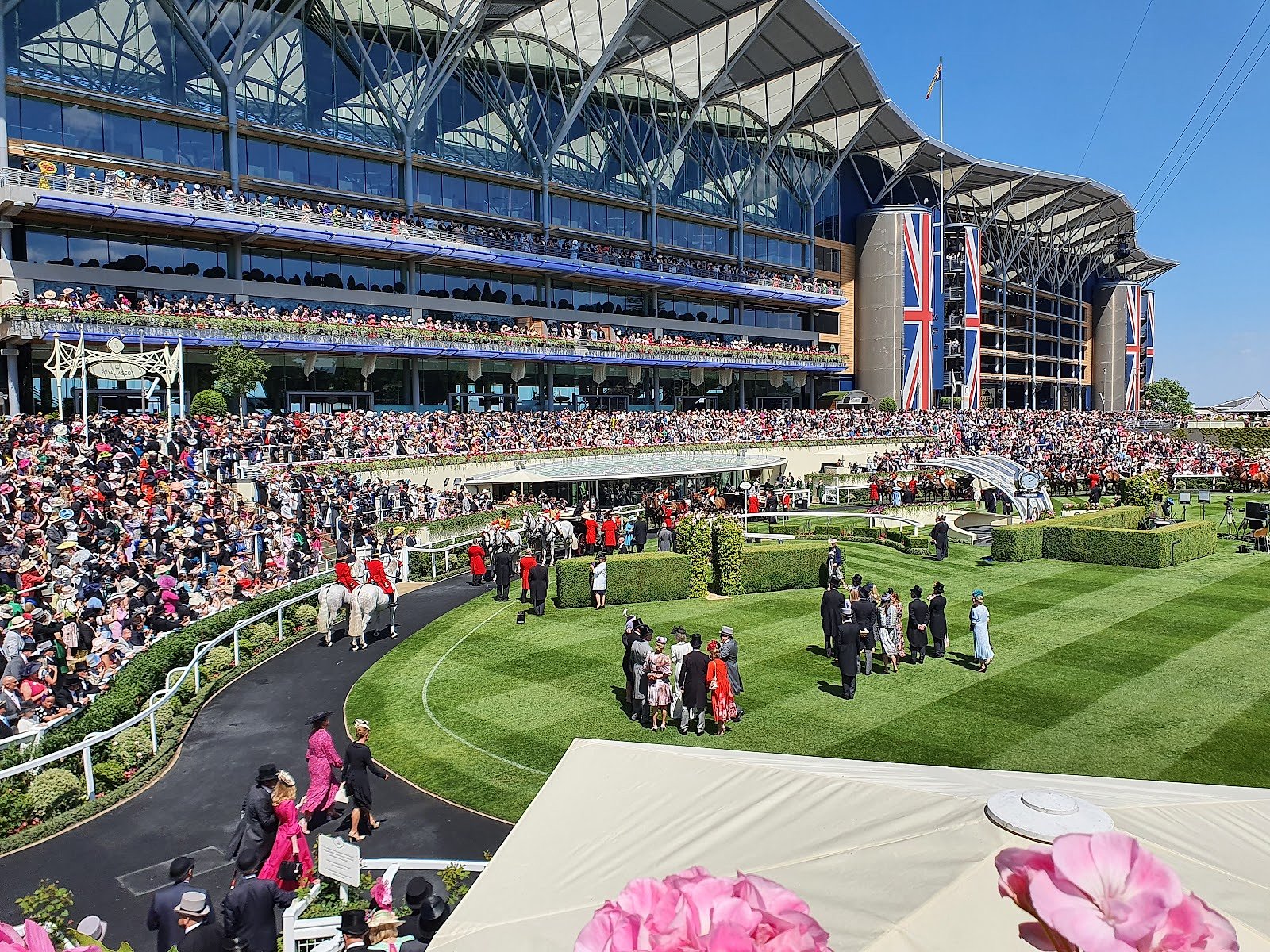
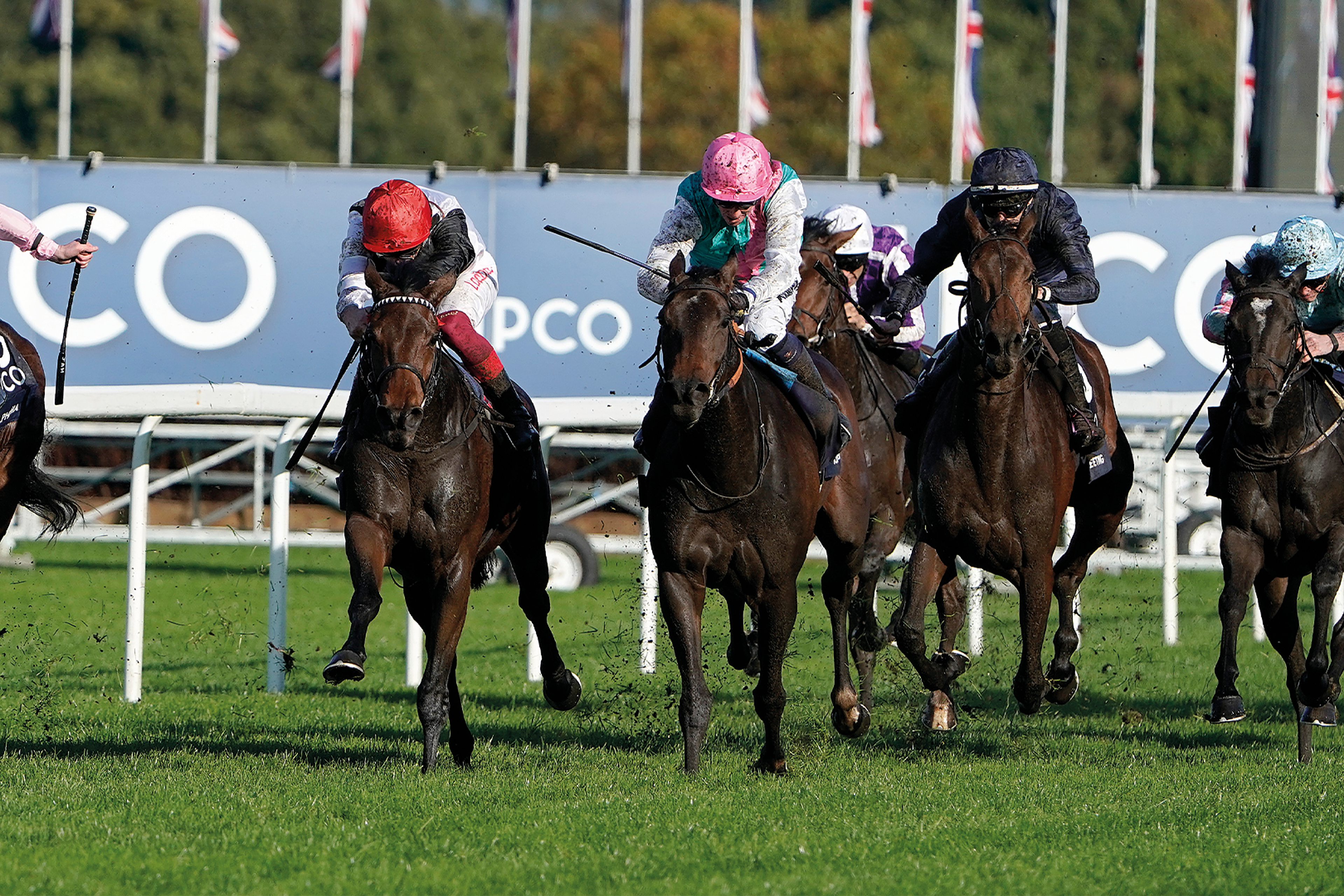
Royal Ascot in mid-June is the canonical British corporate day out. Five days of flat racing, morning suits and day dresses, the Royal Enclosure, the parade ring, the carriage procession. Book the Thursday Ladies' Day or the Saturday Diamond Jubilee Stakes; the Tuesday and Friday are quieter days for the buyer who wants the brand without the absolute peak.

The Queen's Club Championships the week before Wimbledon are the connoisseur's grass-court warm-up. Small crowd, big draw, the Hurlingham-adjacent setting. The corporate hospitality footprint is small but the bookings sell out by Easter; plan early.

July: Wimbledon, the British Grand Prix, the Open
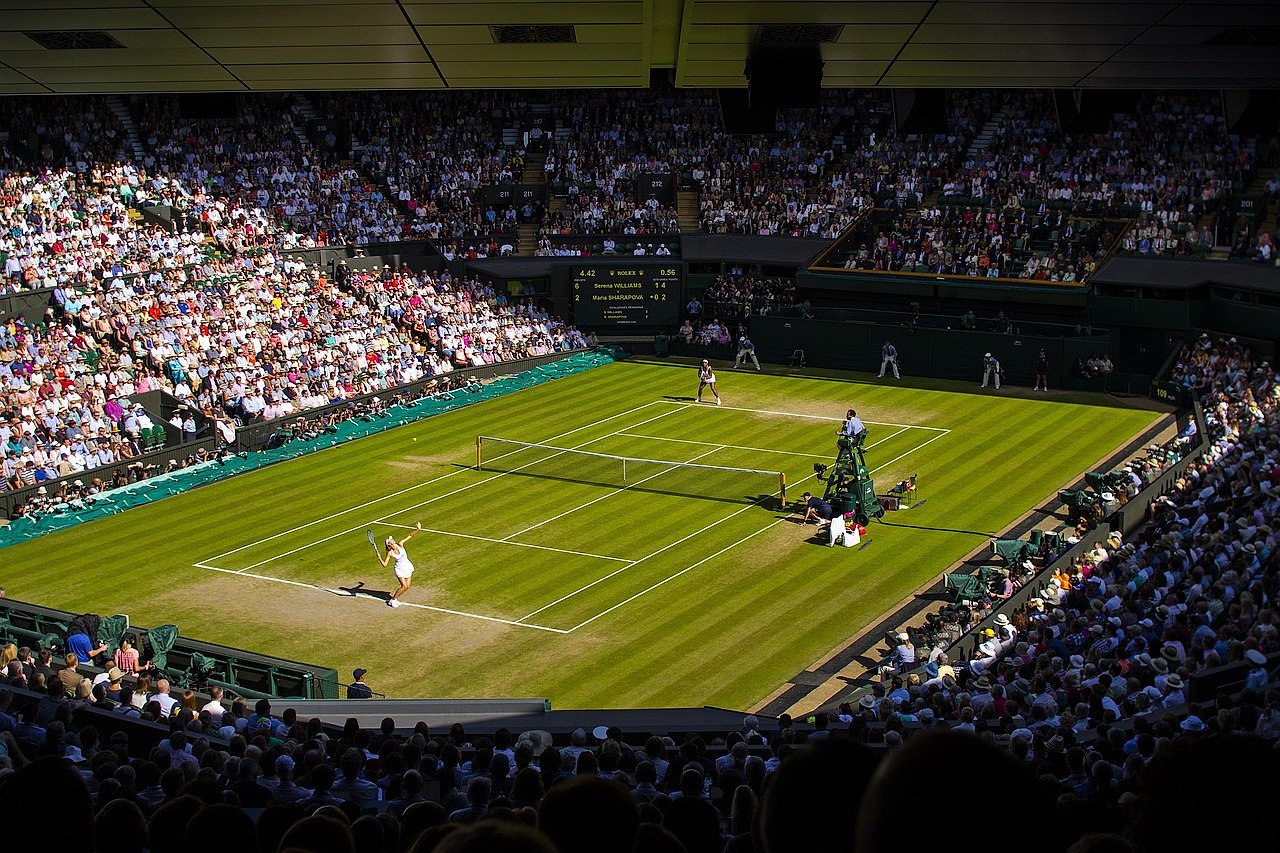
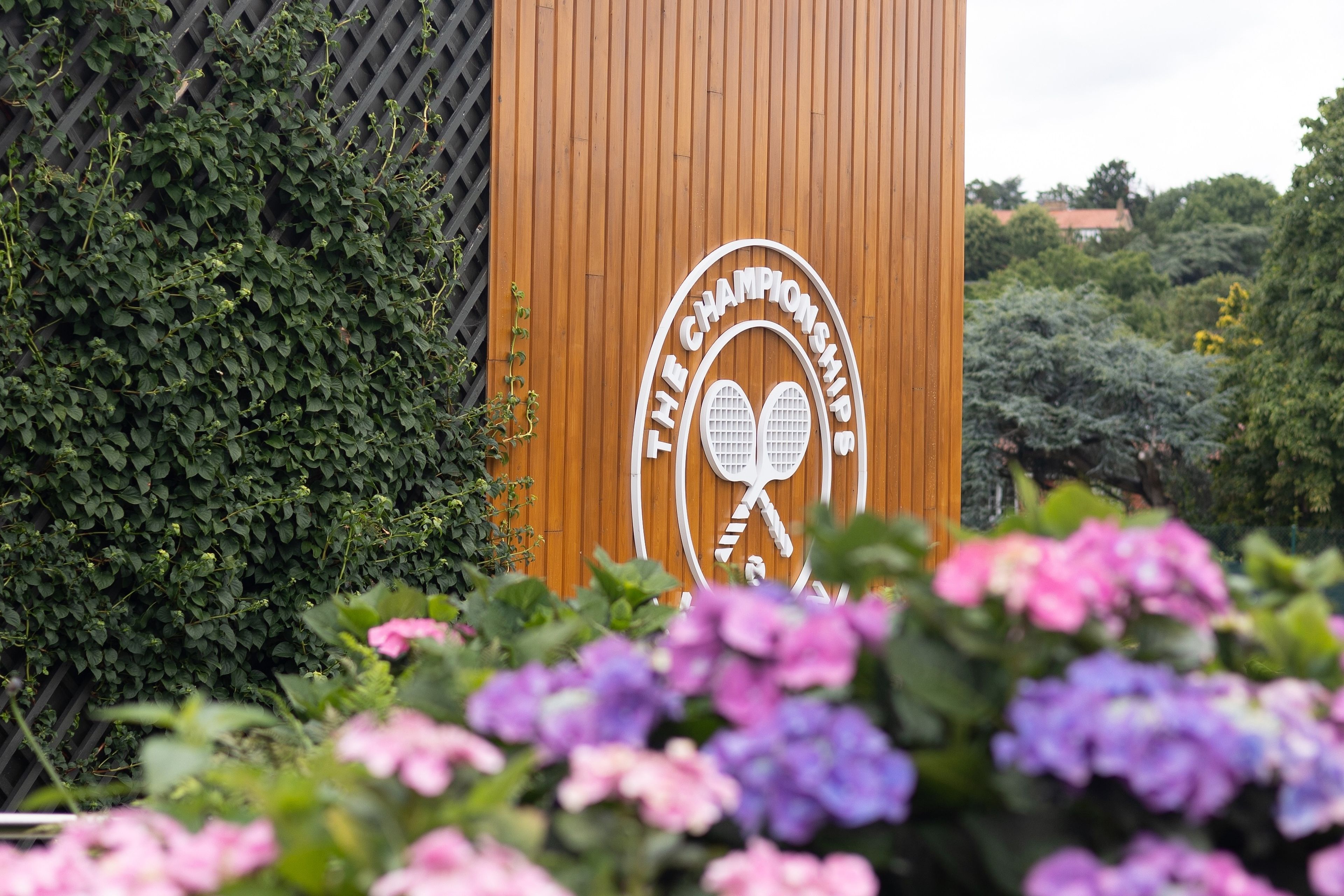
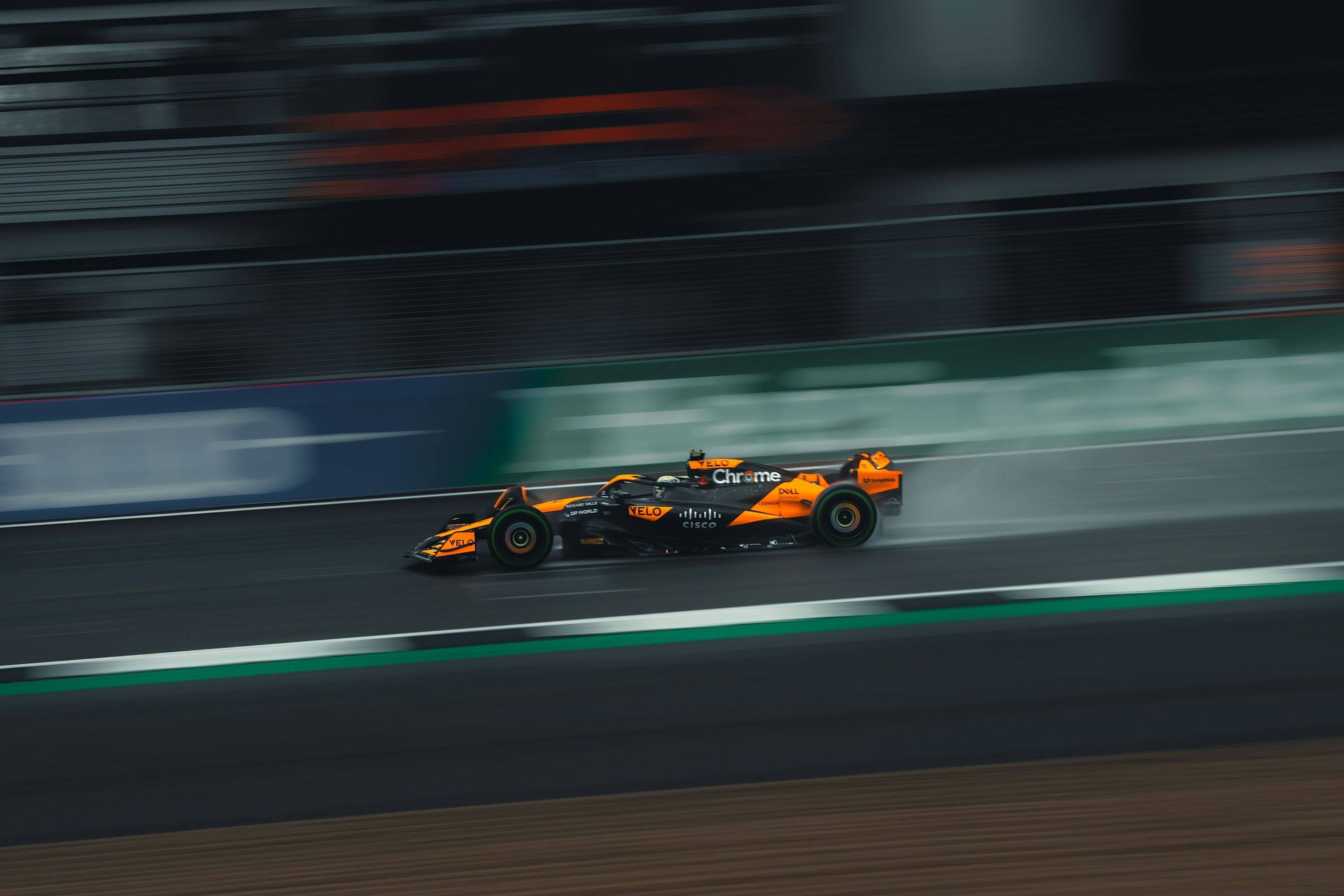
Three of the year's biggest fixtures inside three weeks. The Championships at Wimbledon run for the first two weeks of July; book the second-week middle Saturday for the most reliably good tennis. The British Grand Prix at Silverstone falls in early-to-mid July. The Open Championship in late July rotates around UK courses; the venue is published years ahead.

August: Glorious Goodwood

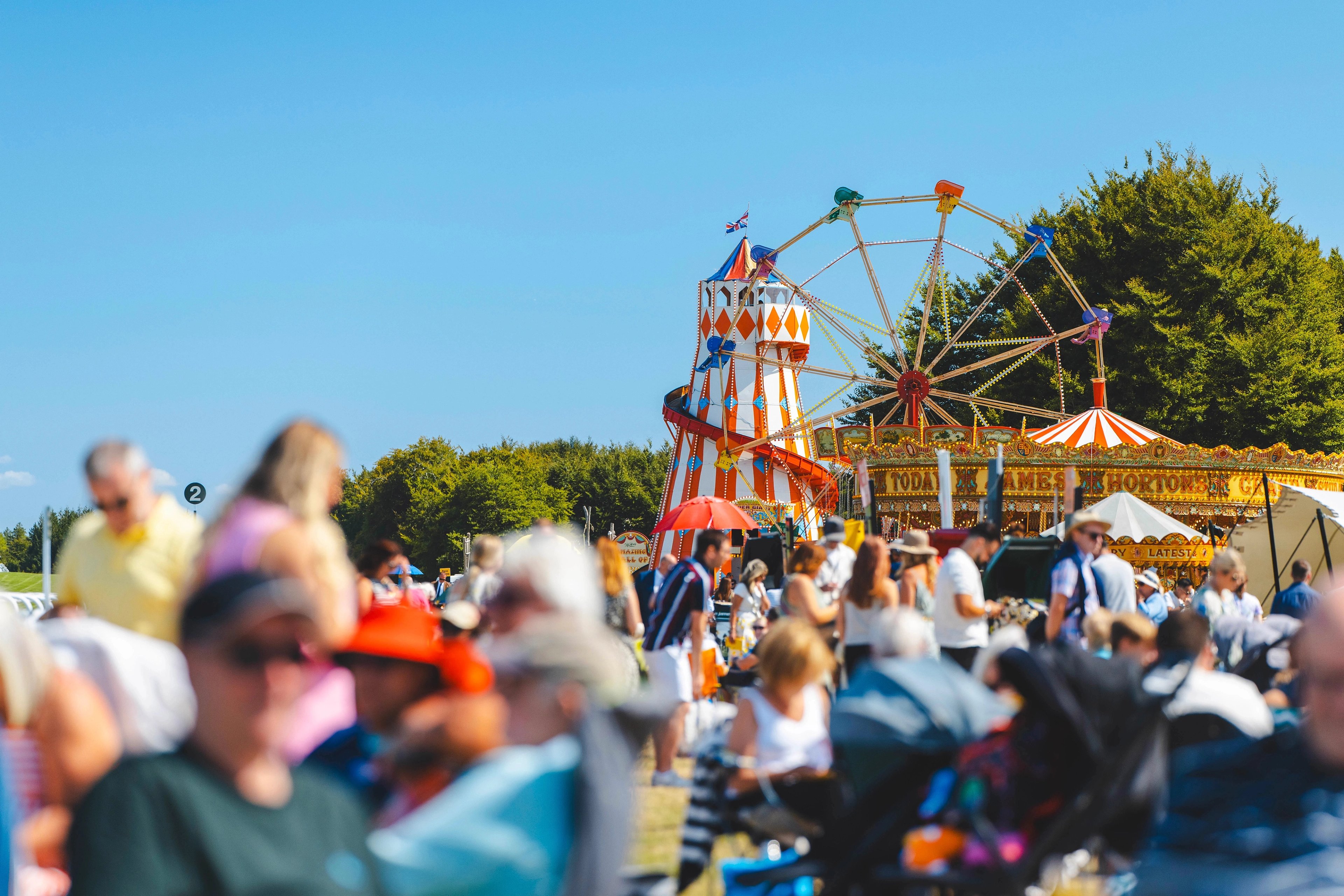
Goodwood's five-day Qatar Goodwood Festival in early August is the country-house version of the flat-racing summer. The hill behind the grandstand, the linen-and-Panama dress code, the Sussex Downs views. The Saturday Sussex Stakes day is the marquee fixture; the Tuesday and Friday are the easier corporate-hospitality days.

September: Test cricket and the Premier League restart
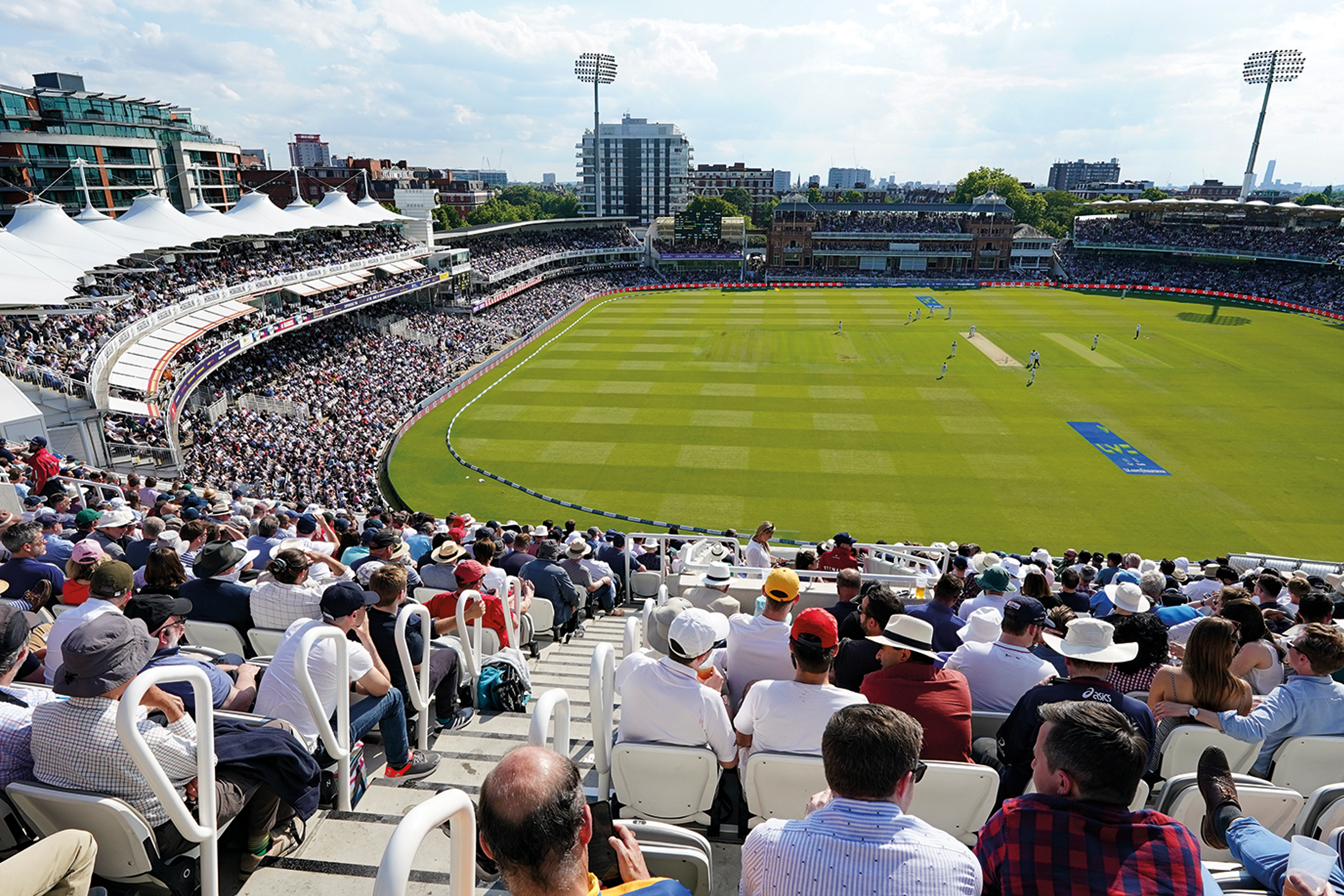
Test cricket reaches its English-summer peak in late August and September. The Oval, Lord's, Edgbaston, Old Trafford and Trent Bridge host the season's closing Test matches. ICE books the England v India Test Series and several other tier-one fixtures; a Saturday at the Oval with the right opposition is one of the year's best sporting days.
The Premier League restarts in mid-August and reaches a Saturday three o'clock rhythm by mid-September. The away-day version of a Premier League booking (taking a London client to Old Trafford or the Etihad) carries weight that the home-ground version lacks.
October and November: the Autumn Internationals

The Autumn Internationals rugby fixtures at Twickenham run from late October through to the first weekend of December. England play four matches across the window against rotating tier-one opposition. The catering at Twickenham is at its strongest for the autumn Saturday lunchtime kickoffs; the post-match move into the West End is short.
December: King George Day and the Christmas football
Ascot's King George Diamond Day on Boxing Day-adjacent dates is the year's final marquee racing day. Royal Enclosure dress code applies; the catering is at the Festival-level standard. The post-Boxing Day Premier League fixtures fill out the second half of the month.




How the year sorts by type
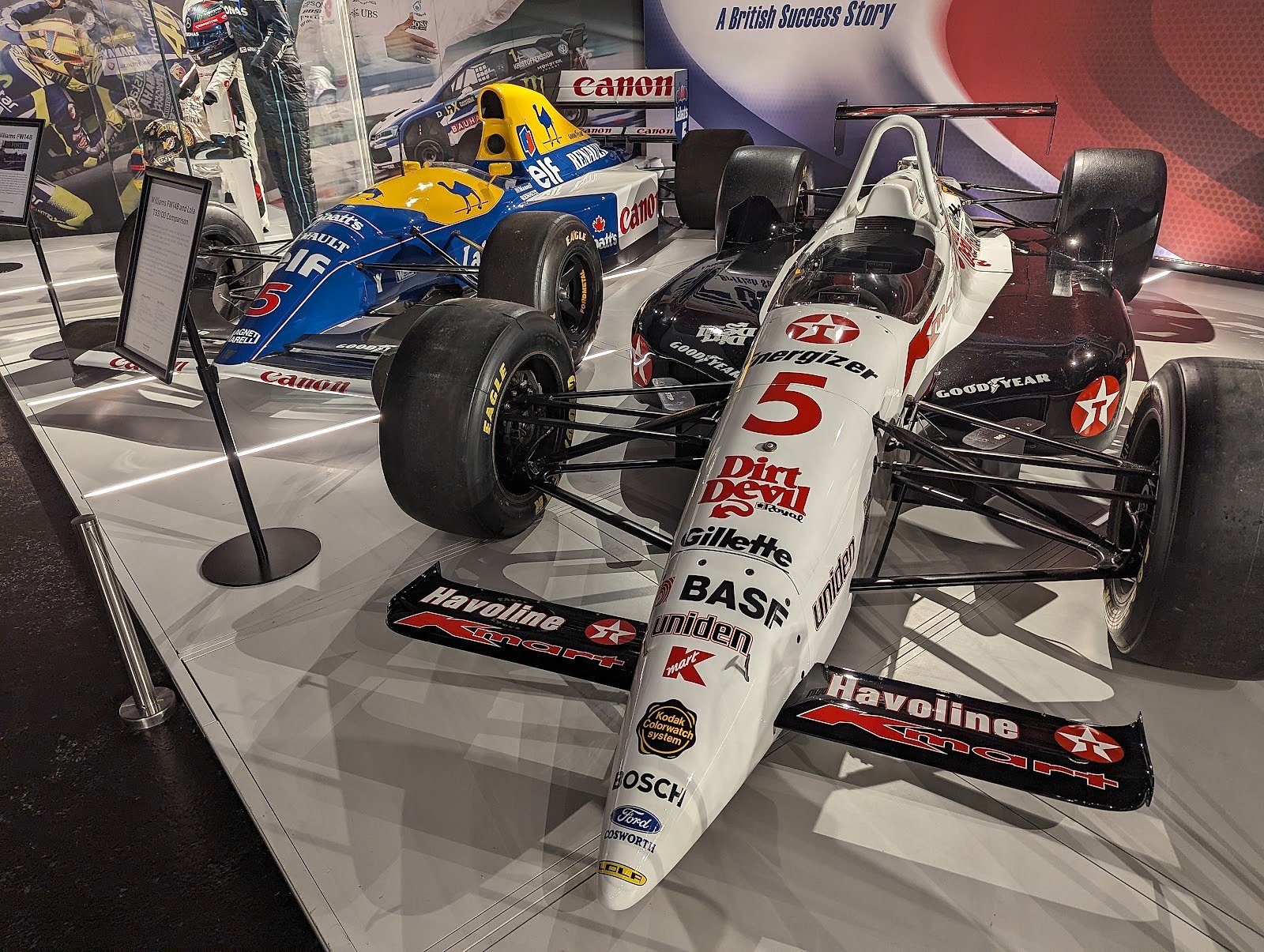
- Marquee months: March, June, JulyCheltenham, Royal Ascot, Wimbledon plus the British GP. Book by January at the latest; the senior-client diary fills fast.
- Easy diary months: January, February, DecemberDarts, Six Nations openers, King George Day. Easier to slot a senior-client invite into.
- Outdoor summer: August, SeptemberGlorious Goodwood for the racing crowd, Test cricket for the connoisseur, the Premier League restart for the football fan.
- Brand-led months: May, JuneMonaco, Royal Ascot, the Derby. The trips that travel home with the guest list.
- Travel-included months: JulyWimbledon and the Open require a hotel stay to work properly. Plan accordingly.
“The mistake is treating the calendar as twelve equal months. Three months do most of the heavy lifting and the rest are about keeping the rhythm going.”

Cameron Cleaver
Senior Account Manager
Senior Account Manager at Imperial Corporate Events, building long-term client relationships across the UK sporting calendar.