The Epsom Derby was an amazing…
The Epsom Derby was an amazing experience. The booking process was seamless and everything went just as expected. I can't recommend Imperial enough
Elliot M21 Jun 2021

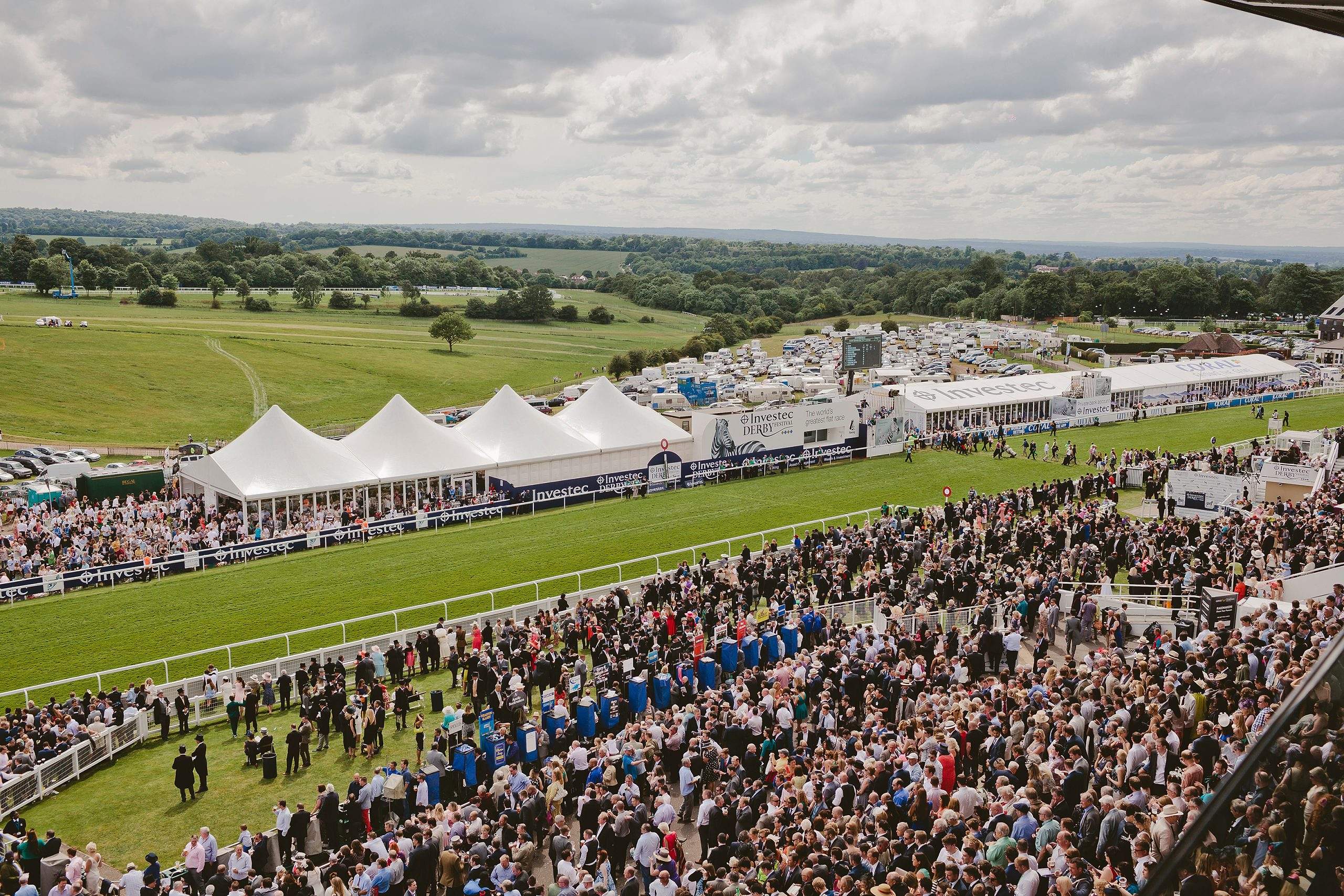
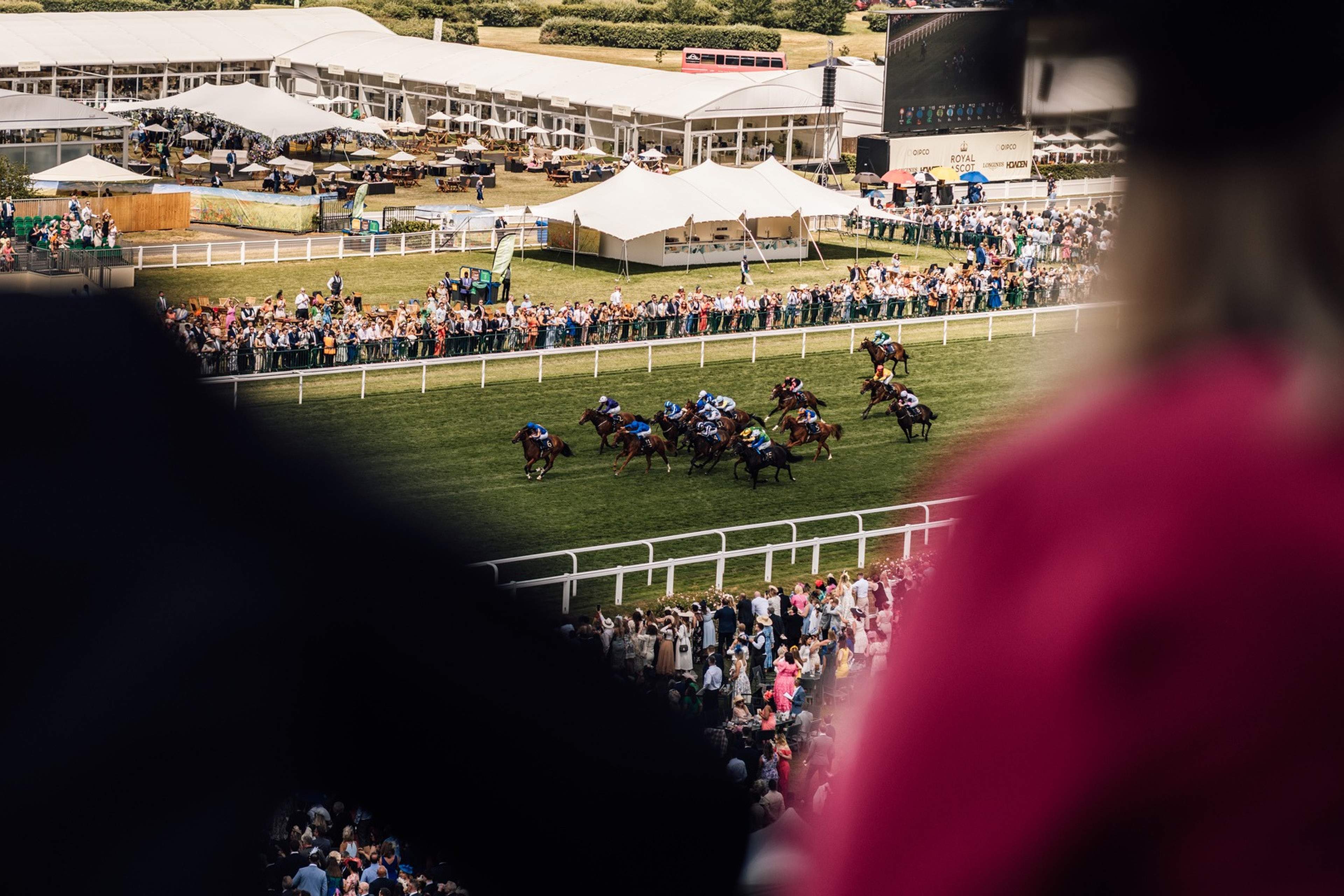
The Tattenham Straight Marquee offers a glass-fronted setting with a private terrace right by the final furlong at Epsom Downs. A Pimm’s reception, three-course "Best of British" lunch, afternoon tea, and inclusive bar are all part of your Derby Festival day.
From the Pimm's reception through to the DJ after party, the day runs start to finish with no gaps, making it easy to keep a mixed client group entertained throughout.
The glass-fronted marquee sits on the Tattenham Straight, so guests watch the race reach its critical point from a private terrace without competing with the main Grandstand crowds.
Private terrace views, Pimm's reception, and 3-course lunch at Epsom.
Fri 4 Jun - Sat 5 Jun 2027
4.9
104 reviews
Across our horse racing experiences, clients praise the access and run of the day.
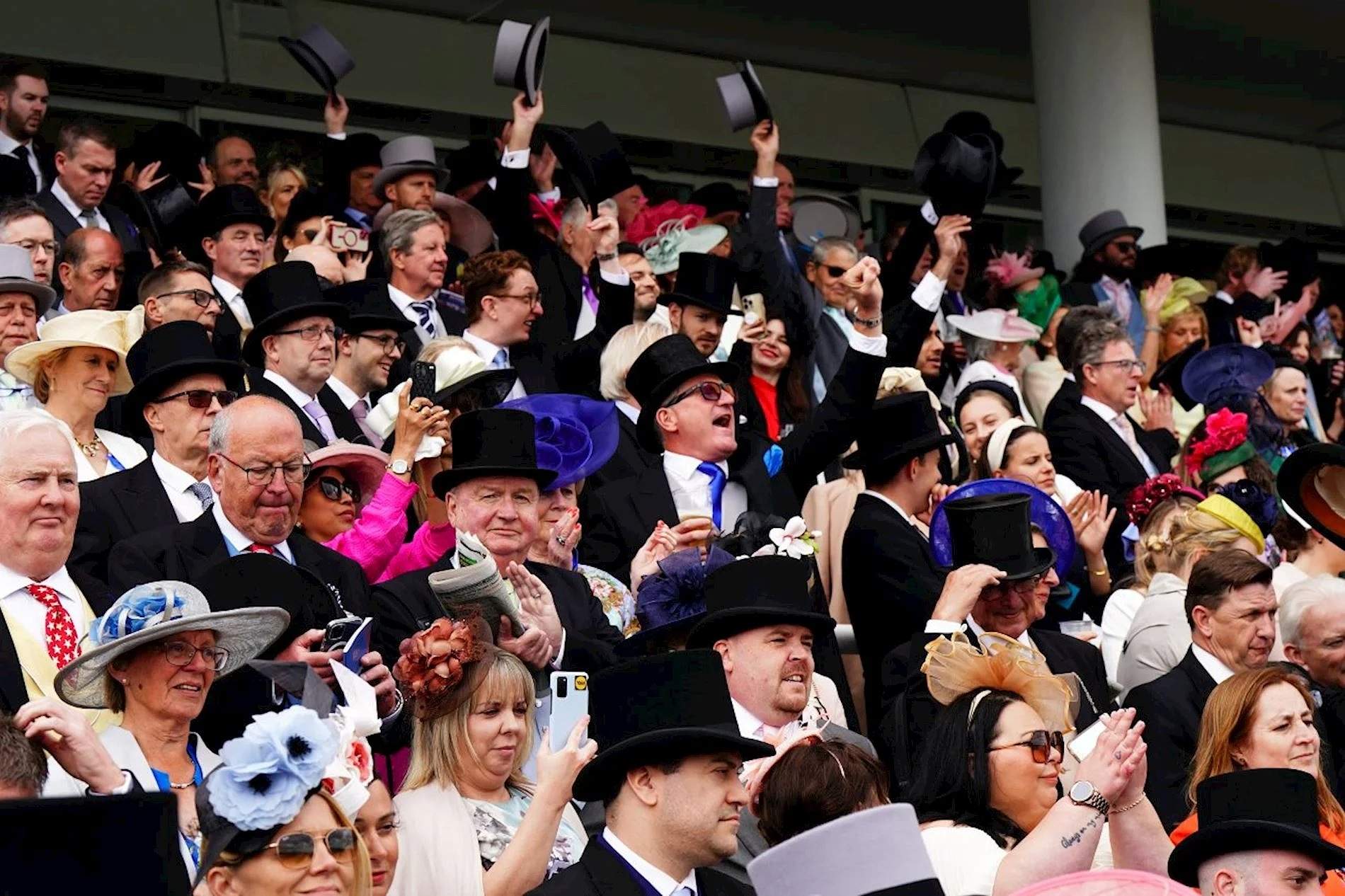
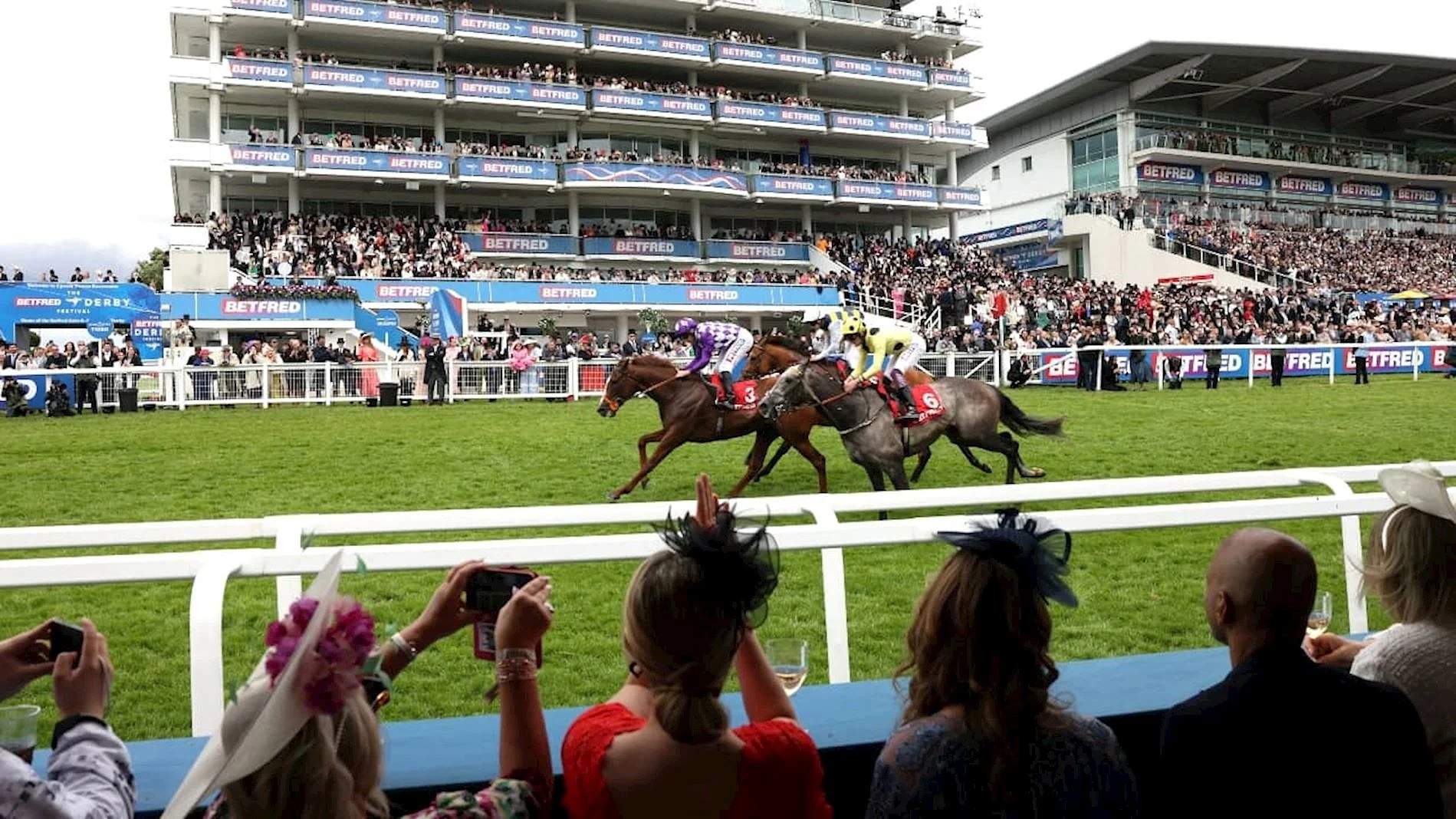
Across our horse racing experiences, clients praise the access and run of the day.
4.9
(104)
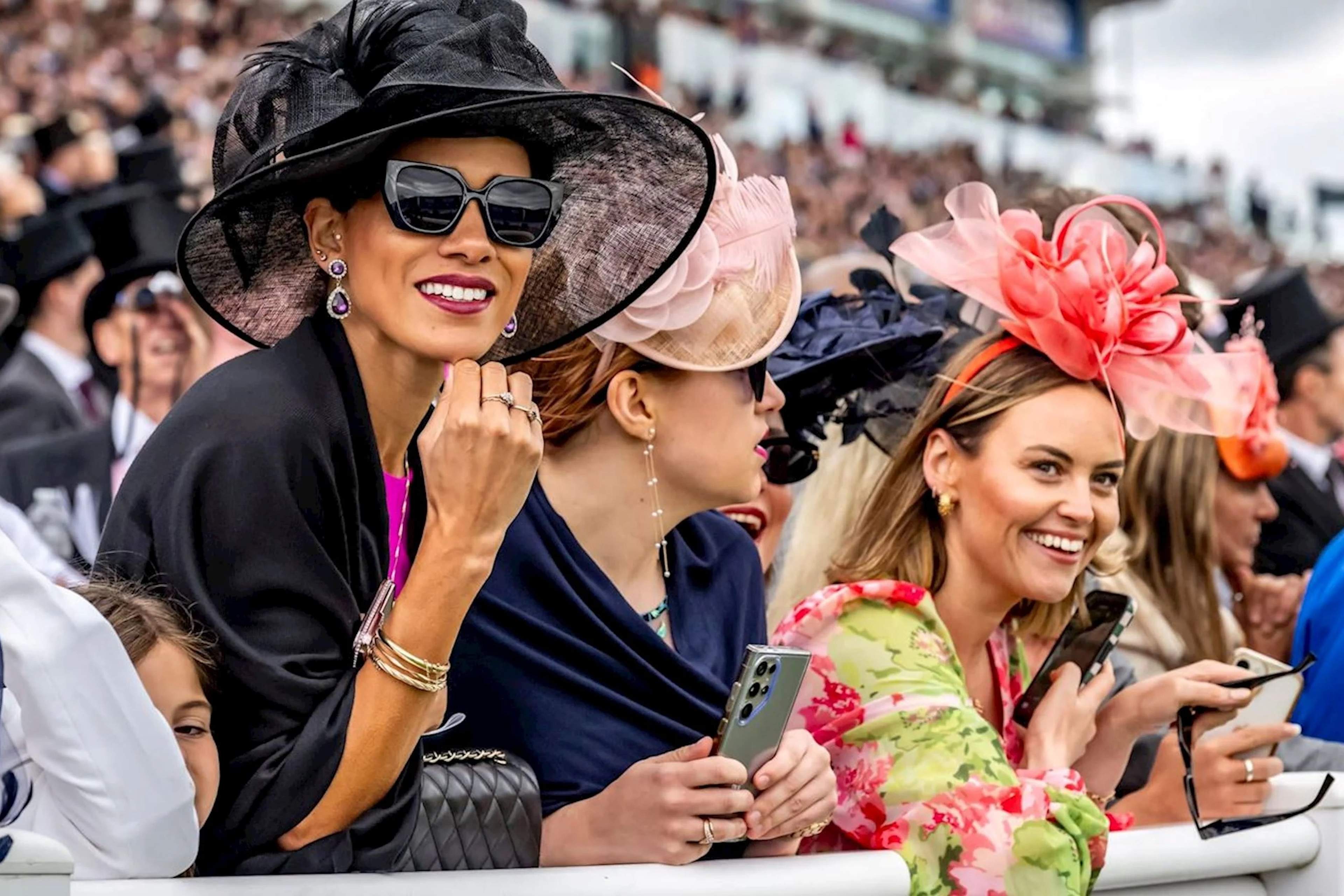
Ladies Day
Friday's card opens the meeting and is traditionally Ladies Day at Epsom. The Coronation Cup and the Oaks are the two Group 1 races on the bill.
Hospitality in the Tattenham Straight Marquee at Epsom Downs, trackside on the home straight.
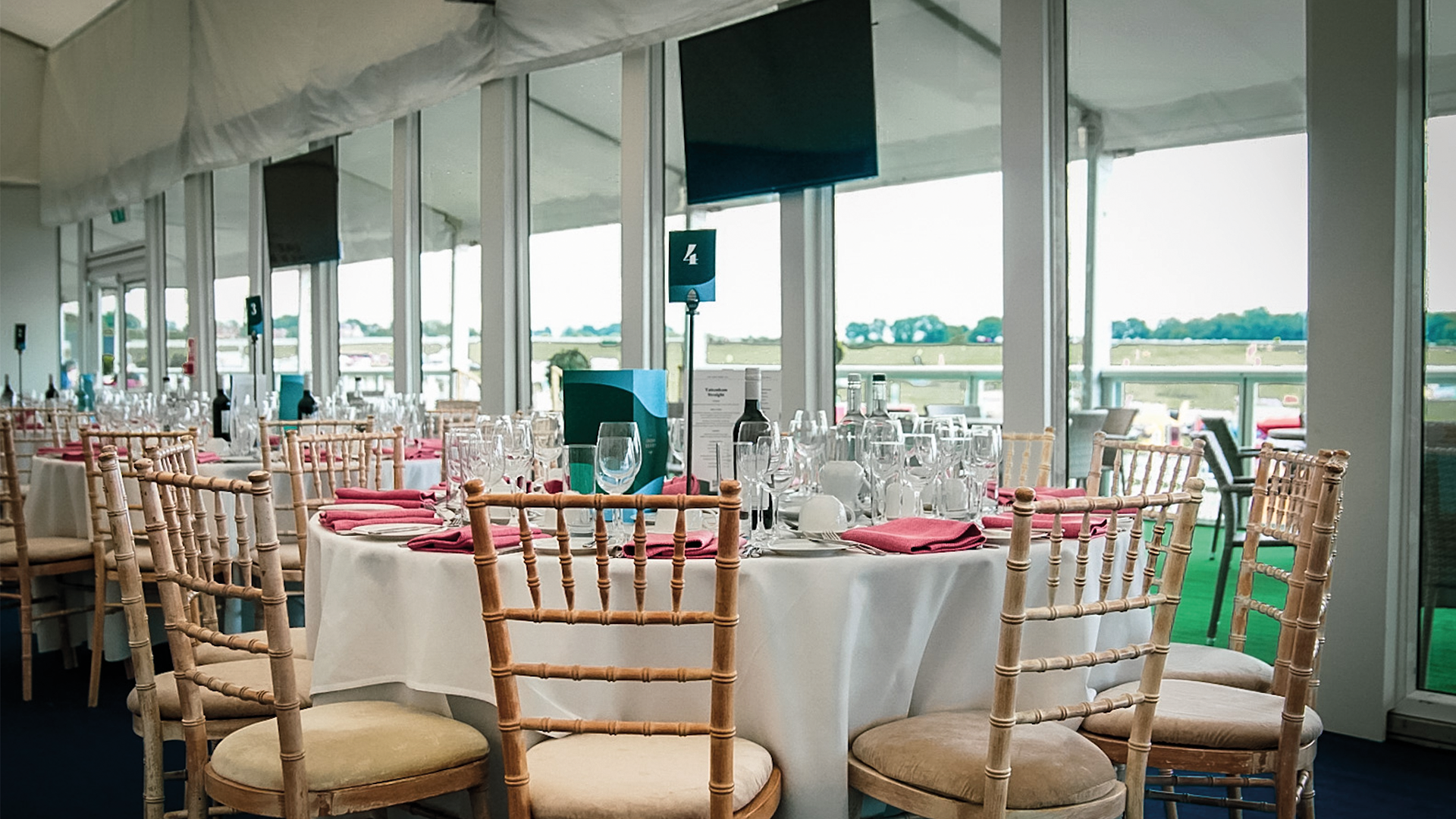
Glass-fronted terrace on the final furlong at Epsom
Included as standard
Facility tipster
On hand through the racing.
Hospitality
Tattenham Straight ticket and hospitality badge
Your entry credential. Issued in a minimum of pairs.
Grandstand and Tattenham Enclosure admission
Issued in a minimum of pairs.
Access to Paddock and betting ring
Hospitality within the Tattenham Straight Marquee
Glass-fronted marquee with a private terrace by the final furlong.
Private table for 10 guests
Smaller parties accommodated on a shared basis.
Viewing balcony
Overlooks the downs on Tattenham Straight.
TV screens for racing action
Within the marquee.
Welcoming Pimm's reception
Three-course Best of British set menu
Served in the marquee before racing.
Epsom
16°
Rain showers
Our best tips
June at Epsom sits in Surrey's mid-to-high teens. UK weather stays unpredictable, but our hospitality suites keep you dry and comfortable whatever the skies deliver. Pack a light layer just in case.
Tattenham Straight Marquee and Tattenham Enclosure have no formal dress code, but rules apply. No sportswear, sleeveless vests, or bare tops. Smart, unfrayed denim is fine. Trainers are not permitted.
Getting you on track

Completely hands-off from start to finish
Tell us what you're after and we'll plan the rest. All you have to do is show up.

Everything you need at your fingertips
Store all your experience information, tickets, and contact details in one convenient place



Add personal touches to your trip
Make a request and our team will do everything they can to make it happen
One person, one number, the whole day.
Pick the experience, pick the tier, pick the day. Your account manager handles the rest.
What our guests say
The Epsom Derby was an amazing…
The Epsom Derby was an amazing experience. The booking process was seamless and everything went just as expected. I can't recommend Imperial enough
Our company had the BEST time during…
Our company had the BEST time during the Epsom Derby. The facilities were stunning and the food was breath-taking.
More to explore
The Epsom Derby is the race that gave its name to every other Derby on earth. First run in 1780 over the undulating Surrey downs, it remains the richest flat race in Britain, the centrepiece of a two-day festival that draws everyone from the Royal Family to open-top bus parties on the Hill. The left-handed, mile-and-a-half course with its sharp descent to Tattenham Corner is a unique test of the three-year-old thoroughbred; no other Classic demands such a combination of speed, stamina and balance.
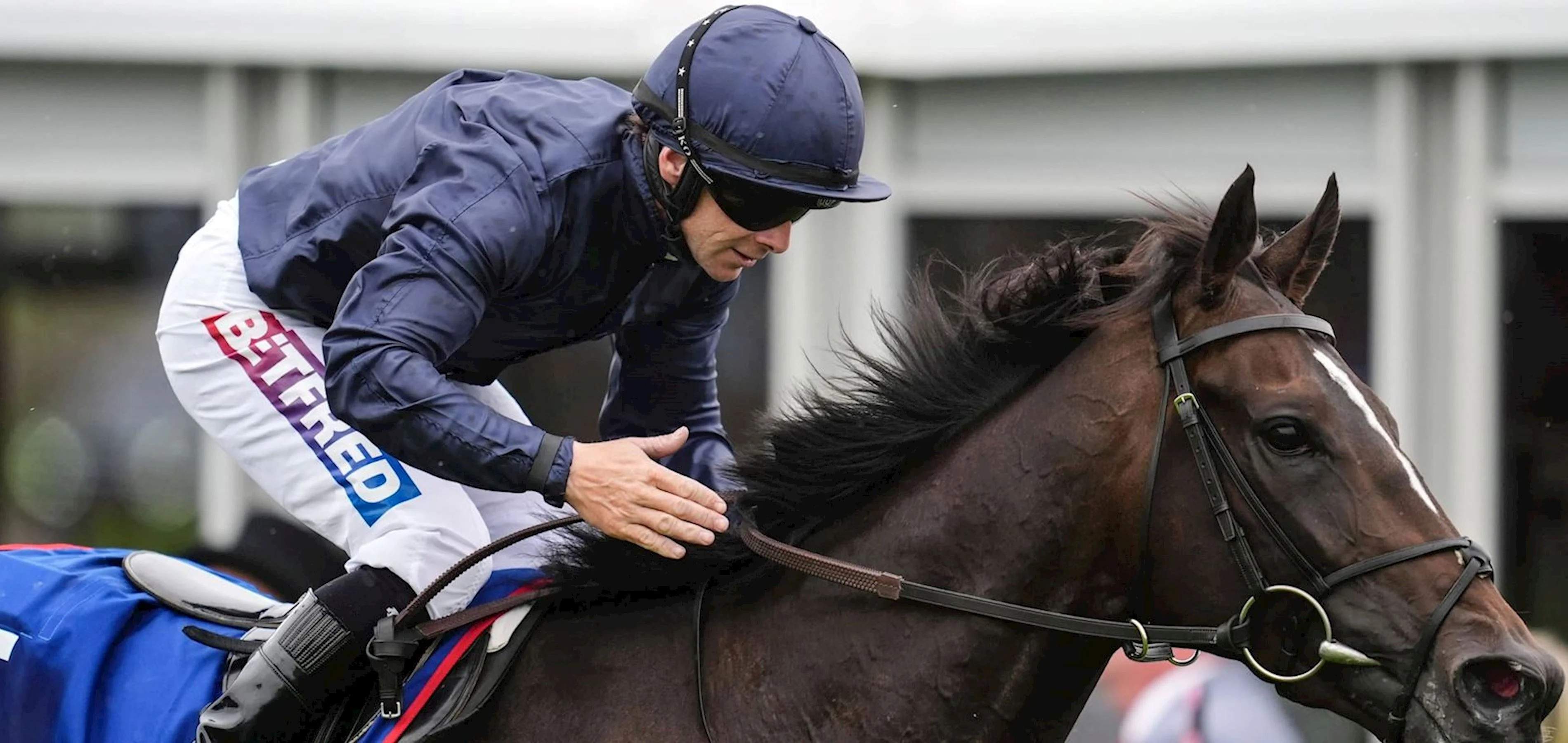
It is the Blue Riband of the Turf.
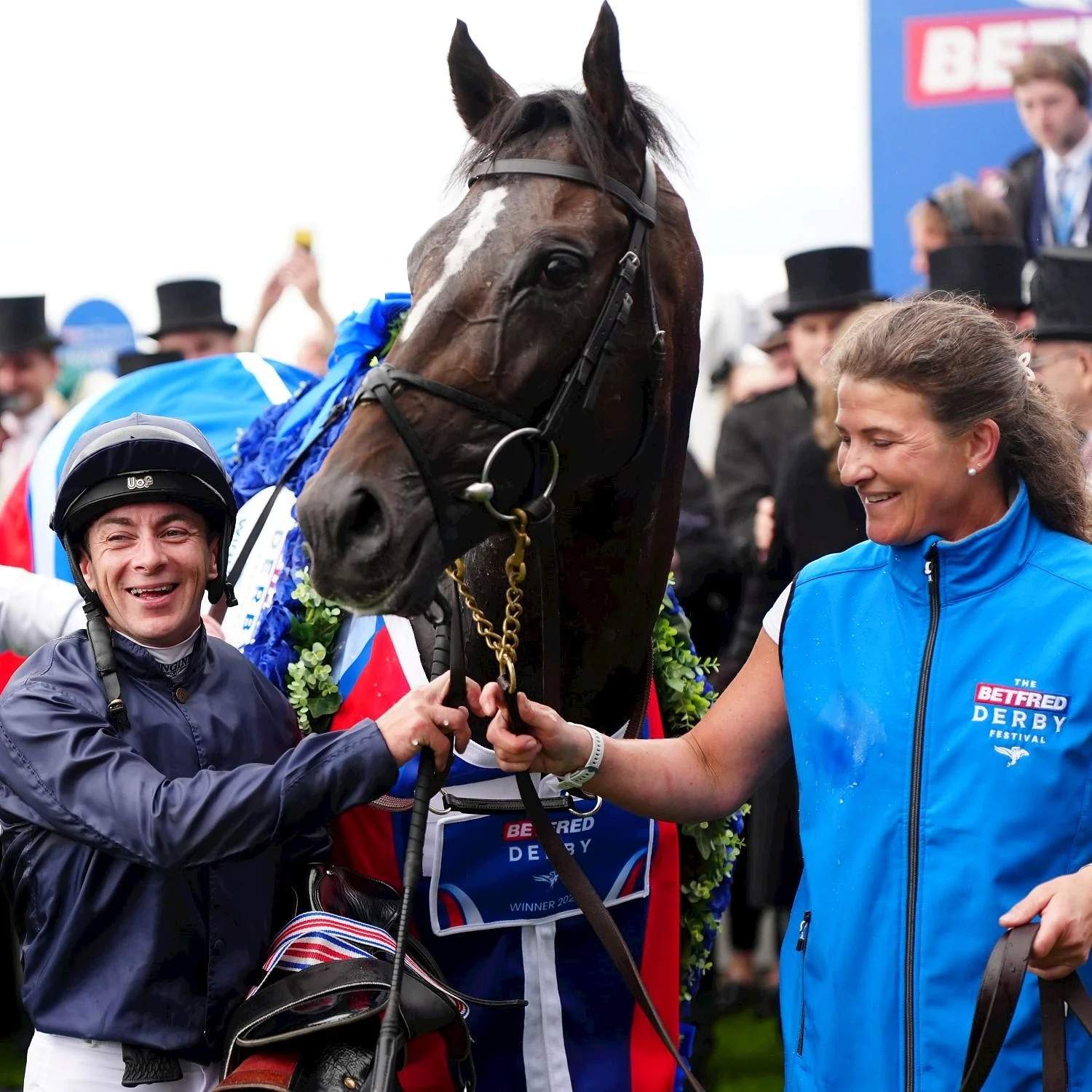
A Derby is worth any number of Classics. It is the one race that matters above all others.
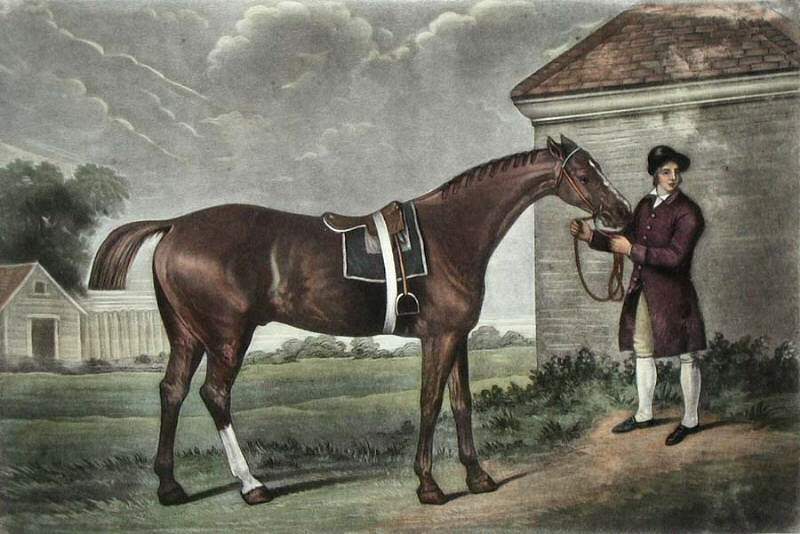
A coin toss named the world's most celebrated flat race; the loser's horse won the first running.
The 12th Earl of Derby and Sir Charles Bunbury established a new race for three-year-old colts and fillies, run over one mile on Epsom Downs. Legend has it the naming rights were decided by a coin toss; Derby won. The inaugural running on 4 May 1780 was won by Diomed, owned by Bunbury. The distance would later be extended to its current mile and a half.
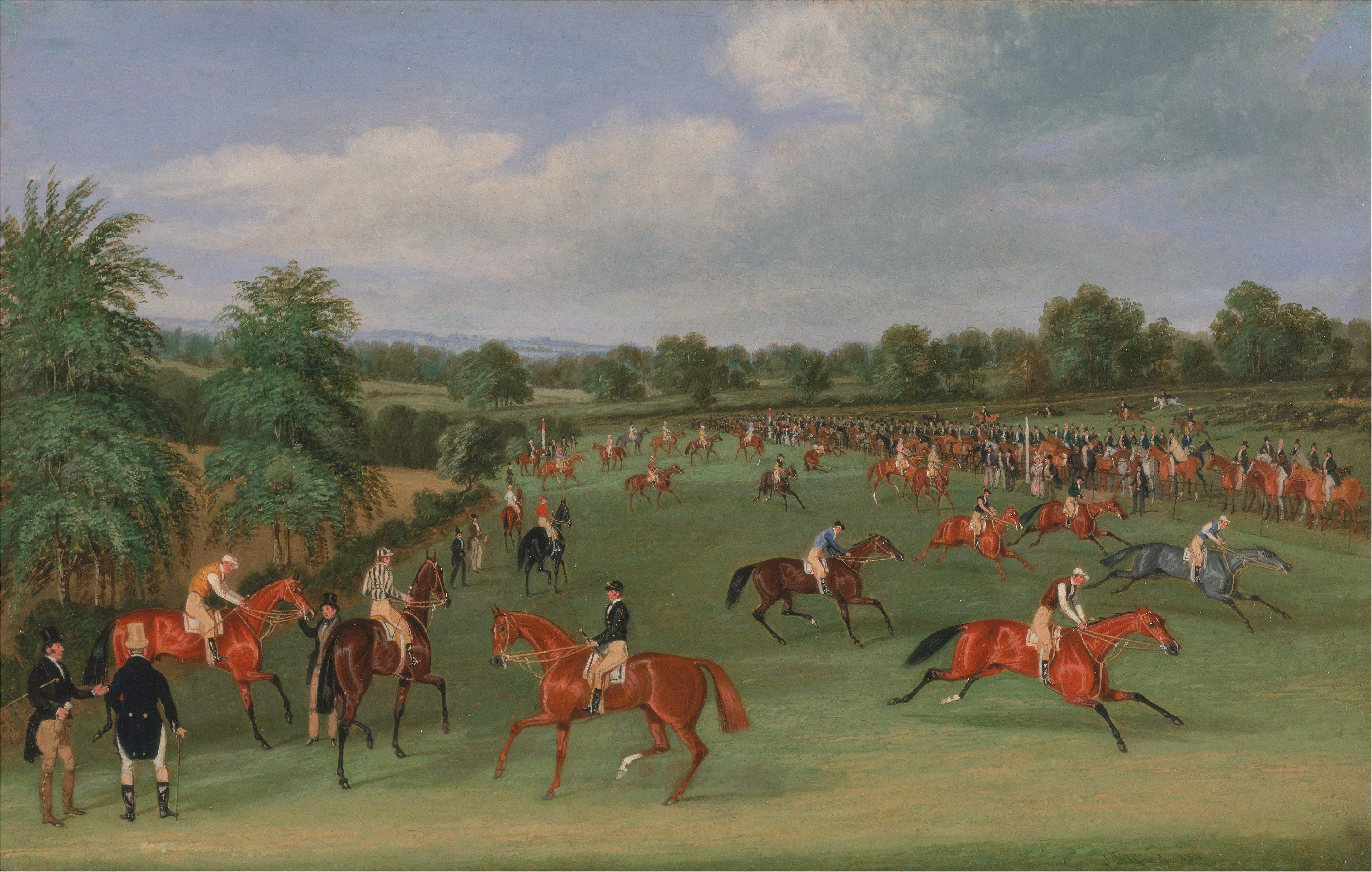
Four furlongs added in 1784 turned a speed dash into a test of class; Epsom's hills have been the judge ever since.
Just four years after its founding, the Derby distance was increased from one mile to approximately one mile, four furlongs and six yards. This change transformed the race from a speed test into a true examination of stamina and class, establishing the template that endures today. The longer trip also made Epsom's unique topography, with its camber and downhill run to Tattenham Corner, a far more decisive factor in the outcome.
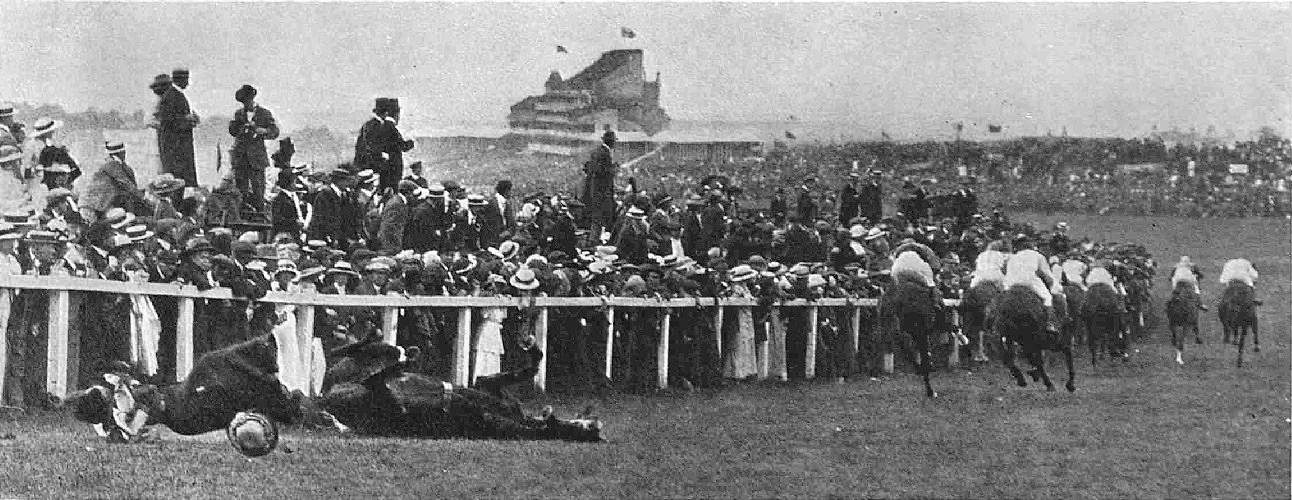
A single step at Tattenham Corner placed the Derby at the heart of British history, not just racing.
On 4 June 1913, suffragette Emily Wilding Davison ducked under the rail at Tattenham Corner and stepped into the path of Anmer, owned by King George V. She died four days later from her injuries. The incident, captured on newsreel film, became one of the best-known moments in British social history and ensured the Derby's place in the national consciousness far beyond the world of racing.
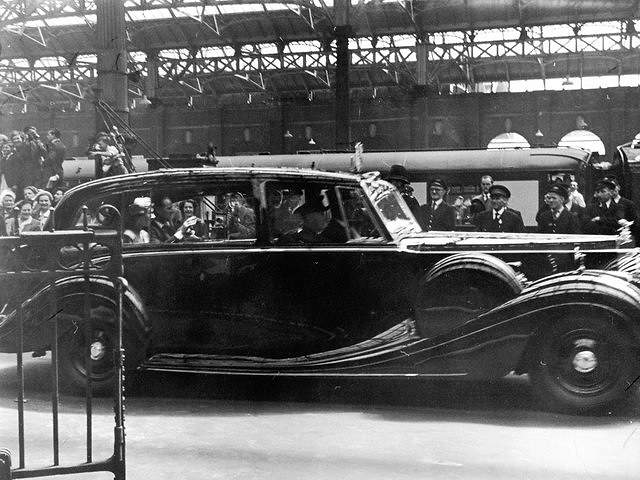
Twenty-eight attempts. One knighthood. One win. Gordon Richards chose his moment perfectly.
Just four days after the Coronation of Queen Elizabeth II, the 1953 Derby attracted enormous crowds to Epsom. Sir Gordon Richards, the nation's most celebrated jockey who had been knighted in the Coronation Honours, won the race aboard Pinza at his 28th and final attempt. It was a fairytale ending for a rider who had been champion jockey 26 times. The race was also one of the first major sporting occasions broadcast live on BBC television.
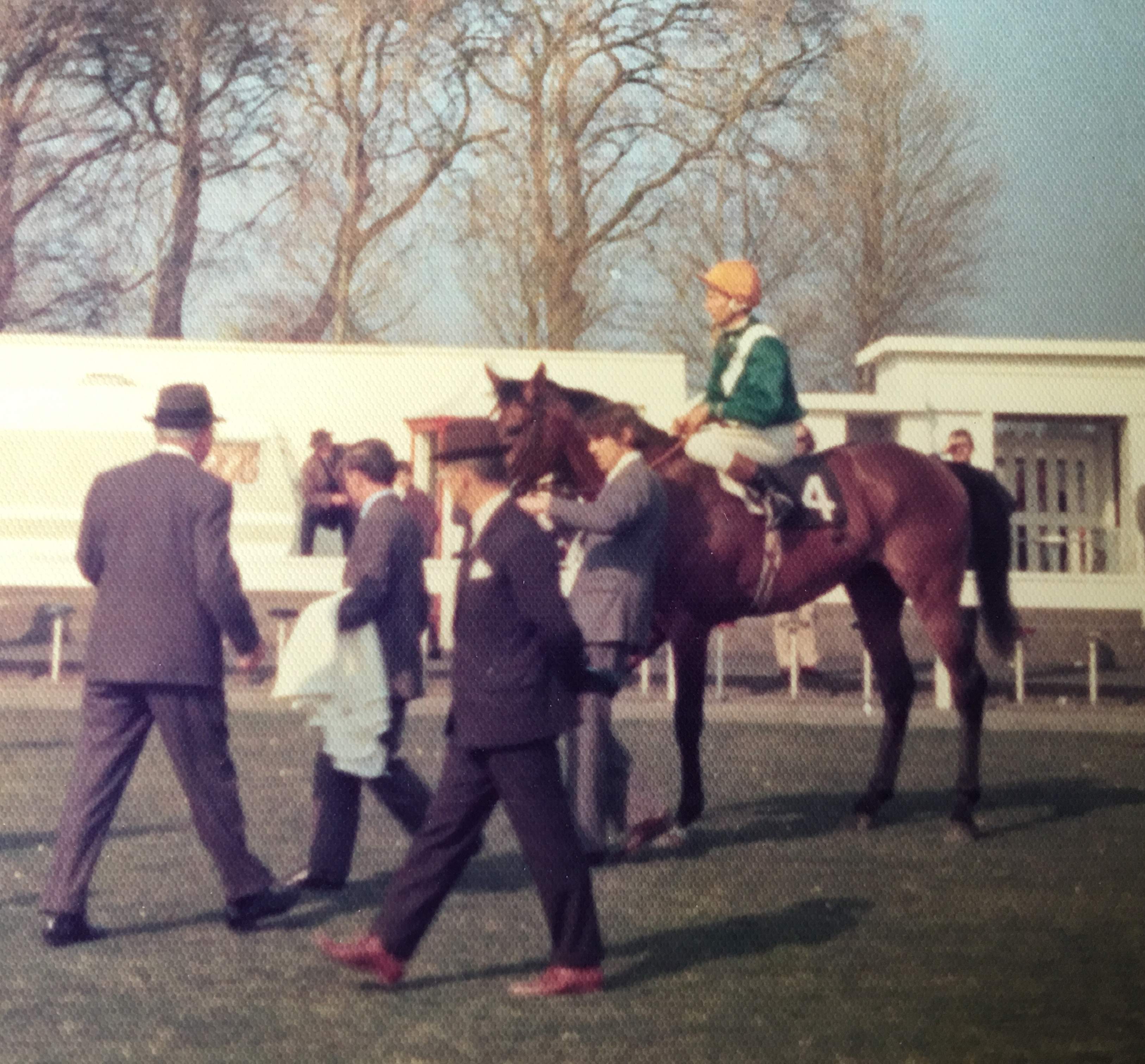
Piggott and Nijinsky, one of the defining images of post-war flat racing, claimed the 1970 Derby on the way to the last English Triple Crown.
Nijinsky, trained by Vincent O'Brien and ridden by Lester Piggott, won the 1970 Derby as part of a campaign that would see him become the last horse to win the English Triple Crown. Piggott, already a Derby legend, would go on to win the race a record nine times between 1954 and 1983. His partnership with the great Nijinsky remains one of the defining images of post-war flat racing.
Ten lengths clear; a teenage jockey, a record margin, and a legend born in a single afternoon.
The Aga Khan's Shergar, ridden by 19-year-old Walter Swinburn, produced one of the most devastating performances in Derby history. Sent to the front turning into the straight, he drew further and further clear to win by ten lengths, the widest margin in the race's history. The victory made Shergar a household name, though his story would take a darker turn when he was kidnapped from the Ballymany Stud in Ireland in 1983 and never recovered.
The Queen's Stand, designed by Richard Horden and opened in 1992, marked a significant modernisation of Epsom Downs, repositioning the Derby as a social and corporate occasion.
The opening of the Queen's Stand in 1992, designed by Richard Horden, marked a significant modernisation of Epsom Downs. The striking contemporary structure replaced ageing facilities and brought new hospitality suites, restaurants and viewing terraces to the course. It signalled a shift towards the modern festival format, with the Derby increasingly positioned as a social and corporate occasion alongside its sporting significance.
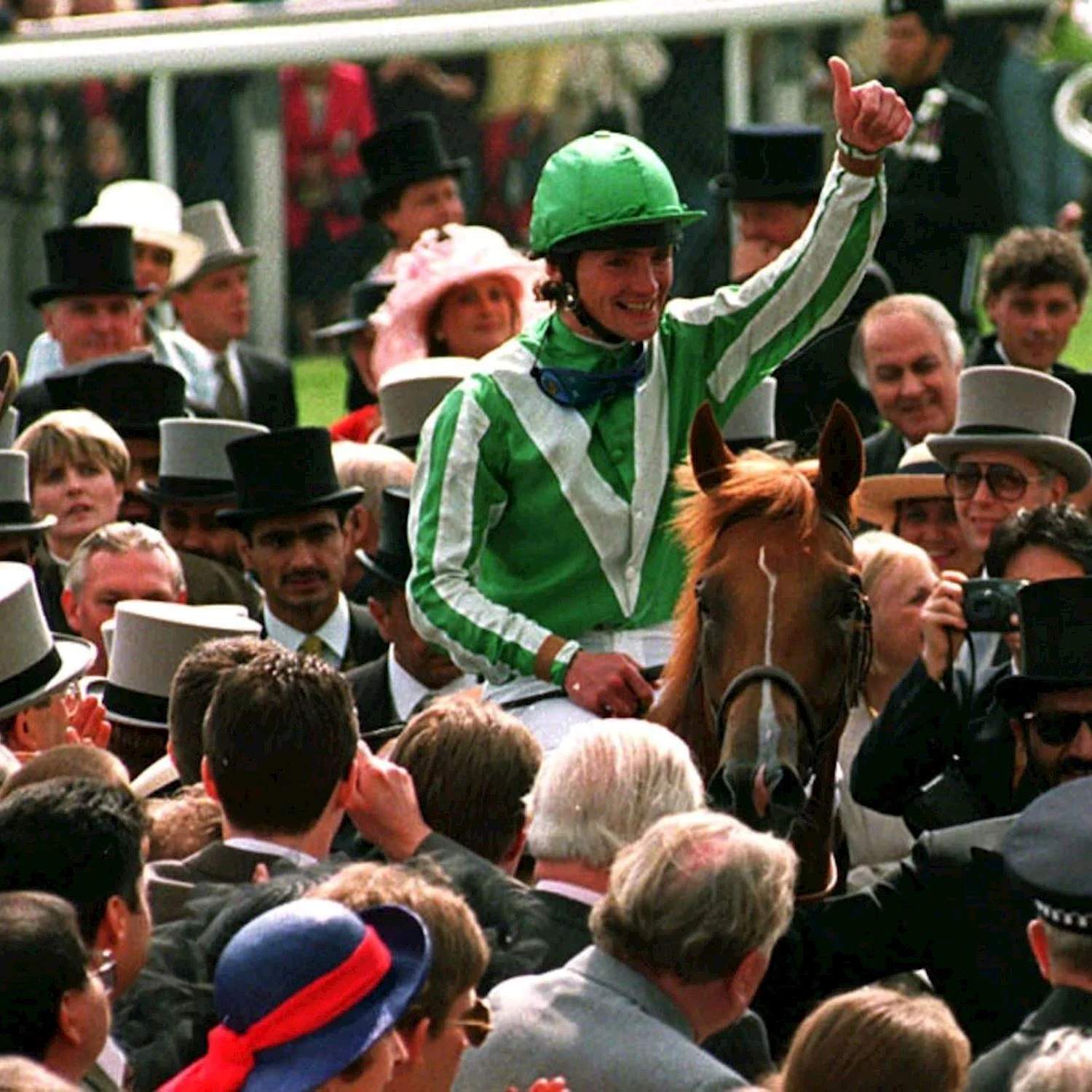
Two centuries of Wednesday tradition, overturned in a single Saturday.
After more than two centuries as a Wednesday fixture, the Derby was moved to the first Saturday in June in 1995 to boost attendance and television audiences. The change proved controversial among traditionalists but successful commercially, with larger crowds and improved broadcast ratings. The two-day Derby Festival format, with the Oaks on Friday and the Derby on Saturday, became the established pattern and opened the festival to a wider audience who could attend without taking a day off work.
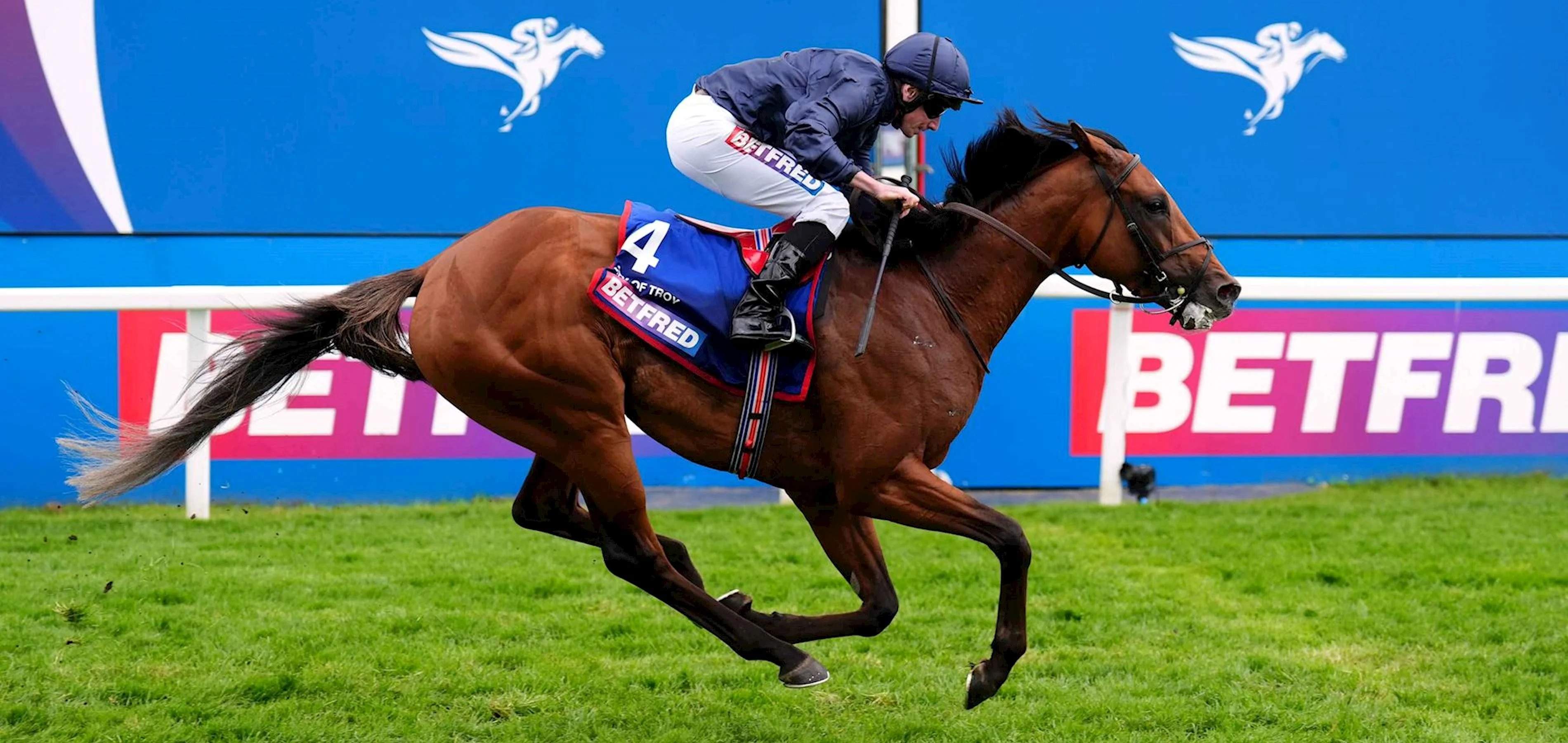
Ten Derbies for O'Brien; a record that redefines what mastery of the turf looks like.
City of Troy, trained by Aidan O'Brien and ridden by Ryan Moore, won the 2024 Derby Stakes in convincing fashion. The victory gave O'Brien a record-extending tenth Derby as a trainer, cementing his status as the most successful handler in the race's modern history. The Derby Festival continues to thrive as one of the highlights of the British flat racing calendar, with the Oaks, Coronation Cup and a full supporting card drawing tens of thousands to the Surrey downs each June.
Accept cookies to enable personalised features and help us understand which experiences resonate.