Summary
Glyndebourne's Festival opera season runs black tie from mid-May to late August. Performances start in the late afternoon and break for a 90-minute picnic on the lawns; the dress code works because the picnic is the part that requires it. The autumn season is smart-casual and skips the long interval.
Glyndebourne is an opera house in the gardens of an English country house near Lewes, East Sussex. Founded in 1934 by John Christie, it has run a summer festival of opera most years since (with a suspension during the Second World War, and a reduced open-air programme rather than the full Festival during the COVID-affected 2020 season). It is widely considered the most distinctive opera house in Britain. The most distinctive thing about it is the dress code: black tie, on a lawn, at four in the afternoon.
This is a guide to what Glyndebourne actually expects, what the unwritten conventions are, what an opening-night Glyndebourne picnic looks like, and how the autumn season differs from the summer Festival.



The Festival: black tie, on a lawn, at 4pm
Glyndebourne's main Festival runs from mid-May to late August. The published dress code for the Festival is unambiguous.
“Black tie and Glyndebourne are synonymous. Whatever your style, take this rare opportunity to dress for the occasion.”
What to wear at Glyndebourne
For men, the convention is a black-tie dinner jacket: a black or midnight-blue dinner jacket, a white pleated or marcella shirt, a black bow tie, black trousers (with a silk braid or satin stripe), polished black shoes (Oxfords or patent leather). A white dinner jacket is acceptable in the warmer months but is a minority choice. A velvet smoking jacket in a coloured velvet is on-brand for older Glyndebourne regulars.
For women, the convention is evening dress: a floor-length or cocktail-length gown, evening shoes, a stole or wrap for the evening cool, and evening jewellery. A long dress is more common than a short one; both work. The Glyndebourne audience has historically dressed for the picnic photograph as much as for the opera.
The Glyndebourne wardrobe is comfortable as well as formal; the audience does a lot of standing around the lawns during the long interval. Dress shoes that survive grass; an evening clutch rather than an over-the-shoulder bag; a cashmere wrap or pashmina for the late-evening chill.
Why the dress code
Why black tie works here
The Glyndebourne dress code is not a rule imposed by management; it is a convention agreed by the audience and reinforced by the layout of the day. The performance starts in the late afternoon (typically 4 or 5pm depending on the opera) and ends late in the evening (typically 9pm or later). The middle of the performance is broken by a 90-minute interval during which the audience picnics on the lawns.
Black tie in the early afternoon would normally read as wrong in any other context. At Glyndebourne the long interval makes black tie work: a guest who arrives at 3:30pm in evening dress, picnics on the lawn at 5pm in evening dress, and leaves at 10pm in evening dress is dressed for the whole experience rather than for the start of it. The convention has held since the 1930s because the picnic is the part that requires the wardrobe.
Glyndebourne itself has held the convention through cultural shifts that have relaxed most other formal dress codes. The audience now skews younger than it did in the 1980s and the wardrobe has become more interpretive (sequin gowns, fashion-house dinner jackets, statement bow ties), but the black-tie standard is still the standard and is uniformly held by the audience.
The picnic
The picnic on the lawns
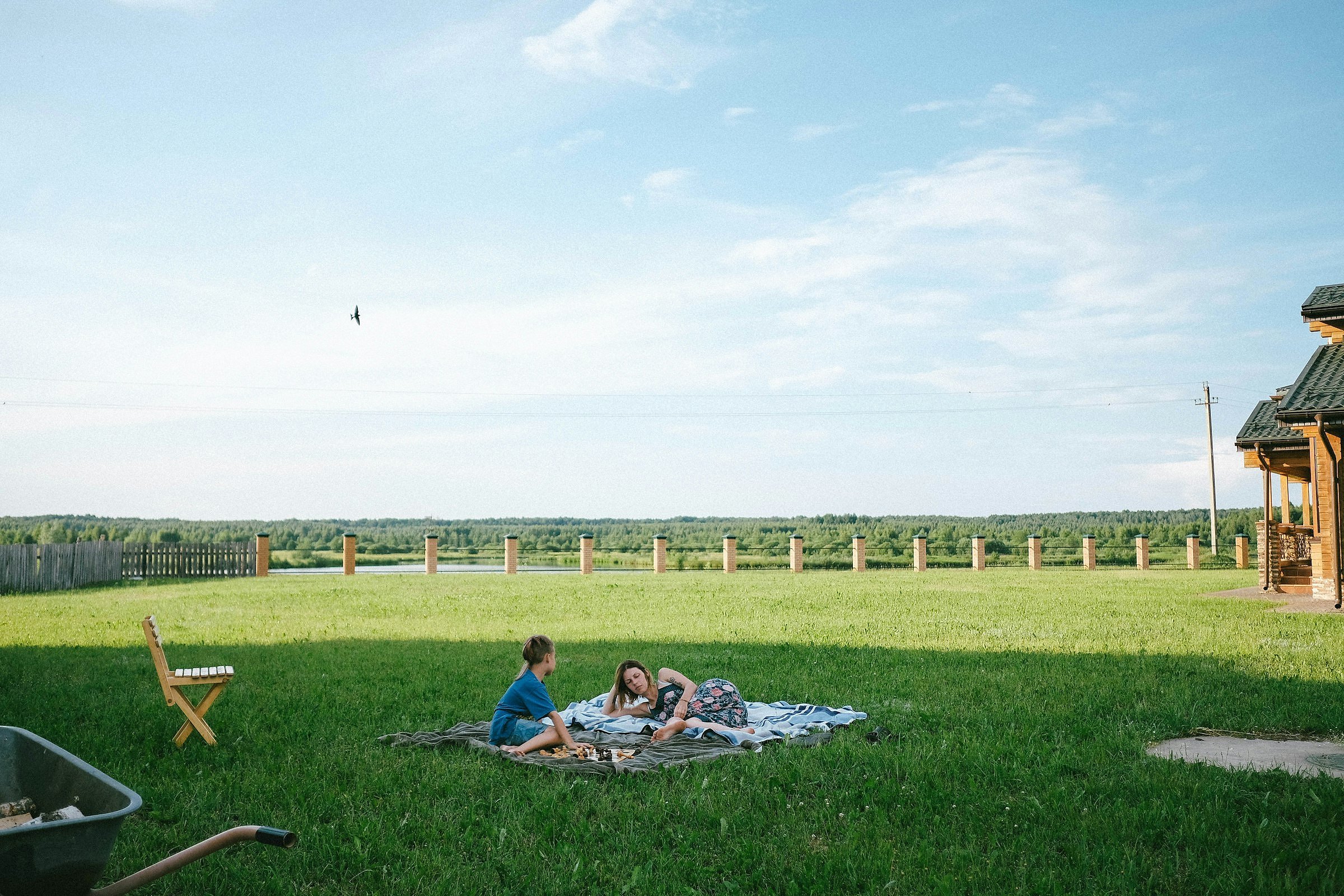
Glyndebourne's long interval is the part that distinguishes it from every other major opera house. The interval is 70 to 90 minutes long, depending on the opera; the convention is that the audience eats during it on the lawns of the country house. Picnics are part of the Glyndebourne experience.
Most guests bring a picnic from home or order one through the Glyndebourne picnic service in advance. The picnic format ranges across the social range: hampers from Fortnum & Mason, prepared dinners catered by London restaurants and delivered to Glyndebourne for the day, simple home-prepared cold meats and salads in baskets. Champagne, white wine and rosé are the convention drinks; full silver service is uncommon but not unknown.
Glyndebourne also operates a series of restaurants on the grounds: Middle & Over Wallop (the main restaurant), Mildmay (an informal restaurant) and Nether Wallop (the more casual light-bites option). Restaurant bookings are made in advance with the opera ticket. Restaurant diners get a guaranteed table and a course-by-course menu; picnickers pick their lawn spot.
What you bring to the picnic
- Picnic blanket or rugGlyndebourne's lawns slope and the grass is wet by late evening. A waterproof underside helps.
- Folding chairsPopular but not required. A small folding table is the regular's tool of choice for elevating the picnic above wet grass.
- Ice-cooled hamper or wicker basketFormat ranges from Fortnum & Mason hampers to home-prepared cold meats. Whatever you can carry across the lawn comfortably.
- Plates and glassesChina and crystal are common but not required. Match the formality of the wardrobe.
- DrinksChampagne, white wine and rosé are the convention. Full silver service is uncommon but not unknown.
The 90-minute interval, structurally
How the interval shapes the day
Glyndebourne's long interval is the reason the dress code works. A standard opera evening at Covent Garden or the London Coliseum has a 20-minute interval, just long enough for a glass of champagne. Glyndebourne's 90-minute interval is long enough for a full sit-down dinner.
The interval timing varies by opera. A Mozart opera typically has a 70-75 minute interval; a longer work (e.g. a Verdi or Strauss opera) typically has 90 minutes. Glyndebourne's schedule is published in advance so guests can plan their picnic timing.
Restaurant guests are served their dinner during the interval and need to finish in time for the second act. The bell announcing the resumption of the performance rings ten minutes before the curtain; picnickers and diners alike pack up at that point.
Autumn season: a different dress code
The Glyndebourne Festival runs from May to August. The autumn season at Glyndebourne (September to December) has a different format and a different dress code. The autumn season is positioned as more informal: shorter operas, evening start times rather than afternoon, no long picnic interval, a smaller audience.
The autumn dress code is smart-casual rather than black tie. The official Glyndebourne guidance for autumn is: "In keeping with the more informal feel of the autumn season, the dress code is smart casual." Some autumn-season guests still wear evening dress; most don't.
Glyndebourne Tour, the company that takes Glyndebourne productions to other UK venues, runs at venues outside the East Sussex house. Tour performances run on the dress code of the host venue (which is typically smart-casual). Tour audiences don't picnic; the format is closer to a regular opera house evening.
Getting there
Glyndebourne is in the countryside of East Sussex, about ninety minutes' drive from central London and twenty minutes from Brighton. The closest train station is Lewes (with a Glyndebourne shuttle bus during the Festival), but most guests drive.
The Glyndebourne car park has space for several hundred cars. Black-tie guests routinely change into their evening dress on arrival; the on-site Plashett building has changing facilities for those who don't want to drive in dinner jackets. The arrival window is typically two hours before the performance starts.
Many guests stay locally: there are country house hotels around Lewes, Glyndebourne keeps a list of recommended partner hotels and B&Bs in the local area, and Brighton is close enough to be a base. A stay locally is the easier way to do Glyndebourne; the late finish (usually 9-10pm) plus the country roads back to London makes a same-day return tiring.
Practical notes
Tickets sell out fast. Glyndebourne members get first refusal on tickets months before the season starts; public tickets go on sale in March for the May-August Festival. The Festival's bigger operas (Mozart, Verdi, the Glyndebourne premieres) are typically sold out within hours of public release.
Weather is a Glyndebourne consideration. Late afternoons in early summer can run cool; late evenings in August can run colder than expected. Pack a cashmere wrap or a coat for the picnic and the evening, even if the early afternoon is warm.
The Glyndebourne picnic etiquette: drink wine, finish your food before the bell, leave your picnic area tidy, take your rubbish away. The country house grounds are looked after; the picnic culture survives because guests treat the lawns respectfully.
A short summary
Festival (May-August)
Black tie. Dinner jacket and tie for men, evening dress for women. The convention is consistent across the audience.
Autumn season (September-December)
Smart-casual. Jacket and shirt for men, dress or smart separates for women. Black tie is fine but not required.
Glyndebourne on Tour
Dress code of the host venue (typically smart-casual).
Picnic interval (Festival only)
Bring your own picnic with a hamper and blanket, or book a restaurant. The 90-minute interval is long enough for a full dinner. Pack a wrap for the evening.
And the answer to why Glyndebourne does it this way: because the picnic-in-a-field-at-five-in-the-afternoon-in-black-tie is the experience. The opera is the headline act. The dress code makes the rest of the day work.

Daniella McBride
Event Specialist
Event Specialist at Imperial Corporate Events, focused on premium sporting and entertainment experiences.