Summary
The Royal Opera House does not publish an enforced dress code. The crowd self-selects into smart-casual to cocktail for a regular evening, cocktail to black tie on a first night or gala, and to whatever the host expects in a private box. The simple rule: dress one notch smarter than a London restaurant of the same temperature.
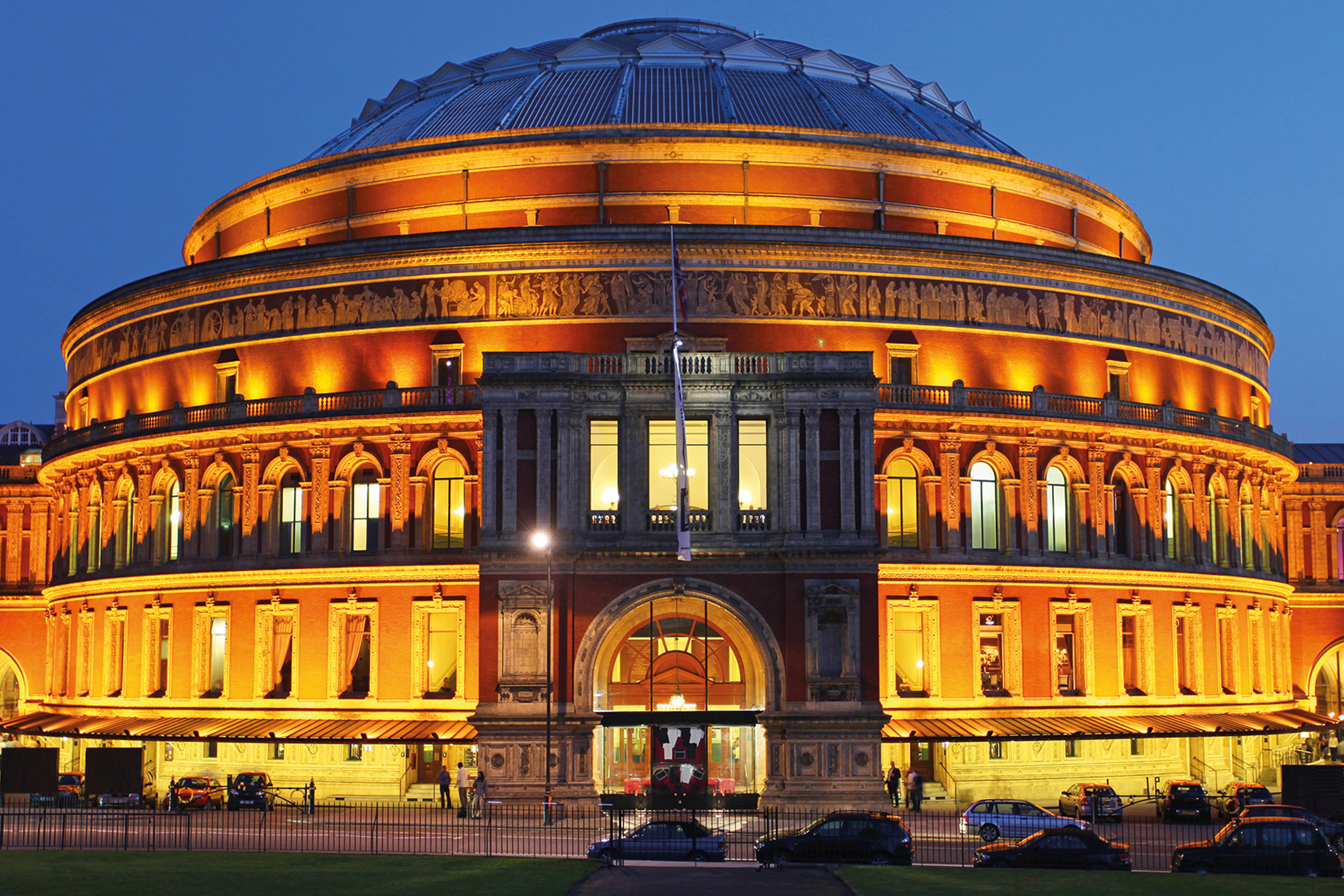
The Royal Opera House at Covent Garden is the home of the Royal Ballet and the Royal Opera, two of the senior arts institutions in the UK. It is, by most standards, the most formal-feeling theatre in London. The dress code, on paper, is one of the looser ones in the city.
What follows is what guests actually wear to the Royal Opera House at different kinds of performance, what the published policy says (very little), and the unwritten conventions that do most of the work.


The published rule: there isn't one
The Royal Opera House does not publish an enforced dress code for general performances. The visitor information pages refer to "tips on what to wear" rather than rules. The house's own position has been that the dress code is up to the guest, that no dress will see anyone refused entry, and that the variety of cultural backgrounds in the audience makes a single enforced standard inappropriate.
That doesn't mean anything goes. The Royal Opera House crowd has its own conventions, which a guest will pick up within the first interval. The unwritten rules are stricter than the published rules; they vary by performance type, time of year and seat.
Regular evening performances
The smart-casual Tuesday night
The common Royal Opera House audience on a Tuesday night runs from smart-casual to cocktail. Most men in the stalls and grand tier wear a jacket and a collared shirt; some wear ties, most don't. Most women wear a smart dress, a skirt suit or smart separates. The aesthetic is closer to a smart London restaurant than to a black-tie gala.
What you'll see across the auditorium: city suits left over from the day's work, polo necks with smart trousers, midi dresses with heels or smart flats, occasional kilts and tartan trews for Scottish guests, a small minority in dinner jackets (usually older regulars or members of the Friends scheme). Almost nobody in jeans-and-trainers; almost nobody in formal evening wear either.
Why this is the band the audience self-selects into: a Tuesday night at Covent Garden is a mid-week London evening. Most guests have come from work. Smart-casual reflects that. By the weekend the audience leans slightly more dressed-up; Saturday matinees in particular trend toward smart-day rather than smart-night.
First nights and galas
Opening nights and gala performances
Opening nights, gala performances and the Royal Opera House's annual fundraising nights run on a different convention. The opening night of a major new production (a Verdi premiere, a major ballet revival, a guest conductor's debut) attracts a more dressed-up crowd: dinner jackets and cocktail dresses move from minority to majority, evening gowns appear in the grand-tier and royal-box areas, and the crush bar at the interval looks like a wedding reception.
Specific fundraising galas (the Royal Opera and Ballet Annual Gala, the Friends evenings) are normally black-tie by invitation. The invitation itself will state "black tie" or "black tie optional"; the dress code on the night will reflect that.
A small but unmistakable rule of London opera-going: nobody who knows what they're doing wears black tie on a regular Tuesday night. Black tie at the wrong performance reads as eager rather than smart. If in doubt about a particular night, the Royal Opera House front-of-house can confirm whether it's a gala or a regular performance.
The Royal Box and other private boxes
The Royal Opera House has a Royal Box and a series of other private boxes around the auditorium. The Royal Box is reserved for the British royal family and is rarely empty during major performances; the other boxes are owned by long-term subscribers, sponsors and corporate hosts.
How private box guests dress
Private-box guests usually dress slightly smarter than the rest of the stalls audience. The convention is smart-business or cocktail rather than dinner-jacket: ties for men, dresses or smart separates for women, smart shoes. Box guests are visible to the rest of the auditorium between scenes (the boxes face the stage at an angle, putting them in everyone's eye-line); the convention is built around that visibility.
If a guest is invited to a private box by a corporate host, ask the host about the level of dress. The convention varies between sponsor boxes, individual subscriber boxes, and one-off corporate hospitality nights. The host will know the appropriate band.
Crush Bar and the foyer between acts
The Crush Bar on the Grand Tier and the various other interval bars across the Royal Opera House are part of the visible social architecture. Guests circulate, are seen, and are photographed by other guests and occasionally by paparazzi during major nights. The convention in the Crush Bar is the same convention as the stalls: smart-casual on regular nights, smarter for galas.
Champagne is the drink. Pre-ordering at the interval bar (which the Royal Opera House runs) is worth doing for sold-out nights; the queue otherwise eats into the whole interval. The conventional Royal Opera House evening involves an arrival drink, an interval drink, and (for guests staying for the second half) sometimes a third before the curtain falls.
What you should not wear
The Royal Opera House officially refuses no dress. Practically, anything that signals "I'm here for a different kind of evening" will get noticed. Trainers (in any colour), jeans (in any wash), sportswear of any kind, hoodies, baseball caps, slogan t-shirts and any clothing with sport team branding will be conspicuous in the stalls audience.
Day-to-day office casual is fine; smart-casual for cultural nights is fine; smart-casual is the safe band. The mistakes are in either direction: dressing down (athleisure, gym wear, holiday-mode casual) gets you noticed; over-dressing for a regular performance (black tie on a Tuesday) gets you noticed differently.
Sightlines and seat-related conventions
Tall hats are not a Royal Opera House convention; the building is intimate enough that a brimmed hat in the stalls would block the view of the row behind. Hats stay off in the auditorium across all seats.
Coats and bulky bags can be left at the cloakroom near the main entrance; the Royal Opera House operates a smart, organised cloakroom that runs quickly at the start and end of each performance. Most guests use it. Carrying a coat into the stalls reads as a tourist tell.
Phones are silenced before the performance starts. The Royal Opera House staff make a polite pre-performance announcement; some performances have phone-detector cards at the door. Photographs are not permitted during performances; many guests are photographed in the Crush Bar between acts, and the house photographers occasionally photograph notable guests for the press.
A short summary
Regular performance (Tuesday-Sunday)
Smart-casual. Jacket and shirt for men, dress or smart separates for women. No trainers, no jeans, no sportswear.
First night of a new production
Dress slightly smarter. Cocktail or smart-formal. Black tie is acceptable but not required.
Gala performance / fundraising night
Black tie if invited (the invitation will say). Otherwise the same as a first night.
Private box
Ask the host. The convention is one notch smarter than the stalls.
Royal Box
Invitation only. Convention follows the royal family's lead.
And the one rule that holds across every kind of performance: in doubt, dress one notch smarter than you would for a regular London restaurant of the same time of evening. The Crush Bar photographs you; the auditorium notices you; nobody minds if you slightly over-dress for the night, and a lot of regulars mind if you under-dress.

Daniella McBride
Event Specialist
Event Specialist at Imperial Corporate Events, focused on premium sporting and entertainment experiences.