Login

We use cookies to understand which experiences land. You can opt in or out — your choice.

Login
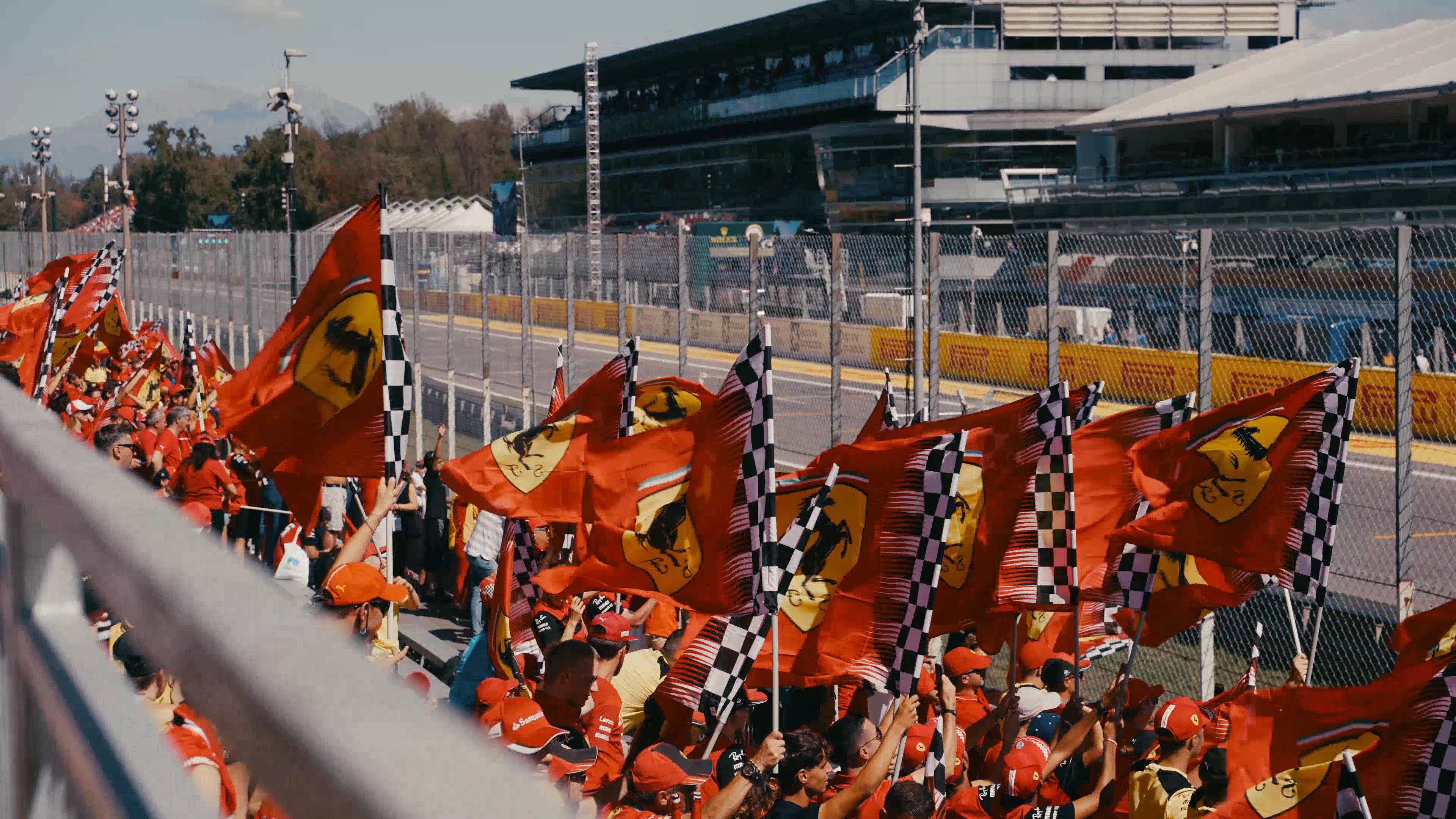
Formula 1 race at the Italian Grand Prix at Monza
MotorsportFormula 1

How F1 Qualifying Works: Q1, Q2, Q3 and Why Pole Matters

F1 qualifying runs three knock-out segments on Saturday. Fastest in Q3 starts pole on Sunday.

HomeBlogHow F1 Qualifying Works: Q1, Q2, Q3 and Why Pole Matters
  1. Q1 in eighteen minutes
  2. Q2 in fifteen minutes
  3. Q3 in thirteen minutes
  4. Why pole matters
  5. Sprint qualifying
  6. Sprint qualifying format and points
  7. Common questions
  8. A short summary
Chloe Burchell
Chloe BurchellEvent Manager
5 min read04 May 2026

Summary

F1 qualifying is a one-hour Saturday session in three knock-out segments. Q1 lasts eighteen minutes and knocks out six cars from the 2026 grid of twenty-two; Q2 lasts fifteen and knocks out six more; Q3 is the pole shoot-out across thirteen minutes for the ten quickest. Pole is the inside of the front row and worth twenty-five championship points only if the driver converts it on Sunday.

Formula 1 qualifying decides the grid for Sunday's race. It is a one-hour Saturday session, run in three knock-out segments called Q1, Q2 and Q3. The fastest driver in Q3 starts the race from pole position. Everyone else lines up behind in the order they qualified.

The format has been a knock-out since 2006 and the segment lengths have shifted over the years. The current numbers, used from 2026 onwards (with Cadillac joining the grid to take it to 22 cars), are eighteen minutes for Q1, fifteen for Q2 and thirteen for Q3. The race itself runs on Sunday. Pole position matters; this is why.

F1 car under the lights at the Singapore Grand Prix
Qualifying laps are the cleanest, fastest single laps a driver does all weekend

Q1 in eighteen minutes

Q1 is the longest segment of qualifying. All twenty-two cars on the grid go out, in any order they want, for as many flying laps as they choose. The track time runs to eighteen minutes; the clock counts down whether or not cars are running. Drivers are free to do one timed lap, two, three, or as many as their fuel and tyres allow.

At the end of the eighteen minutes, the slowest six drivers are eliminated. Their qualifying is over. The grid positions they will start the race from are decided by the order they finished Q1: the slowest in Q1 starts 22nd, the next slowest 21st, and so on down to 17th.

The traditional Q1 strategy is to set a banker lap early in the session, then save tyres for a faster second run if the first lap looks vulnerable. The drivers eliminated from Q1 are usually the slower cars and any front-runners caught out by traffic, mistakes or a poorly-timed flag.

Q2 in fifteen minutes

Q2 begins with the sixteen drivers who survived Q1. The format is identical: fifteen minutes of clock, drivers run when they choose, any number of timed laps. At the end the slowest six are eliminated and start the race from positions 11 to 16.

Q2 is where the strategy gets interesting. Teams have to weigh the cost of running fresh soft tyres now against keeping a set fresh for the race start. A driver who comfortably makes the Q3 cut on used softs is going to have one more new set of softs in their garage on Sunday than a driver who burned through them in Q2 to scrape into the top ten.

The six drivers eliminated in Q2 start the race from grid positions 11 to 16, in the order they finished Q2 (fastest of the eliminated is 11th, slowest is 16th).

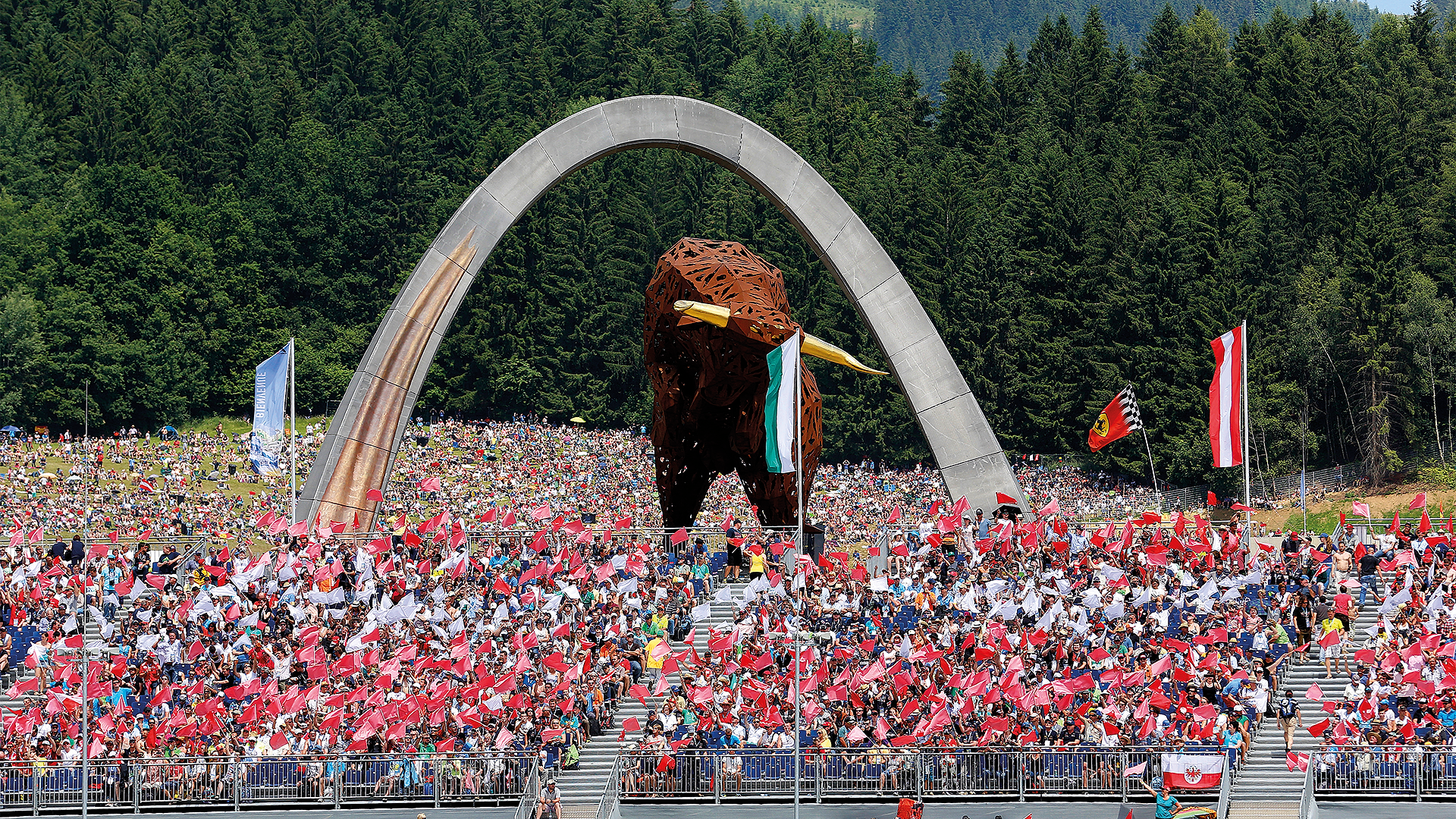
Formula 1 car cresting at the Austrian Grand Prix
Q2 is when teams gamble on tyre choice for the race start

Q3 in thirteen minutes

Q3 is the pole-position shoot-out. The ten quickest drivers of qualifying get one segment of thirteen minutes to set the fastest possible lap on a fresh set of soft tyres. Most drivers fit one new set of softs and run two timed laps; a few teams try one perfect lap and bank it.

The pole position is whichever driver sets the fastest lap of the session, full stop. Second-quickest is the front row of the grid. Tenth-quickest starts tenth.

From 2022 onwards, the tyre on which a driver finishes Q3 no longer dictates the tyre on which they must start the race. Every driver in the top ten can choose any tyre for the race start, regardless of what they used in Q3. This rule change killed off one of the strategic puzzles of the Q2-Q3 boundary, where teams used to weigh whether to run on a faster soft tyre in Q2 (and start the race on it) or the more durable medium (and start the race on the medium with longer first stints).

Why pole matters

Pole position is the inside of the front row of the grid. It is, on most circuits, the cleanest line into Turn 1, the side of the track the racing groove sits on, and the position with the shortest racing line to the first corner. Pole on its own is worth no championship points. Winning from pole is worth twenty-five.

Some circuits make pole nearly decisive. Monaco is the textbook example: the streets are too narrow to overtake, the cars are too big to find a way past, and races from the front of the grid are often a procession. Other circuits punish a poor pole strategy: Spa-Francorchamps has slipstreaming down the Kemmel Straight that means a second-row start with a tow can pass a pole-sitter on the first lap.

Across the whole season, drivers with the most poles tend to win the most championships. Lewis Hamilton holds the all-time pole-position record with 104 poles; Michael Schumacher is second on 68; Ayrton Senna is third on 65. All three were multiple world champions.

Formula 1 cars on track at the British Grand Prix at Silverstone
Pole at Silverstone is one of the most prized in the championship

Sprint weekend qualifying

Six races in the 2026 calendar are sprint weekends: China, Miami, Canada, Britain, Netherlands and Singapore. On a sprint weekend the schedule changes: Friday has one free practice and a separate sprint qualifying session (Sprint Qualifying or SQ); Saturday has the sprint race and the standard qualifying session for Sunday; Sunday is the main race.

Sprint qualifying format and points

Sprint Qualifying uses the same knock-out structure as standard qualifying but with shorter segments: SQ1 is twelve minutes, SQ2 is ten, SQ3 is eight. The fastest driver in SQ3 starts the sprint race from pole. Sprint race grid order does not affect Sunday's main-race grid; for the main race, drivers run a normal Q1/Q2/Q3 on Saturday after the sprint.

Sprint races award championship points to the first eight finishers (8, 7, 6, 5, 4, 3, 2, 1). The sprint runs over a distance of approximately one hundred kilometres, which makes it about a third of the length of a Sunday race.

Common traps and questions

  • What happens to a driver who sets no lap time?

    They start from the back of the grid in the order their previous race finished, with stewards' permission required to start the race at all.

  • What happens to a driver who damages the car in qualifying?

    They start from where they qualified to the point of damage. Repairs are allowed under parc fermé conditions, but components changes (gearbox, engine) can trigger grid penalties.

  • What is the 107 per cent rule?

    Any driver whose Q1 time is slower than 107 per cent of the Q1 pole time is normally not permitted to start the race. The rule is rarely triggered in dry conditions but is occasionally relevant in wet qualifying.

  • What are yellow flags?

    A waved yellow on the track tells drivers to slow down through the affected sector. Drivers who improve their lap time through a yellow-flag sector are penalised by having that lap time deleted. In Q1 and Q2 a deleted final lap can be the difference between elimination and survival.

A short summary in one paragraph

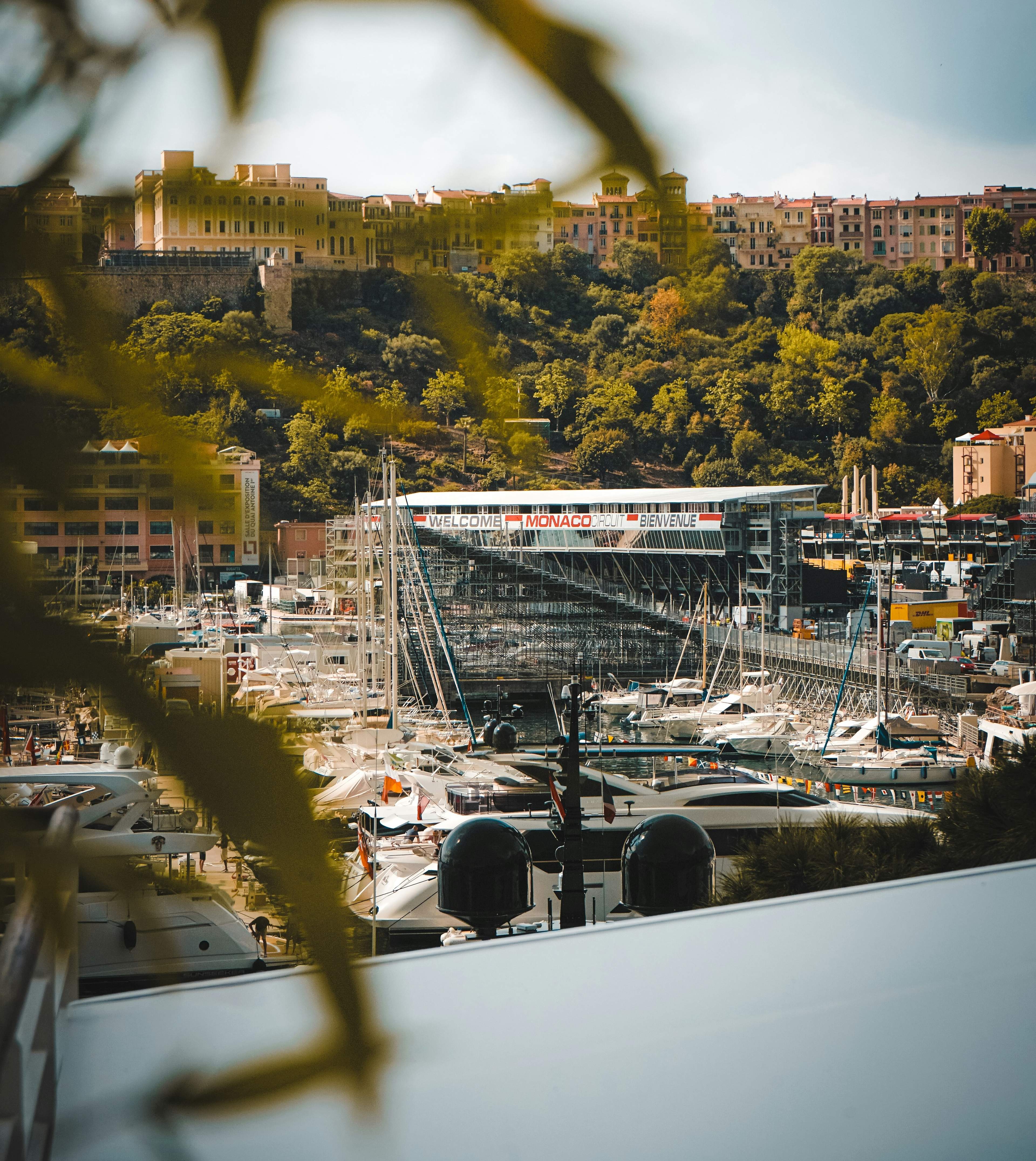
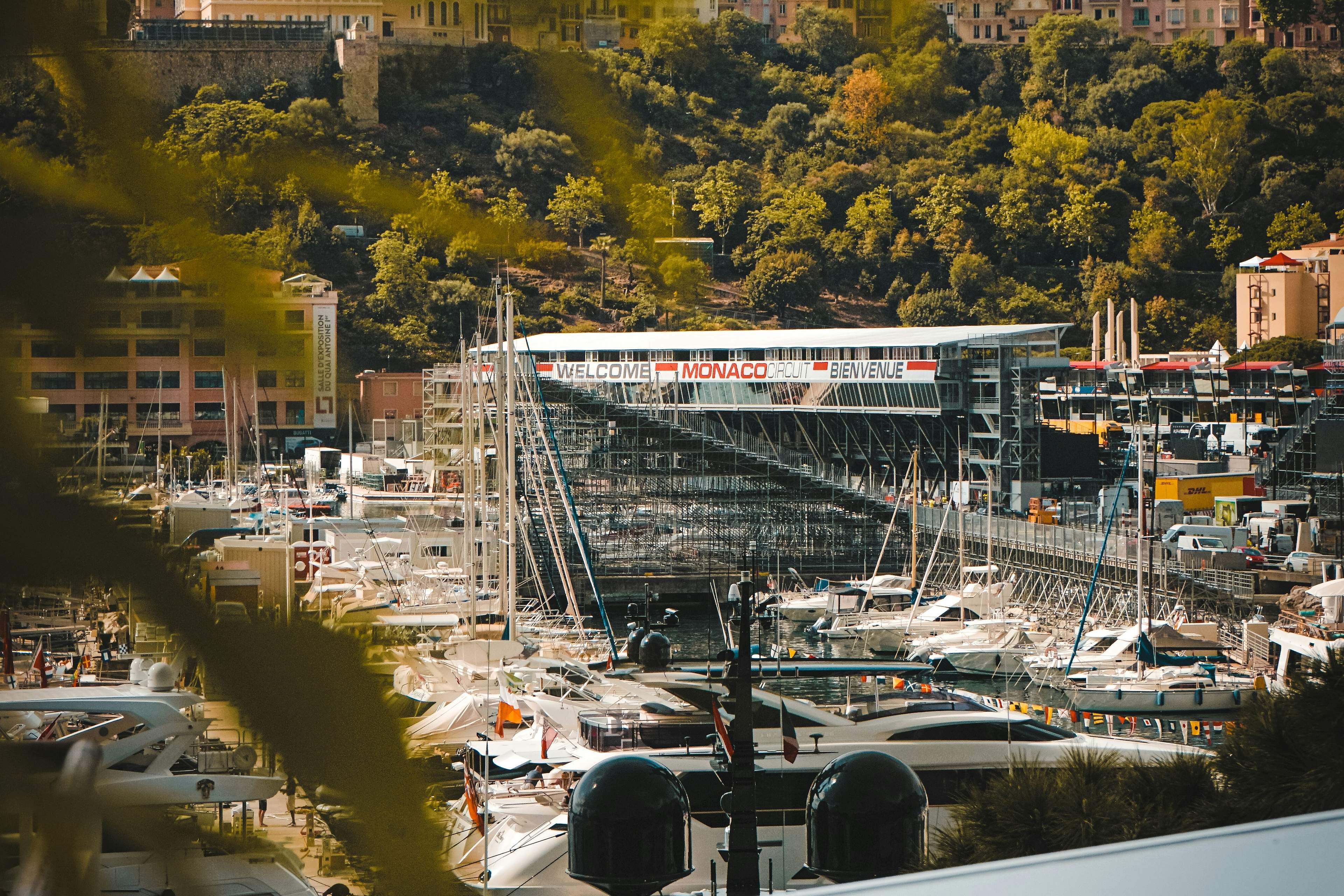
Monaco Grand Prix
Motorsport

Monaco Grand Prix

4.4 (26)

Côte d'Azur base, grandstand ticket at Monaco

Grandstand or yachtFlights and hotel3 nights
Monaco Grand Prix
Motorsport

Monaco Grand Prix

4.4 (26)

Côte d'Azur base, grandstand ticket at Monaco

Grandstand or yachtFlights and hotel3 nights

Twenty-two cars start Q1, six are knocked out. Sixteen start Q2, six more are knocked out. Ten start Q3, all set times, the fastest goes on pole. Twenty-five championship points for winning the race from pole on Sunday; six sprint weekends a year with their own SQ knock-out and points down to eighth. Everything else is detail.

Chloe Burchell

Chloe Burchell

Event Manager

Event Manager at Imperial Corporate Events, specialising in Formula 1 and overseas motor sport hospitality.

View profile
Formula 1Motorsport

Related articles

View all articles
Spectators in summer dress at Goodwood racecourse, enjoying a sunny day at the iconic British sporting venue.
Motorsport
UK Sporting CalendarYear In SportAnnual Calendar

The Best British Sporting Day in Every Month: A Year-Round Calendar

Twelve months, twelve anchor picks. A planner's guide to stacking corporate days out.

5 min read16 May 2026
A current-spec Formula 1 car at speed during the British Grand Prix at Silverstone
Motorsport
F1Formula 1Grand Prix

The best Grand Prix to attend: every F1 round, ranked

Sixteen rounds in the catalogue. Not all worth it. How they sort by what you want.

6 min read16 May 2026
The interior of the Belmond British Pullman dining carriage with white linen tables
Travel & Culture
Luxury HospitalityVSOEBelmond British Pullman

The Best Luxe Corporate Days in the UK and Europe

What 'luxe' means on a corporate day, and the dozen across the UK and Europe that earn it.

5 min read16 May 2026
Aerial view of Tower Bridge, the Thames and the City of London skyline
Football
LondonClient HostingB2B Entertaining

The Best Places to Take Clients in London

Twelve picks across sport, theatre and restaurants that ICE can actually book for clients in London.

5 min read16 May 2026

Get early access to the best experiences, straight to your inbox

By subscribing you agree to with our Privacy Policy.

Experiences

  • Sports
  • Entertainment
  • Food & Culture

Company

  • Blog
  • Client Portal
  • Careers
  • Respect Charter

Connect

  • Facebook
  • Instagram
  • LinkedIn
  • Youtube
  • (+44) 01162 695979
  • info@imperial.events

Copyright © 2026 Imperial Corporate Events Ltd. All rights reserved.

  • Privacy
  • Terms of Service
  • Cookies
Login
Login