
Summary
The Ryder Cup is golf's one team week: Europe against the United States, every two years, twelve a side. Three days, twenty-eight matches, first to 14½ points wins. Friday and Saturday come in pairs, foursomes and fourballs; Sunday is twelve singles, head to head. It is almost always Sunday that decides it.
- Foursomes (alternate shot)Two players, one ball, taking turns. The cruellest format in golf, with nowhere to hide.
- Fourballs (best ball)All four play their own ball, each side counting its lower score. The format that frees you to attack.
- Sunday singlesTwelve head-to-head matches, everyone out at once. Usually where the Cup is won.
- The mathsTwenty-eight points across three days. First to 14 and a half wins; level at 14-14 and the holders keep it.
Most weeks, professional golf is a solitary business: one player, one card, seventy-two holes against a field of a hundred and fifty-six and the course itself. The Ryder Cup tears that up. For three days every two years it is the same sport played as a different game, twelve players a side, Europe against the United States, and not a penny of prize money on the table.
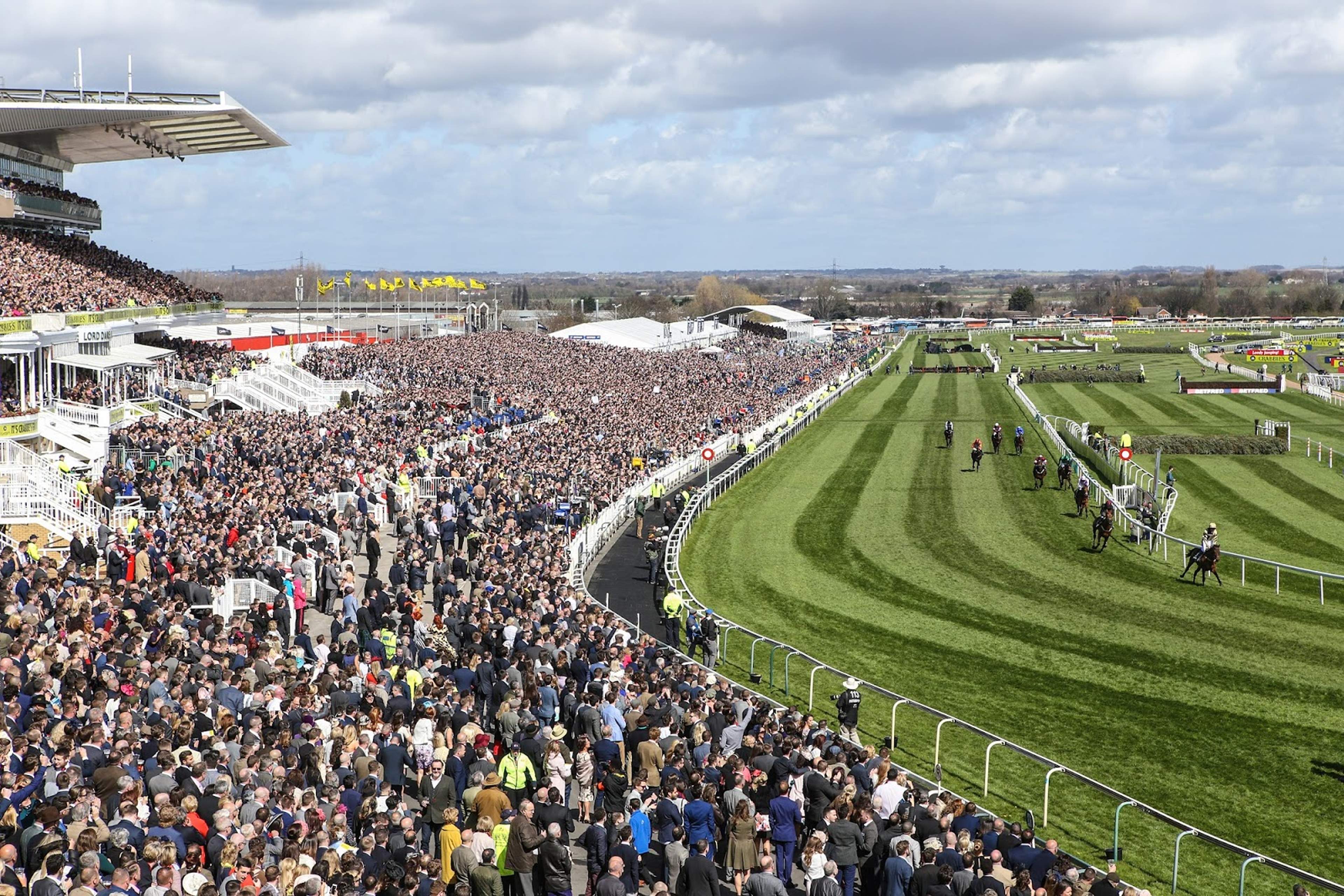
What replaces the cheque is pressure the individual game never sees. Stand in the grandstand that horseshoes the first tee on Friday morning and you hear it before you see it: a wall of noise for an opening drive that, any other week, nobody would have looked up from their coffee for. Major champions have hooked that tee shot straight into the crowd. The week does that to people.
The shape of the three days
Twenty-eight matches, twenty-eight points, spread across Friday, Saturday and Sunday. A team needs 14½ to win the cup outright; level at 14-14, the holders keep it, which has settled more than one Ryder Cup and will settle more. Every point is worth the same. A Friday-morning fourball counts for exactly what the last singles match on Sunday counts for, no more and no less.
Friday and Saturday are the team days, eight matches on each: a session of four foursomes and a session of four fourballs, with the home captain choosing which comes first. Each side rests four of its twelve players in every session. On Sunday, everyone plays. Three formats, then, and they reward completely different things.
Foursomes: one ball, two players, nowhere to hide
Foursomes, or alternate shot, is the cruellest format in golf. Two players share one ball and take it in turns: one tees off, the partner plays the next, and they alternate to the hole. They swap who tees off on the next hole. Both play every hole; neither plays every shot; there is no second ball to bail you out. You spend half the round apologising for the lie you have left your partner and the other half living with the one they have left you. Partnerships are made and quietly ended over eighteen holes of it.
Fourballs: your own ball, your best score counts
Fourballs, or best ball, is the gentler twin. All four players, two a side, play their own ball the whole way round, and each team takes its lower score on every hole. If one European makes a four and his partner a five, the team writes down four, and the Americans answer with the better of their two. It frees players to attack: with a partner safely on the green, the other can take on the flag knowing a mistake costs the team nothing.
Four matches to a session, eight to a day, sixteen of the twenty-eight points settled before Sunday has even started. The captain has fielded only eight of his twelve in each session, which is a problem of its own: tell a star player he is watching the morning from the team room and see how that lands.
Sunday singles: twelve matches, the cup on the line
On Sunday the pairs are put away. All twelve play, one European drawn against one American, twelve separate eighteen-hole matches and twelve points left on the table. It is the simplest day to follow and the hardest to sit through, because this is usually where the whole thing is won and lost.
Match play, and why a course record can lose
Stroke play, the format of the Masters and the Open, counts every shot: the lowest total over seventy-two holes wins, and consistency is everything. Match play, the Ryder Cup's format, throws the calculator out. Here you play the one opponent in front of you, and the only question on each hole is who takes it.
Win a hole by one shot or by five and it scores the same: one up. A player can go round in seven under par and still lose to an opponent in one over, if the one-over simply won the more holes. The card means nothing. The board is the only thing that counts, and it counts in holes.
Most matches go the full eighteen. Some do not: the moment a player is further ahead than there are holes left to play, it is over on the spot. "6 and 5" means six up with five to play, done after thirteen holes; "3 and 2" finishes on the sixteenth. All square after eighteen and the match is halved, half a point each.
The captains, and the picks that start the arguments
Each side is run by a captain, almost always a former player, named by the DP World Tour (the old European Tour) or the PGA of America. He does not hit a shot. His is the harder job: choose the team, set the order, marry up the foursomes and fourballs pairings, read the room and, on the bad afternoons, hold it together.
Six of the twelve earn their place automatically, on points piled up over a couple of seasons on their tour. The other six are the captain's picks, and they are where the noise comes from. Free of the rankings, a captain picks on form, on fit, and on who plays well alongside whom, and every name he leaves out is argued over for a fortnight in the press.
Tony Jacklin set the modern template, captaining Europe four times from 1983 to 1989 and turning regular defeat into a real rivalry. The line since reads like a roll of honour: Bernhard Langer (2004), Ian Woosnam (2006), Colin Montgomerie (2010), José María Olazábal (2012), Paul McGinley (2014), Darren Clarke (2016), Thomas Bjørn (2018), Pádraig Harrington (2021) and Luke Donald in both 2023 and 2025. America has answered with Tom Watson (1993 and 2014), Paul Azinger (2008), Davis Love III (2012 and 2016), Steve Stricker (2021), Zach Johnson (2023) and Keegan Bradley (2025).
Samuel Ryder and a small gold cup
The whole thing is named after a seed merchant. Samuel Ryder made his money sending out penny packets of garden seeds by post, took up golf in his fifties for his health, got rather good at it, and from around 1923 began paying for informal matches between British and American professionals.
He gave the trophy its name and its shape: a small gold cup topped by a figure of his friend and teacher, the professional Abe Mitchell. The first official match, in 1927 at Worcester Country Club in Massachusetts, went to the United States 9½-2½. Ryder was too ill to travel for it and handed the cup over in person only two years later, at Moortown in Leeds, where Britain won 7-5. For decades it was Great Britain against the United States, until British golf simply stopped being deep enough to compete. Ireland joined in 1973, and from 1979 the team went continental, the Spaniards Seve Ballesteros and Antonio Garrido the first of the Europeans.
Why it comes down to Sunday
By Sunday morning, sixteen of the twenty-eight points are gone and twelve are still live, all of them in the singles. The arithmetic is brutally simple: trail by fewer than eight and you can still win it; lead by fewer than five and you are not safe. Nobody is ever as comfortable as the board makes them look.
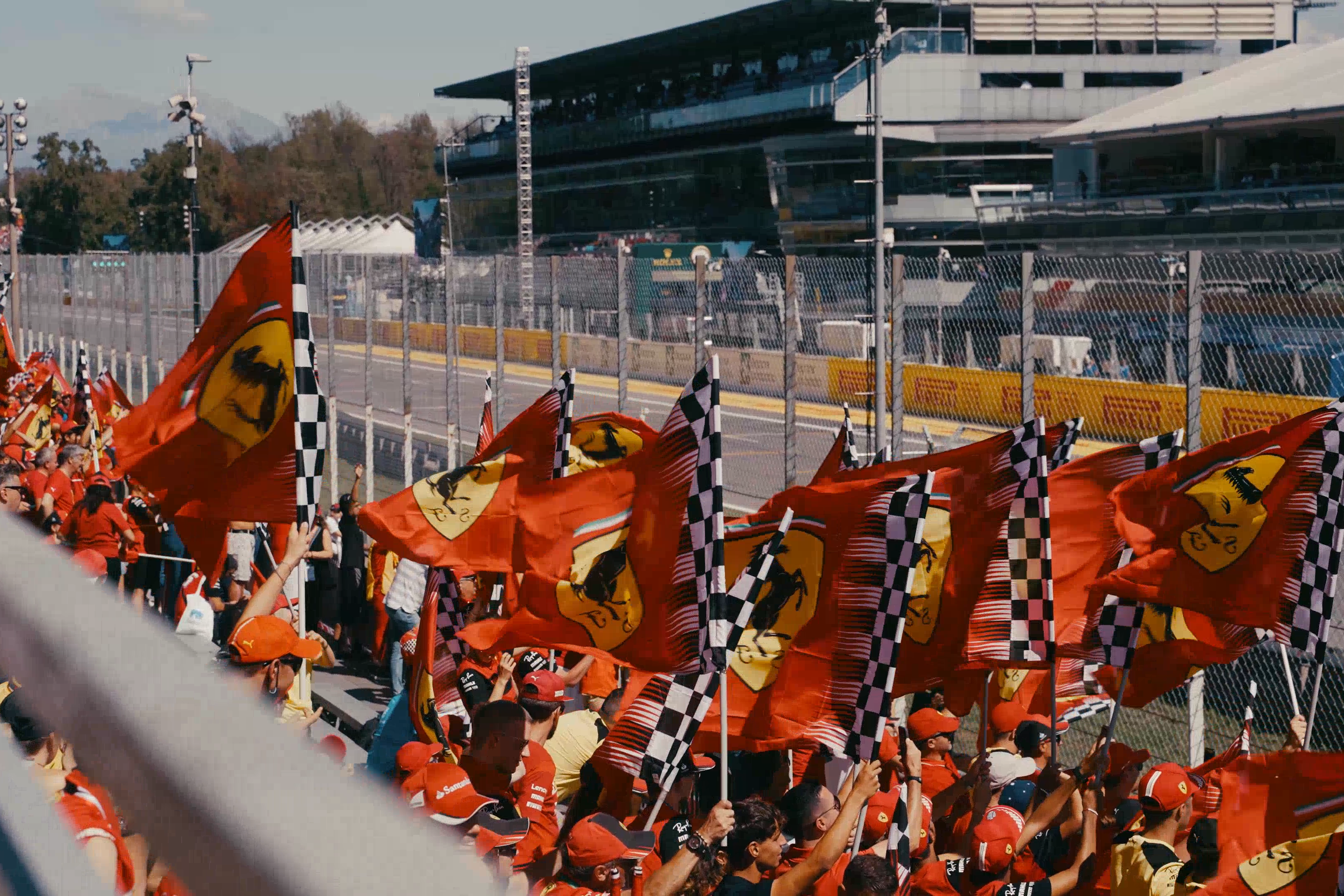
The closing holes on a Ryder Cup Sunday are the loudest patch of ground in the sport. Every home win lands as a roar that rolls back down the fairways to the matches still out on the course, while the away fans travel in tight, outnumbered knots behind their men. Players who have finished come back out to stand greenside and watch, because nobody can bear not to. Captains send their strongest into the middle of the order, where a run of one colour on the board can drag the matches around it along with it.
The Sunday that gets retold most is Brookline in 1999, when the United States came from 10-6 down to win 14½-13½, the celebrations spilling across the seventeenth green before Olazábal had even putted. Europe answered in kind at Medinah in 2012, the same scoreline the other way. And for the cautionary tale, Whistling Straits in 2021: a 19-9 hammering, the widest margin of the modern era, with Pádraig Harrington left to captain the wreckage.
Bethpage 2025, and the road from here
The 2025 match went to Bethpage Black, the brutish public course on Long Island, with the United States hosting and Europe defending. Luke Donald led Europe for the second time in a row; Keegan Bradley took the American side.
Europe had arrived as holders, having won 16½-11½ at Marco Simone in Rome two years earlier, and they doubled down: a 15-13 win on American soil, their first there since Medinah in 2012. They had all but settled it by Saturday night at 11½-4½, a record lead for a travelling side, then survived a furious United States singles comeback that fell just short.
From here the cup crosses back to these islands. The 2027 match is at Adare Manor in County Limerick, the first in Ireland since the K Club in 2006; in 2029 it returns to the United States, to Hazeltine National in Minnesota.
The part the scorecard misses
The format has barely moved in a hundred years: twelve a side, three days, foursomes and fourballs and then the long Sunday of singles. What changes, every two years, is the temperature in the room. That is the part you will never get from a scorecard, and the part worth being there for.

Emma Harrod
Managing Director of Leicester Sales
Managing Director of Leicester Sales at Imperial Corporate Events. She gets to know what suits you, then makes the day happen without the fuss.