Login

We use cookies to understand which experiences land. You can opt in or out — your choice.

Login
Login
Login
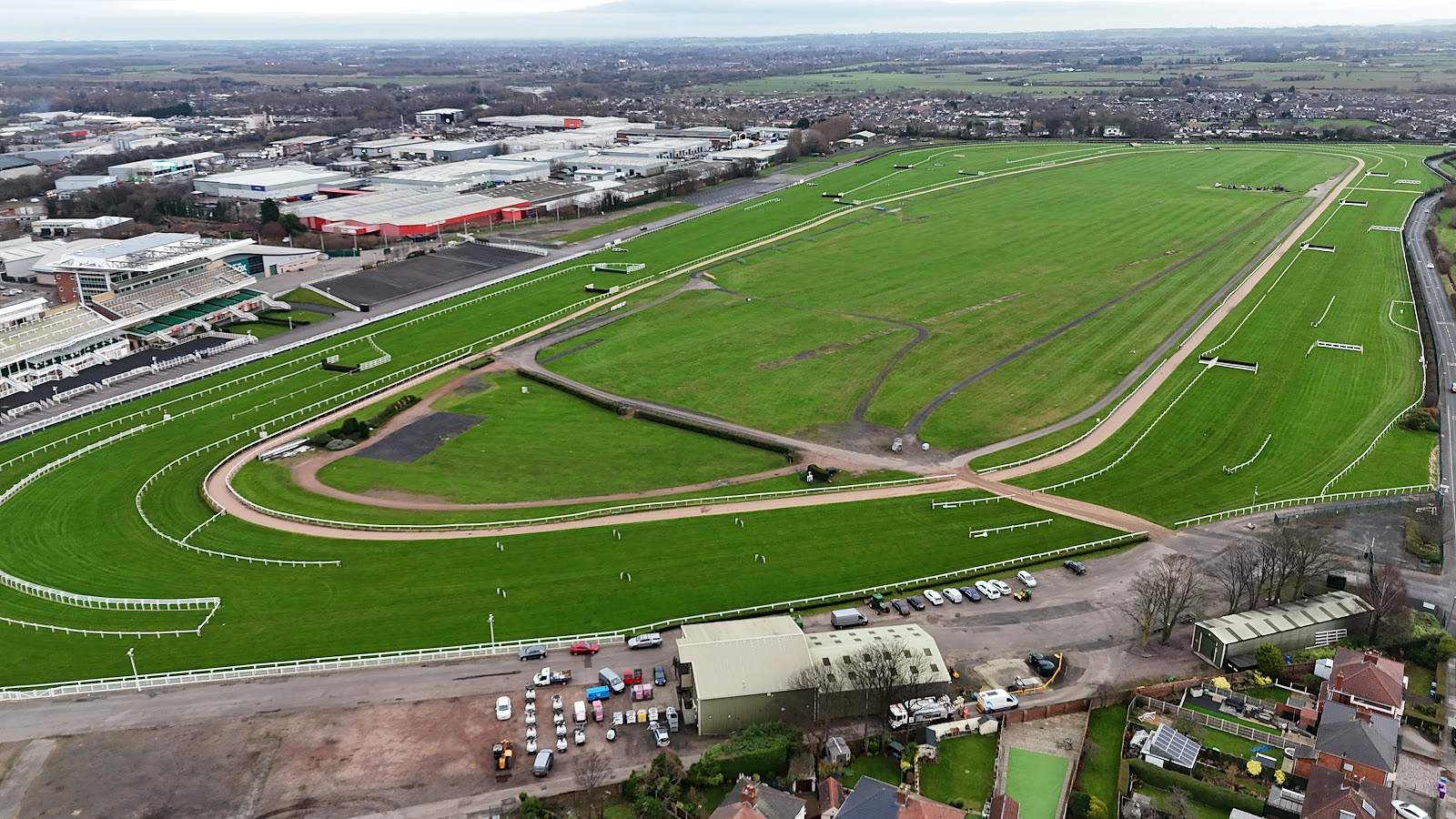
Aintree Racecourse grandstand and the Grand National course
Horse Racing

The Grand National Course Explained: Every Fence, Every Story

A fence-by-fence guide to the Grand National: Becher's Brook, the Chair, the stories.

HomeBlogThe Grand National Course Explained: Every Fence, Every Story
  1. The course at a glance
  2. Becher's Brook
  3. Foinavon
  4. The 100/1 winner who beat chaos
  5. Canal Turn
  6. Where technique wins ground
  7. Valentine's Brook
  8. The Chair
  9. The Water Jump
  10. The plain fences
  11. The Elbow & run-in
  12. Famous winners
  13. Watching it live
Sian Jones
Sian JonesSenior Event Manager
9 min read11 Apr 2026

Summary

The Grand National is a steeplechase of four miles, two furlongs and 74 yards over thirty fences across two laps of Aintree. Sixteen separate obstacles sit on the course; six have names the racing world has known for 150 years. Becher's Brook is the most famous, the Chair is the tallest, and the long flat run-in has decided more races than any individual fence on the way round.

The Grand National is a steeplechase of four miles, two furlongs and 74 yards (approximately four miles 514 yards) run at Aintree Racecourse in Liverpool. It takes place on the Saturday of the three-day Randox Grand National Festival, normally early in April. The first official Grand National was run in 1839; the race has been run almost continuously since.

Most racing-card facts will tell you the National is run over thirty fences. That count is technically right but misleading. The actual course has sixteen separate obstacles; fourteen of them are jumped twice across two laps, and two are jumped only on the first circuit. Six of the sixteen have names that the racing world has known for a hundred and fifty years. This is a fence-by-fence guide to the ones that matter.

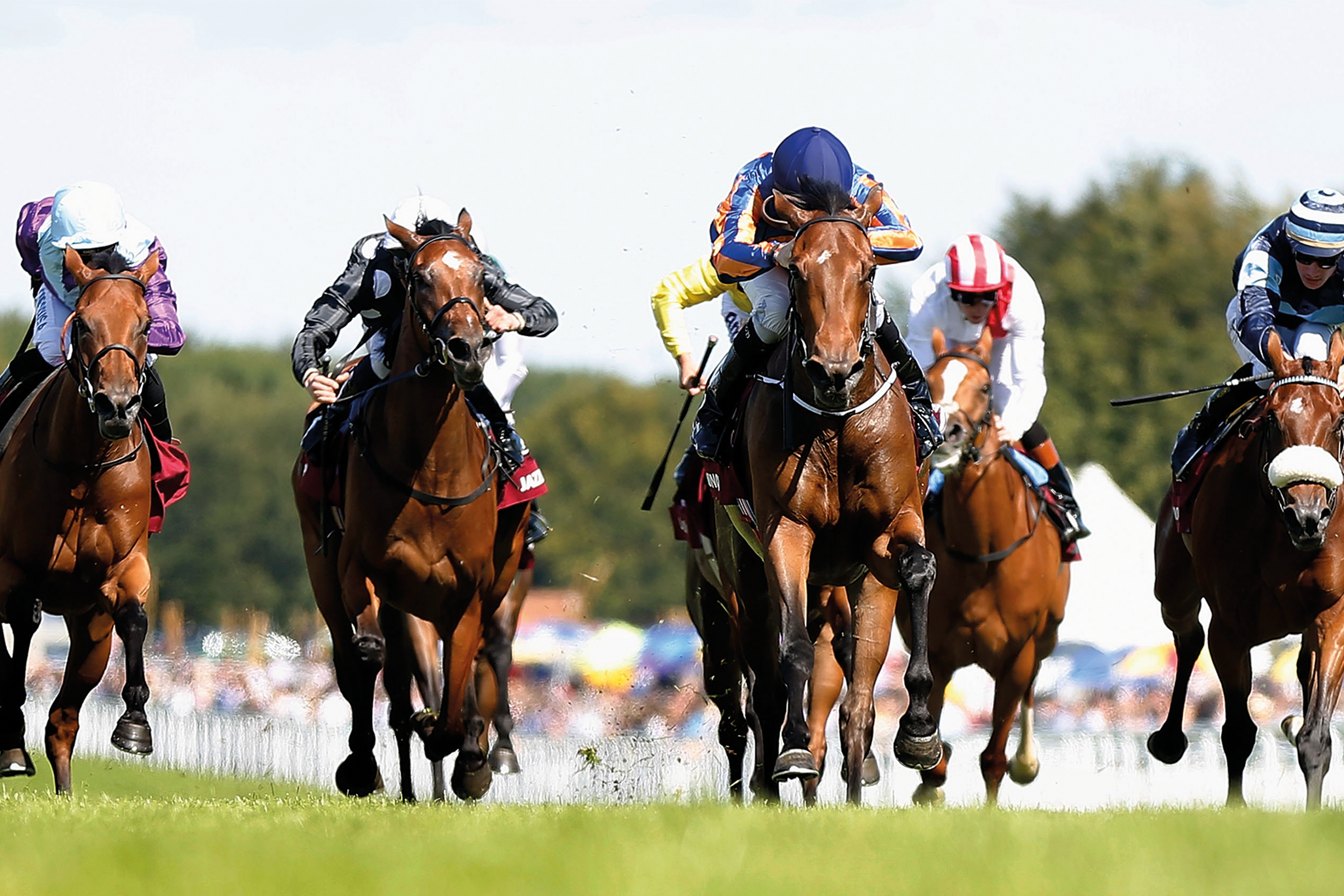
Aintree Racecourse with the grandstand and the famous fences behind
Aintree: home of the Grand National since 1839.

The course at a glance

The Grand National course is a left-handed steeplechase track of approximately two and a quarter miles per circuit, run over two laps and finishing with a long run-in from the Elbow to the winning post. The total race distance is the published British Horseracing Authority figure of four miles, two furlongs and 74 yards.

Sixteen separate fences sit around the course. Fourteen are jumped on both circuits, becoming fence pairs (1 + 17, 2 + 18, 3 + 19, etc.). Two fences sit only on the first circuit: the Chair at fence 15 and the Water Jump at fence 16. After the Water Jump the runners loop back onto the long-side fences to begin the second circuit.

Fences range in height from four feet six inches (the smallest, Foinavon at fence 7 and 23) to five feet two inches (the Chair). All fences except the Water Jump are made from a wooden frame packed with spruce. The plain fences were sloped on the take-off side in 1961 to make them less severe; further modifications followed in 1990, 2011 and beyond.

The maximum field size was 40 runners from 1984 until 2023; it was reduced to 34 runners from the 2024 race onwards.

Becher's Brook: fences 6 and 22

Becher's Brook is the most famous fence in steeplechase racing. It sits as the 6th fence on the first circuit and the 22nd on the second, on the far side of the course. The fence itself is four feet ten inches; the drop on the landing side is what makes it: lower ground on landing than on take-off, currently around ten inches on the inside running rail and six inches on the outside.

The name comes from Captain Martin Becher, a rider in the inaugural 1839 race who fell at this fence from his mount Conrad, sheltered in the brook beneath while the field thundered over, and later reflected that water tasted considerably worse without brandy in it. The brook itself was filled in during 1990; what remains is a shallow trough behind the fence. The drop was further reduced after major modifications in 1990, 2011 and subsequent years.

Foinavon: fences 7 and 23

The smallest fence on the course, at four feet six inches. It sits as the 7th fence on the first circuit and the 23rd on the second. The 23rd, on the second circuit, is the one that gave the fence its name.

The 100/1 winner who beat chaos

On 8 April 1967 a loose horse swerved across the front of the leaders at the 23rd fence, causing a chain-reaction pile-up in which essentially every front-running horse was brought down or had to refuse. Foinavon, ridden by John Buckingham, was so far back that by the time he arrived at the fence the chaos had cleared. He jumped clean, took up the running and stayed there. He won the 1967 Grand National at 100/1, one of the longest-priced winners in racing history. The fence was officially renamed the Foinavon Fence by Aintree in 1984.

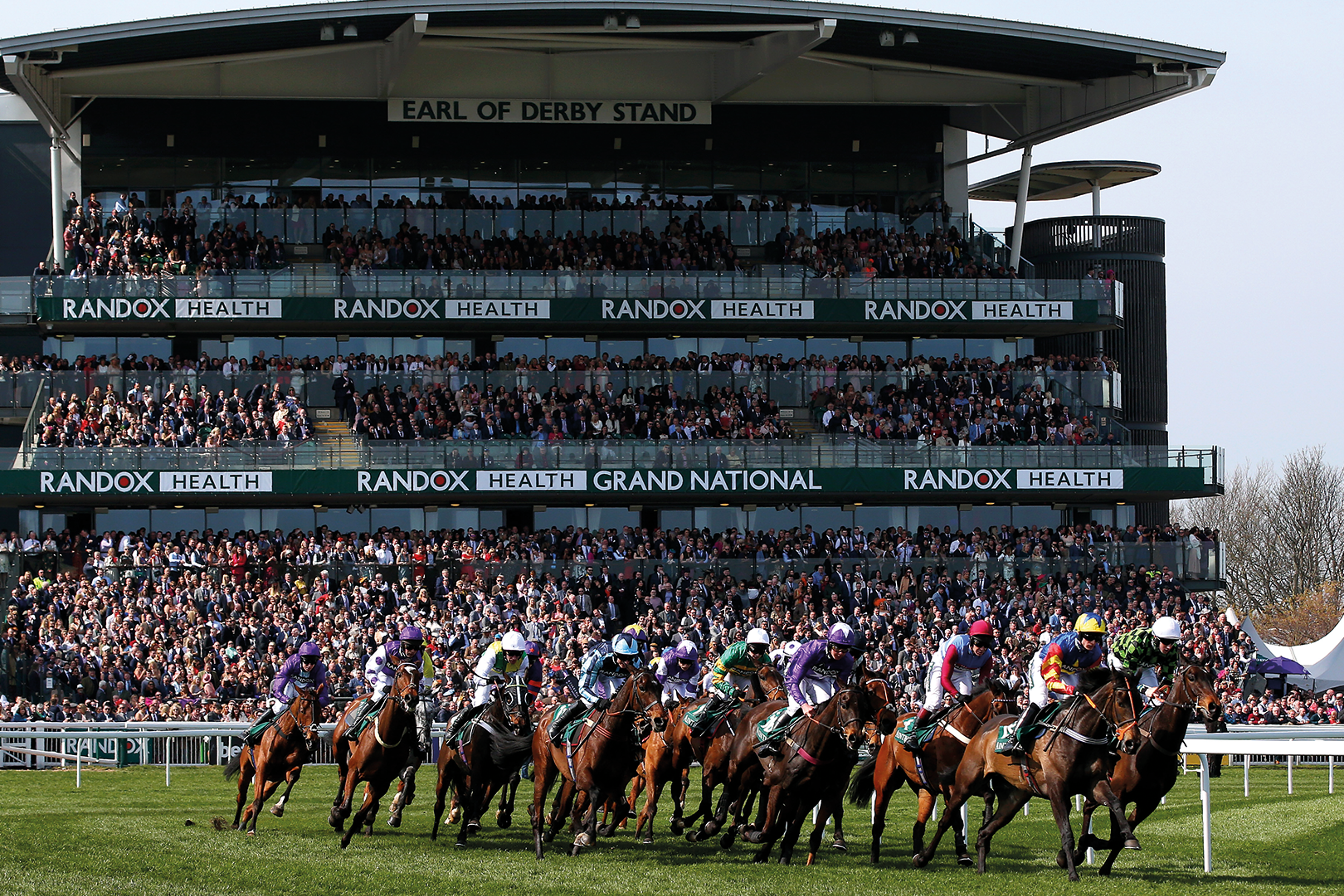
Aintree Racecourse stands and crowd on Grand National day
Forty thousand spectators line the rails for the start of the National.

Canal Turn: fences 8 and 24

Where technique wins ground

A five-foot fence with a sharp left turn immediately after landing. The Canal Turn is the 8th fence on the first circuit and the 24th on the second, sitting on the back straight of the course. The Leeds and Liverpool Canal runs along the boundary of the racecourse at this point, which is where the fence gets its name.

The turn after landing is close to ninety degrees and forces jockeys to angle their horses sharply left in mid-air to get the best possible position for the turn. Horses who jump straight on at the Canal Turn lose ground; horses who anticipate the turn well move up the field. It is one of the few fences where the jockey's technique through the air directly affects position after landing.

Valentine's Brook: fences 9 and 25

A five-foot fence with a small brook on the landing side. Valentine's is the 9th fence on the first circuit and the 25th on the second. It sits a short way past the Canal Turn on the back straight.

The fence was originally called the Second Brook (with Becher's being the First). It was renamed after a horse called Valentine who is reputed to have jumped it hind legs first in the 1840 race and somehow stayed up; the horse went on to finish third. The brook itself was filled in alongside Becher's in 1990; what's left is the cosmetic landing.

The Chair: fence 15 (first circuit only)

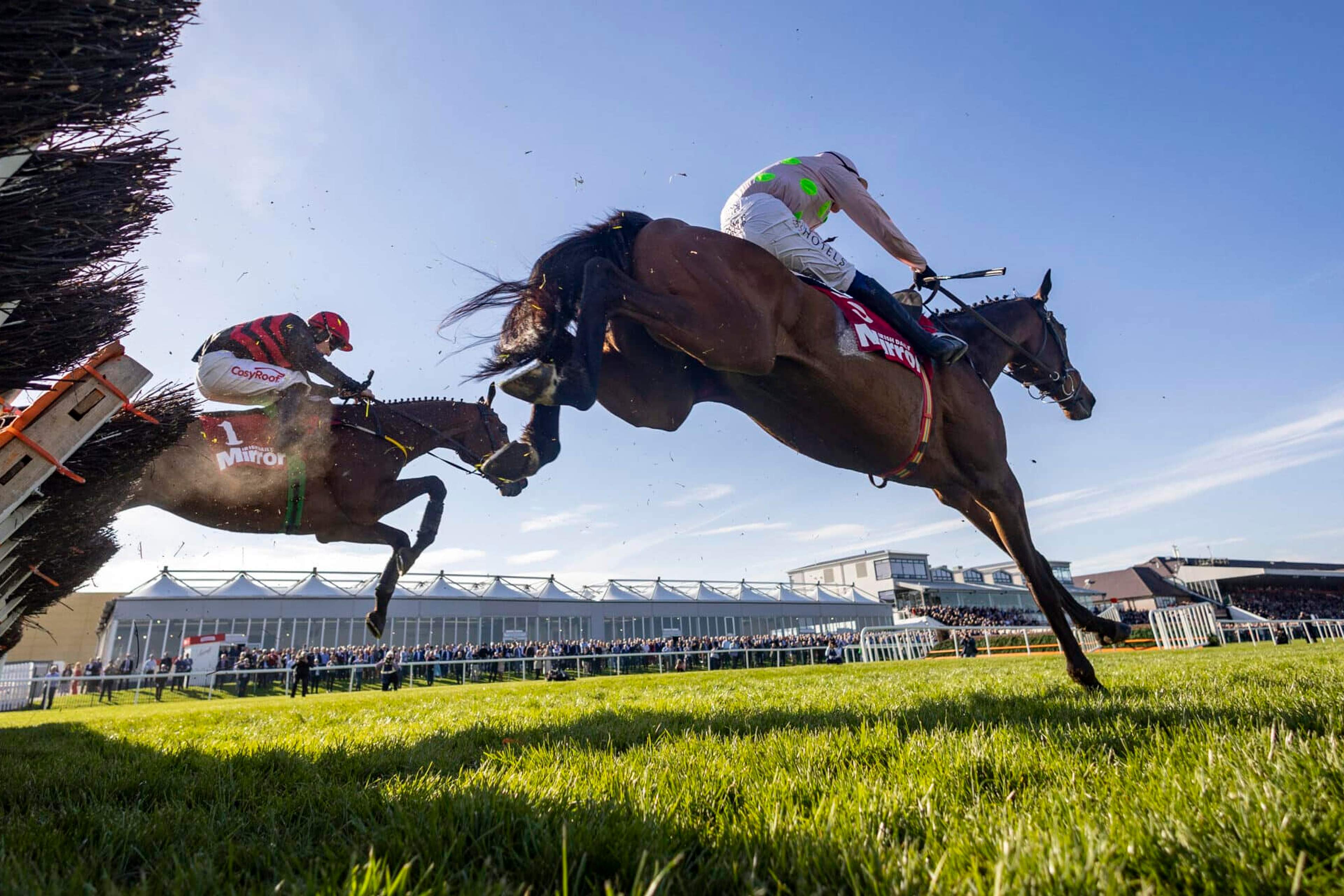
The Chair is the tallest fence on the course at five feet two inches, preceded by a six-foot open ditch on the take-off side. It sits as the 15th fence of the race, on the home straight before the runners head out for their second circuit. It is jumped only on the first circuit.

The fence takes its name from the chair once positioned beside it, where the distance judge sat in the days when races were run in heats: the judge marked the runners who failed to finish within a set distance of the leader. The chair is gone but the fence has kept the name. The Chair is comfortably the largest fence the field meets at Aintree and it sits right in front of the grandstand, which makes it the most-photographed fence of the four and a half miles.

The Water Jump: fence 16 (first circuit only)

The Water Jump is the 16th and final fence of the first circuit and the only fence on the course that is not built from a spruce-packed frame. It is a low fence (around two feet six inches) followed by a stretch of water around twelve feet six inches wide. It is jumped only on the first circuit, immediately after the Chair, in front of the grandstand.

It is the easiest of the named fences. Falls at the Water Jump are rare. Most of its function is dramatic: a fast, low, splashy jump immediately after the towering Chair is the moment the crowd in the grandstand sees a complete field most clearly before the runners head off on the second circuit.

Aintree paddock and parade ring on Grand National day
The Aintree paddock fills before each of the seven races on Grand National day.

The plain fences

Fences 1 to 5, 10 to 14, and the corresponding second-circuit fences (17 to 21, 26 to 30) are plain steeplechase fences without their own names. They range from four feet six to five feet, with sloped take-off sides since the 1961 modifications. They are described in the racing press as the "plain fences" or "the fences in between."

The plain fences are not the obstacles that win or lose the race for most runners. The named fences (Becher's, Foinavon, Canal Turn, Valentine's, the Chair) are. The plain fences exist to tire the field between the named ones; the cumulative effect of jumping thirty fences over four and a half miles is what makes the National different from other steeplechases, even when no specific fence brings a horse down.

After the last fence: the Elbow and the run-in

The final fence (the 30th, which is fence 16 of the lap, or the second crossing of the original fence 14) sits two furlongs from the winning post. The run-in is famously long: nearly five hundred yards of flat grass between the last and the line. It includes a slight dogleg around halfway called the Elbow.

Many Grand Nationals have been won and lost on the run-in. Horses can lead over the last and tire badly between the Elbow and the line; the long flat finish gives a fitter horse the time to come through. Devon Loch's collapse in 1956, when the Queen Mother's horse stretched into what looked like a winning lead and inexplicably collapsed yards from the line, happened on this stretch.

Famous winners and dynasties

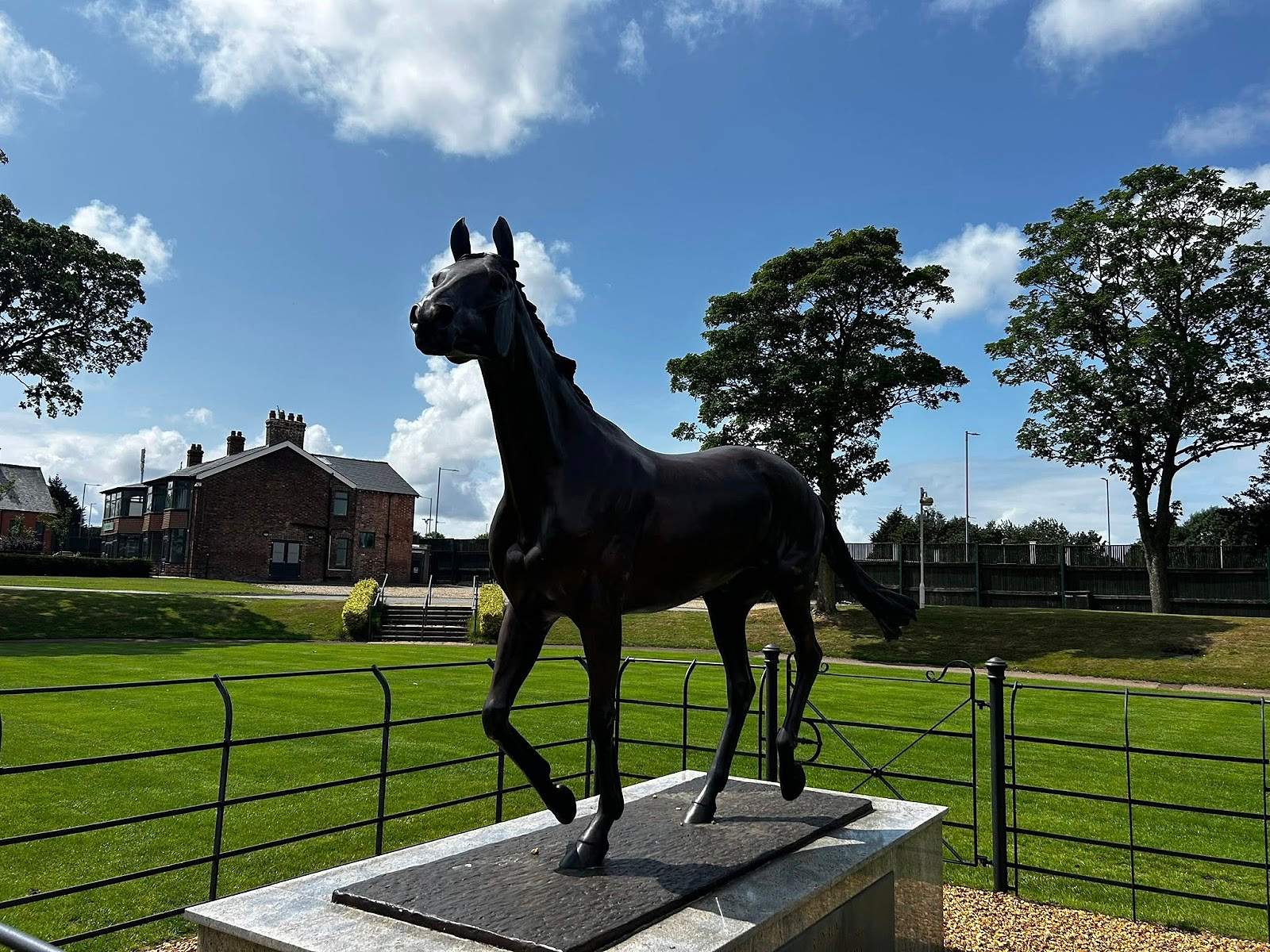
Red Rum is the only horse to win the Grand National three times (1973, 1974, 1977) and to finish second in the intervening years. His statue stands in the parade ring at Aintree. Tiger Roll won back-to-back in 2018 and 2019, the first horse to do so since Red Rum.

Foinavon's 100/1 win in 1967 is the longest-priced winner anyone remembers; Mon Mome at 100/1 in 2009 matched the price more recently. Aldaniti's 1981 win with Bob Champion was famously turned into the film Champions; Bob Champion returned from cancer, Aldaniti returned from a serious leg injury, and both wrote one of the more emotional chapters in modern racing.

Watching the race itself

The Grand National is the fourth race of the seven-race card on Saturday afternoon at the Randox Grand National Festival. Post time has traditionally been around 5:15pm in early April, which lines up with peak attendance, the Channel 4 / ITV broadcast slot, and the maximum number of viewers who have bet on the race in the morning.

Grand National
Horse Racing

Grand National

Private balcony dining overlooking Aintree's home straight

AintreeEnclosure accessNational day
Grand National
Horse Racing

Grand National

Private balcony dining overlooking Aintree's home straight

AintreeEnclosure accessNational day

From a viewing point at Aintree, the line of fences across the back of the course is the longest visible sightline. The Canal Turn is the fence to watch if you want to see jockeys actively making position decisions in the air. The Chair is the fence the cameras frame from in front of the grandstand. Becher's Brook is the fence to be near for the loudest crowd noise of the day.

Sian Jones

Sian Jones

Senior Event Manager

Senior Event Manager at Imperial Corporate Events, looking after the racing season and the country sporting calendar.

View profile
Grand NationalHorse Racing

Related articles

View all articles
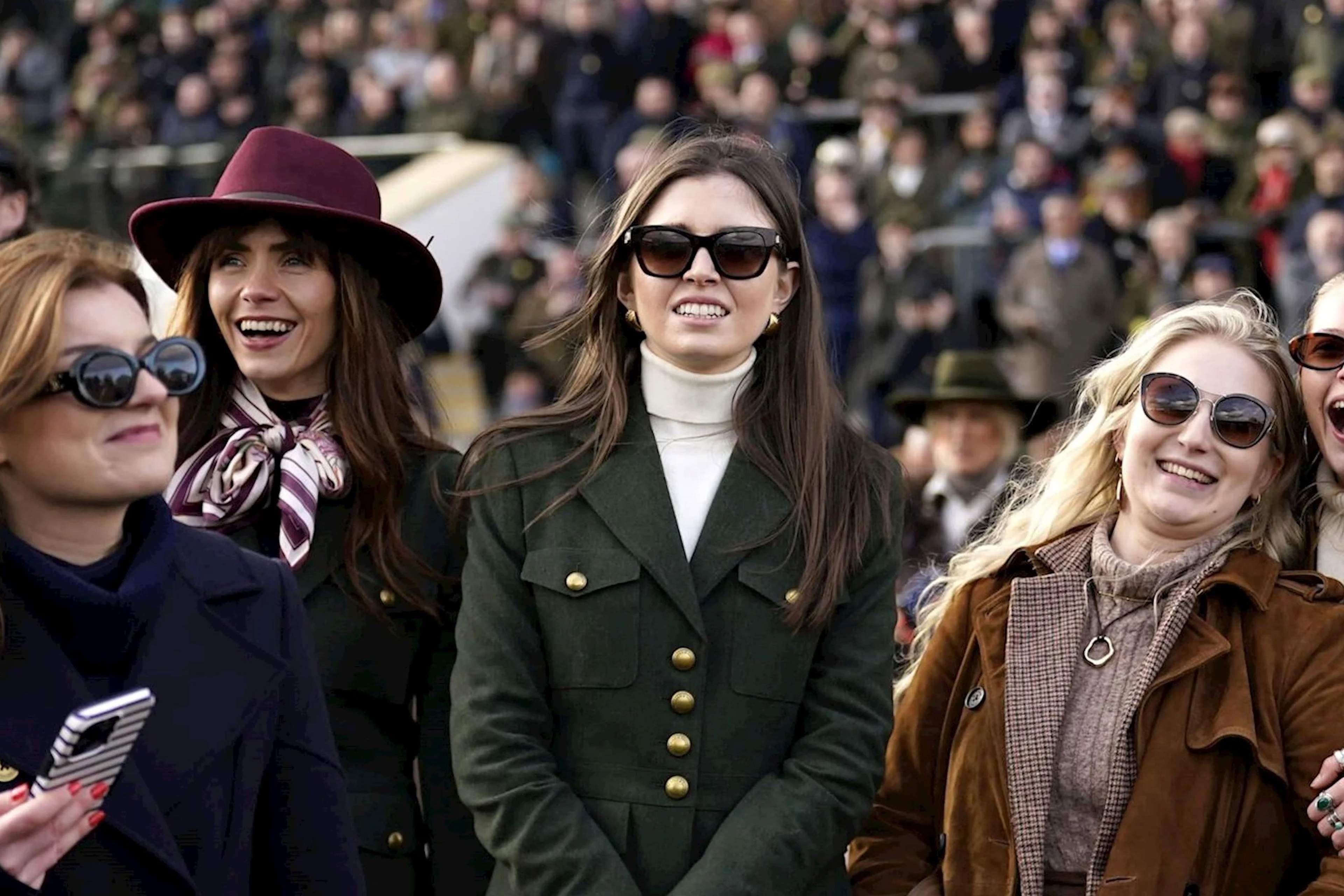
Race-day crowd at Cheltenham Racecourse
Horse Racing
Cheltenham FestivalDress CodeHorse Racing

Cheltenham Festival dress code: smart means tweed and mud

Cheltenham has no official dress code. The unwritten one: tweed, boots, a waxed jacket for rain.

4 min read08 May 2026
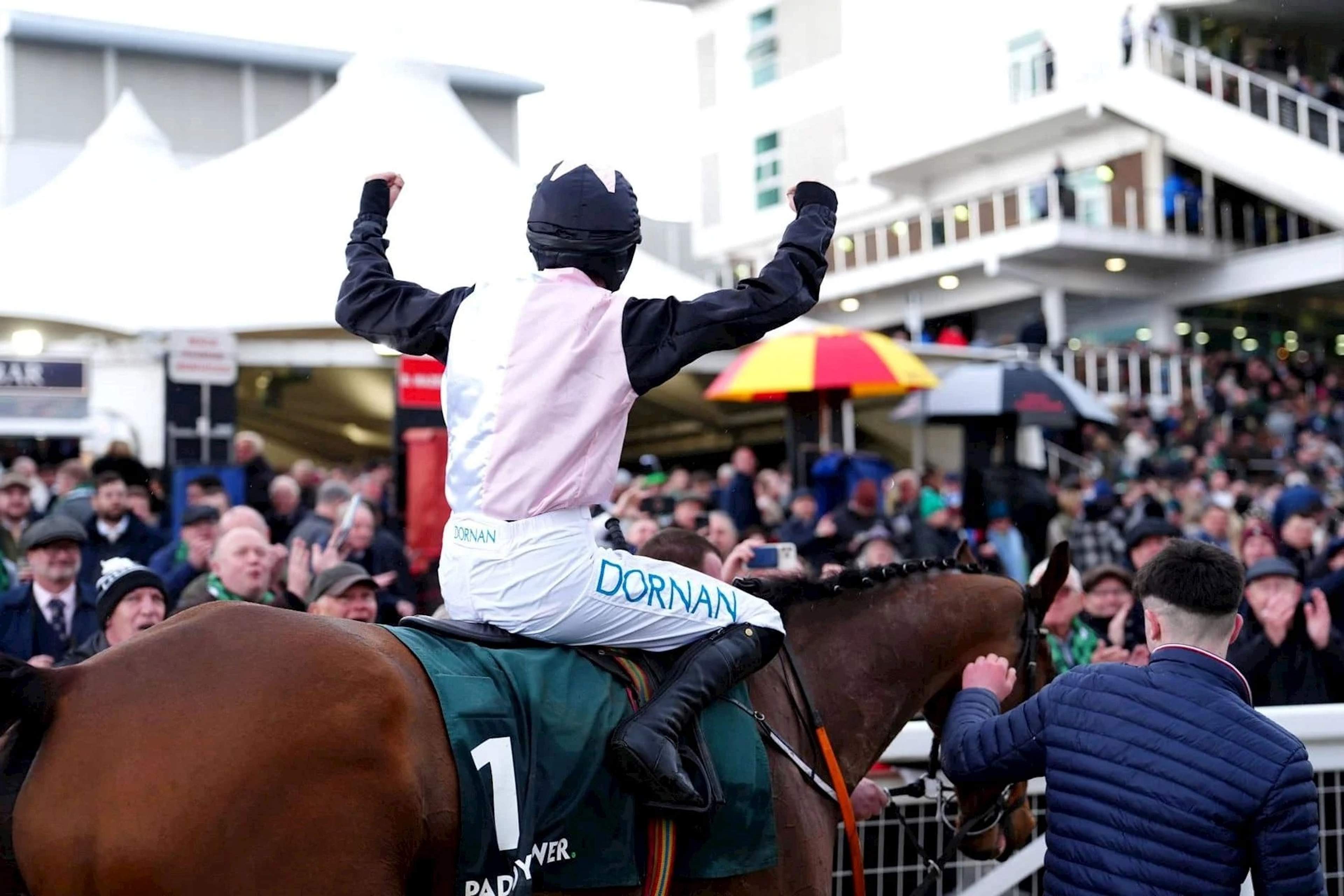
The Cheltenham Racecourse grandstand on a Festival race day
Horse Racing
Cheltenham FestivalHorse RacingHospitality

A Day at Cheltenham Festival

What a Cheltenham Festival day actually looks like, from the Roar to Gold Cup Friday.

5 min read13 Apr 2026

Get early access to the best experiences, straight to your inbox

By subscribing you agree to with our Privacy Policy.

Experiences

  • Sports
  • Entertainment
  • Food & Culture

Company

  • Blog
  • Client Portal
  • Careers
  • Respect Charter

Connect

  • Facebook
  • Instagram
  • LinkedIn
  • Youtube
  • (+44) 01162 695979
  • info@imperial.events

Copyright © 2026 Imperial Corporate Events Ltd. All rights reserved.

  • Privacy
  • Terms of Service
  • Cookies