Summary
Cheltenham has no official dress code, but the unwritten one is firm, and it catches out anyone who arrives dressed for Ascot. The look is country, not city: tweed, a waxed jacket and boots that can take mud. It works the same way for men, jump to Men and women, jump to Women, and across all three enclosures, jump to The enclosures. The only real decision is how comfortable you want to be, and whether your shoes survive the grass, which is wet by Wednesday.
Most dress-code worry at Cheltenham comes from people who prepared for the wrong day out. They picture Royal Ascot, pack a morning suit or a big hat, and arrive to a biting March wind and a crowd dressed for a day's shooting. There is no official dress code here. The Jockey Club's whole position is a polite shrug: smart is preferable, check the forecast, dress accordingly. So the forecast is really the dress code, and it usually says rain.
If you have never been, the Festival is four days of jump racing in mid-March, Tuesday to Friday. It is the biggest week of the National Hunt season and draws a huge Irish crowd, and it builds to the Gold Cup on the Friday, run since 1924. None of which tells you what to wear, so here is the whole answer up front: tweed or wool, a waxed jacket for the rain, and boots that can handle wet grass. Smart, warm and mud-ready. Everything below is detail on top of that.
What counts as smart
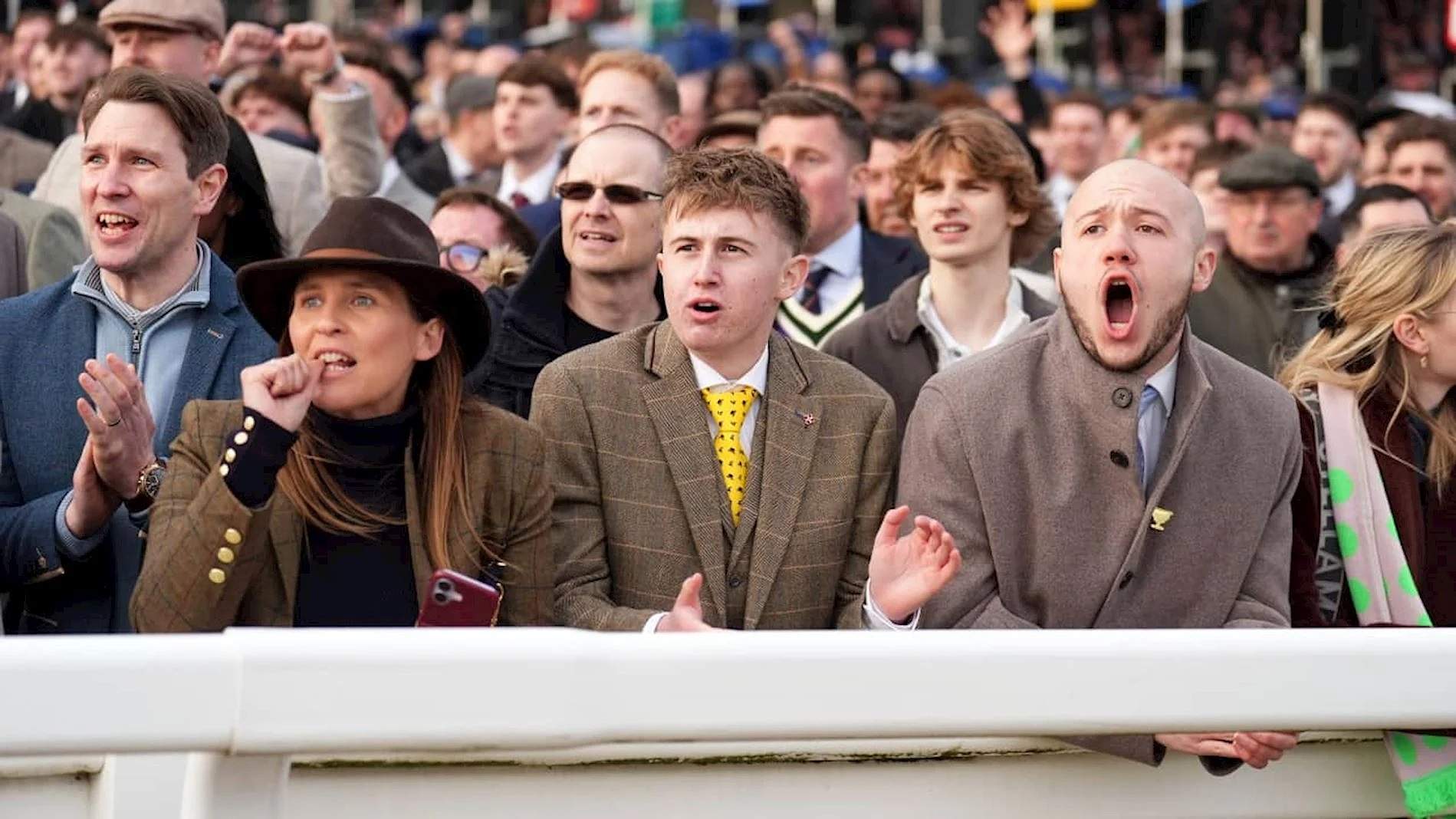
There are no rules to memorise, so "smart" does the work, and at Cheltenham it means country smart. The easiest test: aim for a country wedding or a good Cotswold pub lunch, not a city office and not a summer garden party. If it is warm, weatherproof and would look at home on a shooting estate, you are right. If it would look better at a summer drinks party, you have overcooked it.
Men
The whole look is tweed and warmth. Start here and you cannot go far wrong.
- JacketA tweed or check sports jacket. Add a waxed jacket over the top if rain is likely, which it is.
- TrousersMoleskin, cord or wool, in tan, olive, brown or grey.
- Shirt and tieA checked or plain shirt, with a knitted or wool tie, or an open collar. Ties are optional almost everywhere.
- ShoesBrogues on a dry day, country or Chelsea boots if you will be on the grass.
- HatOptional, but a flat cap or a felt trilby fits right in and keeps the rain off.
Two outfits that always work:
- The classicBrown tweed jacket, tattersall shirt, knitted green tie, moleskin trousers, brown brogues, flat cap.
- The wet-dayOlive waxed jacket over a roll-neck, cord trousers, leather country boots. Warm, dry and entirely in keeping.
Women
The same country idea, with more room to play. Warmth and good boots matter more than any rule.
- Top layerA tweed blazer, a wool coat, or a quilted gilet over a jumper.
- Dress or separatesA wool midi dress, or a tweed skirt or trousers with a polo neck and a knit.
- ShoesKnee-high or ankle boots, flat or block heel. Stilettos and wet grass do not get on.
- HatOptional. A felt fedora or a small headpiece, smaller and more practical than the Ascot kind.
- WarmthA scarf and a proper coat. March in the Cotswolds is not kind.
Two outfits that always work:
- The classicBelted wool coat, polo neck, tweed midi skirt, knee-high boots, felt fedora.
- The wet-dayQuilted gilet over a chunky knit, wool trousers, leather ankle boots, with a waxed or wool overcoat to hand.
What not to wear
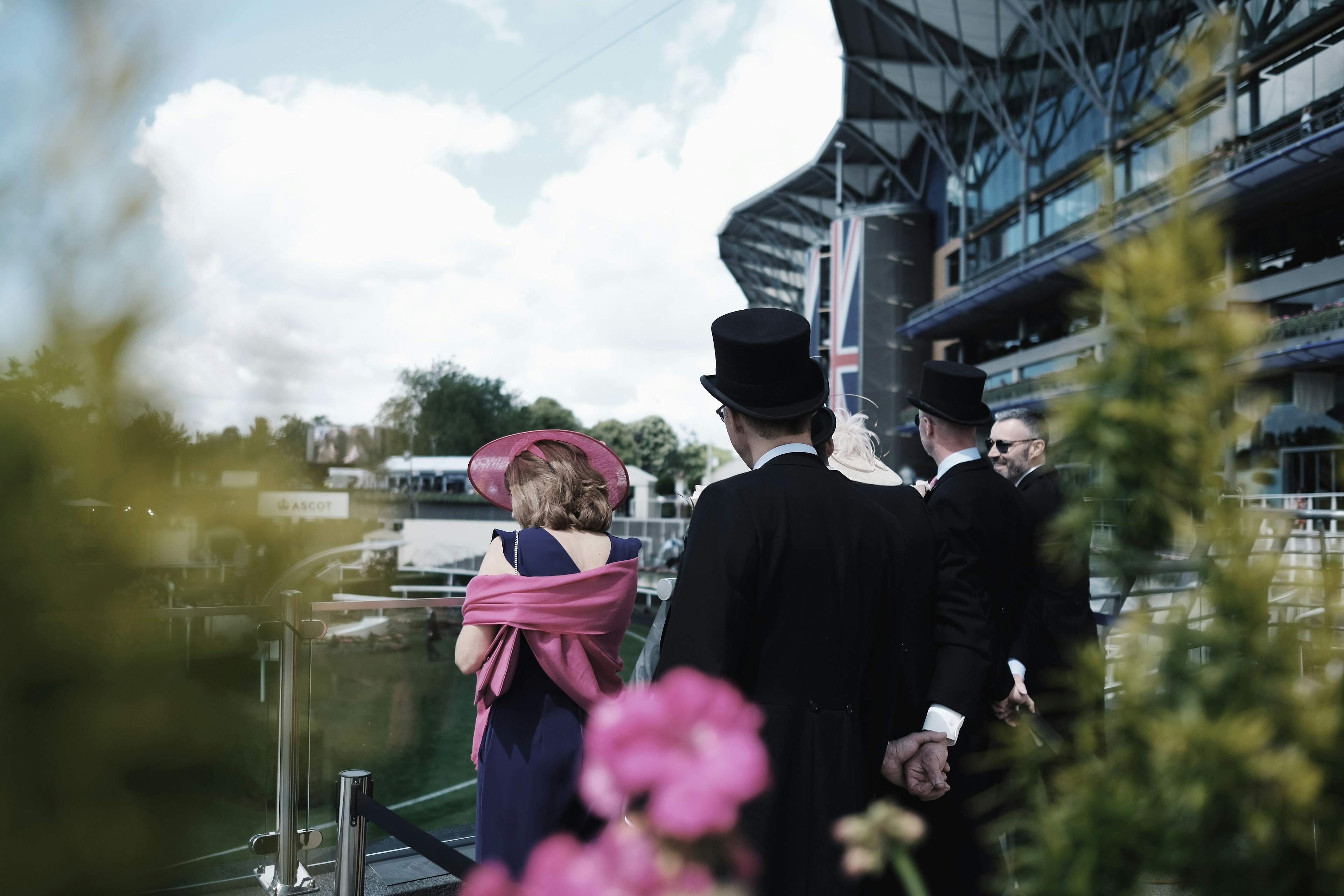
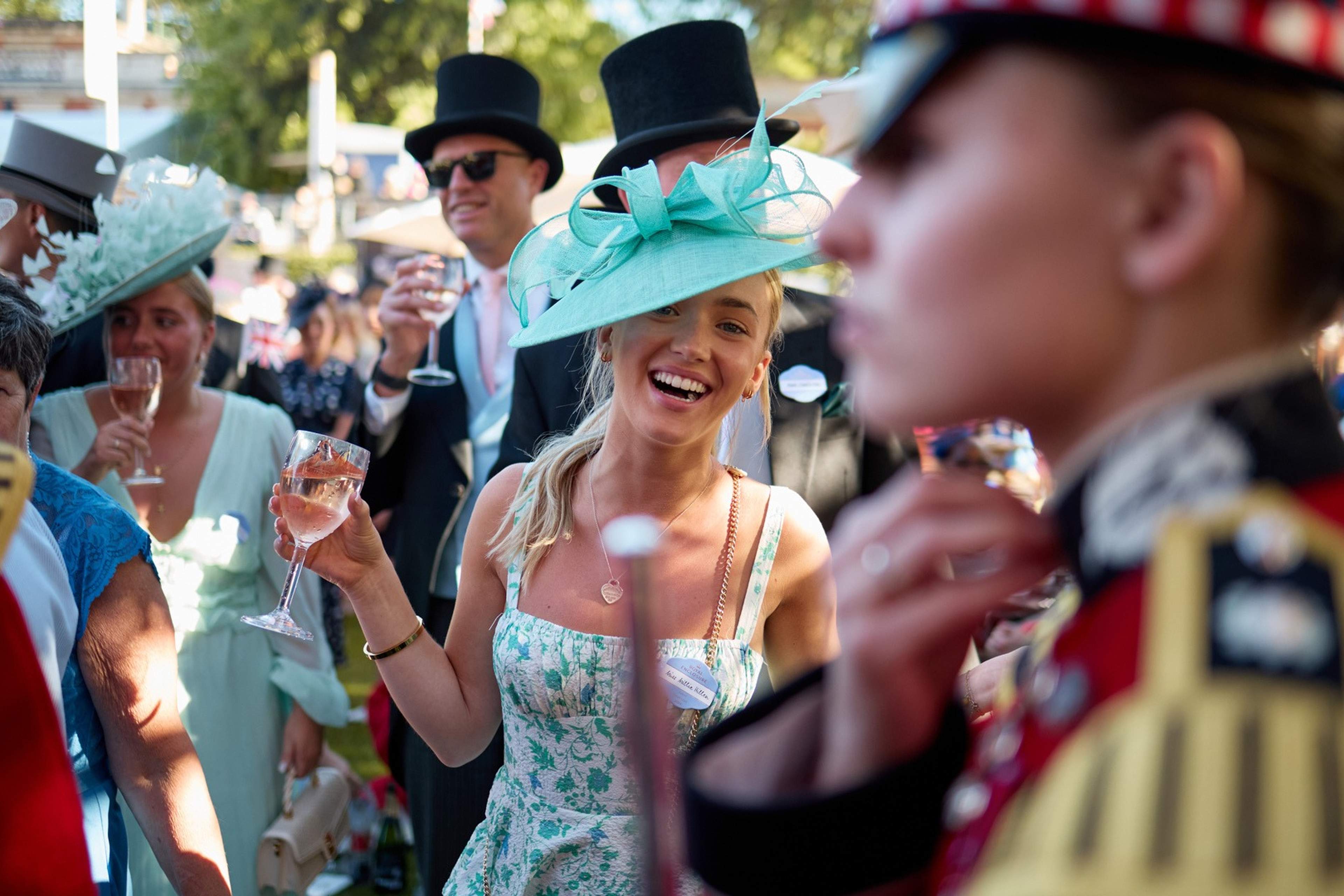
The fastest way to look out of place is to dress for the wrong racecourse. Morning suits, top hats, four-inch hat bases, lace and chiffon, the wedding-grade hats of Ascot's Ladies' Day: none of it is banned, and all of it stands out. Nobody will stop you at the gate. You will just be the one person who came dressed for June, in March, in a field. The other classic mistake is fashion over function: the new suede shoes or the proper heels that look right in the car park and are finished by the third race.

Why it's all tweed
None of this is costume for its own sake. Cheltenham is a country racecourse in a Cotswold valley, the racing is jumps, a sport rooted in rural life in Britain and Ireland, and mid-March in Gloucestershire is cold and wet more often than not. The clothes are simply the right tool for the day.
Tweed is wool, woven for exactly this: warm, hard-wearing and happy to be rained on. Good boots take the mud, and a waxed jacket sheds a downpour that a city coat would soak up. The wardrobe grew out of the weather, which is why it has barely changed in seventy years.
The Irish crowd cements it. The Festival falls on or near St Patrick's week, the Irish turn out in huge numbers, and they arrive dressed exactly the same, because tweed reads as Irish as easily as British. A photograph from the 1960s and one from this year are hard to tell apart.
The enclosures
The dress code is the same in all three enclosures, which is to say still none. So the choice is really about where you want to spend the day, and that comes down to why you are going.
The Club Enclosure is the top tier and the one to pick if you would rather be warm, fed and close to the action than packed into a crowd. It has lawn-side views of the Parade Ring, indoor seating, a covered route to the rail, and The Orchard, the hospitality area Cheltenham bills as "a first in British horseracing." Most of the on-course hospitality sits in here, and it is the end of the course we usually arrange for guests. The Royal Box, before you ask, is a separate thing.
Tattersalls is the middle tier and the loud, crowded heart of the meeting: the biggest crowds, grandstand-side lawn, and bars and food everywhere. If you are there for the atmosphere more than the comfort, this is the one, and it is where the tweed and boots really earn their keep.
Best Mate sits opposite the main grandstand on the inside of the home straight, with its own grandstand, betting, bars and food, and its own gates to the south. It is the value option, good for a no-frills day close to the racing, with the trade-off that you miss the Parade Ring, the Pre-Parade Ring and the Shopping Village.
Footwear and weather
- Country bootsThe right answer for Best Mate or Tattersalls, where you live on the grass. Brogues or Chelsea boots are fine in the Club Enclosure if you are not standing on the lawn. Heels lose, every time.
- Waterproof jacketNot optional. A waxed jacket or a Barbour-style coat sits right with everything else; a clear plastic poncho just says you panicked.
- LayersIt can swing five degrees between a sunny parade ring and a shaded grandstand corner. A wool coat with a jumper or gilet under it covers the whole day.
- UmbrellaWorth it for the parade ring and the walks between bars. In a real downpour it gives up and the jacket does the work.

Sian Jones
Sport Events Operations Manager
Sport Events Operations Manager at Imperial Corporate Events. She’s the one on the ground making sure your day runs, from the Abu Dhabi Grand Prix to Royal Ascot.