Summary
Royal Ascot's men's brief looks like the easy half and is the half people trip on. Morning dress in the Royal Enclosure, a suit in the others, and a kit, jump to The kit at a glance with a few hard lines: a black, grey or navy coat (never brown), a plain waistcoat, a matching top hat, black leather shoes, and a tie that can be playful but never a bow tie. The brief loosens as you move out through the enclosures, jump to Outside the Royal Enclosure, and the same mistakes, jump to The mistakes that come up every year turn up every June.
Reassuringly, the rules are stricter than they are difficult.
Most men assume the dress code is the women's problem and turn up expecting to coast. The headline rules are simple enough, morning dress in the Royal Enclosure and a suit elsewhere, but the trouble lives in the details, and the details are where the stewards earn their keep.
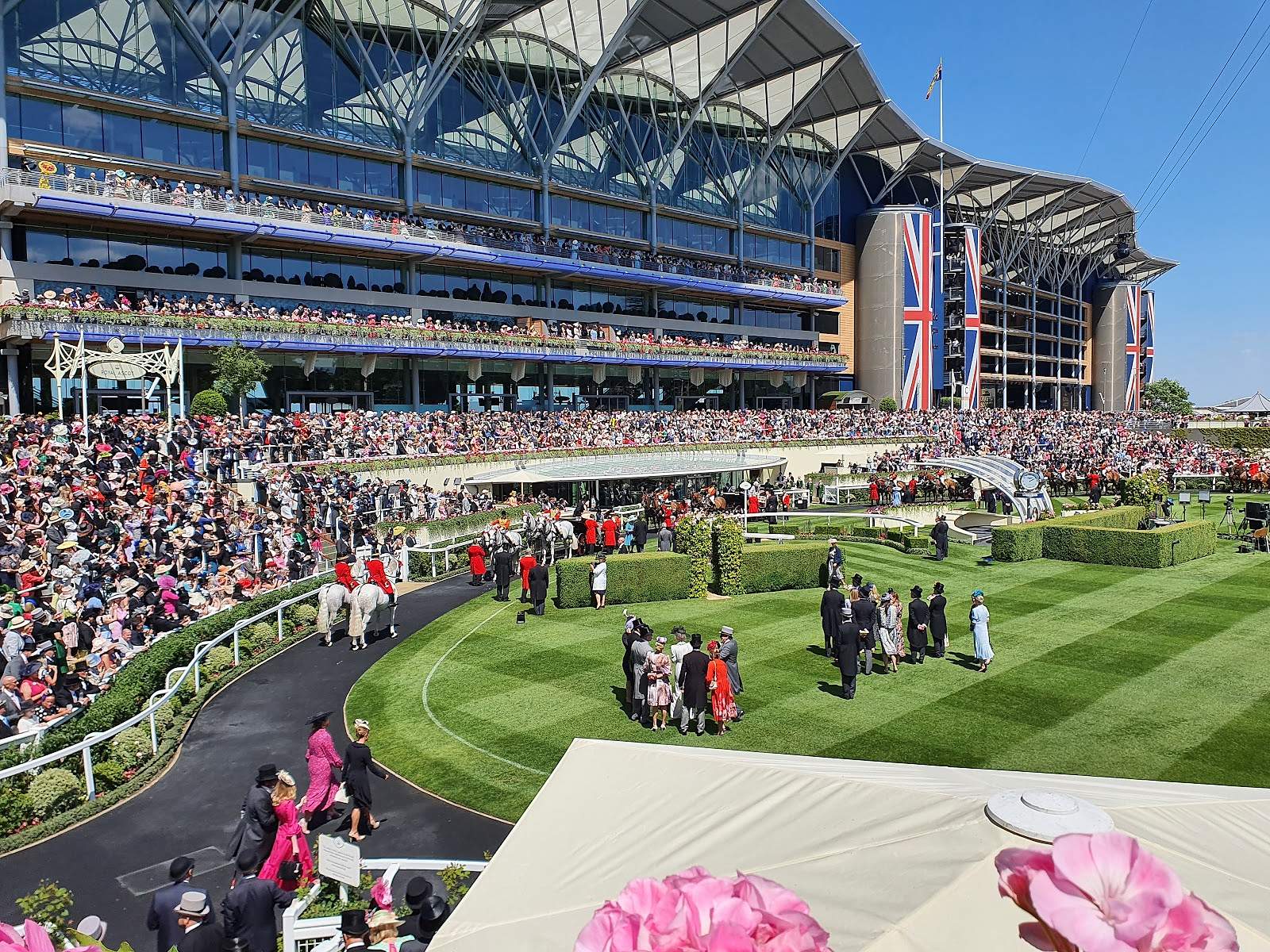
The kit at a glance
- Morning coatSingle-breasted, in black, grey or navy. Never brown. Grey wears coolest on a hot June afternoon.
- WaistcoatAny plain colour, from buff to pale pink. Hem at the waistband, never peeking below the jacket.
- Top hatBlack or grey, silk or felt. On outside, off indoors, and never rested on a chair.
- Shirt and tieA plain white double-cuff shirt, and a tie is required. No bow ties, no cravats in the Royal Enclosure.
- TrousersMatch the coat in fabric and colour. A black coat takes grey-striped trousers, the classic pairing.
- Shoes and socksBlack leather only, polished not just clean. Plain dark socks. Leave the novelty pair at home.
The morning coat
Three colours pass in the Royal Enclosure: black, grey or navy. Every June a guest arrives in tan or chocolate brown, usually grabbed in a hurry from a hire-shop window, and ends up swapping at the gate. Brown has never been on the list. Within the three, black is the formal default, navy the rarest, and grey the one most stewards will quietly tell you is the most comfortable, because Berkshire in June can run warm.
Hire if it is your first time or an occasional thing, and buy only if you will wear it more than three times. Either way, get it fitted to your shoulders, because a hire coat that does not fit is more obvious than no morning coat at all.
The waistcoat
Plain colours pass, and the range is wider than most men expect: cream, dove grey, buff, soft yellow, sage, pale pink. What does not pass is novelty, a regimental back panel in a loud colour, slogans, or anything you would not wear in front of your future father-in-law. Keep the hem at the waistband, since a waistcoat showing below the jacket is the fastest way to look hired. A watch chain is welcome and a pocket watch a nice touch, but a normal wristwatch is entirely fine whatever the internet tells you.
The top hat
Black or grey, silk if you have inherited one and felt if you have not. Both are hot, and there is no shade in the Parade Ring at three in the afternoon. The rule is simple: on outside, off the moment you step into a building, with boxes and restaurant pavilions counting as inside. Carrying it is the real skill, one hand and brim down, and never set down on a chair, because top hats crush and do not pop back.
Shirt, tie and the cravat question
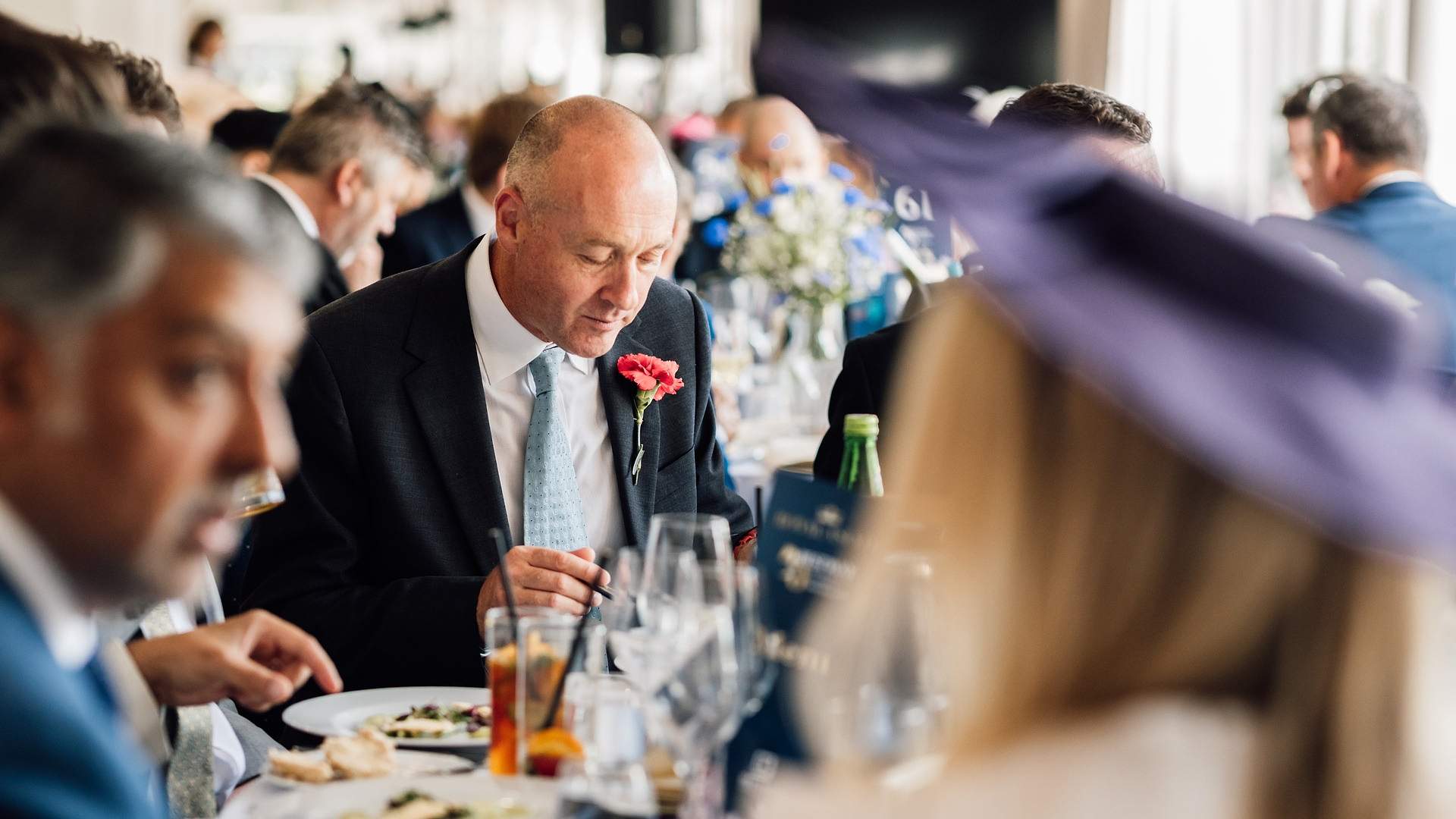
A plain white double-cuff shirt with cufflinks is the unimpeachable choice; pale blue or pink pass, but white is correct. A tie is required, and the code allows it to be playful, so a patterned silk in one dominant colour is the safe way to look like yourself. Bow ties and cravats are explicitly out in both the Royal and Queen Anne Enclosures, and stewards have turned guests away to change in recent years. The Village Enclosure allows them; everywhere that matters does not.
Trousers, shoes and socks
Trousers match the coat in fabric and colour, the one exception being the traditional grey-striped trousers worn with a black coat. The classic error is pairing morning trousers with a lounge jacket, which fools nobody. On the feet, black leather only in the Royal Enclosure, oxfords ahead of derbies and brogues borderline; no suede, no patent, no loafers. Polished, not merely clean, because the walk in is long enough to show every scuff and the stewards do notice. Socks plain and dark, and yes, the novelty-sock decade can sit this one out.
The finishing touches
A buttonhole still looks right: a single rose, carnation or peony in white, cream or pale pink, worn in the left lapel. If the hire package throws one in, take it. The cane and the gloves have all but faded, seen now on a handful of older regulars in the Royal Enclosure, and neither needs a place on your list.
Outside the Royal Enclosure
- Queen Anne EnclosureSmart daywear: a suit or jacket and trousers, collared shirt and tie. No top hat, no colour rule. Bow ties and cravats still out.
- Village EnclosureSuit or jacket and trousers, with the tie optional and the crowd younger. A T-shirt still will not get you in.
- Windsor EnclosureSmart casual: a collared shirt with smart trousers or chinos, jacket optional. Trainers, shorts and ripped denim are out.
The mistakes that come up every year
Tan or beige morning coats
Right in the hire-shop window, wrong at the gate. Brown shades are not on the list; black, grey or navy only.
Novelty waistcoats
The regimental back panel is the most common offender, usually because the wearer is rightly proud of the regiment and has not read the rule.
Brown shoes in the Royal Enclosure
Black only in the Royal Enclosure. Brown passes in the Queen Anne, Village and Windsor, never in the Royal Enclosure.
Bow ties
Explicitly not permitted in the Royal Enclosure or the Queen Anne Enclosure, though they are allowed in the Village. A standard tie is the only safe answer for the Royal Enclosure.
Wearing full morning dress into Queen Anne or the Village
Not against the rules, but it reads as over-dressed and slightly lost. Save the morning coat for the day you are in the Royal Enclosure.
The smart-casual misread for Windsor
A polo shirt and chinos do not qualify; a collared shirt with chinos or smart trousers does. Leaving the jacket in the car is acceptable, a vest top is not.
None of this is hard once you know it, which is exactly why it is worth knowing before the day rather than discovering it at the gate. A correctly cut coat, a plain waistcoat, polished black shoes and a sensible tie will carry you through the Royal Enclosure without a second thought, and squaring away the rest of the day is what we are here for.
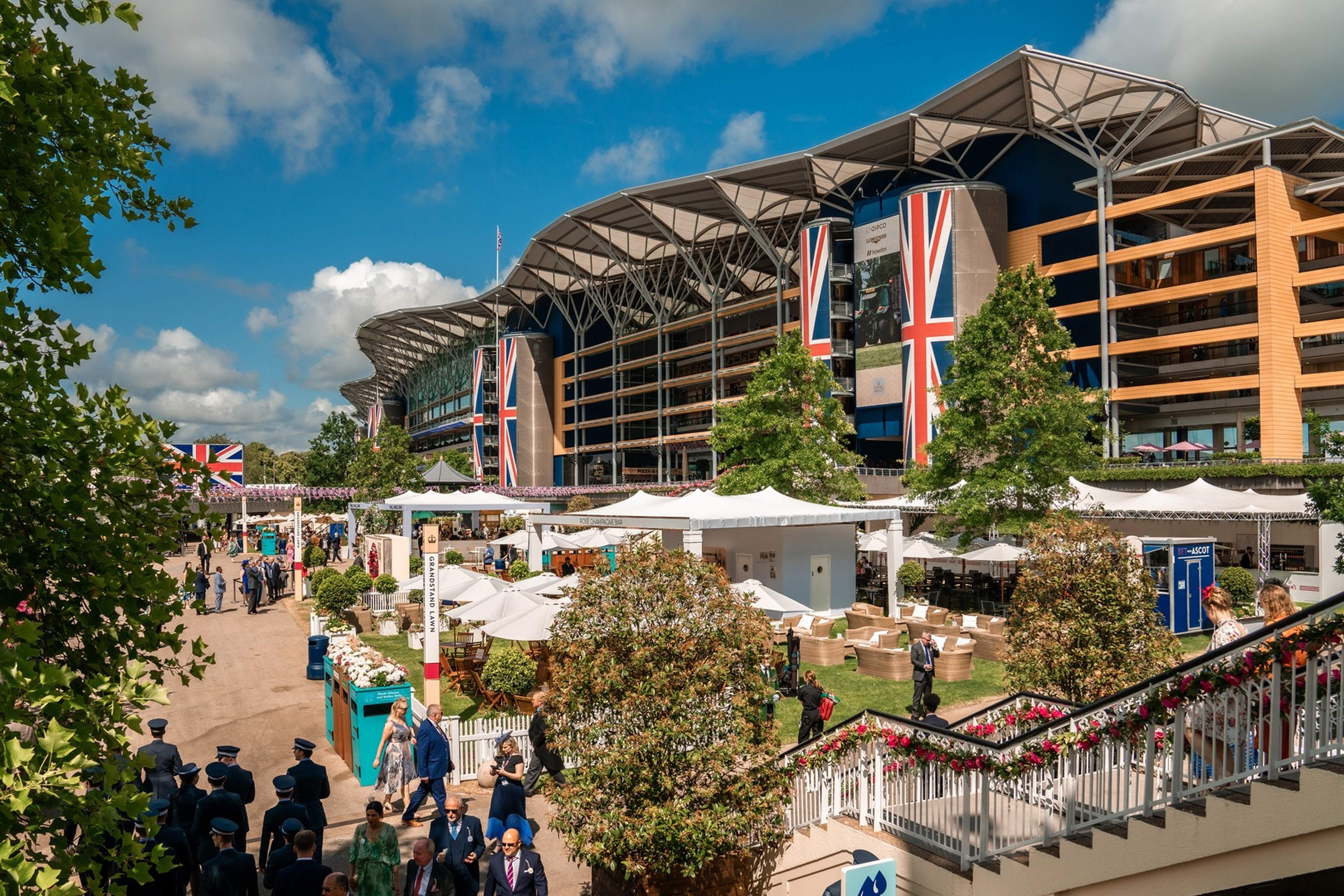


Get the coat colour right, keep the hat on outside and the shoes polished, and Royal Ascot's famous men's code comes down to four or five rules and a bit of nerve. The nerve is the easy part once the kit is sorted.

Daniella McBride
Sales Manager
Sales Manager at Imperial Corporate Events. Whatever you’re booking, sport or music, she’s easy to plan with and stays on it until it’s right.