
Summary
The best heritage trains in the world are the ones still running their original carriages, built between the wars and kept working rather than retired to a siding. This ranking runs from the Venice Simplon-Orient-Express, jump to 1. Venice Simplon-Orient-Express, whose coaches date to the 1920s, through eight of the great ones and out to Rajasthan, jump to 8. Palace on Wheels. Five we arrange end to end; the other three, jump to 4. Al Andalus we can't book, but a list that left them off would be a poorer list. Every departure we run is settled by phone, with cabins, dining and transfers sorted before you reach the platform.
1. Venice Simplon-Orient-Express
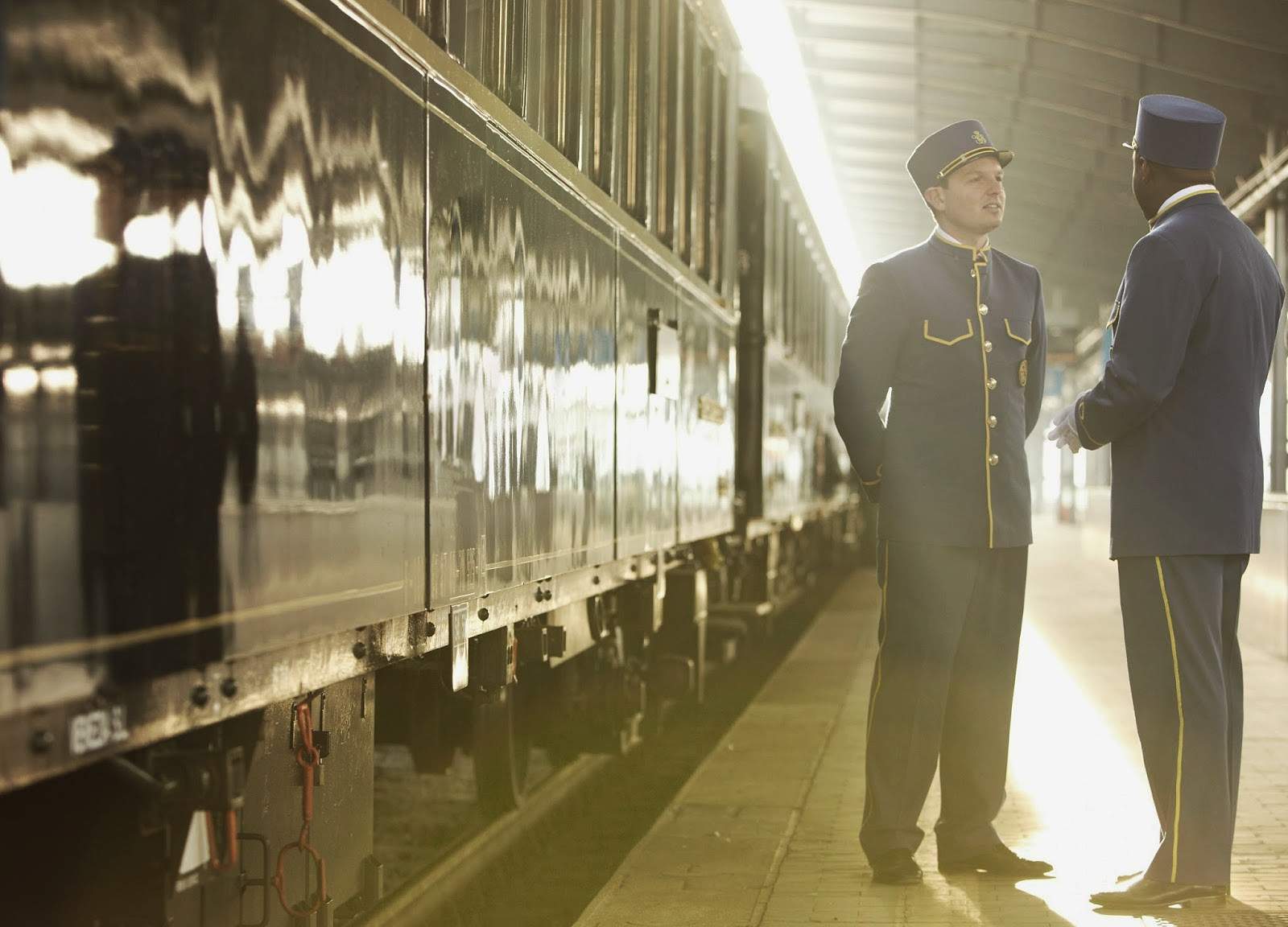
The Orient-Express began as one man's idea of what a train could be. Georges Nagelmackers, a Belgian engineer who had seen Pullman's sleeping cars in America, ran the first Express d'Orient out of Paris in 1883 and built a company, the Compagnie Internationale des Wagons-Lits, to carry the idea across the continent. By the 1920s its coaches were fitted with Rene Lalique glass and marquetry in precious woods, and the name had attached itself to a whole style of travelling. Then the line faded. What saved it was one collector: James Sherwood spent years tracking down thirty-five of the original 1920s and 1930s carriages, had them restored rather than copied, and ran the first Venice Simplon-Orient-Express from London to Venice in 1982.
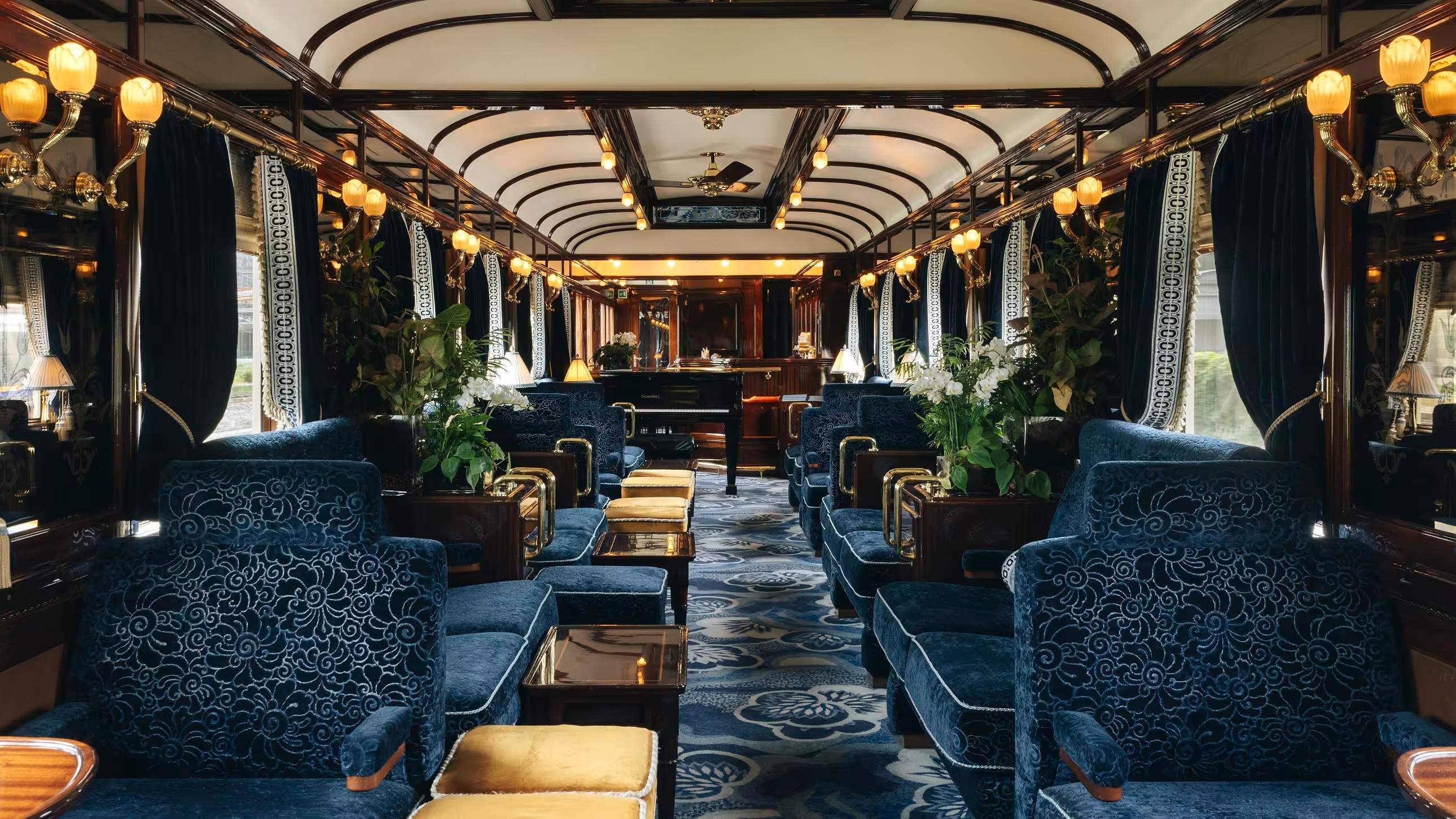
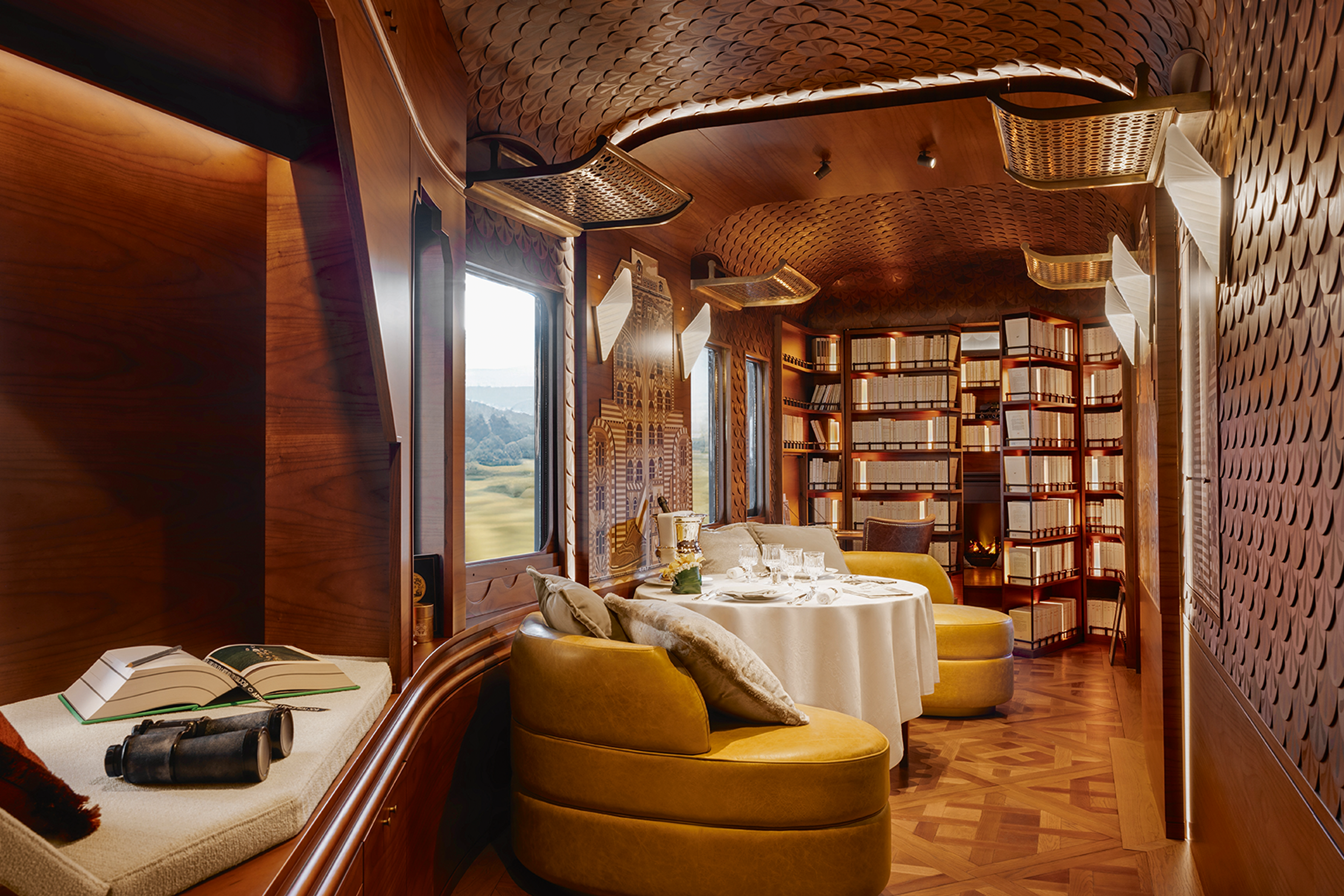
The route you can board now runs Vienna to Venice, over the Alps, and the carriage you sit in is the history rather than a set dressed to look like it. One coach, the Cote d'Azur, still carries Lalique glass panels whose moulds no longer exist, so they can never be remade. Where you sleep is the real decision. A Historic Cabin is a lounge by day and a berth by night, a lot of period character in not much floor space; a Grand Suite trades that for room to spread out, private dining and your own en suite.
The current departure leaves Vienna in mid-December, when the Christmas markets are open and the State Opera is in season, so there is a reason to arrive early and stay late.
2. Belmond British Pullman
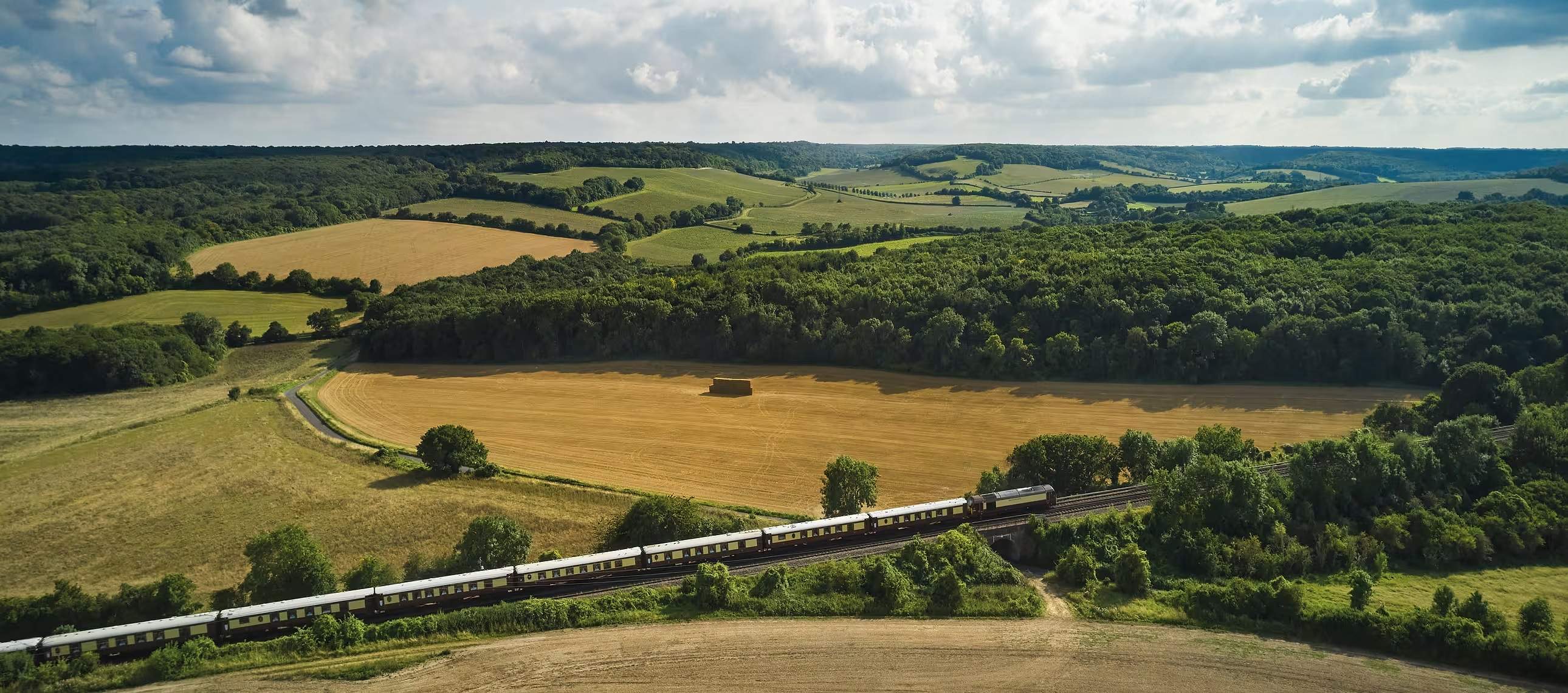
Britain built its own answer to the Wagons-Lits carriages, and the British Pullman runs on the survivors. These are genuine Pullman cars from the 1920s and 1930s, the wood-panelled coaches that once worked the named expresses between London and the coast, restored and kept in service by the same Belmond operation behind the Orient-Express. It is the British side of the same story, no Channel crossing and no overnight, but the same carriages and the same century behind them.
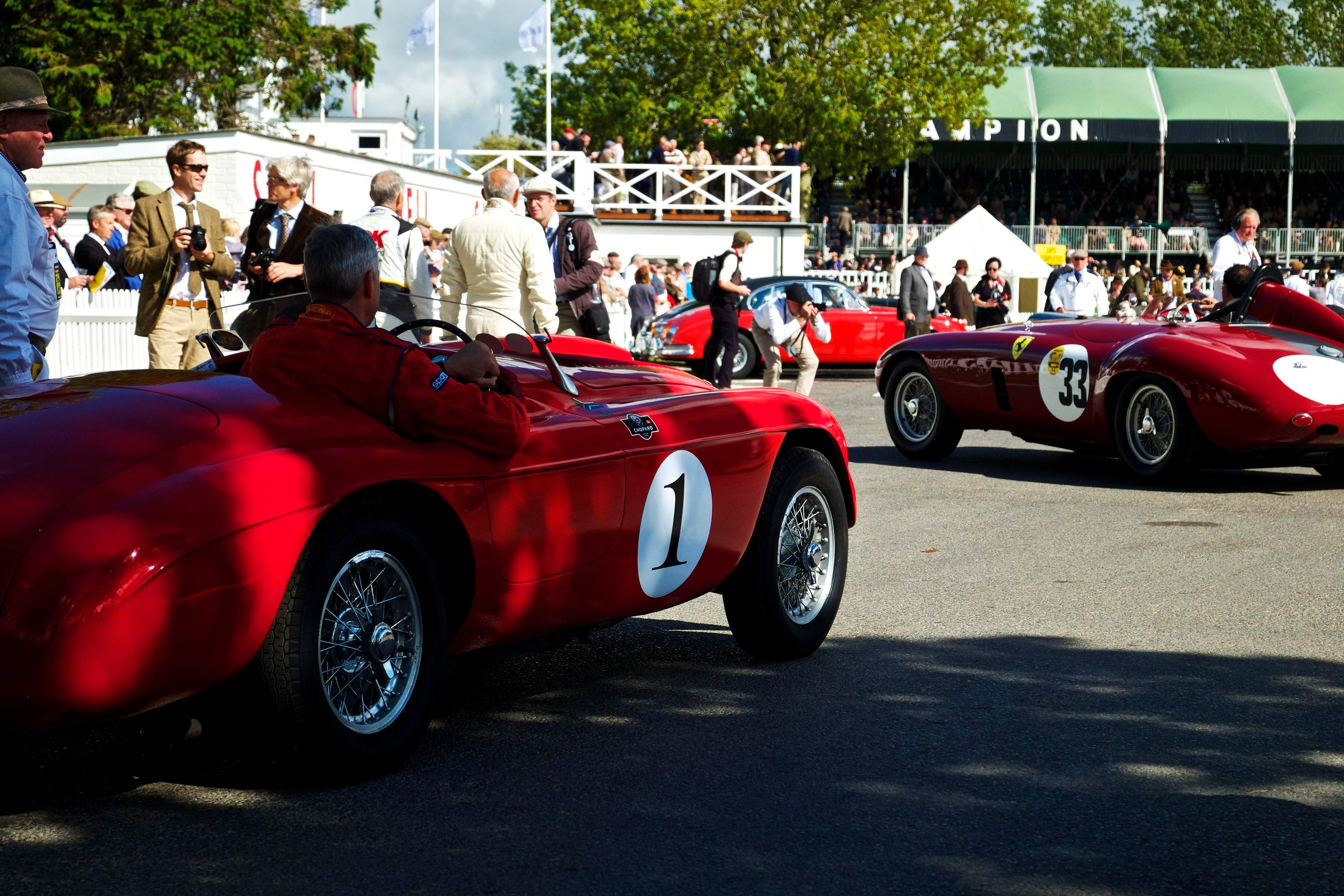
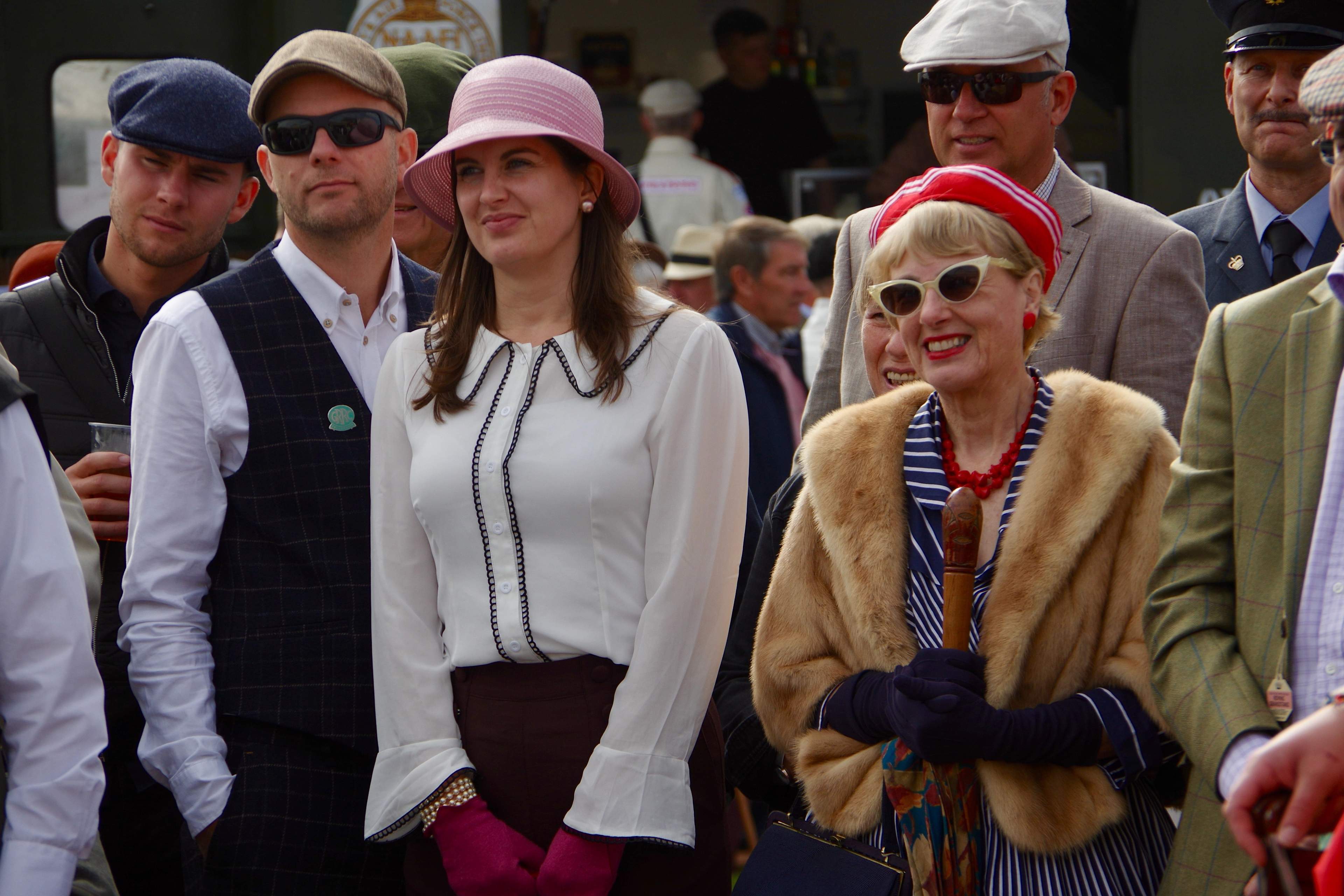
You board at London Victoria in the morning and eat breakfast while the train crosses the home counties. The food is cooked on board, not loaded on cold at the platform. What makes the day is where the train takes you: get the timing right and it delivers you to Goodwood Revival or Glyndebourne, and the journey does the part the M23 cannot. A named host runs the day, the transfers to and from Victoria are handled, and the briefing on the destination and the dress code comes before you leave.
For a single day with nothing to plan overnight, it is the shortest way onto carriages of this age.
3. Rovos Rail
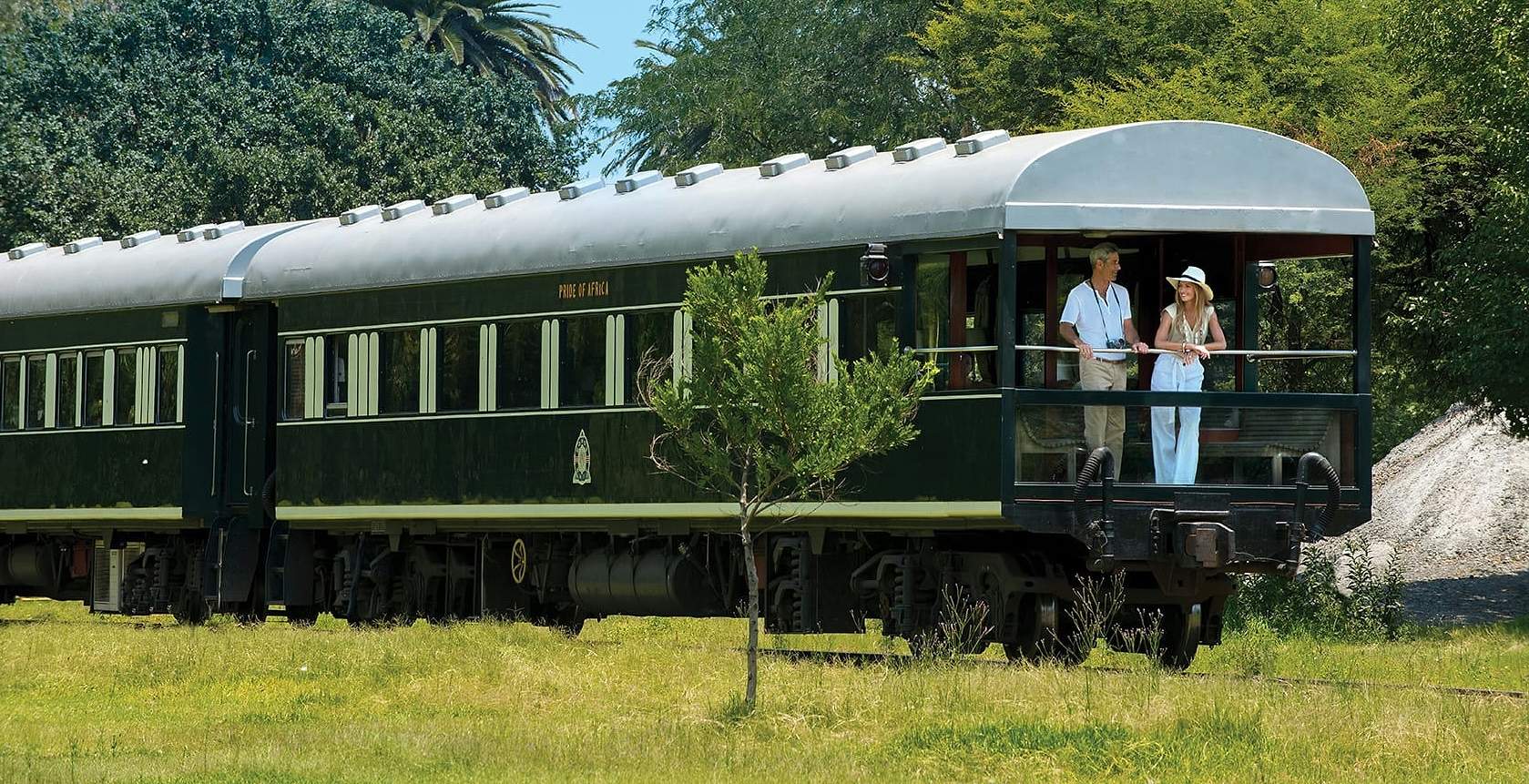
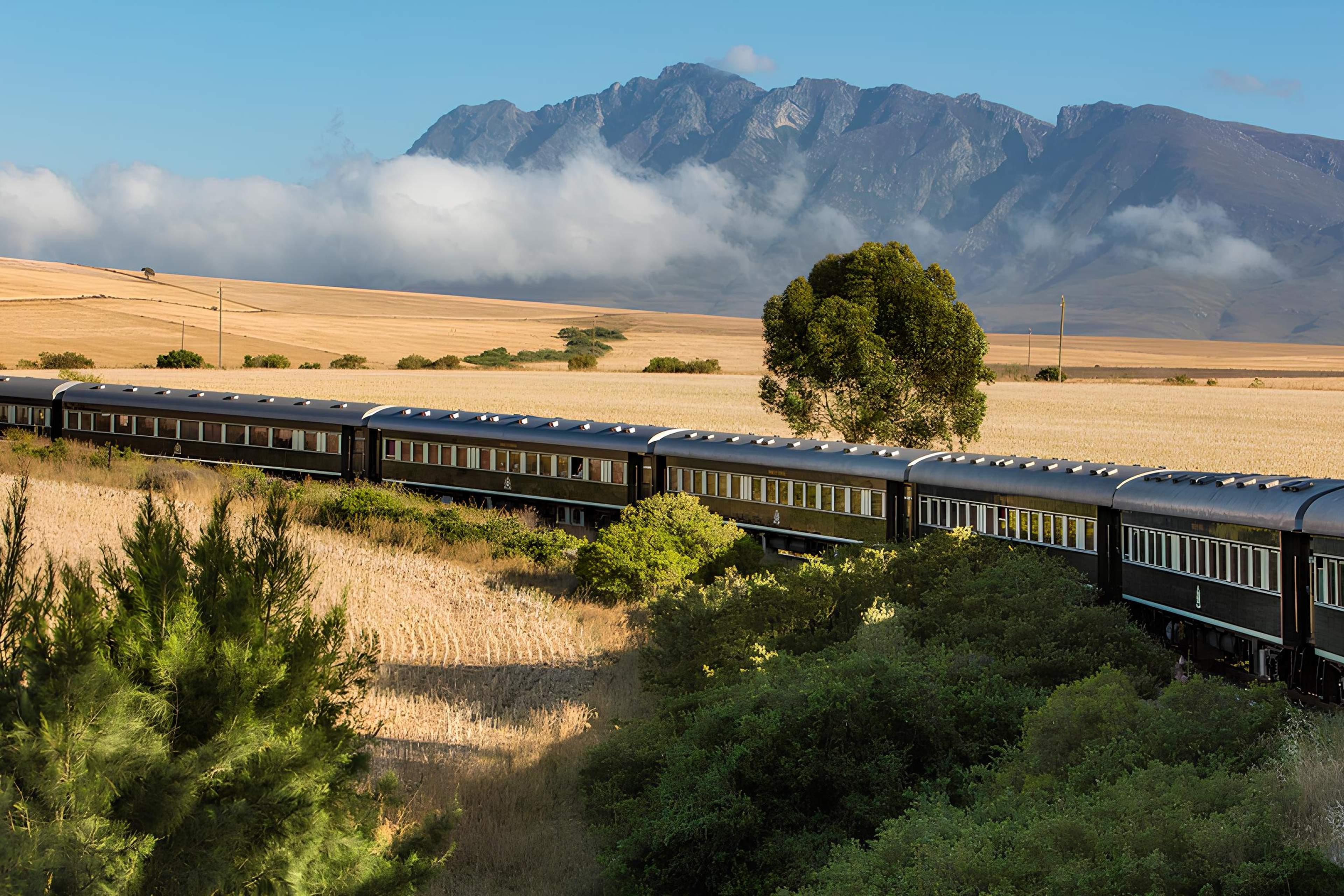
Rovos Rail is a one-man restoration project that grew into a railway. Rohan Vos, an engineer with a weakness for old trains, started buying and rebuilding antique coaches in Pretoria and ran his first overnight journey in 1989. The carriages date to the early twentieth century, brought back to their original fittings in wood and brass with en-suite compartments, and some once ran on the National Railways of Zimbabwe. The company runs its own private station in Pretoria, with a railway museum on the platform. The day begins there, with the founder's own tour of the trains before the wheels turn.
The run to Victoria Falls is the one to take, days of bushveld out of the window, silver service in the dining car and South African wine poured at the table. It rocks a little and it is never quite silent, which is the character of a heavy train on an old line rather than a fault.
4. Al Andalus
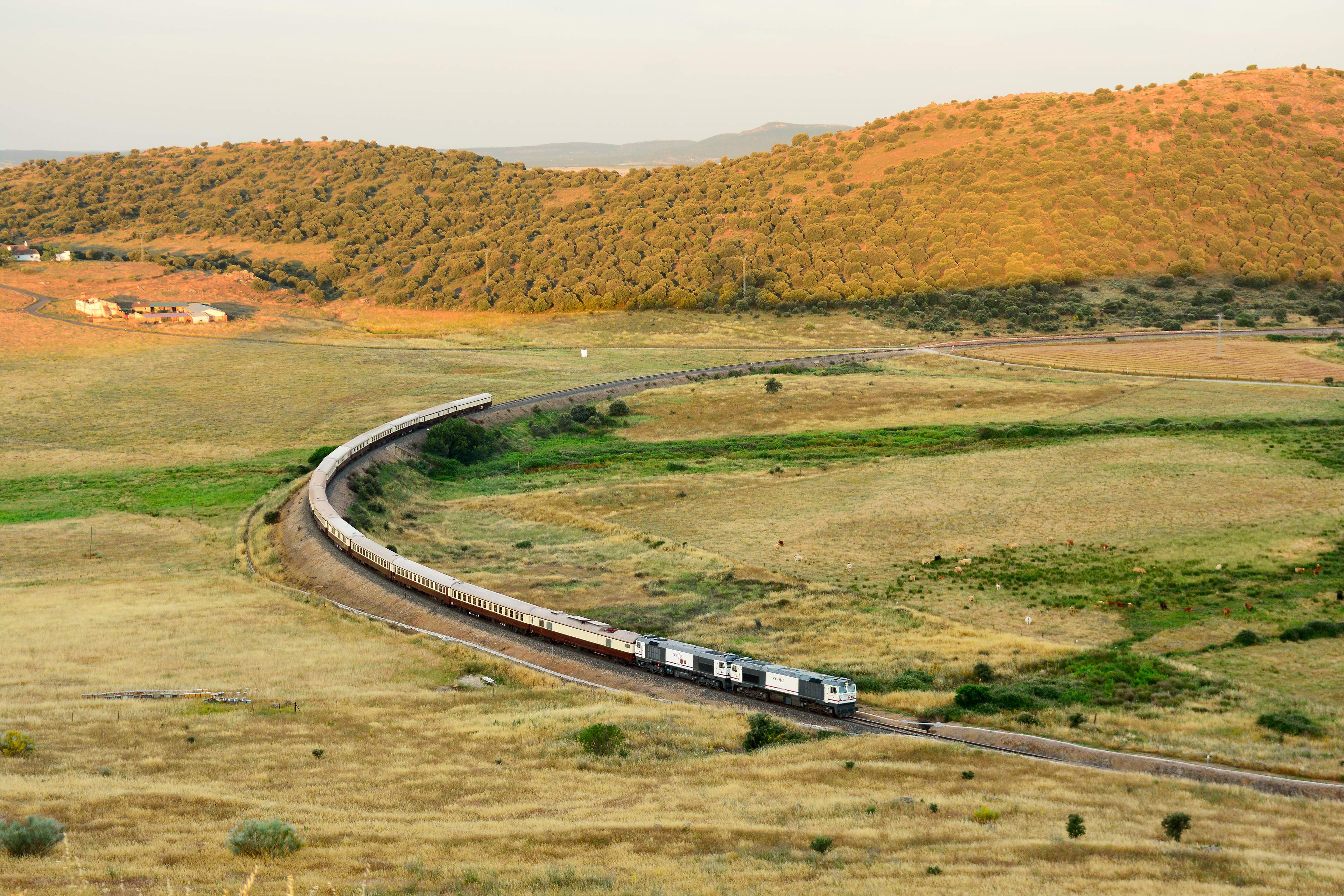
Spain's Al Andalus runs on some of the oldest carriages still in regular service anywhere. Five of its sleeping cars were built by the Compagnie Internationale des Wagons-Lits in 1929 and 1930, the same firm behind the Orient-Express, and they carried British royalty between Calais and the French Riviera before they ever saw southern Spain. Now they tour Andalusia at an unhurried pace, Seville to Cordoba to Granada, past more Moorish architecture than any other route on this list. We don't arrange this one, but carriages this old still in weekly service belong on any honest ranking.
5. Eastern & Oriental Express
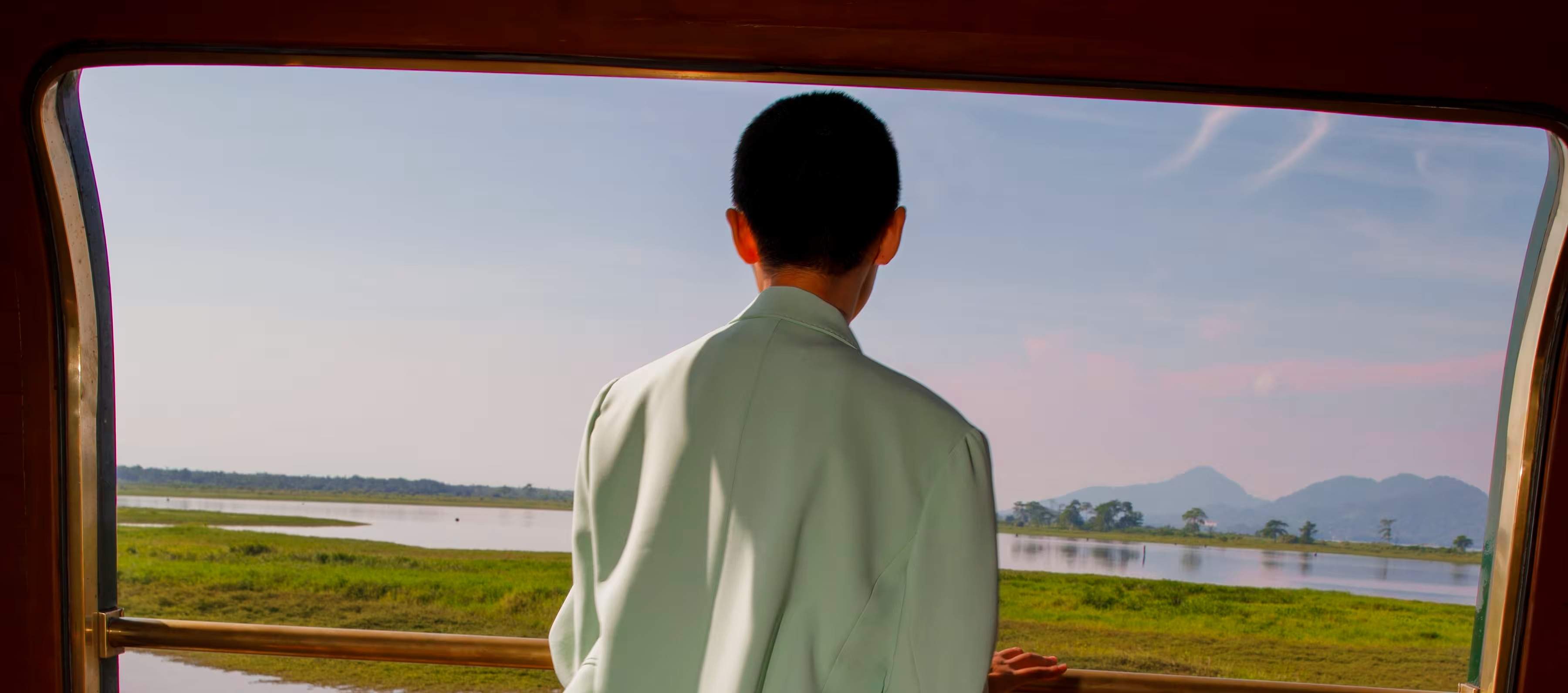
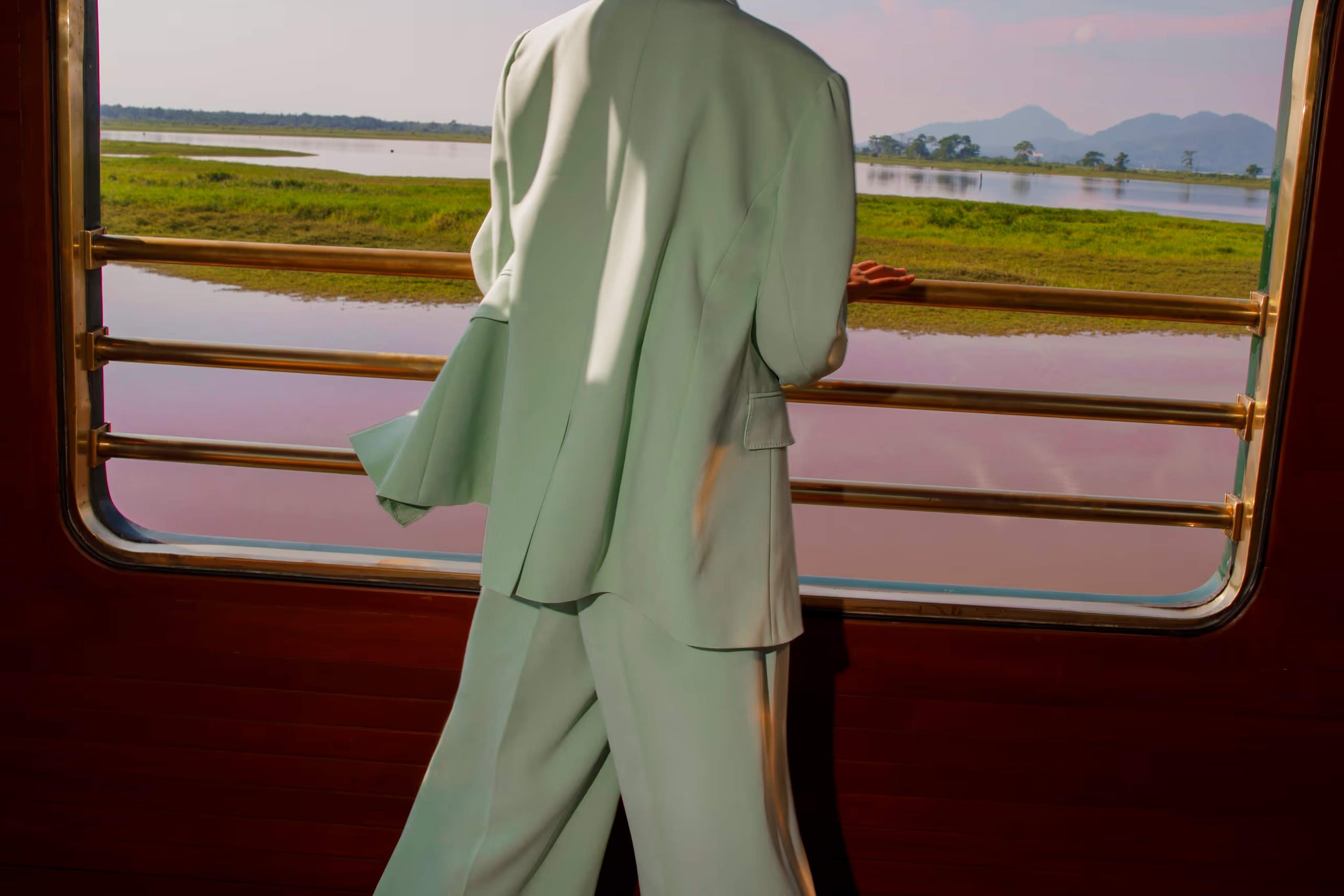
The Eastern & Oriental trades on the romance of the old Malayan railways, and it earns most of it. The carriages are younger than the rest of the top of this list, built in Japan in the 1970s and run for years as New Zealand's Silver Star before Sherwood bought them, rebuilt them for the narrower tracks north of Singapore and sent the first train to Bangkok in 1993. What it has in place of antique metal is the route: three to four days through Malaysia, a city out of one window and jungle out of the next, on a line that carries the whole colonial-era idea of crossing the peninsula by rail.
Dinner is full silver service, served while the train moves. An open-air observation car at the back is the place to watch the jungle go past. And what guests praise most afterwards is the guiding: at each stop you walk the place with someone who knows the country, rather than viewing it from the window. Cabins run from Pullman to State to Presidential. The next Essence of Malaysia departure runs in April 2027.
6. The Blue Train
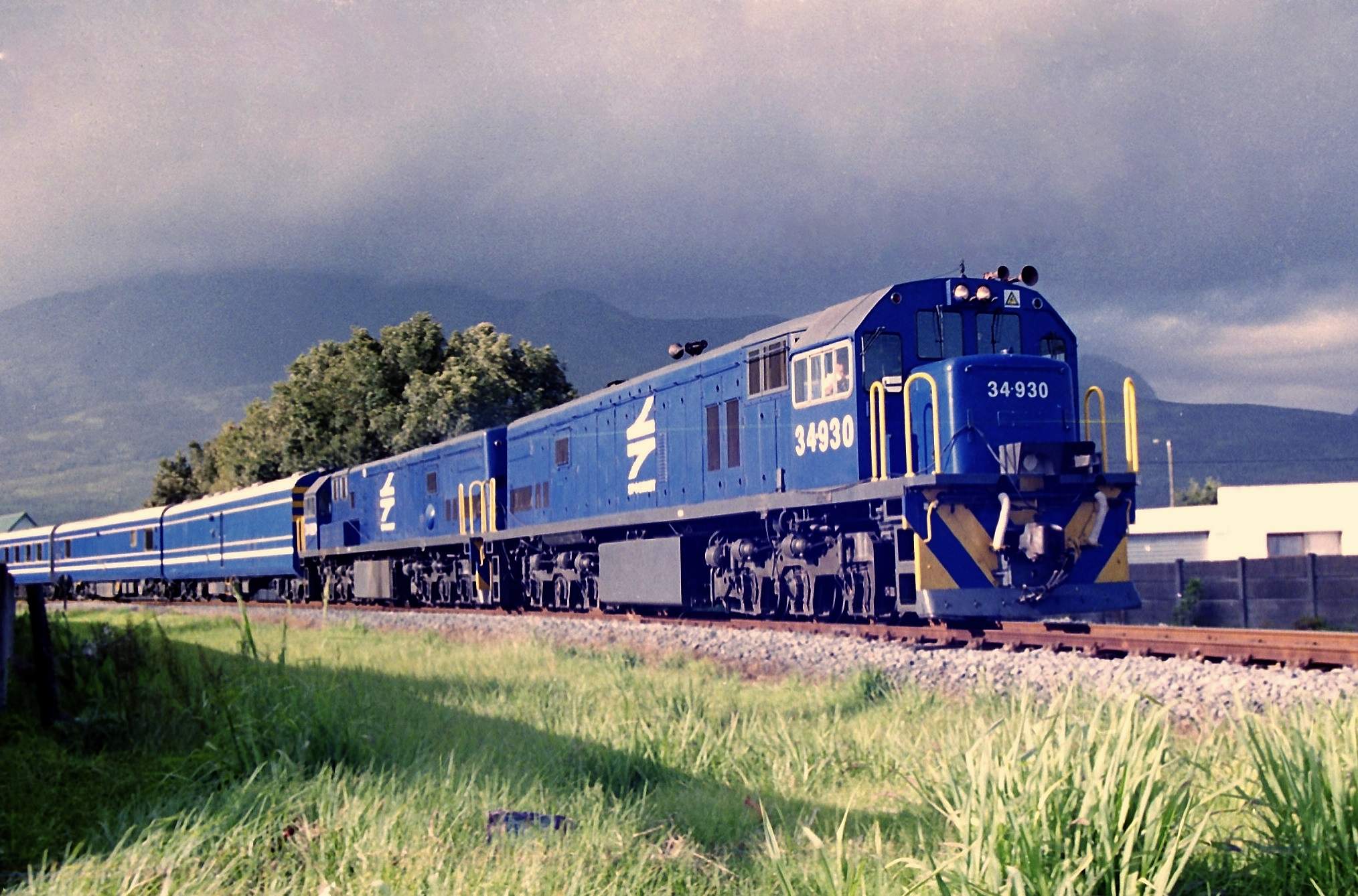
The Blue Train is South Africa's other grand railway, and as a service it is older than Rovos, even if its carriages are not. The line traces back to the Union Limited of 1923, the boat-train that ran passengers up from the Cape Town mail steamers. It took the Blue Train name in 1946, after the blue steel carriages you could pick out at a distance. It still covers the 1,600 kilometres between Pretoria and Cape Town, through the emptiness of the Karoo, in a train that has been a fixture of South African life for the best part of a century. We don't book it, and it still earns its place.
7. Northern Belle
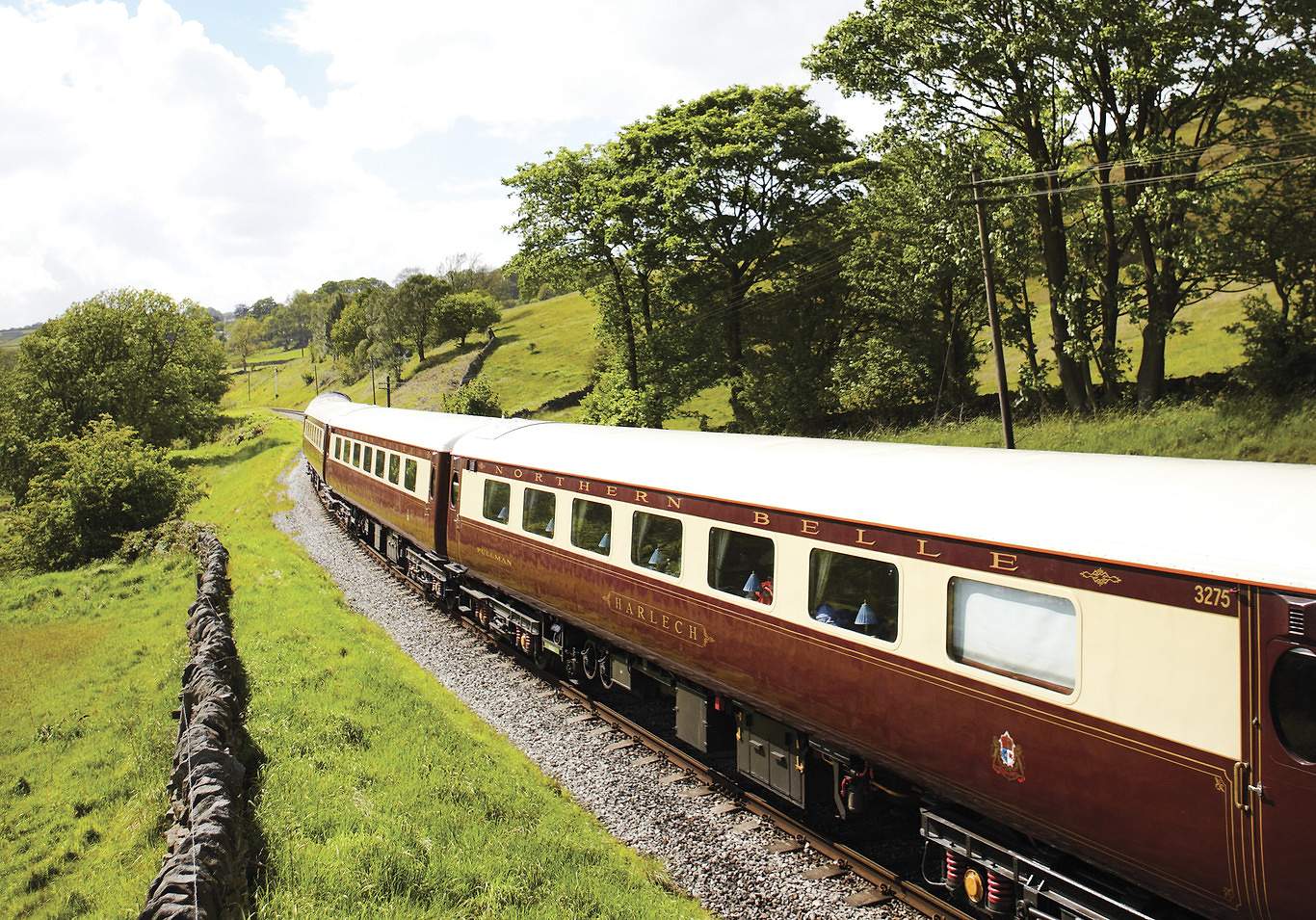
The Northern Belle wears its heritage as a tribute rather than an inheritance, and it is open about it. The name comes from a land-cruise train the London and North Eastern Railway ran each June from 1933 to 1939. The train carrying it now was built in 2000, with carriages styled after those 1930s Pullmans: polished wood, Art Deco inlays, and picture windows wide enough to watch the country properly. Conde Nast Traveller still put it among the world's five greatest trains for 2025.
The food is the reason people rebook. It is the one train here running a full a la carte menu, so you order on the day rather than take a set plate, out of a kitchen that has cooked for royalty and heads of state: grass-fed Hereford beef, caviar, patisserie, wines chosen to match. It leaves from London and most UK stations, which tends to suit wherever you are starting from, and one carriage, Duart, used to run on the Royal Train.
8. Palace on Wheels
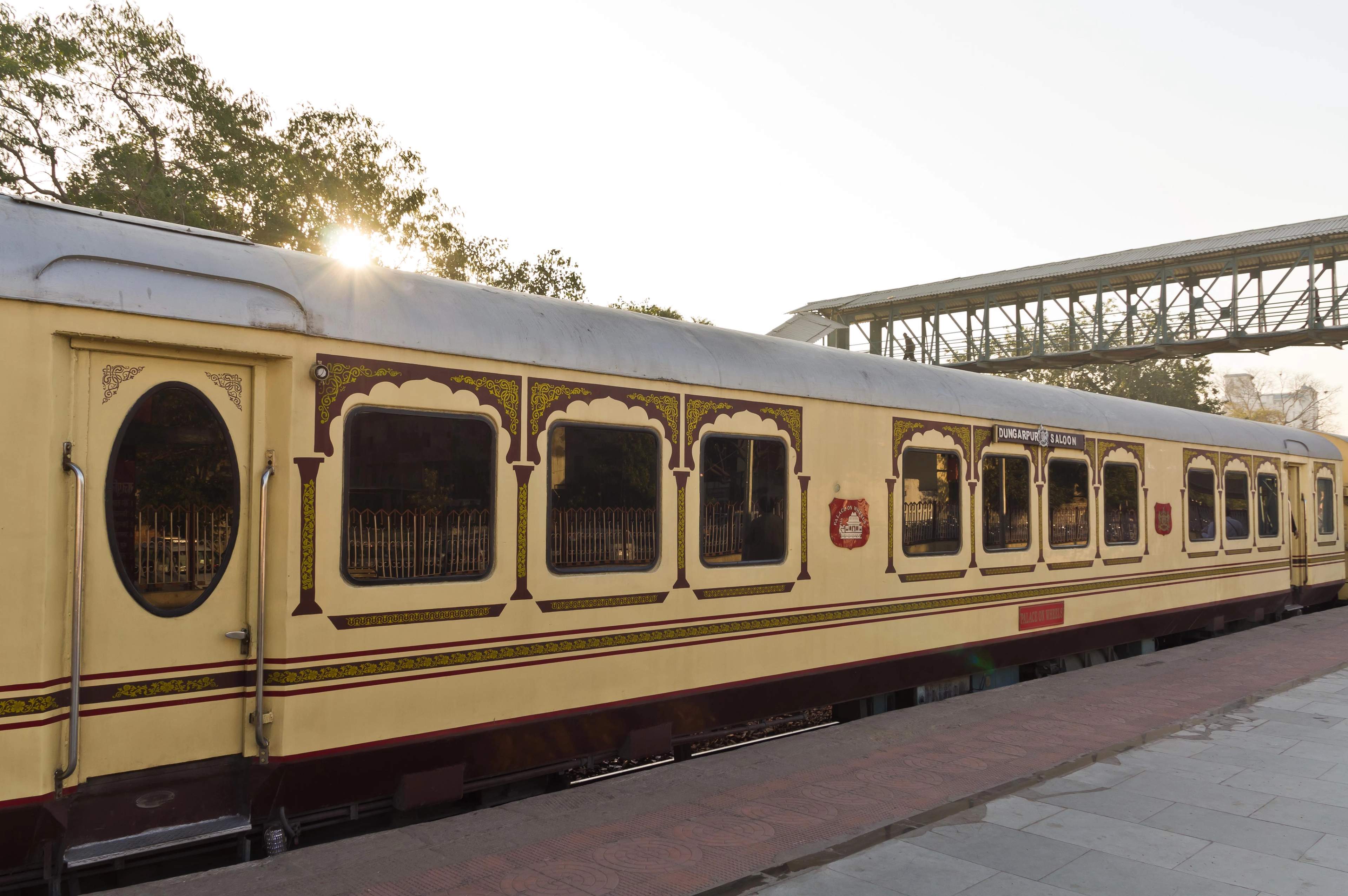
India's Palace on Wheels is the one whose heritage you take on trust, because its story outshines its current carriages. When it launched in 1982 it ran on the actual saloons of the maharajas, the Nizam of Hyderabad and the Viceroy of British India, coaches left parked since independence and coaxed back onto the rails for a tour of Rajasthan. Those originals were retired within a few years, and the train runs on newer stock now, each carriage named for a palace or fort it visits. The romance survived the swap. We can't put you on it, and it belongs on the list all the same.
How to Put Your Name on a Departure
None of the trains we run take walk-ups, and none of them want you assembling the logistics yourself. You tell us the train, the date and who is travelling. We book the cabins, the transfers to the platform and the table in the dining car, then brief you on the dress code before you go.
The heritage departures sell early, the festive Orient-Express runs and the summer Pullman days first, so one phone call to hold a date does most of the work. The full collection lives under Travel & Culture on this site, and the team can talk any of these routes through.

Sian Jones
Sport Events Operations Manager
Sport Events Operations Manager at Imperial Corporate Events. She’s the one on the ground making sure your day runs, from the Abu Dhabi Grand Prix to Royal Ascot.