
Summary
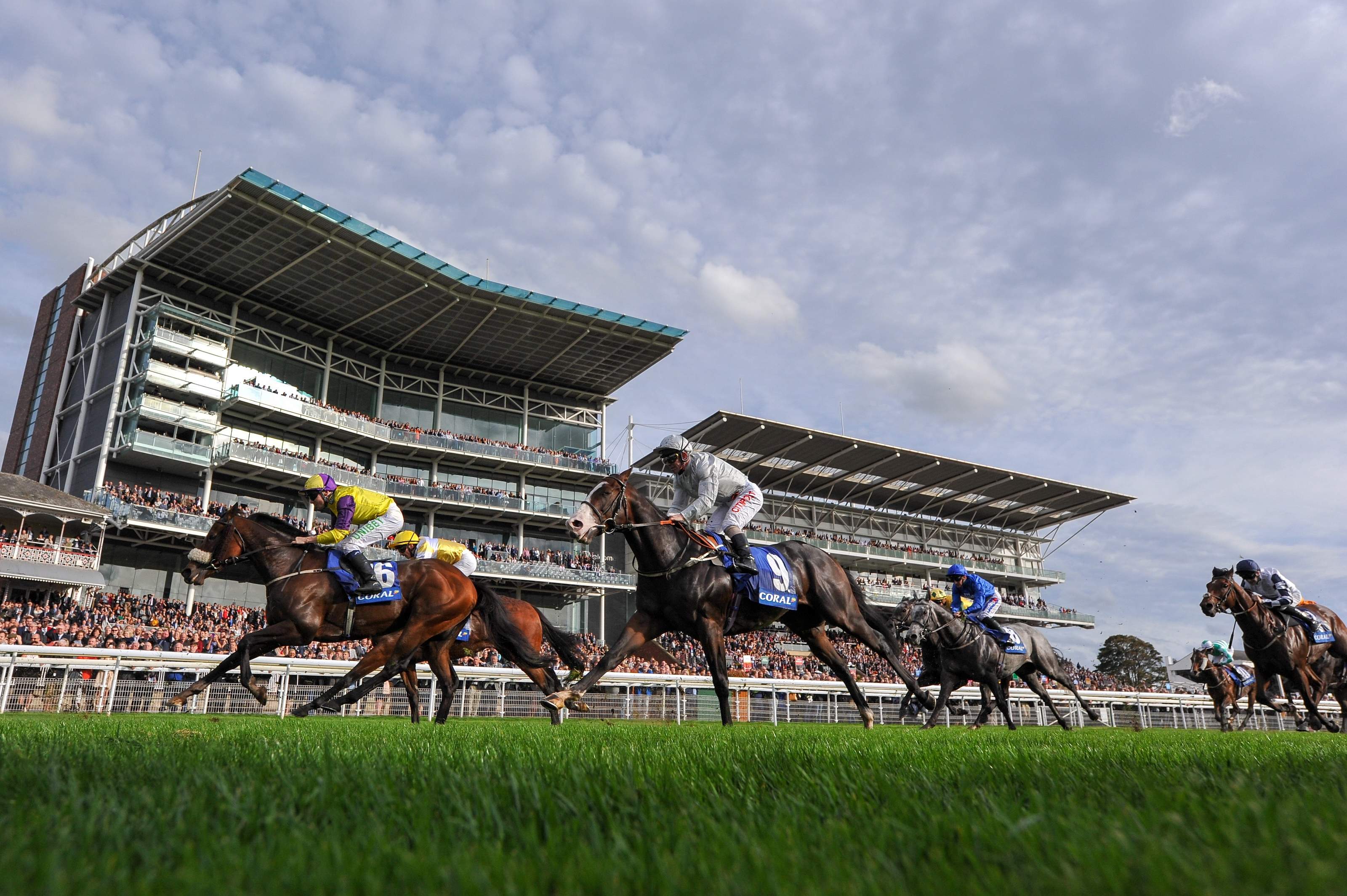
The Ebor Festival is four days of flat racing at York Racecourse, Wednesday 19 to Saturday 22 August. Each day is built around one headline race, finishing with the £500,000 Ebor Handicap on the Saturday. A handicap is a race where the better horses carry more weight, so the field has a more even chance. This one is the richest of its kind in Europe. Gates open at 11:00 and the racing runs through the afternoon. What a day there looks like, jump to What a day there looks like covers the three enclosures and the dress code, and where you watch from, jump to Where you watch from explains the two rooms in the Ebor Stand and how they differ.
The four days
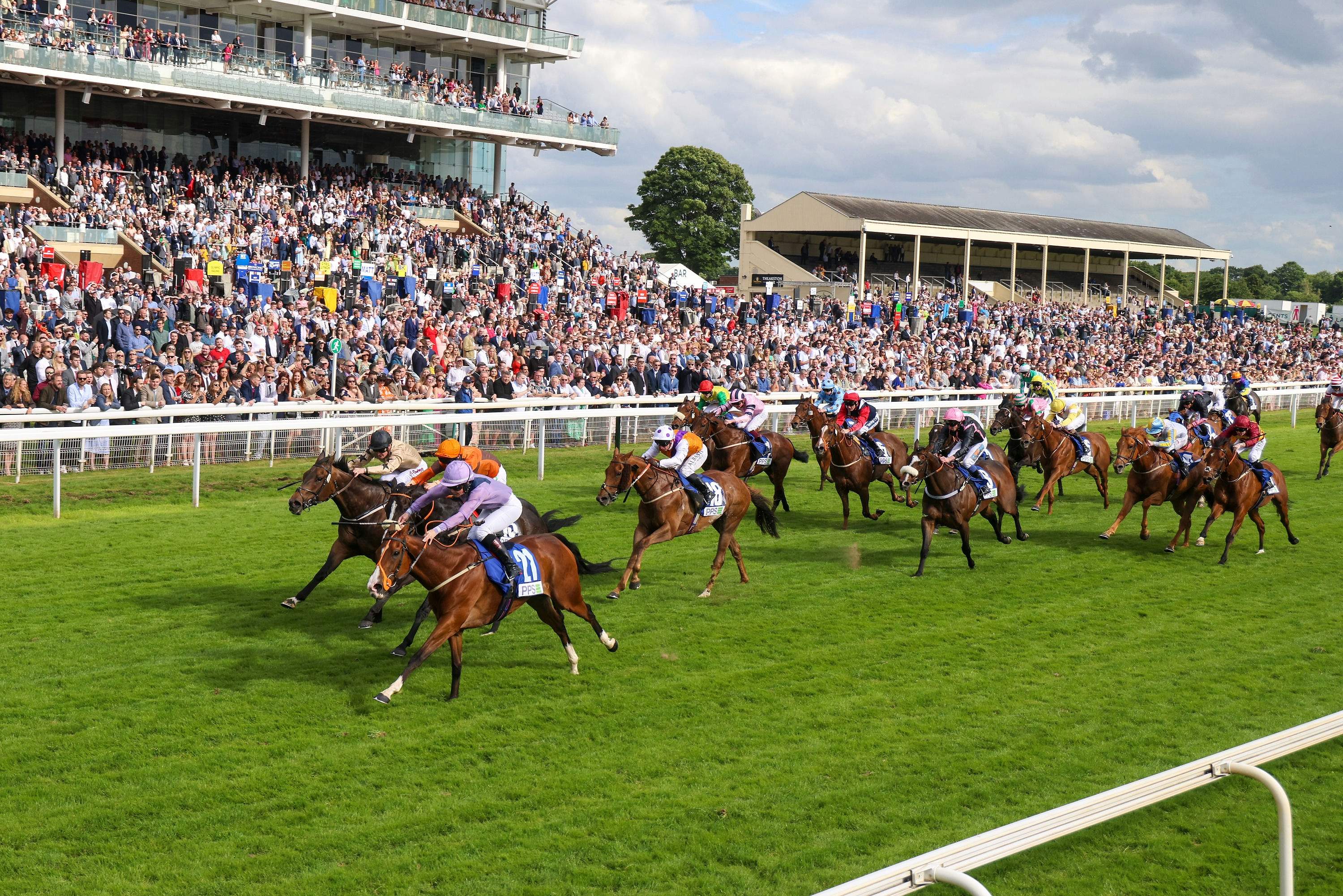
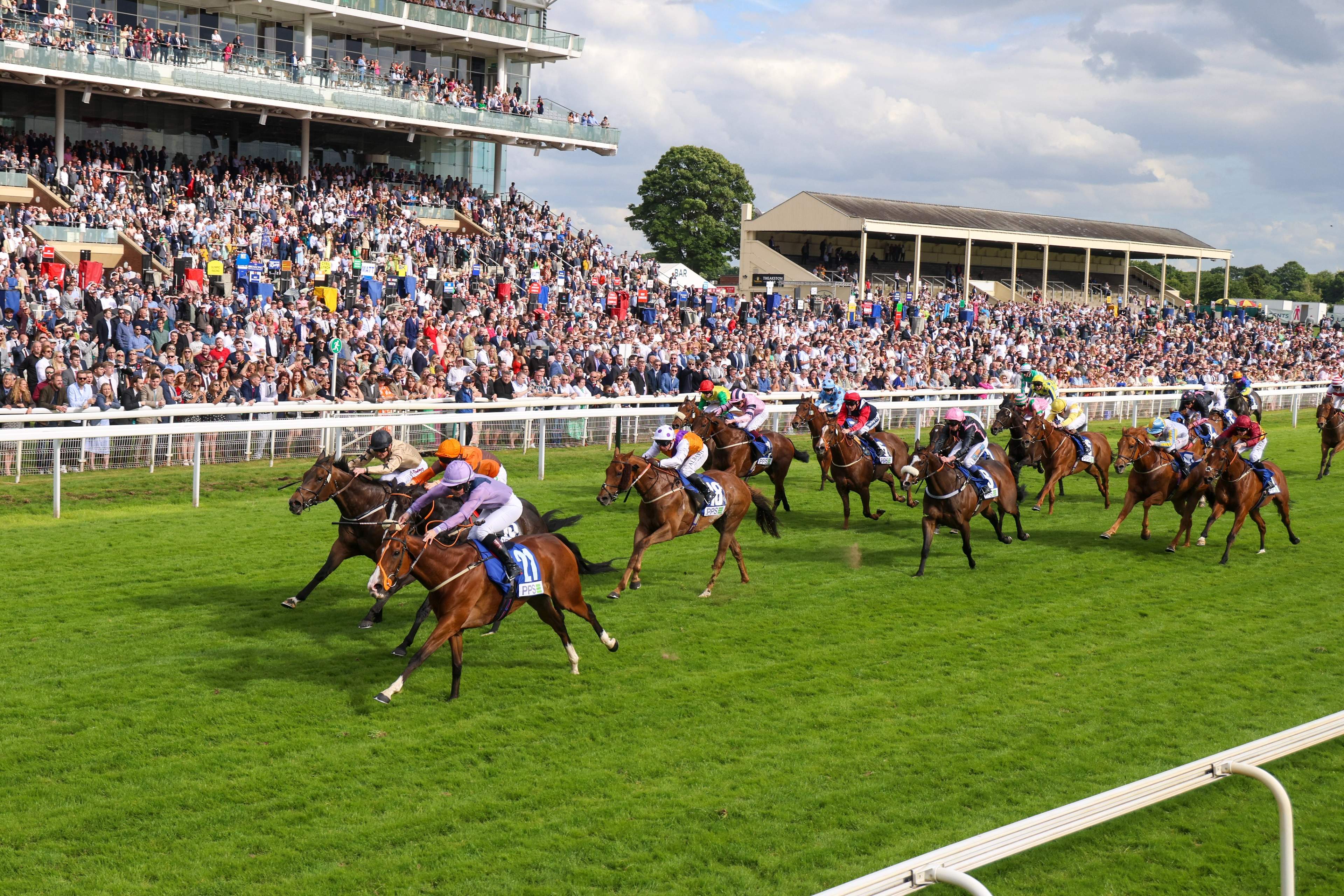
York Racecourse sits on the Knavesmire, a broad, flat stretch of common land about fifteen minutes south of York Minster. Racing has been held there since the eighteenth century. The finishing straight is unusually wide, which matters more than it sounds, because several races at this meeting are handicaps with twenty or more runners and at York they get room to spread out rather than being funnelled into a queue.
Wednesday is the Juddmonte International, run over about a mile and a quarter, which regularly pulls in the best middle-distance horses in training. Thursday is the Yorkshire Oaks, run over a mile and a half for fillies and mares, the sport’s female horses, and it doubles as Ladies’ Day. Friday is the Nunthorpe Stakes. A furlong is an eighth of a mile, and the Nunthorpe is run over five of them. That is the shortest trip in British racing, so the whole race is over in under a minute. Saturday is Ebor Day.
Three of those four are Group 1 races, which is the top rating a flat race can carry. Saturday also has a fourth Group 1, the City of York Stakes, run over seven furlongs. Four of them in one week is a lot for a meeting that is not one of the classics.
The race the festival is named after
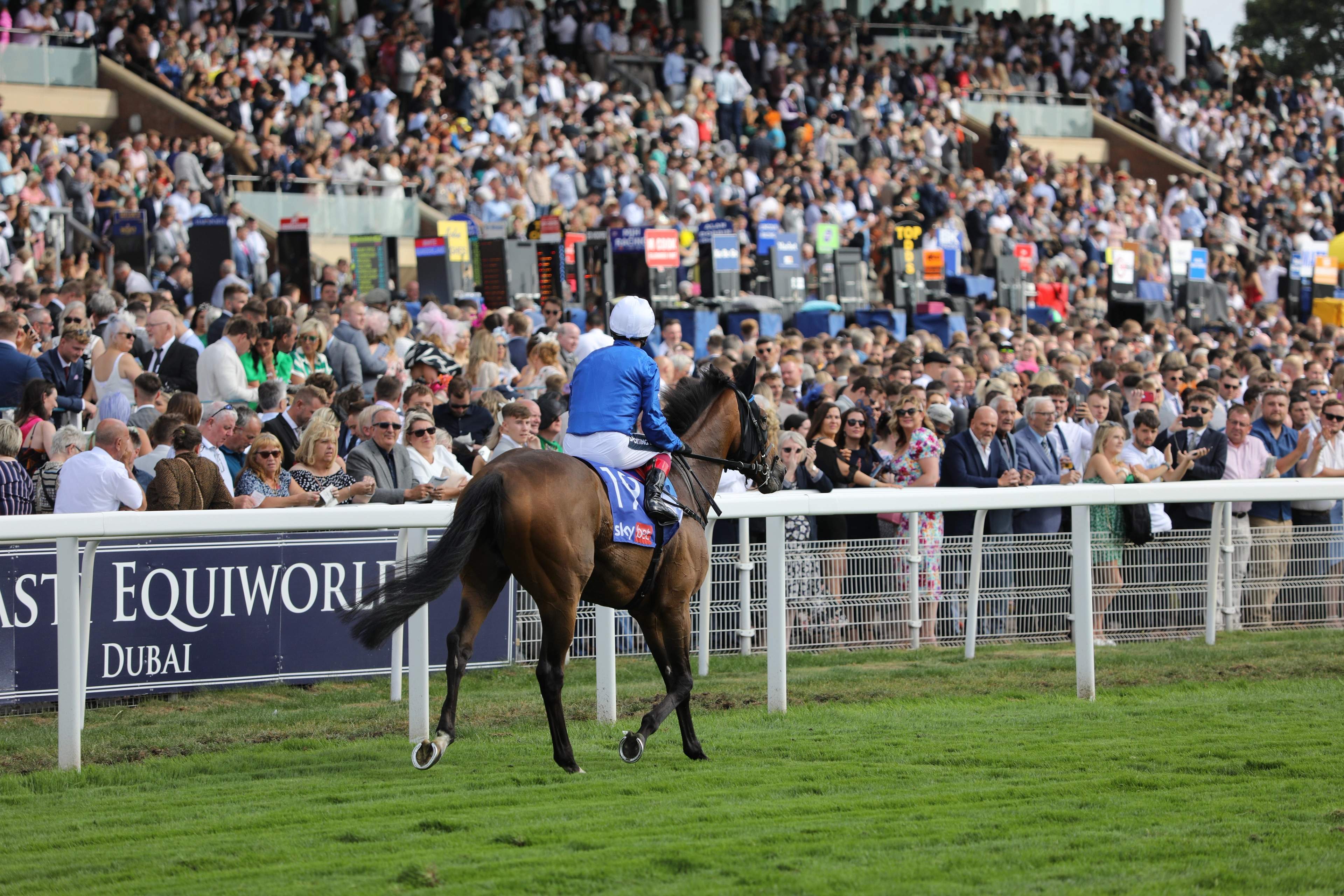
Ebor is short for Eboracum, the Roman name for York, and the Ebor Handicap was first run in 1843. It predates most of the Group 1 races around it by the best part of a century.
The Ebor is not itself a Group 1. An official handicapper sets the weights, unlike the Group 1s earlier in the week, where the best horse is simply meant to win. It also makes the result very hard to call, which is a large part of the appeal.
The prize fund is £500,000, which makes it the richest flat handicap in Europe, and £300,000 of that goes to the winner. The field is capped at twenty-two runners and the race is open to horses aged four and over, so the three-year-olds that dominate the summer classics are not eligible for it.
What a day there looks like
Gates open at 11:00 on all four days and the racing runs through the afternoon into the early evening. Most people arrive a long time before the first race, because a good deal of what makes a day at York enjoyable happens between the races rather than during them.
The course is split into three enclosures, which are the separately admitted areas of the racecourse. The Clocktower Enclosure is the most relaxed, a grassy bank near the finish where families spread out picnics. The Grandstand & Paddock is the largest and has no dress code at all. The County Stand is the one with the rules, and it is where the hospitality rooms sit. A County Stand badge also admits you to the other two, so you can walk down to the picnic lawns and come back up.
The parade ring is where to be between races. The horses come out roughly twenty minutes beforehand and walk a circuit while the jockeys take their instructions, then go down to the start. Standing at that rail is the closest you get to the animals all day, and it is the part of a raceday that people who have never been to the races tend to remember afterwards.
What to wear
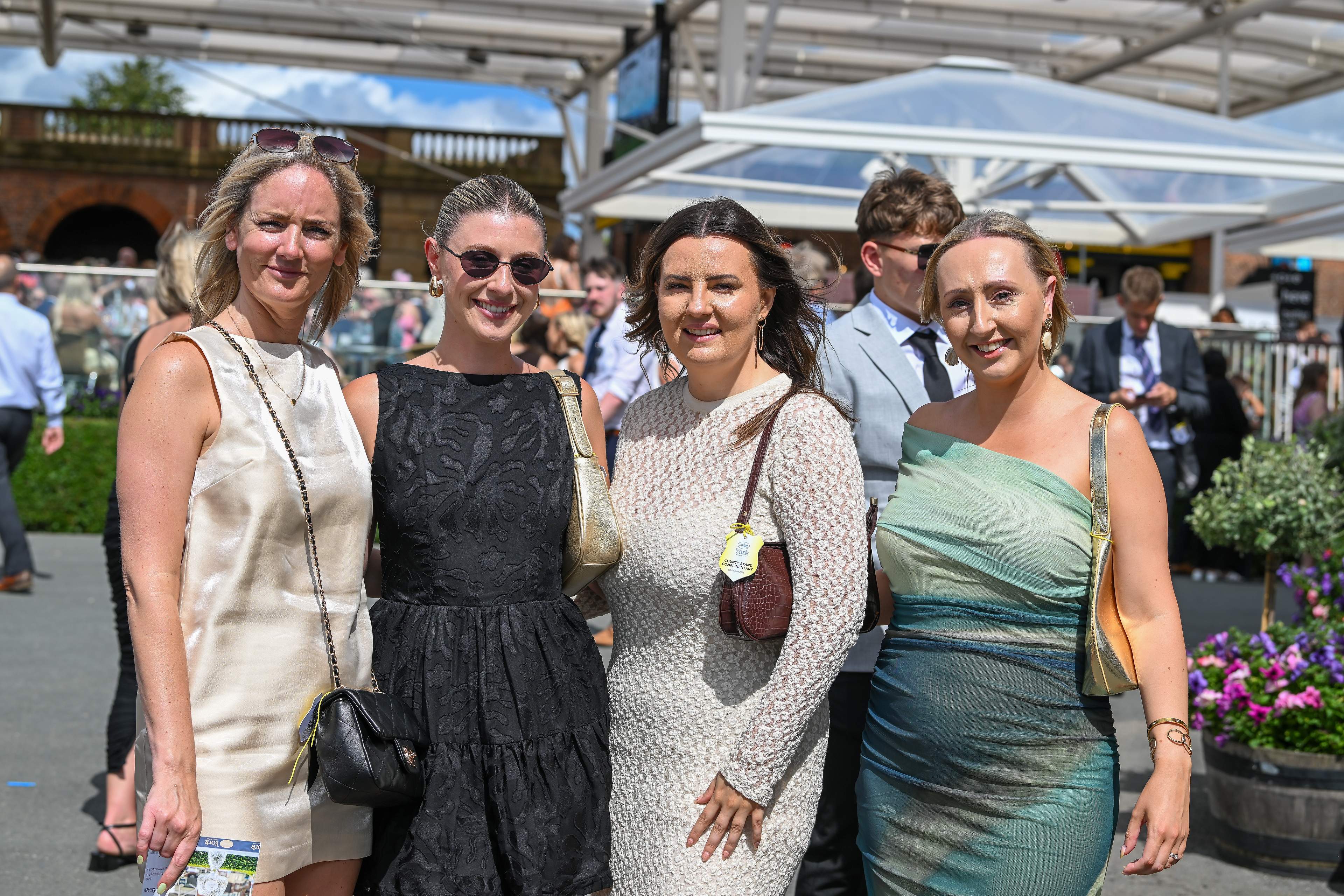
In the County Stand, men are asked for a collared shirt, a jacket and a tie. A cravat is accepted instead of a tie and short sleeves are fine. York also states plainly that jeans and trainers are within the code, which surprises people who have been to other courses with a formal enclosure.
There is no formal dress code for women in the County Stand. Most guests dress roughly as they would for a summer wedding. On the Thursday, which is Ladies’ Day, a good number go further with hats and tailoring. The Grandstand & Paddock and the Clock Tower Enclosure have no dress code of any kind. Both rooms we book sit in the County Stand, so the jacket and tie apply.
Where you watch from
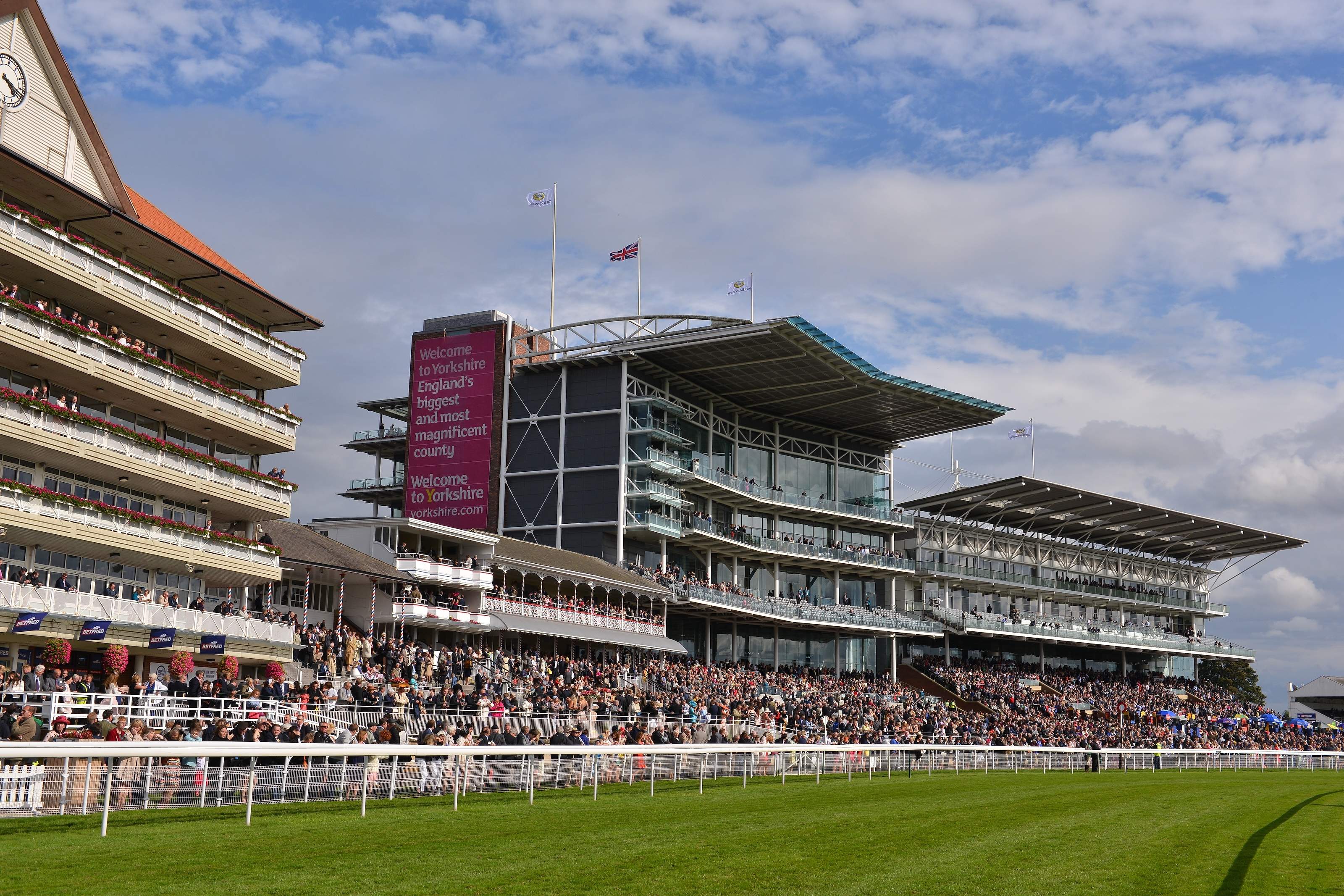
The County Stand is an enclosure rather than a building. Several stands sit inside it, and the one that matters for hospitality is the Ebor Stand, the tall glass-fronted block with a balcony running across each floor. The two rooms we book at the festival are both in it, on different levels, and they make for genuinely different days.
The Dante Suite is on the second floor. It takes its name from Dante, the Yorkshire-trained colt that won the Derby in 1945. The room has floor-to-ceiling windows and a private seated balcony looking at the winning post, which is the line the horses race to. Lunch is four courses, served à la carte at your own table, with a Champagne reception before it.
The Ebor Restaurant is on the fourth floor, two levels higher, with its own balcony over the home straight and the final furlong. The food is a buffet and carvery rather than a served menu, so people get up between races, go back for more, and drift out onto the balcony when something is coming. Tables are shared with another party if there are between two and six of you, and yours alone from seven upwards.
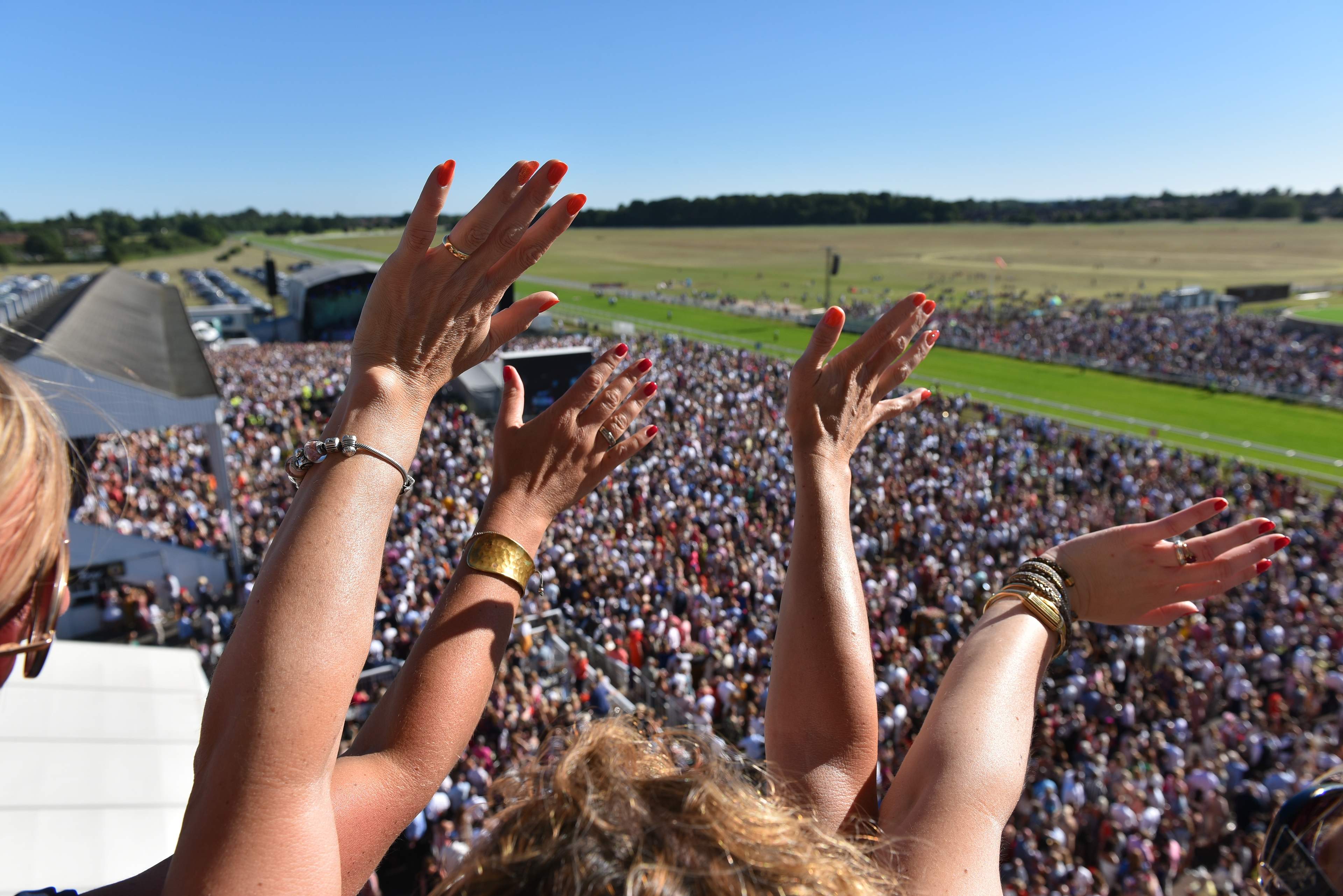
Height is the honest difference. The fourth floor gives you the wider view of the whole course and of the crowd below it. The second floor puts you closer to the horses and to the noise they make coming past. Neither is the better room in the abstract.
Which suits you comes down to how your group wants to eat. For people who want to sit down together, be served properly, and treat lunch as part of the occasion, the Dante Suite is the one. For a group who would rather graze, move about and not be tied to a table while the racing is on, the Ebor Restaurant does that better. It is also the more sociable of the two if some of your party have not met before.
The two rooms at a glance
Dante Suite
Second floor of the Ebor Stand. A four-course à la carte lunch at your own table, a Champagne reception before it, and a private seated balcony facing the winning post. Choose it for a group that wants to sit down and be served.
Ebor Restaurant
Fourth floor, two levels up, with a balcony over the home straight. Champagne and canapés on arrival, then a buffet and carvery. Tables are shared for parties of two to six. Choose it for a group that would rather move around.
What our Ebor Day includes
The day we hold for 2026 is Saturday 22 August. That is Ebor Day itself, the busiest of the week.
Both rooms carry the same core. County Stand admission, a racecard on the way in, a complimentary bar through the day, afternoon tea served during the racing, Tote betting facilities in the room, and reserved parking at the racecourse. The Tote is the on-course betting pool, and in both rooms the couriers come to your table rather than you going to a window.
The Dante Suite adds the four-course à la carte lunch at private tables and the Champagne reception before it. The Ebor Restaurant adds Champagne and canapés on arrival, the gourmet buffet and carvery, and complimentary cocktails at the bar. It also has a terrace over the parade ring.
If the day you have in mind is one of the other three, or a room we do not currently hold, it starts with a phone call about who is coming and what you want the day to do. We will tell you honestly what we can get.

Sian Jones
Sport Events Operations Manager
Sport Events Operations Manager at Imperial Corporate Events. She’s the one on the ground making sure your day runs, from the Abu Dhabi Grand Prix to Royal Ascot.