Several of the colours you see most often in British sport have no paper trail. The All England Club’s records do not say why it chose dark green and purple in 1909, and no record survives of why England’s rugby team took a red rose as its emblem in 1871.
Others are easier to trace. The green and gold hoops of JP McManus are the colours of the Limerick hurling club he has supported since boyhood, and the royal racing colours go back at least to George IV.
The seven colours below are in the order you can see them in 2027, from England’s Six Nations opener in Dublin in February to the British Grand Prix in July. Four of them appear within a single week. Wimbledon begins on 28 June, Henley Royal Regatta on 29 June and the Lord’s Test on 30 June, and the British Grand Prix is on 4 July.
- England’s red roseSix Nations, Dublin and Cardiff5 February and 6 March
- JP McManus’s coloursCheltenham Festival16 to 19 March
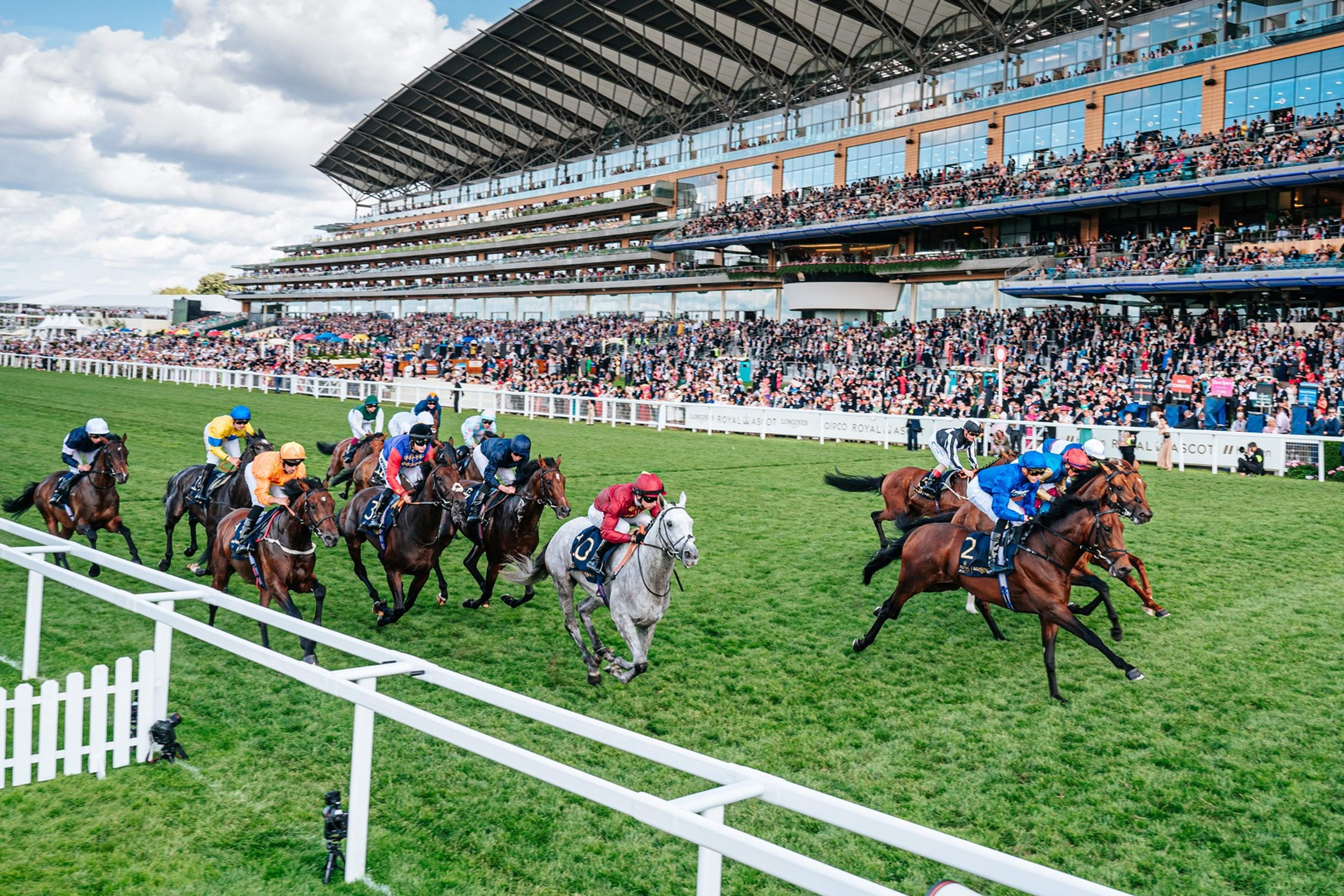
- The royal racing coloursRoyal Ascot15 to 19 June
- Wimbledon’s coloursThe Championships, Wimbledon28 June to 11 July
- Leander pinkHenley Royal Regatta29 June to 4 July
- The MCC’s coloursThe Ashes at Lord’s30 June to 4 July
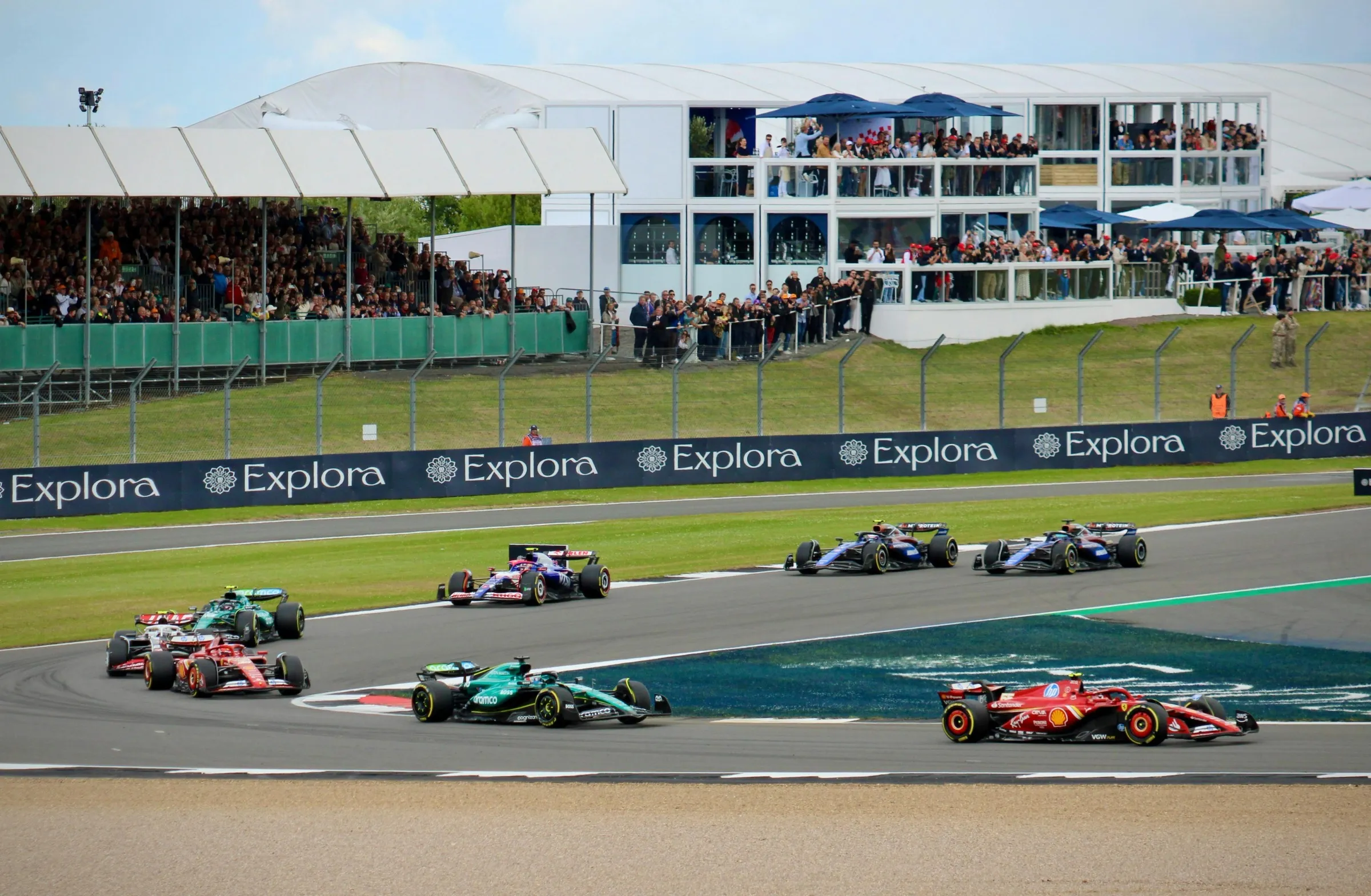
- British racing greenBritish Grand Prix, Silverstone4 July
Swatches are approximate on screen. Wimbledon’s and Leander’s follow the Pantone references the two clubs use.
The Red Rose of English Rugby
England played their first rugby international against Scotland at Raeburn Place in Edinburgh on 27 March 1871, and a red rose was chosen as the side’s emblem for the match. The Rugby Football Union itself had been founded only two months earlier, in January 1871. England wore white, in keeping with the tradition of Rugby School.
- Red
- White
No record survives of why the rose was picked. The World Rugby Museum thinks it was probably borrowed from Rugby School as well. The school’s crest came from the coat of arms of its founder, Lawrence Sheriff, which carried a red rose. The rose has been on the England shirt ever since.
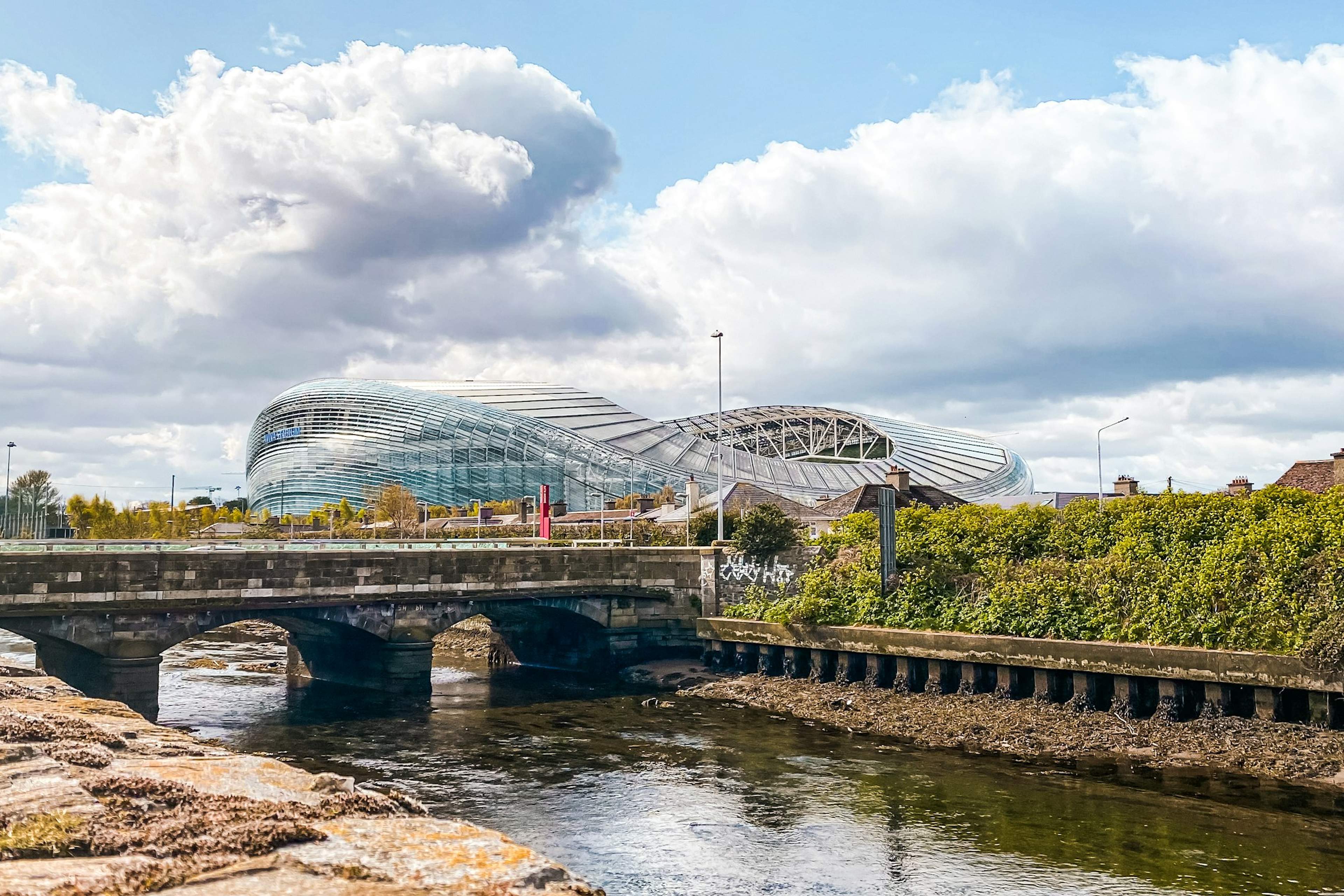
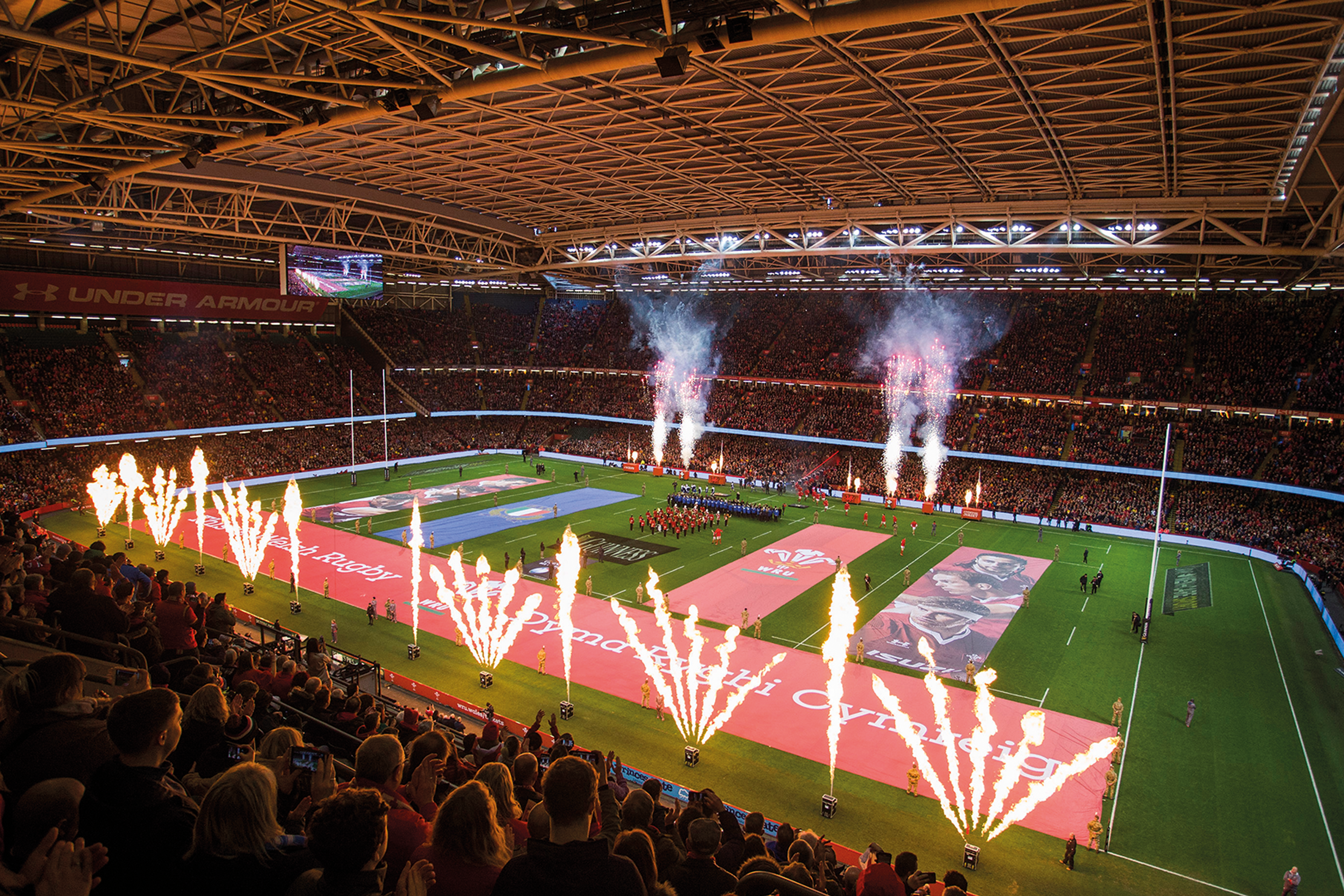
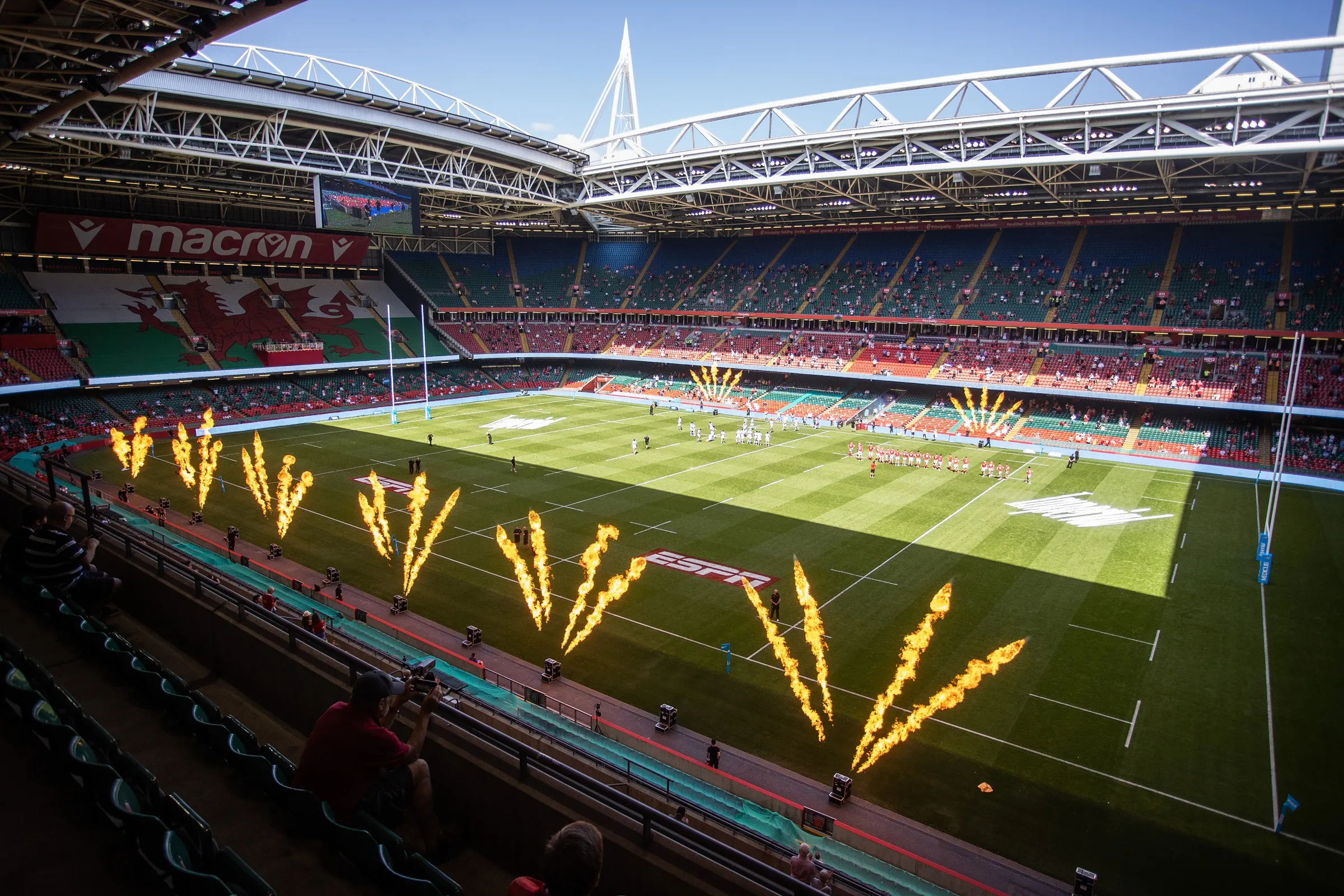
England and Scotland have played for the Calcutta Cup since 1879. Both now play in the Six Nations, an annual championship between six European rugby teams. In 2027 England open the championship against Ireland at the Aviva Stadium in Dublin on Friday 5 February, and play Wales at the Principality Stadium in Cardiff on Saturday 6 March.
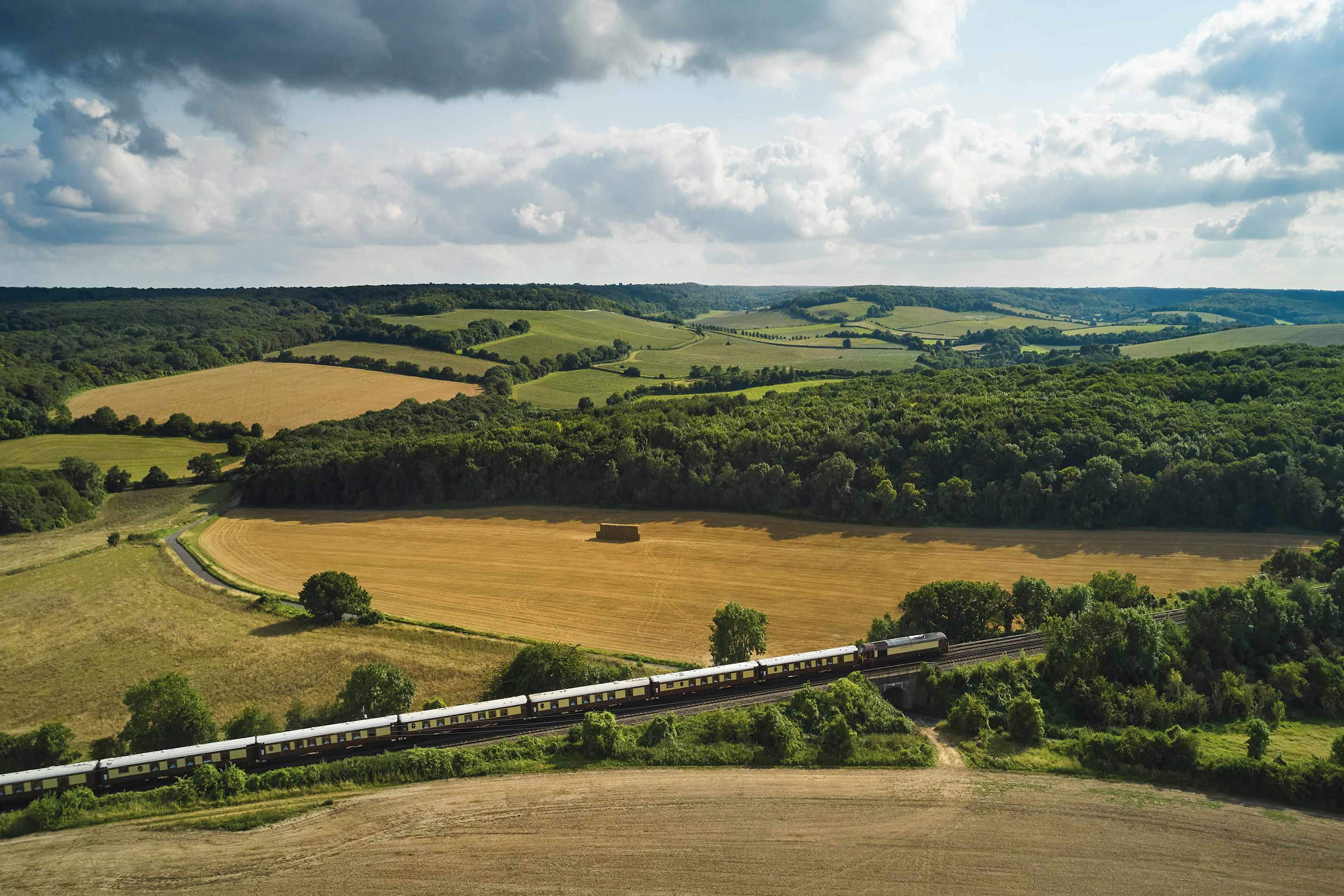
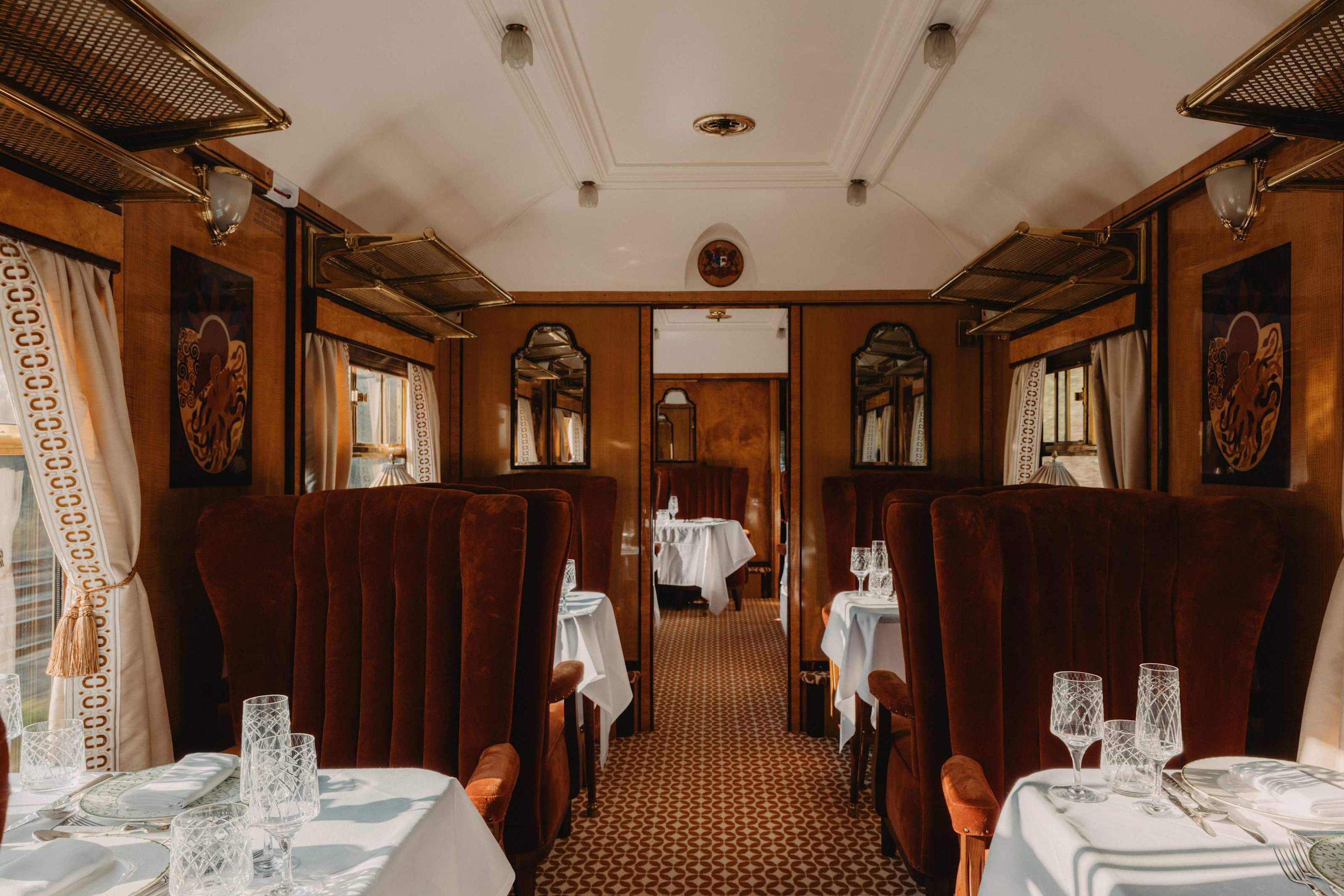
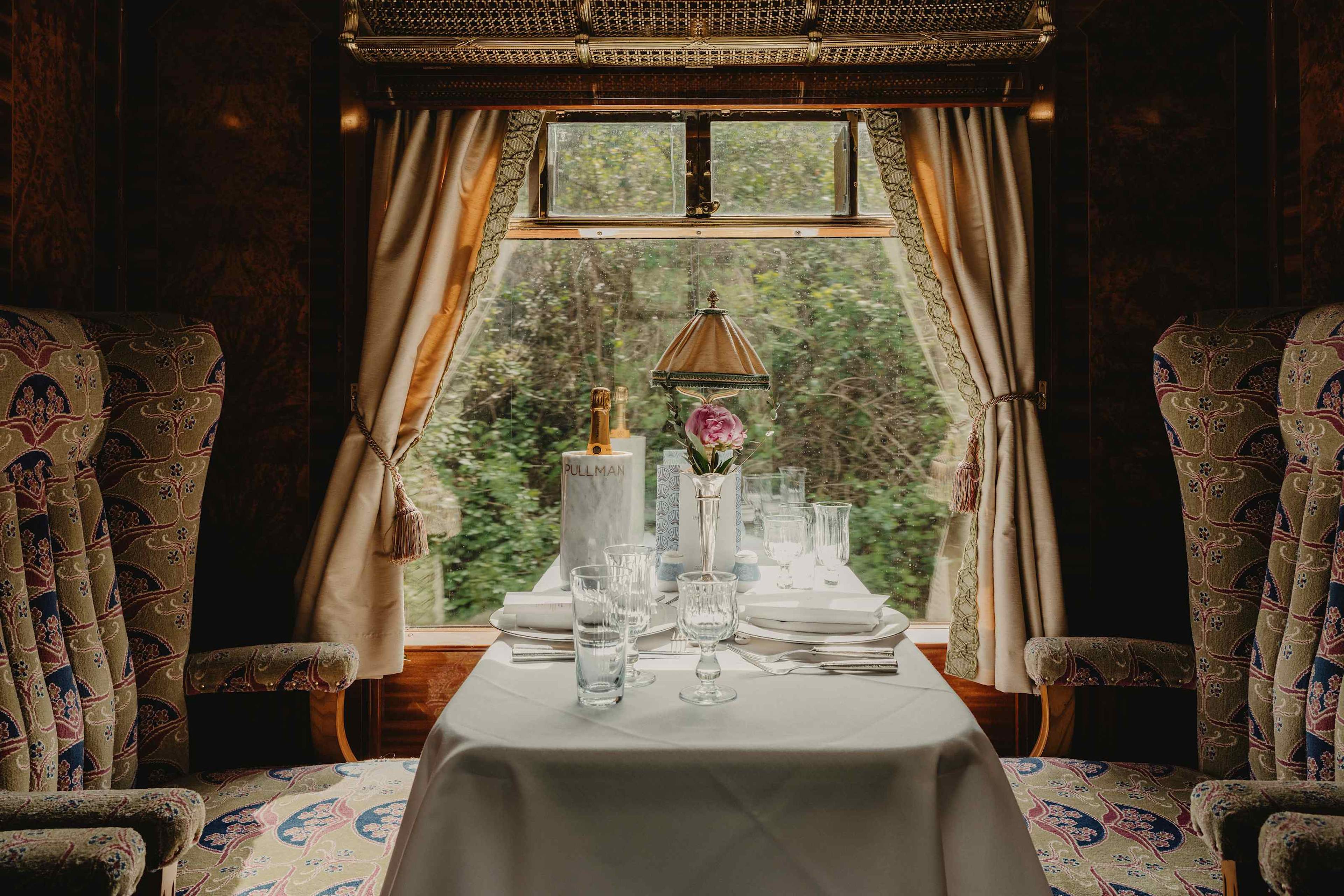
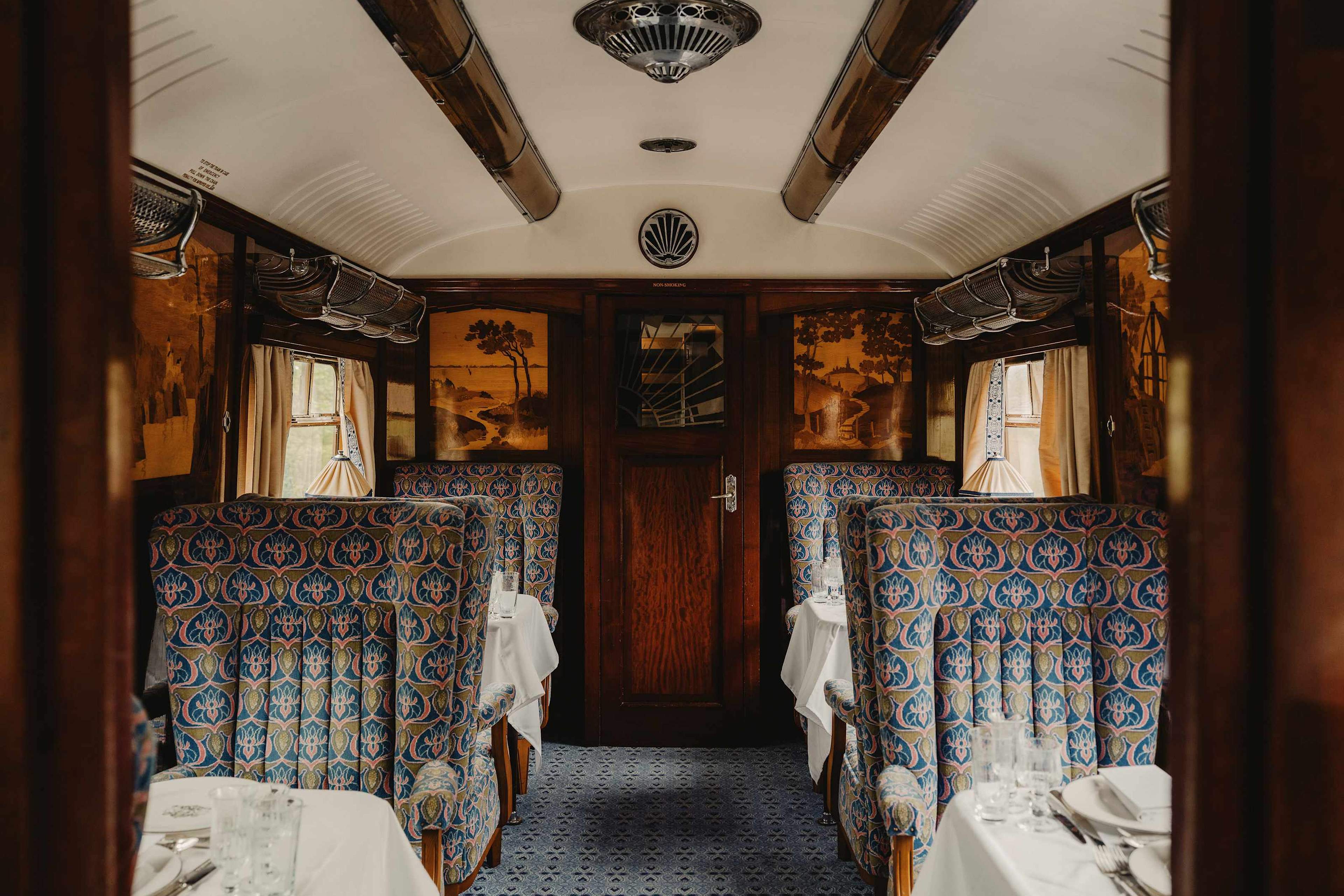
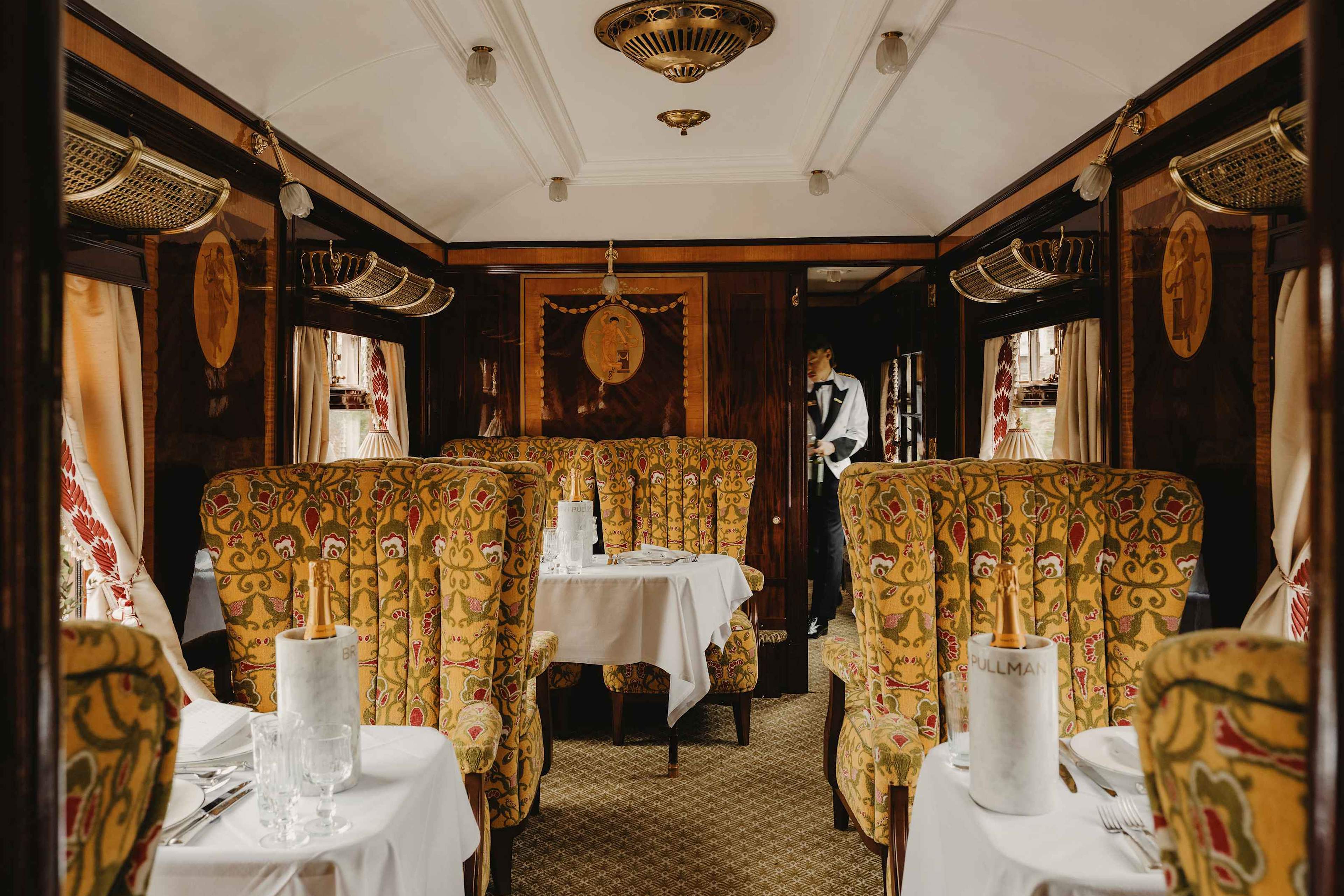
With us, Wales v England can start on the Northern Belle, a train of art deco carriages that runs from a London station to Cardiff Central and back. Stewards meet you as you board, and there is Champagne and canapés in each direction. Lunch on the way there and dinner on the way home are both three courses, each with half a bottle of wine.
The other way to go is a night at Celtic Manor Resort in the Usk Valley, with lunch there before the match and a coach to the stadium. Either way, your seat in the Principality Stadium is reserved.
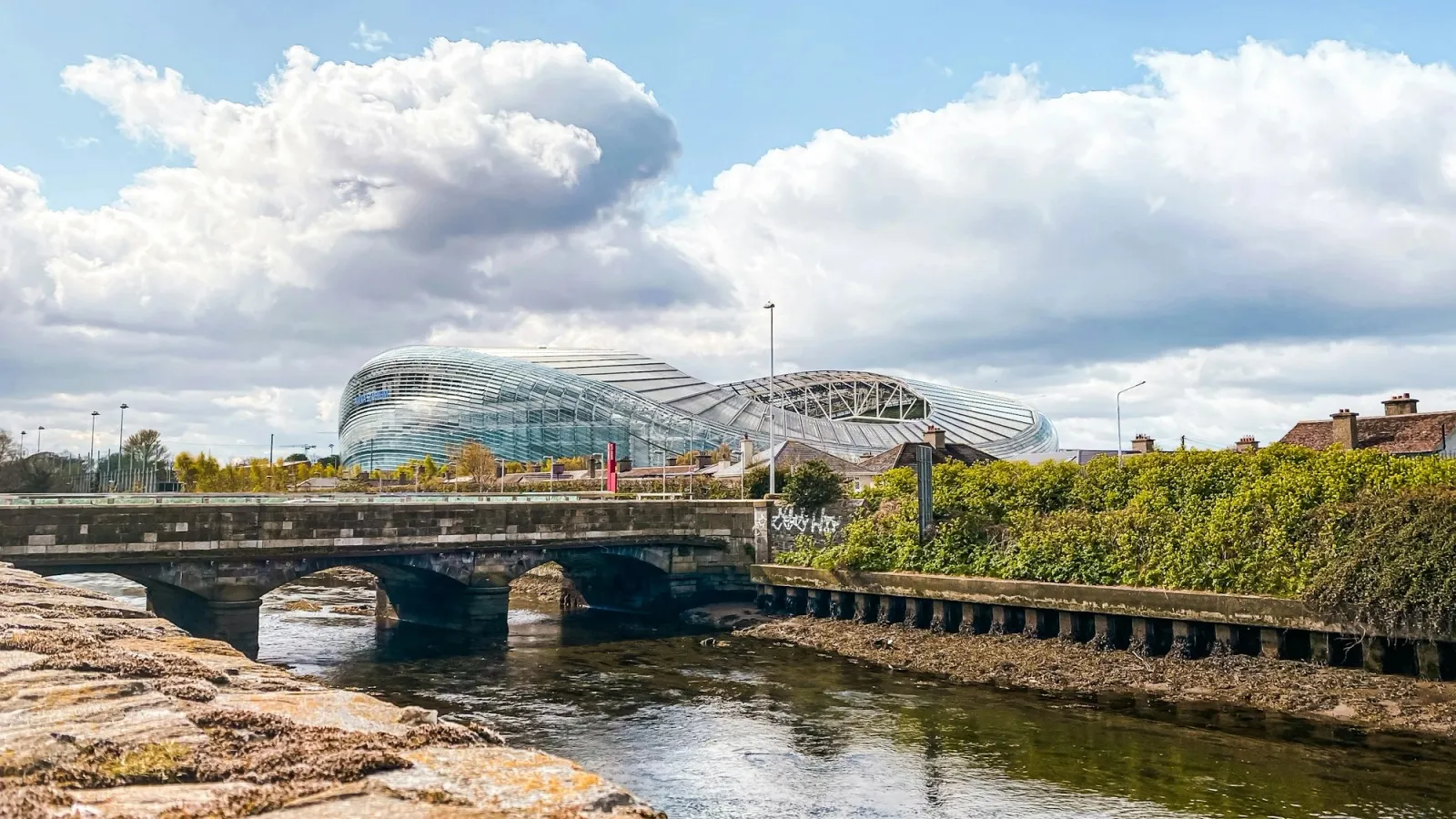
For Ireland v England the trip runs from Thursday to Saturday, with return flights from London and two nights at the Clayton Hotel Cardiff Lane, near Dublin’s Docklands. Coaches take you between the airport and the hotel on the days you arrive and leave, and your seat at the Aviva Stadium is reserved for the Friday night match.

Green and Gold Hoops at Cheltenham
The green and gold hoops of JP McManus belong to South Liberties, a hurling club near Limerick. He has supported it since boyhood, was its chairman as a young man, and races his horses in its colours. Hurling is Ireland’s fast stick-and-ball game.
- Green
- Gold
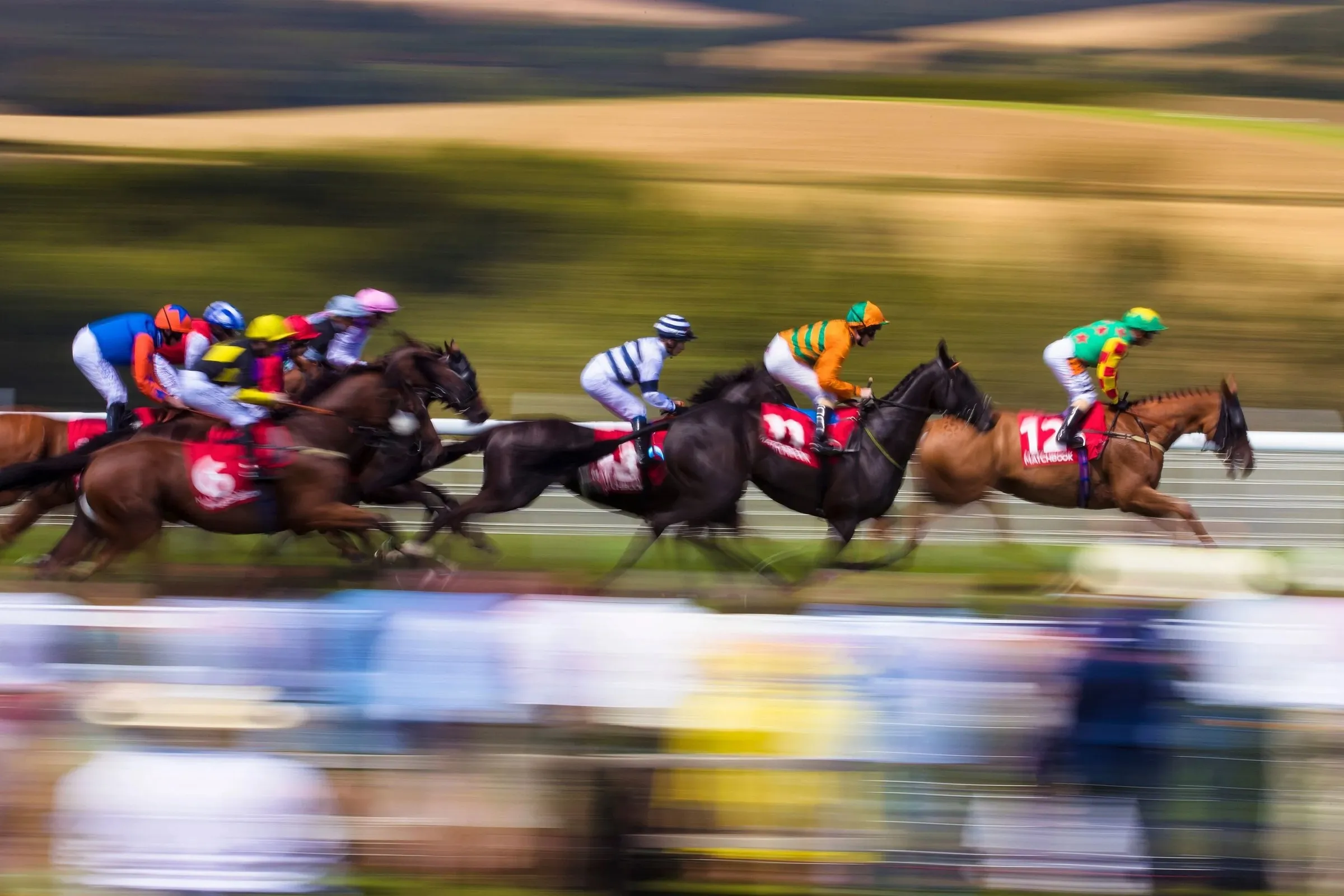
Horses in those colours have won more races at the Cheltenham Festival than any other owner’s, more than 80 since his first winner there in 1982. They include Istabraq, who won the Champion Hurdle three years running from 1998, and the Gold Cup winners Synchronised in 2012 and Inothewayurthinkin in 2025.
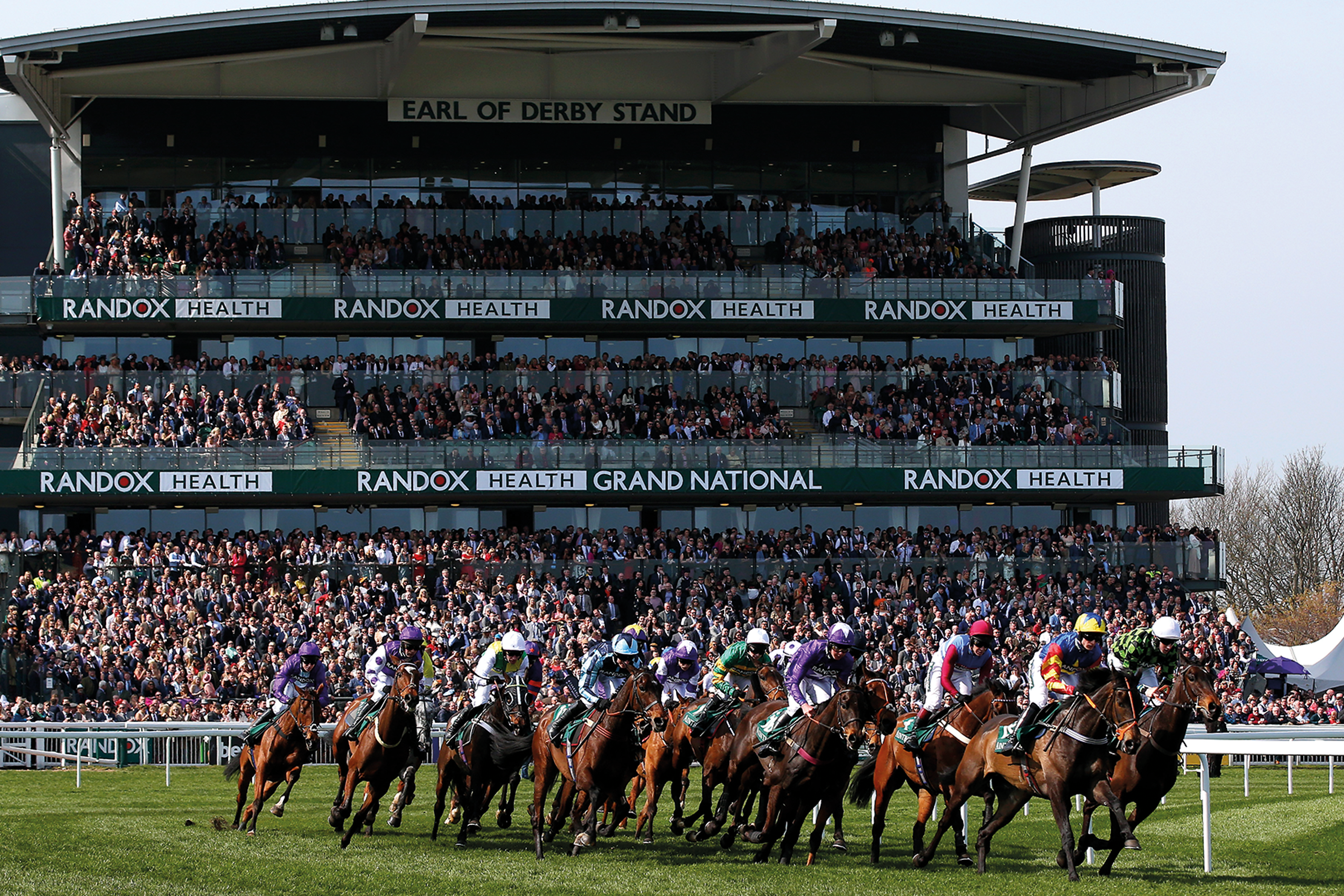
The hoops are as familiar at Aintree. Don’t Push It won the Grand National in 2010, the only National win for the champion jockey AP McCoy. Minella Times won it in 2021 under Rachael Blackmore, the first woman to ride the winner. I Am Maximus won in 2024 and again in 2026, which made four Nationals for McManus, a record for an owner.
When he has more than one runner in a race, they all wear the hoops, and the colour of each jockey’s cap tells them apart.
With us, a day at the Festival can be spent at Chez Roux Restaurant on the third floor or in the Final Fence Restaurant, which has a balcony over the last fence. The Long Run Box seats eight to twelve at a private table, and the Platinum Suite is a marquee in the Courtyard near the Parade Ring.
At Aintree in April, the Tiger Roll Suite looks over the Parade Ring, and the British Pullman can take you from London to Liverpool and back.
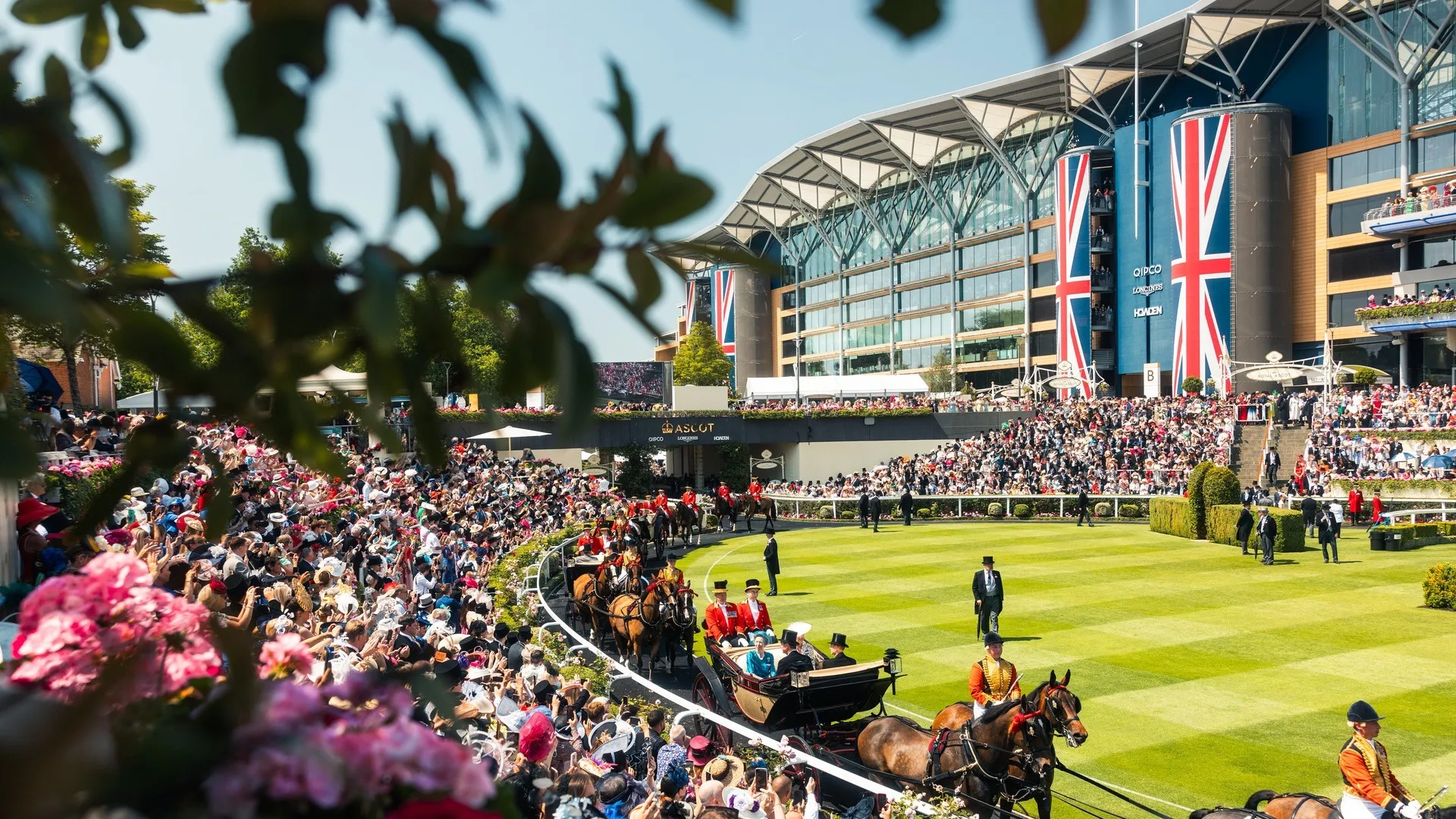
Purple, Scarlet and Gold: The Royal Silks
In British racing, jockeys normally wear the owner’s registered colours, known as silks. The British Horseracing Authority keeps the register. Since 1970 most new silks have been built from a set list of colours and designs. Colours registered before then kept their old designs, which is why the royal silks can still carry gold braid.
- Purple
- Scarlet
- Gold
- Black
The sovereign’s silks are a purple body with gold braid, scarlet sleeves and a black velvet cap with a gold fringe. They go back at least to George IV, who raced in them before he became king. Edward VII, George V, George VI and Elizabeth II all raced in them. The King’s horses run in them today.
In 2013 Elizabeth II’s filly Estimate won the Gold Cup at Royal Ascot, the first time a reigning monarch’s horse had won the race since it was first run in 1807. Ten years later Desert Hero, a colt the late Queen had bred, won the King George V Stakes and gave the King his first Royal Ascot winner.
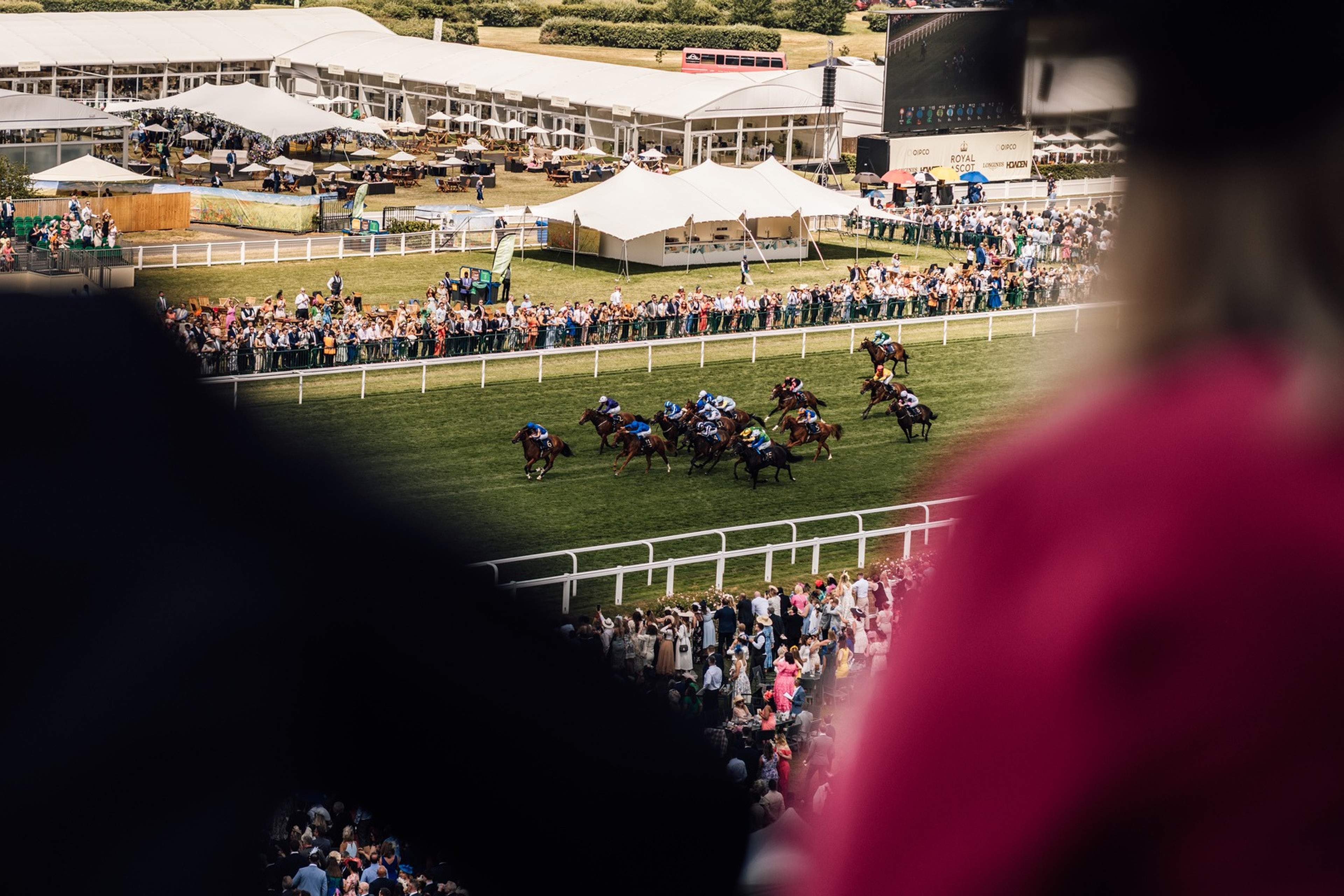
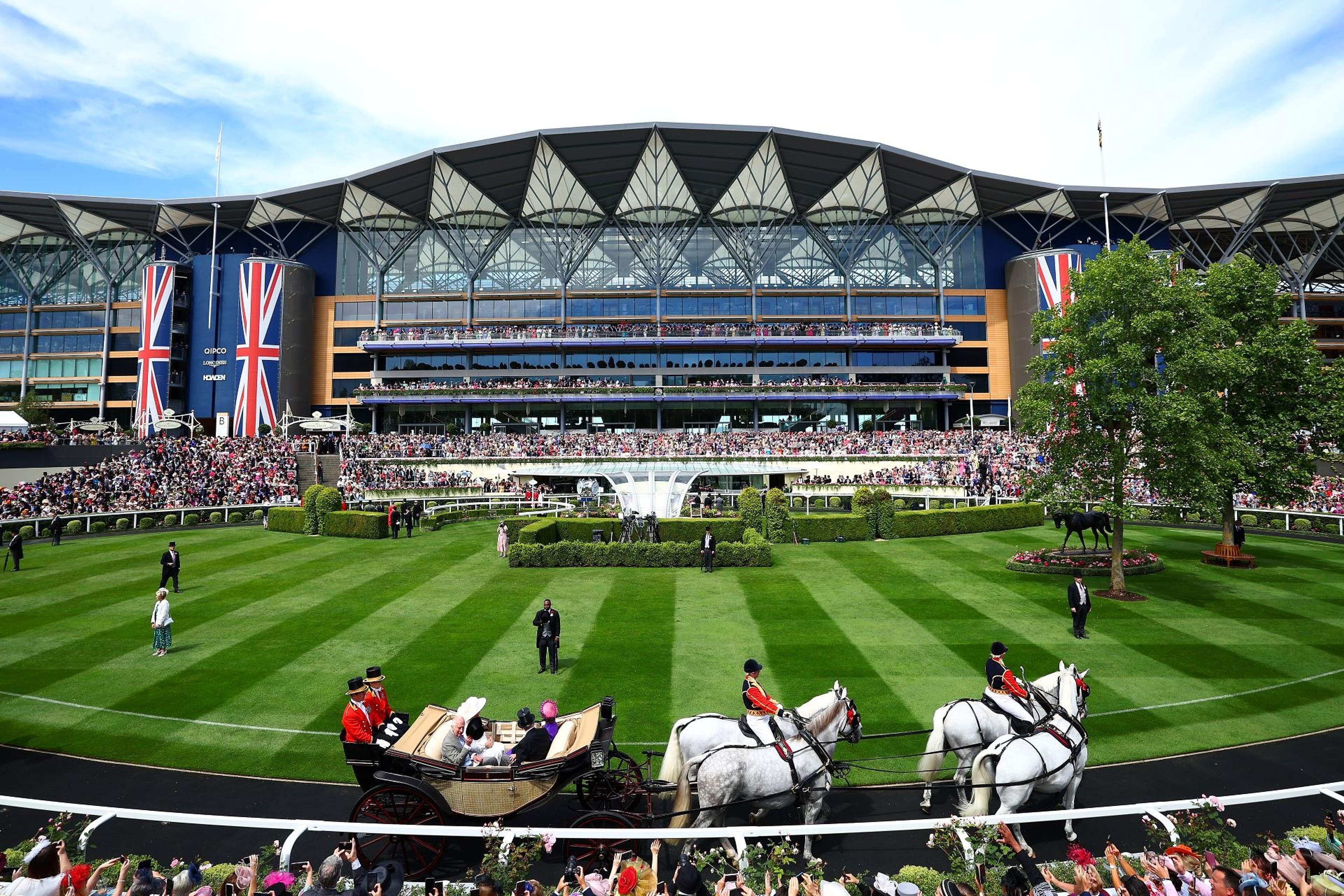
The racecard prints each runner’s silks beside its name, so the royal colours are easy to pick out when the King has a runner. Each afternoon also begins with the Royal Procession, when the royal party comes along the course in open carriages before the first race.
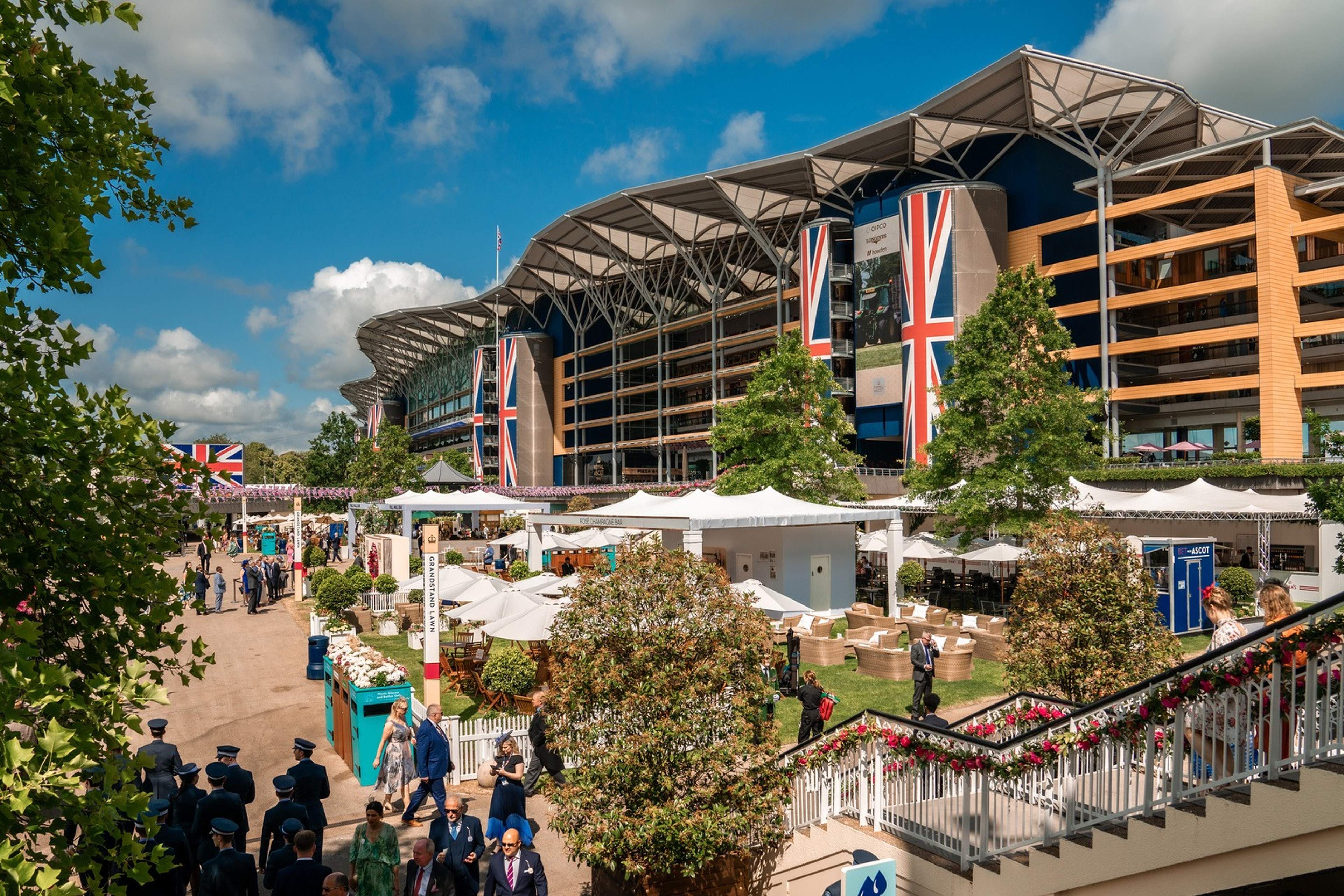
With us, the week can be spent on the Lawn Club’s decked terrace over the home straight or in a Private Box for ten to fourteen. The Panoramic Restaurant, on the sixth floor of the Grandstand, comes with Royal Enclosure badges.
Most of our options include the Queen Anne Enclosure, and our own team is on the course every day.
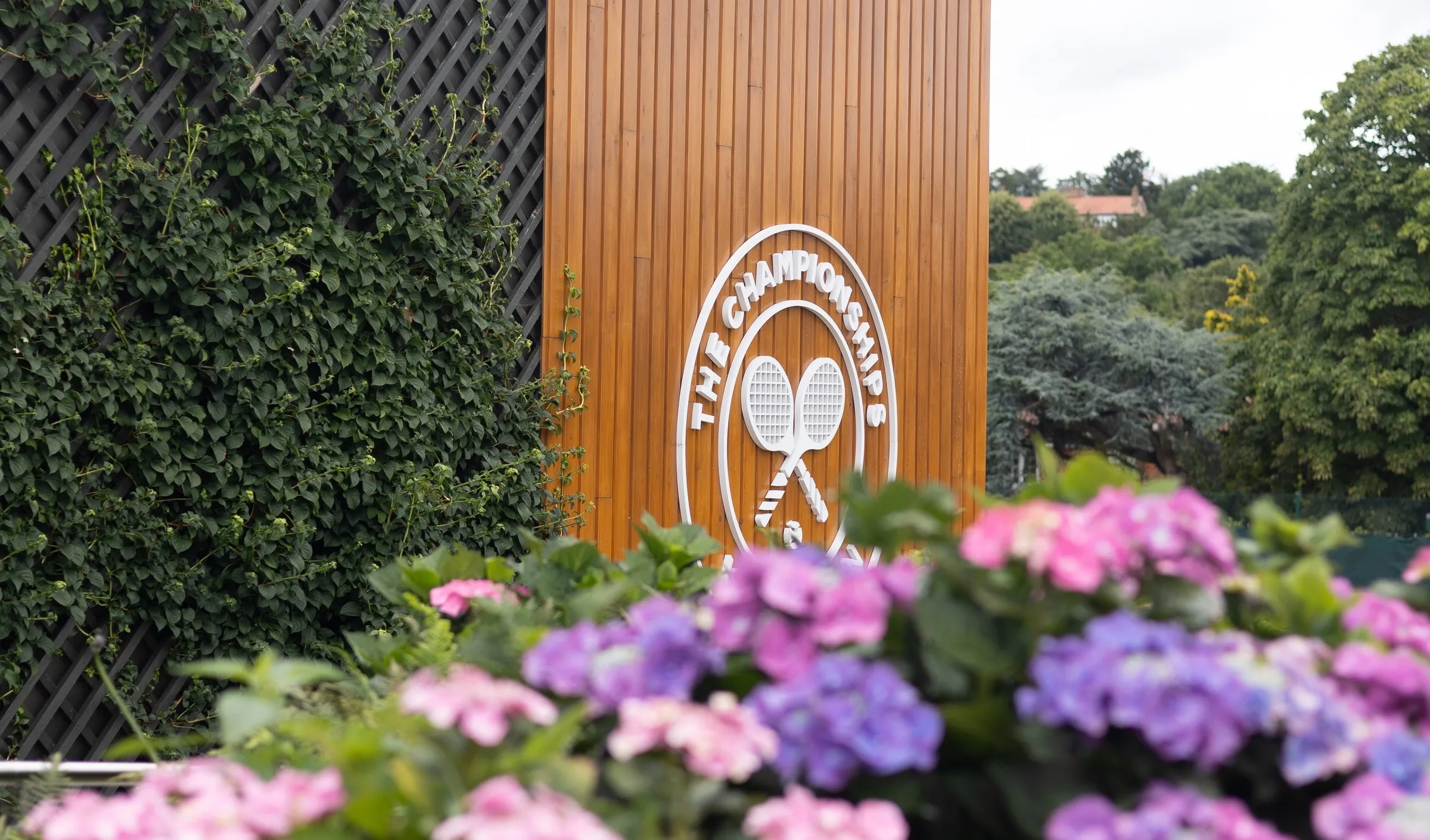
Wimbledon’s Purple and Green
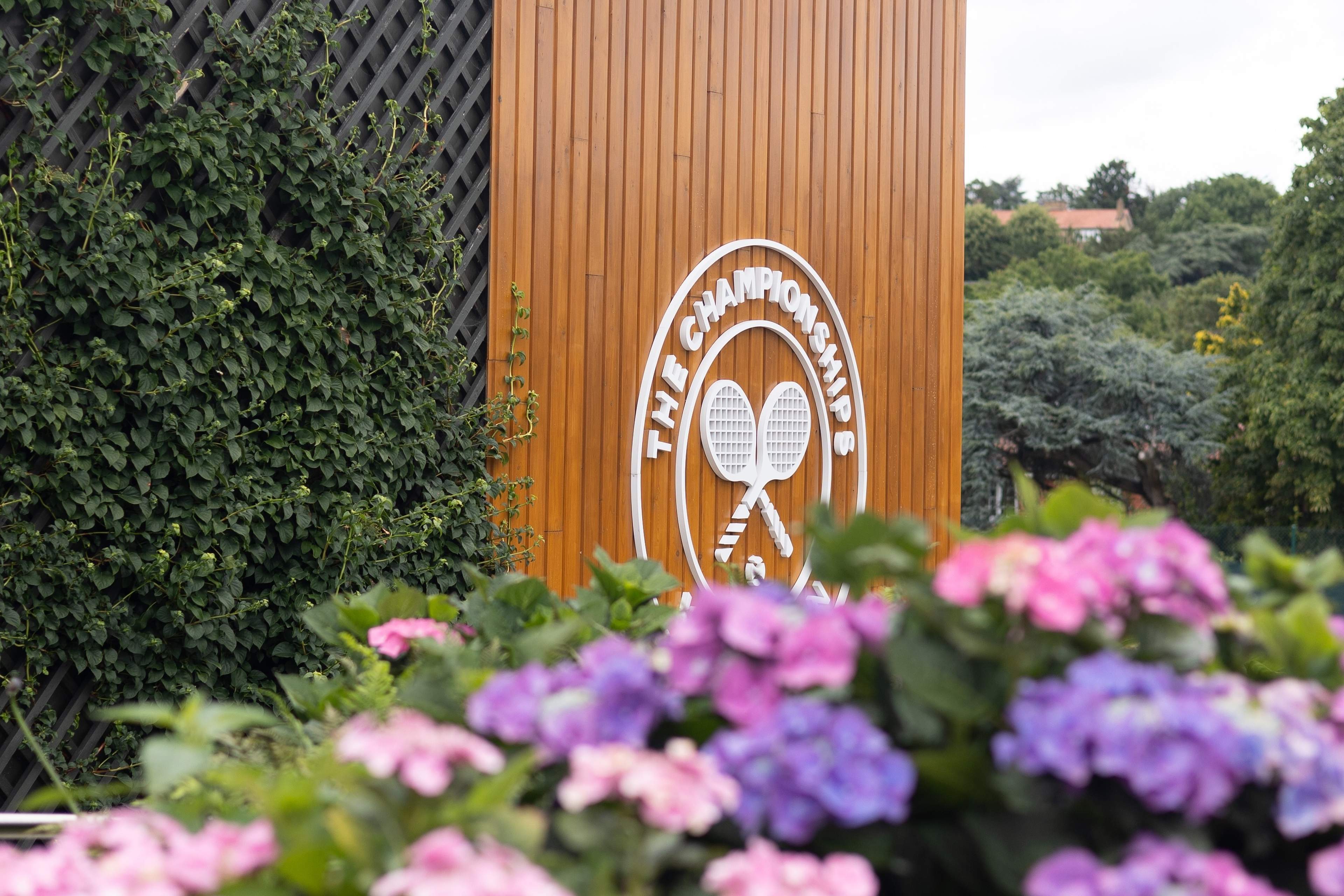
The All England Club has used dark green and purple since 1909. Its earlier colours were blue, yellow, red and green. They turned out to be almost the same as the colours of the Royal Marines, so the club changed them.
- Green, Pantone 349 C
- Purple, Pantone 268 C
Why it chose green and purple is less clear. The club’s own account says the reason is not stated in its records. Some writers have pointed to the suffragettes, who had adopted purple, white and green the year before. Nothing in the club’s records confirms the link.
In 2016 the club registered its colours in the United Kingdom as two colour marks, trade marks made of colour alone. One is a green stripe above a purple stripe of equal width, in Pantone 349 C and Pantone 268 C. To register them, the club had to show that people already linked the two colours with the tournament.
The players must wear almost entirely white, so the green and purple belong to the grounds around them. The Championships run from Monday 28 June to Sunday 11 July in 2027.
With us, you have a reserved debenture seat on Centre Court or No.1 Court for every match scheduled on that court that day. Debenture seats are the only Wimbledon seats that may be sold on, and we transfer them to the lead guest’s myWimbledon account before the day.
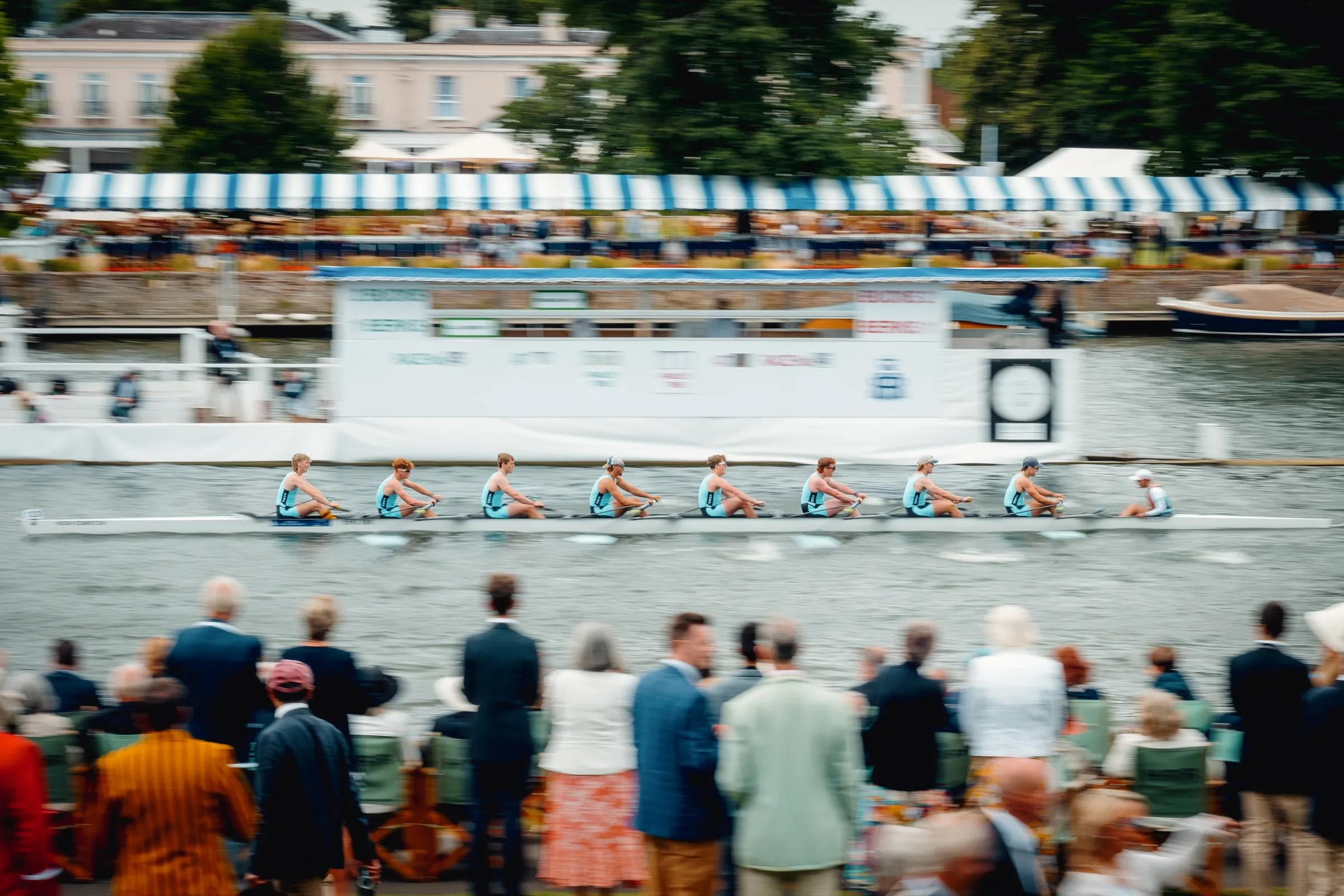
Leander Pink at Henley
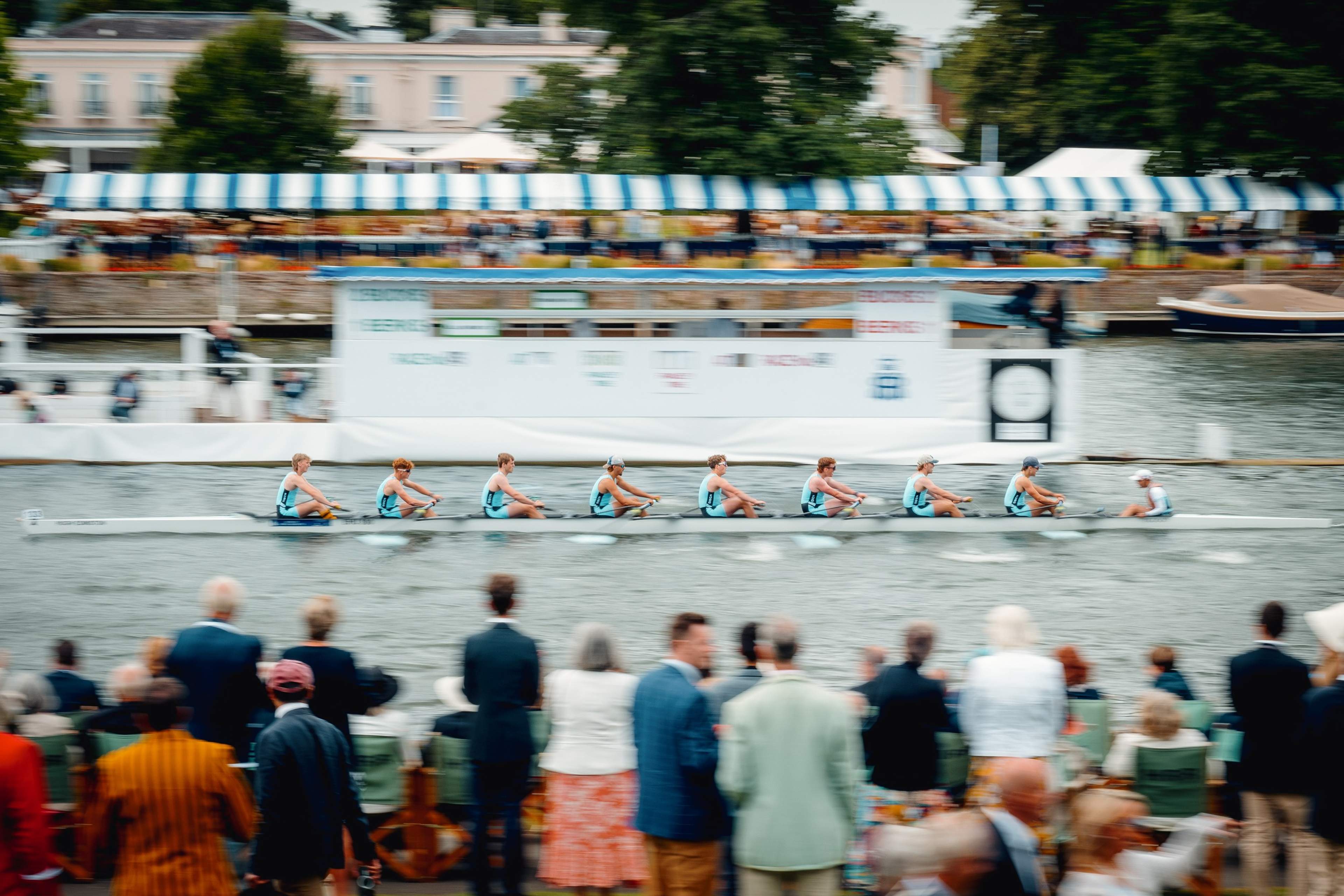
Leander Club was founded in 1818, which makes it one of the oldest rowing clubs in the world. In 1897 it bought land beside Henley Bridge and began building its clubhouse, now popularly known as the Pink Palace.
- Cerise, Pantone 1777
The pink began as red. In 1838 the club’s colours were described as white, slightly trimmed with scarlet, and by 1865 simply as red. The club probably settled on cerise, French for cherry, in the 1870s. Its minute books are silent on the change, and the earliest known mention of Leander cerise is in a Henley Regatta programme of 1889.
In 1898 the committee judged four samples of ribbon and approved one as the pattern for the club’s colours. The shade has drifted since, from a dark cherry red in 1930 to a pale salmon pink in the 1960s. It is still officially cerise, and this century the club has fixed it to a Pantone reference, 1777.
The club’s emblem is a hippopotamus, and members wear the pink on their ties, their socks and the bands of their boaters. At the regatta the pink is on the water as well as the bank, because Leander’s crews race in it. Henley Royal Regatta runs from Tuesday 29 June to Sunday 4 July in 2027, with the finals on the Sunday.
With us, you spend the regatta in the Fawley Meadows hospitality village on the bank of the course. From Tuesday to Saturday there is a Nyetimber English sparkling wine reception, a five-course lunch and afternoon tea, with a complimentary bar. On those days a boat also takes guests out on the Thames between races. The Sunday is Family Day, with lunch, entertainment for children and a cash bar.
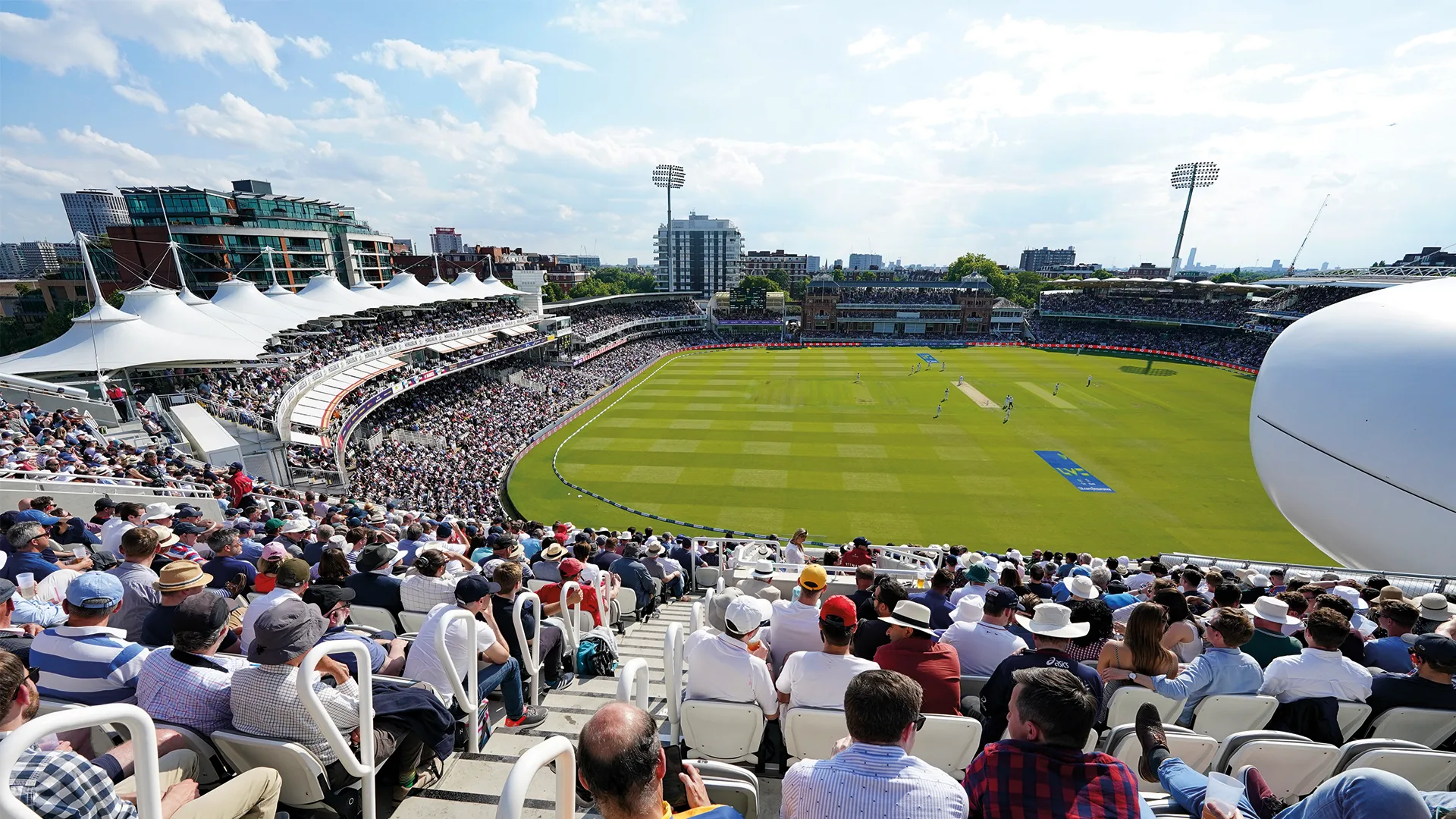
Egg and Bacon at Lord’s
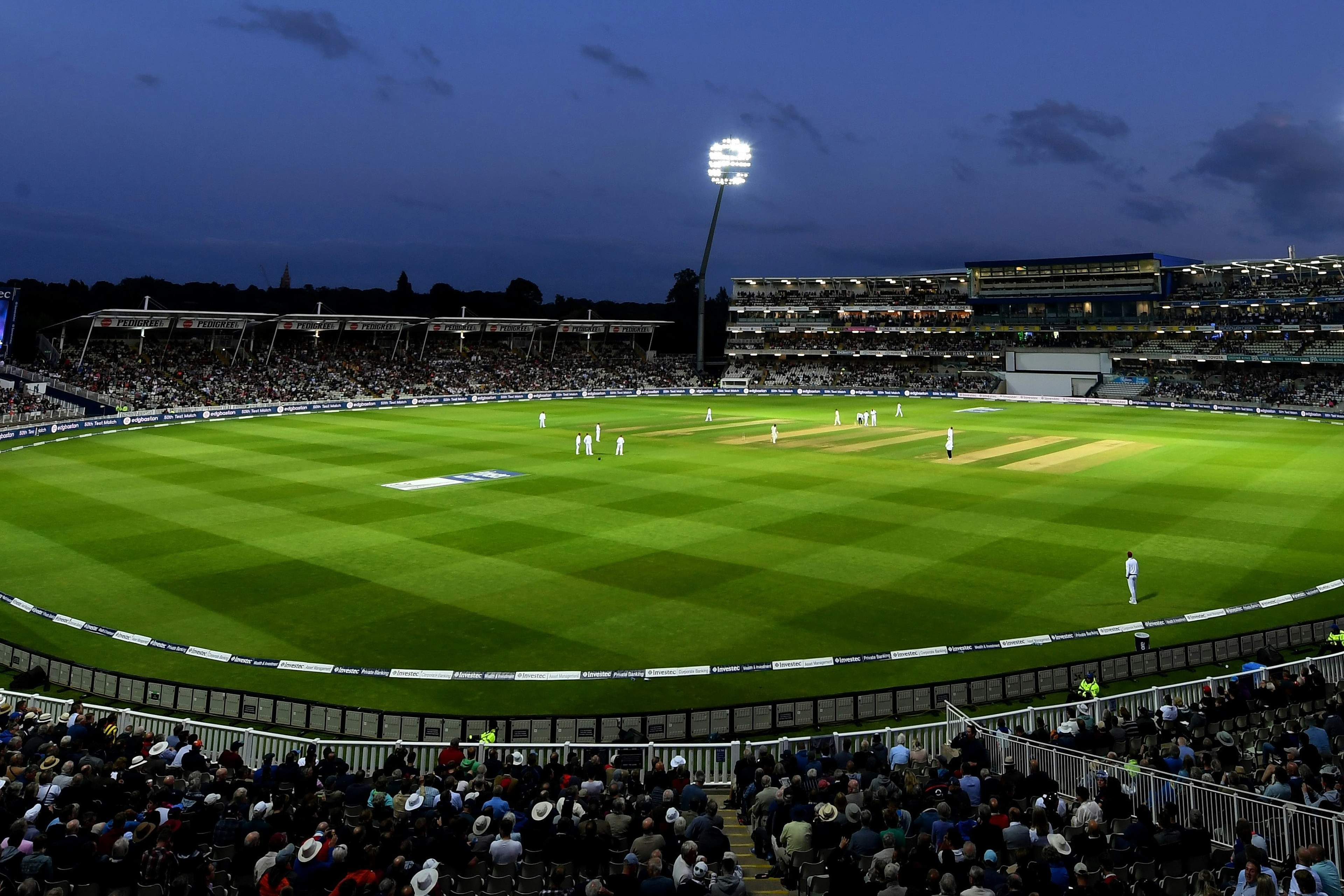
Lord’s belongs to Marylebone Cricket Club, the MCC, which was founded in 1787 and is still the custodian of the Laws of Cricket. It has played at the present ground in St John’s Wood since 1814, and its red and yellow colours are known across cricket as egg and bacon.
- Red
- Yellow
The club’s first colour was sky blue, and it was replaced by red and yellow in Victorian times. The MCC Museum holds a boundary flag from that period, the earliest known example of the red and yellow monogram. Why the club chose the colours is, by its own account, a mystery.
The explanation most often given is a thank-you to William Nicholson, a member who helped the club buy the freehold of Lord’s in 1866. He owned Nicholson’s Gin, whose colours were red and yellow. Two other theories point to the racing colours of the Duke of Richmond and to I Zingari, a wandering cricket club that shared many members with the MCC.
In the Pavilion, the Victorian building the players walk out from, members wear the egg-and-bacon tie. The second Test of the 2027 Ashes, the series between England and Australia, starts at Lord’s on Wednesday 30 June.
With us, you have a reserved seat for the day’s play and an indoor space at the ground away from the public stands. Food and drink are timed around the lunch and tea intervals, and one host looks after your group from arrival to the close of play.
British Racing Green
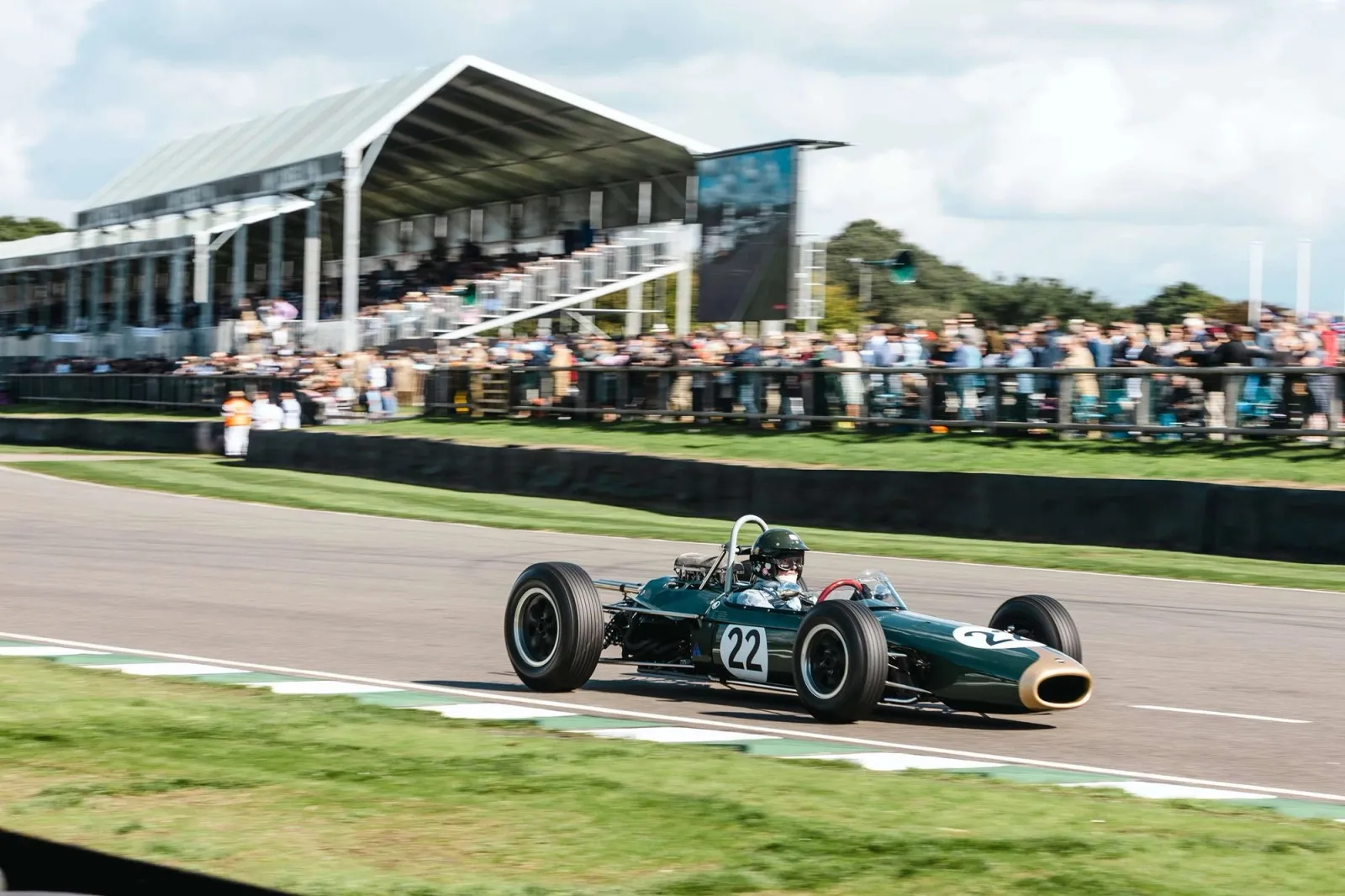
British racing green owes a good deal to Ireland. In 1902 Selwyn Edge won the Gordon Bennett Cup, an early international motor race, in a green Napier. The win gave Britain the right to stage the next race.
- British racing green
Racing on public roads was illegal in Great Britain, so the 1903 race was held in Ireland, then part of the United Kingdom. The British Napiers were painted shamrock green, a compliment to the Irish hosts.
No exact shade was ever set down, and for decades British cars raced in green of one kind or another. National colours were the norm in Grand Prix racing until 1968. That year Formula One relaxed its rules on sponsorship, and Team Lotus arrived at the Spanish Grand Prix in the red, white and gold of Gold Leaf cigarettes.
Aston Martin has raced its Formula One cars in green since 2021, and at the Goodwood Revival each September the green cars of the 1950s and 1960s race again.
The 2027 British Grand Prix is at Silverstone on Sunday 4 July. The circuit began as a wartime airfield and held the first round of the first Formula One World Championship in 1950.
With us, race day starts on the British Pullman, a train of restored 1920s and 1930s carriages. Brunch is served on the way north, and a coach takes you from Milton Keynes for the last stretch to the circuit. On the way home there is Champagne, a three-course dinner and half a bottle of wine each.
A group of four can take a private coupé. Up to twelve can take Celia, a 1932 carriage redesigned by Baz Luhrmann and Catherine Martin. It comes with its own chef, butler and steward, and a cocktail bar. Your seats at Silverstone are reserved and issued in pairs.