Summary
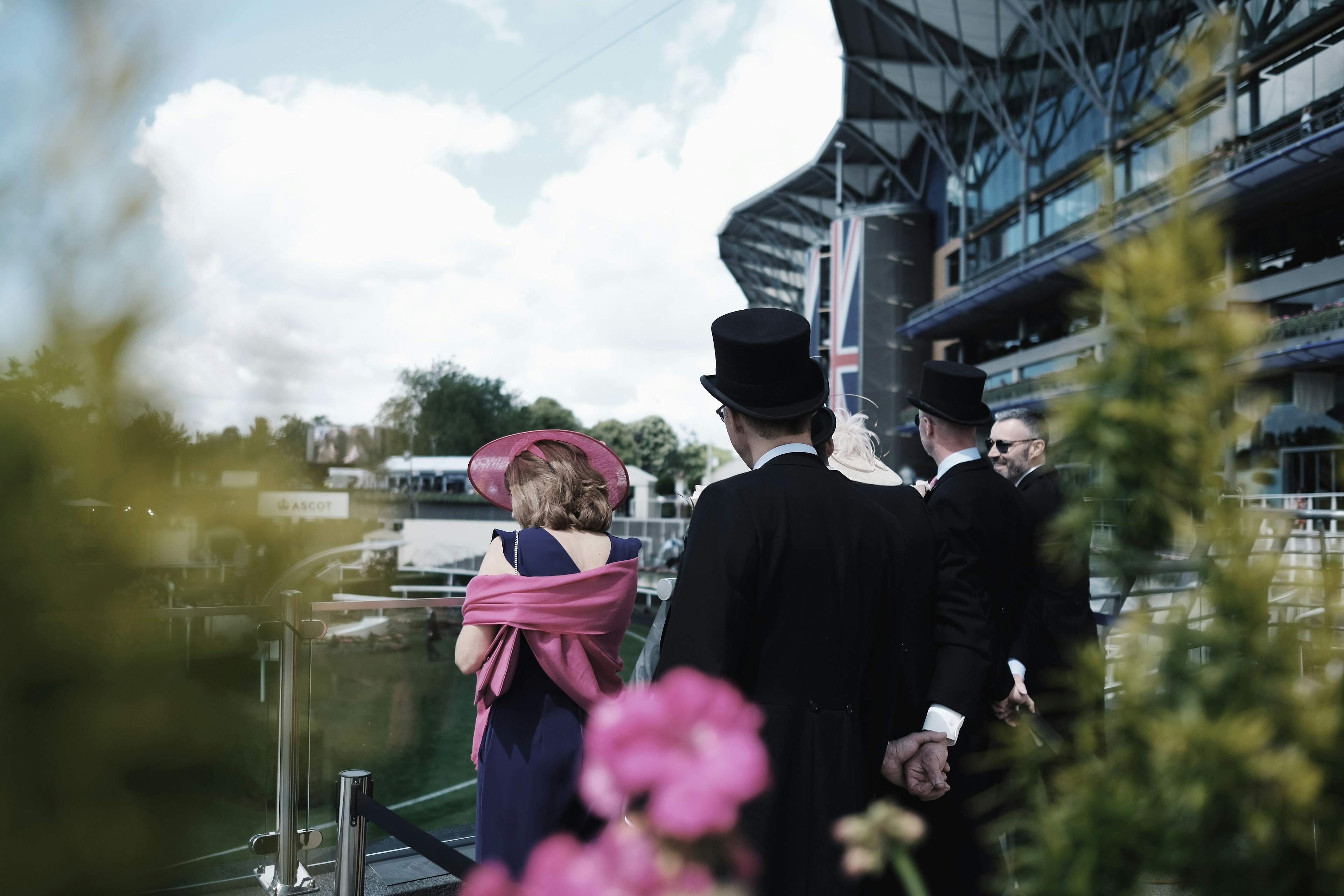
Ladies' Day is the Thursday of Royal Ascot: Gold Cup day, and the afternoon the millinery does the talking. The dress code runs all week, but Thursday is when people dress as though they mean it. The rule that decides your morning is the hat. The Royal Enclosure, jump to The Royal Enclosure wants a real hat, or a headpiece with a base of at least four inches, straps an inch wide and a hemline just above the knee or longer. The Queen Anne, jump to The Queen Anne Enclosure and Village let a fascinator do the job; the Windsor, jump to The Windsor Enclosure barely asks. Get the hat right and the rest follows.
Royal Ascot runs five days in mid-June, and the Thursday is Ladies' Day. It is the day the Gold Cup is run, the oldest race of the meeting, first staged in 1807 over two and a half miles, and it is the day the lawns fill with hats and the cameras go looking for them. The racing is the older tradition. The millinery is the one that ends up in the papers.
If you are bringing guests, Thursday is the day to pick: the fullest crowd, the best hats, the afternoon a client still mentions in October. The catch is that the rules tighten enclosure by enclosure, and the Royal Enclosure measures them to the inch.
The Royal Enclosure
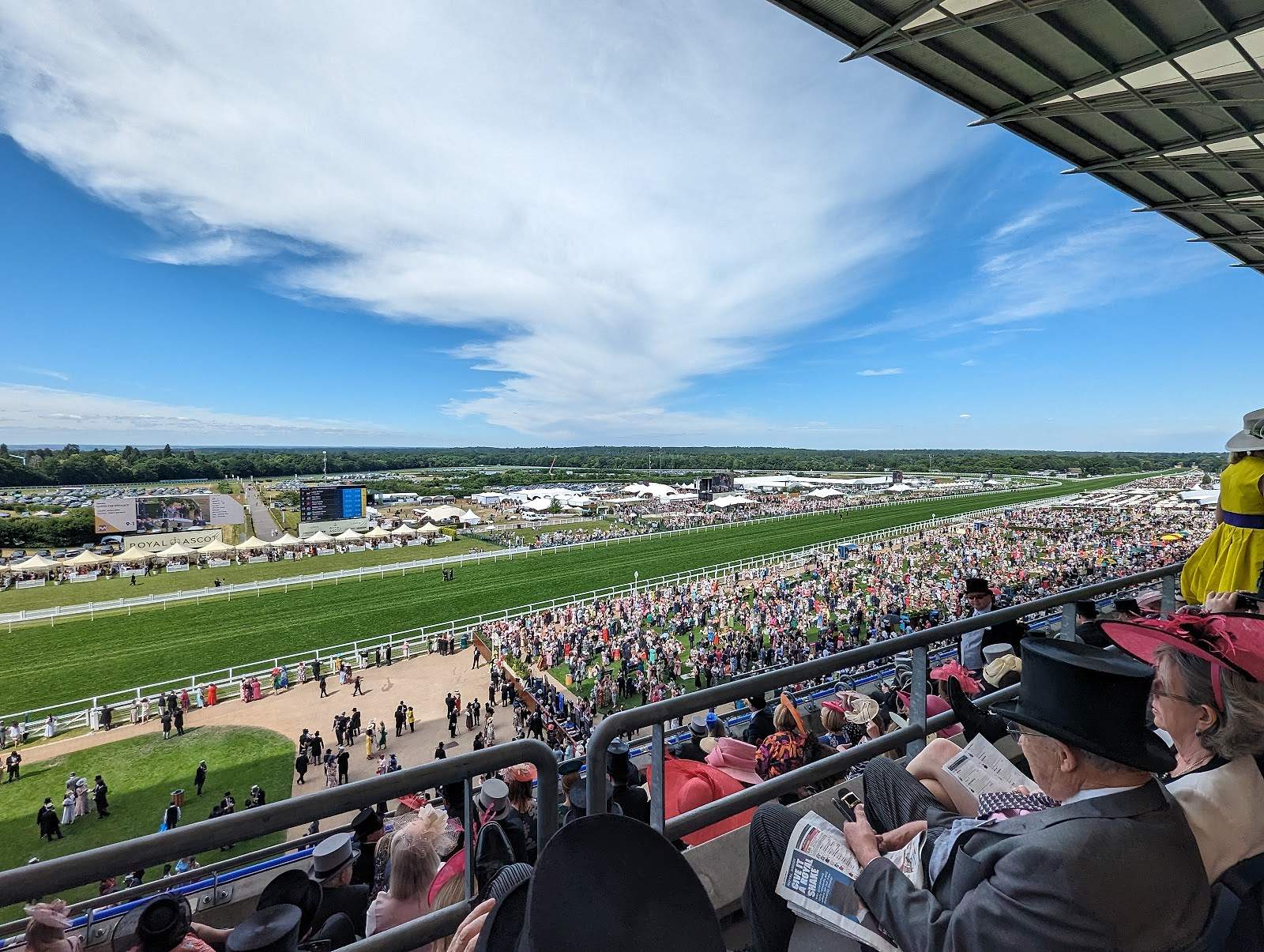
The strictest of the four, and the one the cameras find first. Build the outfit around a day dress in a single confident colour, falling just above the knee or longer, with a proper hat on top. Lace and chiffon are welcome as an outer layer, as long as the cut underneath still behaves.
The hat is what catches people. A hat must be worn, or a headpiece with a solid base of at least four inches (10cm). A fascinator on its own will not get you in, and nor will a disc, a slim headband or anything under that base; the gate turns those around every June. Straps must be at least an inch (2.5cm) wide, and strapless, one-shoulder, off-the-shoulder and halter-neck styles are out, even under a jacket. No visible midriff, and no sheer fabric over a see-through underlayer.
Trousers are welcome here, whatever people assume. A trouser suit passes if it is full length and the material and colour match; a blouse with separate tailored trousers does not. A jumpsuit works if it falls below the knee and its straps meet the inch.
The Queen Anne Enclosure
The biggest enclosure, and the most sociable. The brief loosens to smart daywear, which sounds easier than it turns out to be. This is where the fascinator earns its place: a hat, a headpiece or a fascinator all pass, and nearly everyone wears one. A bare head will still get you in, and leave you feeling under-dressed by the first race.
A dress, or a top and skirt, on shoulder or halter straps; a matching trouser suit; or a jumpsuit below the knee. There is no minimum hemline here, and lace and chiffon are fine. Colour travels further in the Queen Anne than it does in the Royal Enclosure, and the hat can be bolder for it.
The Village Enclosure
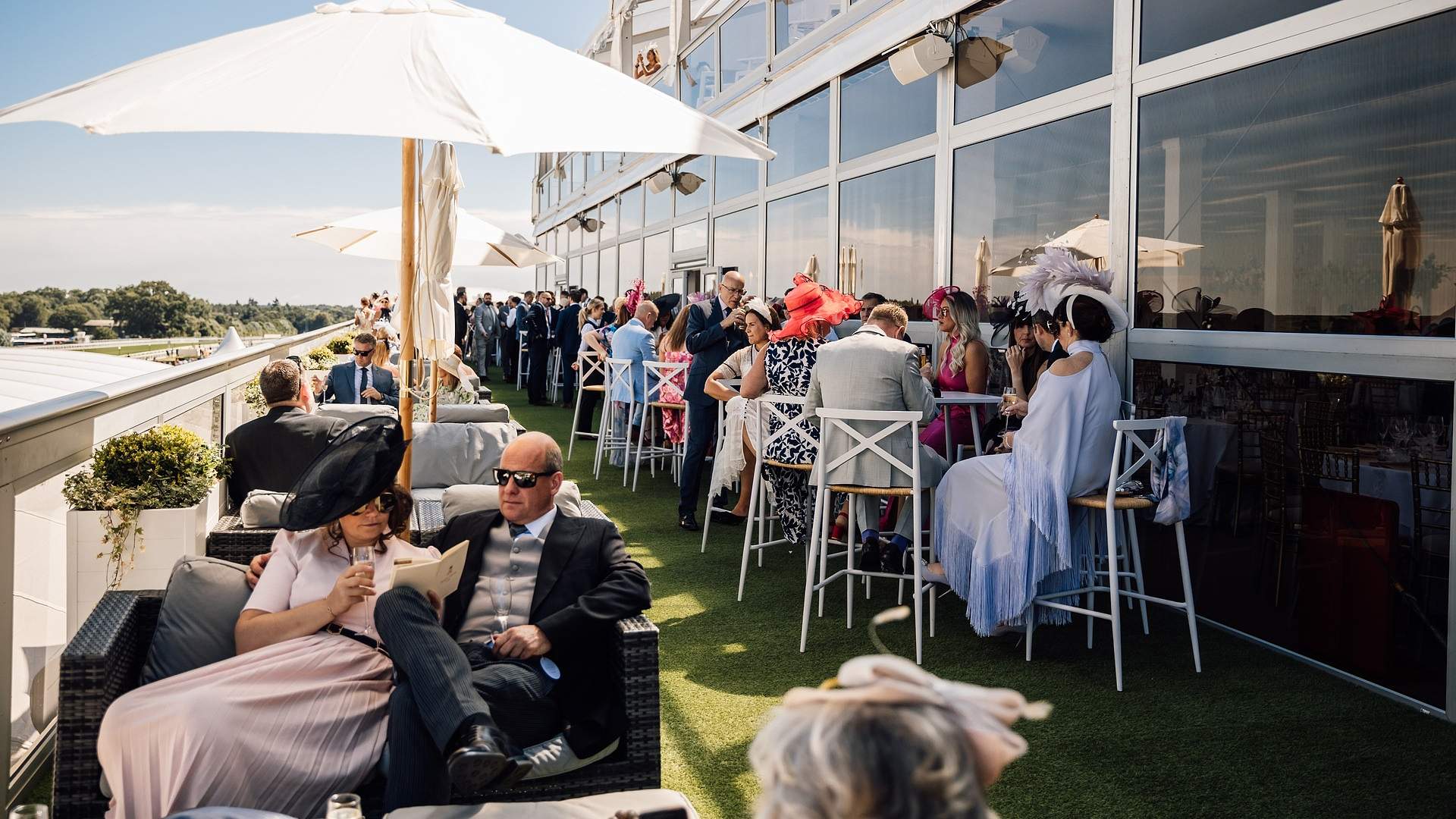
Newer, opened in 2017, and run to a different rhythm: inside the track, with a bandstand, live music and picnic lawns, and a younger crowd. The wording matches the Queen Anne, but the mood is bolder. Colour and stronger shapes go down well here, and trouser suits and jumpsuits are actively welcomed, not just allowed.
A hat, headpiece or fascinator is required. The bandstand is seen from every side, so the Village rewards an outfit that works in the round, not just head-on.
The Windsor Enclosure
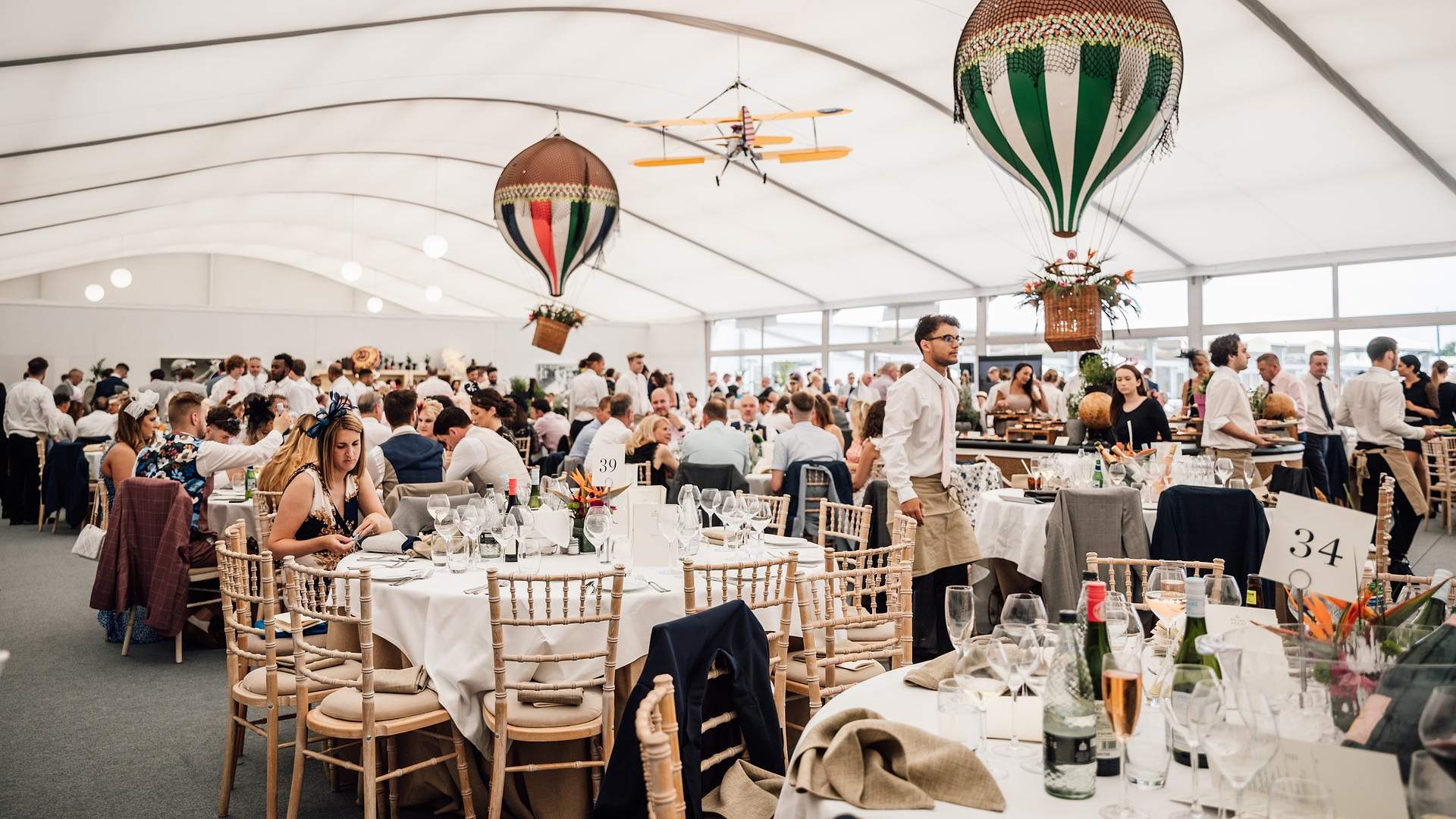
The most relaxed of the four: smart summer dressing, a jacket recommended, a hat or fascinator encouraged but not required. Trainers, denim, leggings and shorts are out, as they are everywhere on the course. For a younger group who want the atmosphere without the strap rules, the Windsor is the answer.
The hats, hat by hat
The hat is the outfit on Ladies' Day, not an accessory to it. A wide brim reads best out on the lawn; a headpiece is the lighter all-day choice and clears the four-inch base the Royal Enclosure asks for. Straw and silk wear cooler than felt in June, and colour is rewarded in every enclosure. A few things the regulars know:
- Order earlyThe good milliners take orders from January for the June meeting and the off-the-peg fittings empty out by May.
- Bring a hatpinAscot in mid-June can run from 18 to 28 degrees with afternoon gusts off the Parade Ring. A wide-brim hat without a pin will move twice and then once for real.
- Practise walking in the hatBrim heights interact with car doors, low door frames and the height of the person you'll be greeting at the entrance. Twenty minutes of indoor practice on the morning of saves an awkward thirty seconds at the gate.
- Don't go too tall in a private boxInside the boxes and restaurant pavilions the brims have to clear chair backs and the people seated behind you. Outside, on the lawn or in the Parade Ring, the height limit is set by the wind.
- Straw or silk over felt in JuneFelt hats are warm. Straw and silk read cooler and lighter. The Royal Enclosure allows all three; the choice is yours.
The rules that catch people out
Some of these are written down; some a steward will tell you under their breath as you walk in. Strapless fails in every enclosure, because all four want straps. In the Royal Enclosure the bar sits higher: off-the-shoulder, one-shoulder and halter-neck are all out, even under a jacket, and the strap that counts is the one on the dress, not the bolero over the top.
Trouser suits must match: same fabric, same colour, full length. Culottes, cropped trousers and a blouse-and-trouser combination do not pass, and a jumpsuit has to fall below the knee. Novelty prints, slogans, brand logos and cartoon imagery are barred in every enclosure. The working test, on the women's side and the men's, is whether it would look out of place at a smart summer wedding.
A short note on shoes
There is no rule on shoe style beyond the course-wide ban on trainers, so the choice is about the day rather than the gate. Heels work on the carpet and indoors, but the walk in is longer than the map suggests and the lawn is grass, so most regulars carry a flat and change once they are inside.
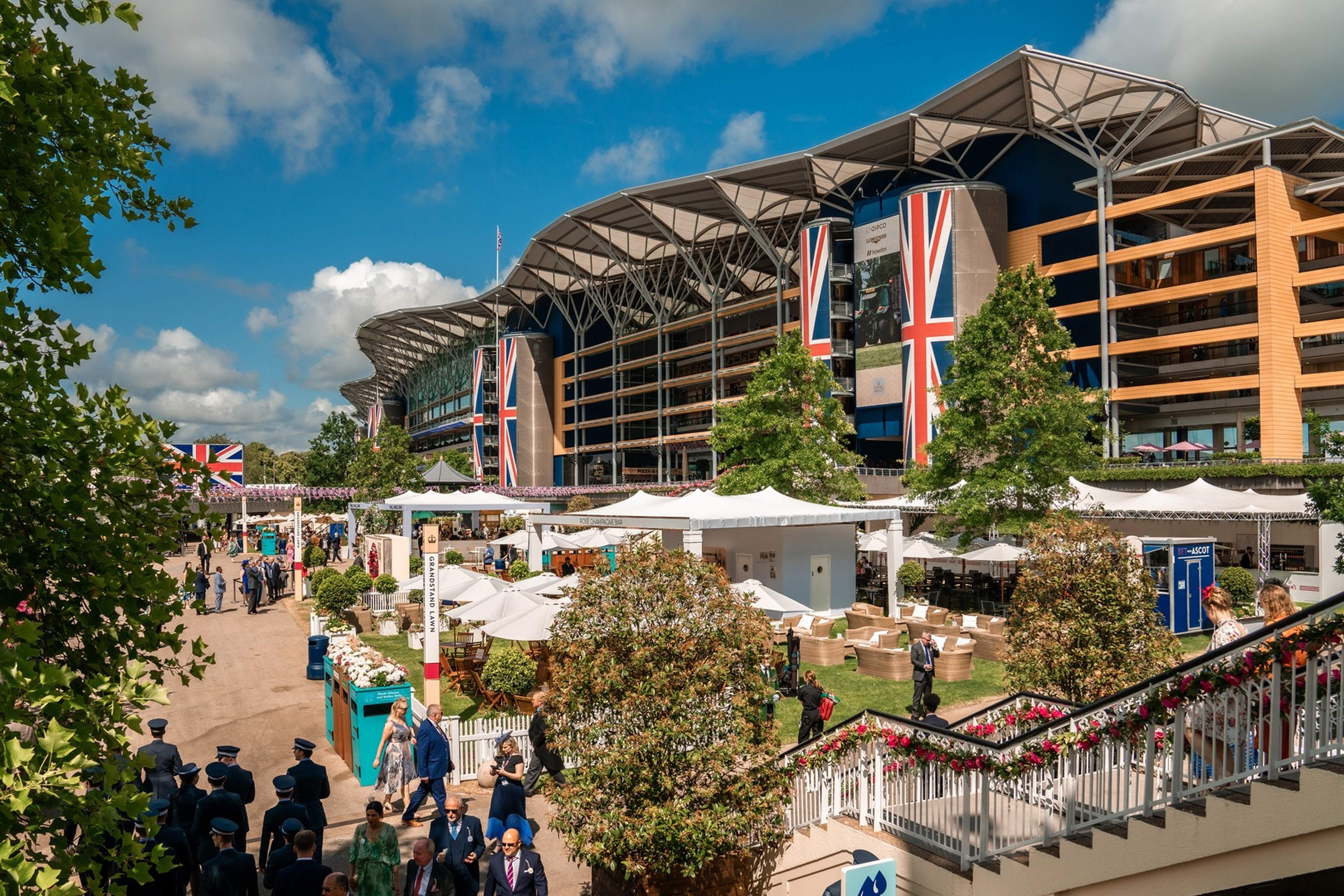
Pick the enclosure your day is in, build the outfit around a hat you can measure rather than guess, and the Thursday looks after itself. Bring guests and it does more than that: Ladies' Day is the one afternoon at Ascot a client talks about long after the Gold Cup is run.
Daniella McBride
Sales Manager
Sales Manager at Imperial Corporate Events. Whatever you’re booking, sport or music, she’s easy to plan with and stays on it until it’s right.