Summary
Most Grand Prix guests experience Monaco at full volume, then find themselves with a free day and no plan. The country is tiny, barely two square kilometres, but it holds a working royal palace, the most famous casino, jump to The Casino in the world, a clifftop aquarium, jump to The Museum Jacques Cousteau once ran, a medieval old town and a harbour full of superyachts. And when you have run out of Monaco, Eze, Nice and the Italian border are all a short drive away, jump to Day trips.
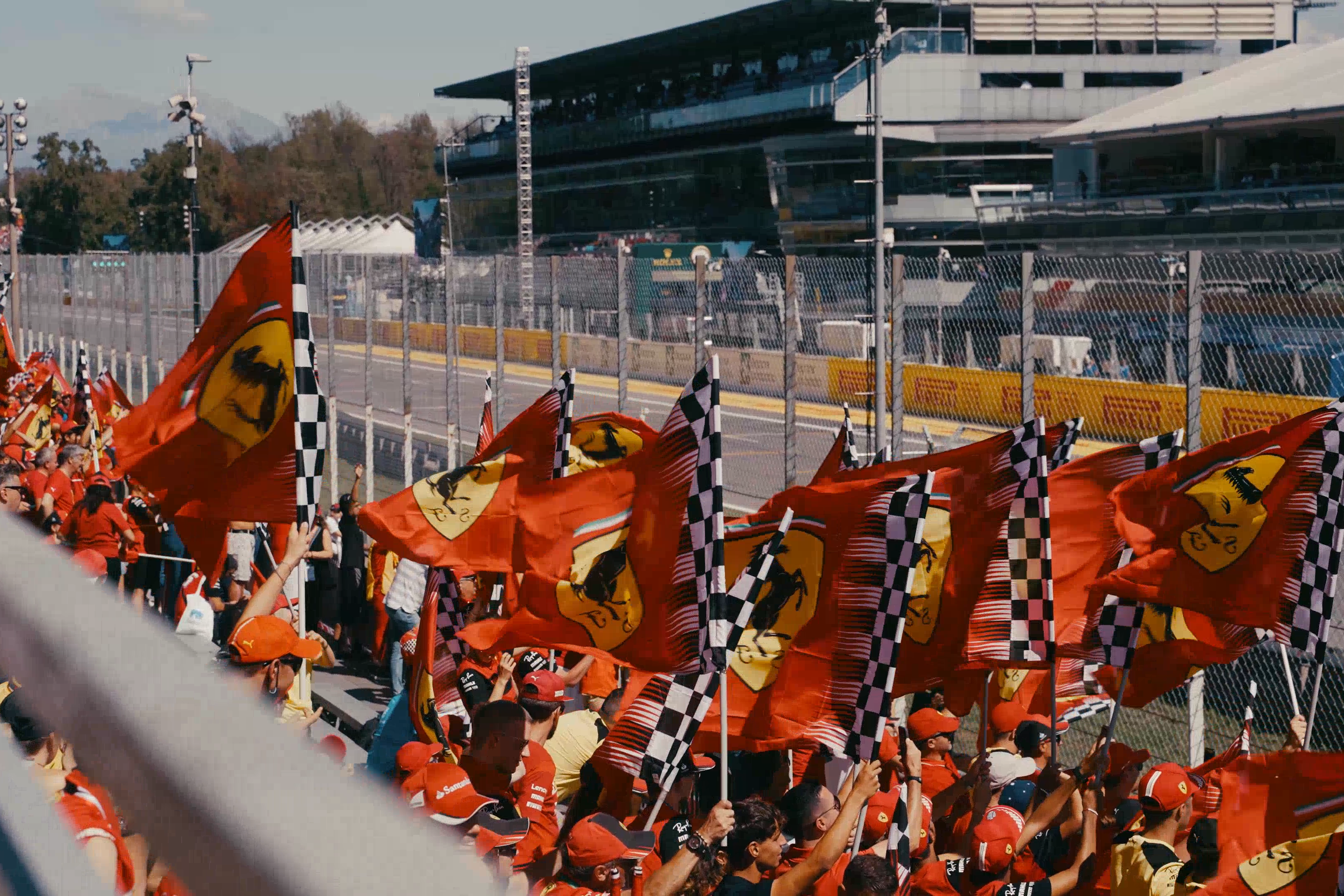
Monaco during the Grand Prix is one of the loudest places on earth. On a normal afternoon it is a different country: a working royal principality of 39,000 people on a single Mediterranean headland, the second-smallest country in the world after the Vatican. If you are out for the race and find yourself with a free afternoon once the cars stop, there is far more to do than the size suggests. The only real catch is the geography. Monaco is stacked up a cliff in tiers, so getting between the sights means stairs, or the network of public lifts the locals use to cheat them.
Everything worth seeing sits within about twenty minutes of everything else, so a single free day covers most of it. Here, roughly in the order the geography puts them, are the ones worth your time.
The Palace and the Old Town
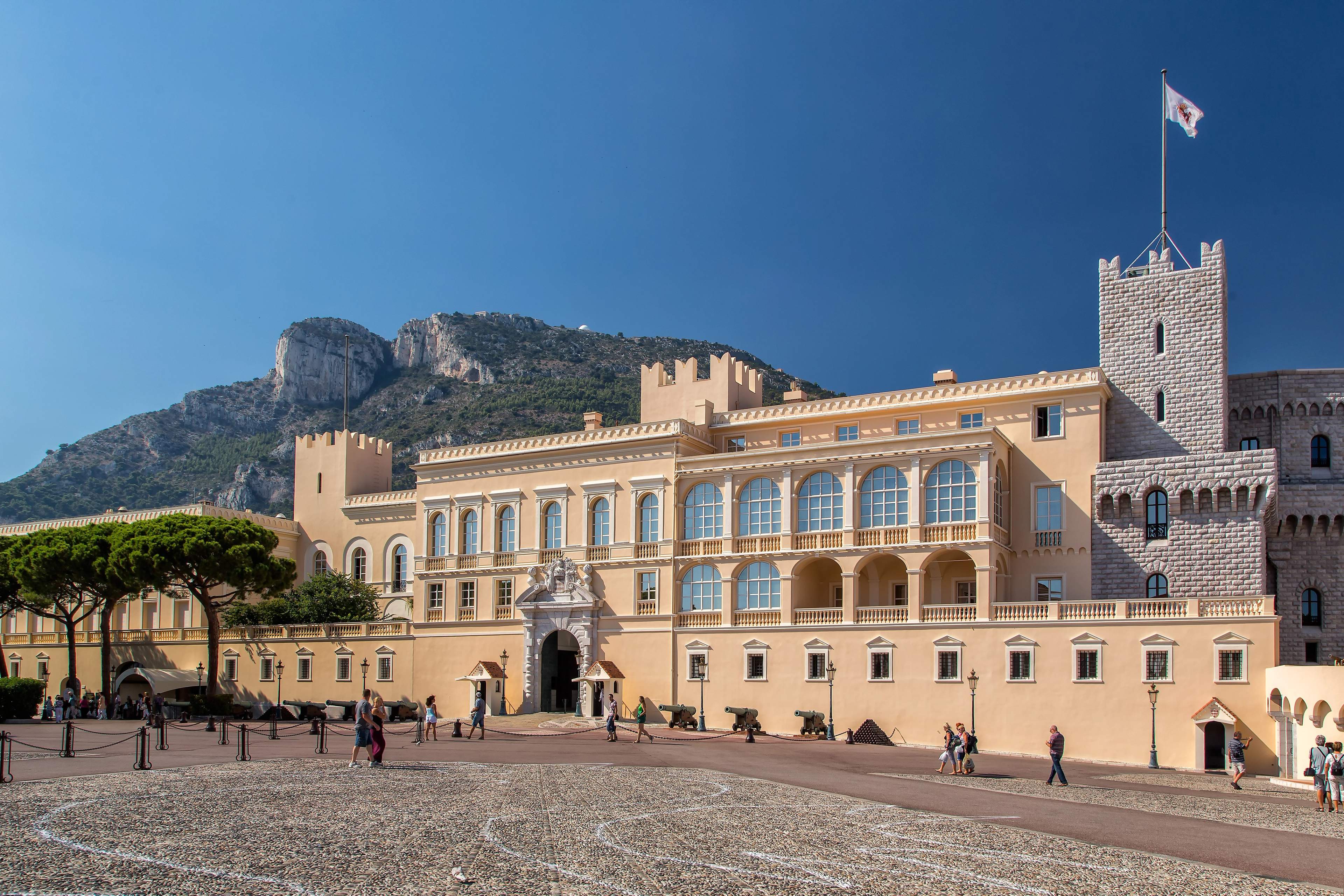
The Rock, the limestone outcrop at one end of the principality, holds the oldest part of Monaco and the reason it exists at all. The Prince's Palace has been the Grimaldi family home for more than seven hundred years, one of the longest-running addresses in Europe. The State Apartments open to the public from spring to autumn, and the Changing of the Guard runs at 11:55 every morning outside the main gate, a short, brisk, well-drilled few minutes worth timing your climb for.
Around the palace is Monaco-Ville, the old town: narrow pastel streets that feel more like a Provencal hill village than the high-rise principality below. At its centre is the cathedral, where the Grimaldi princes are buried, Princess Grace among them. Grace Kelly is the name most British visitors come up here for, and her tomb is markedly simpler than the Hollywood life that led to it.
The Casino
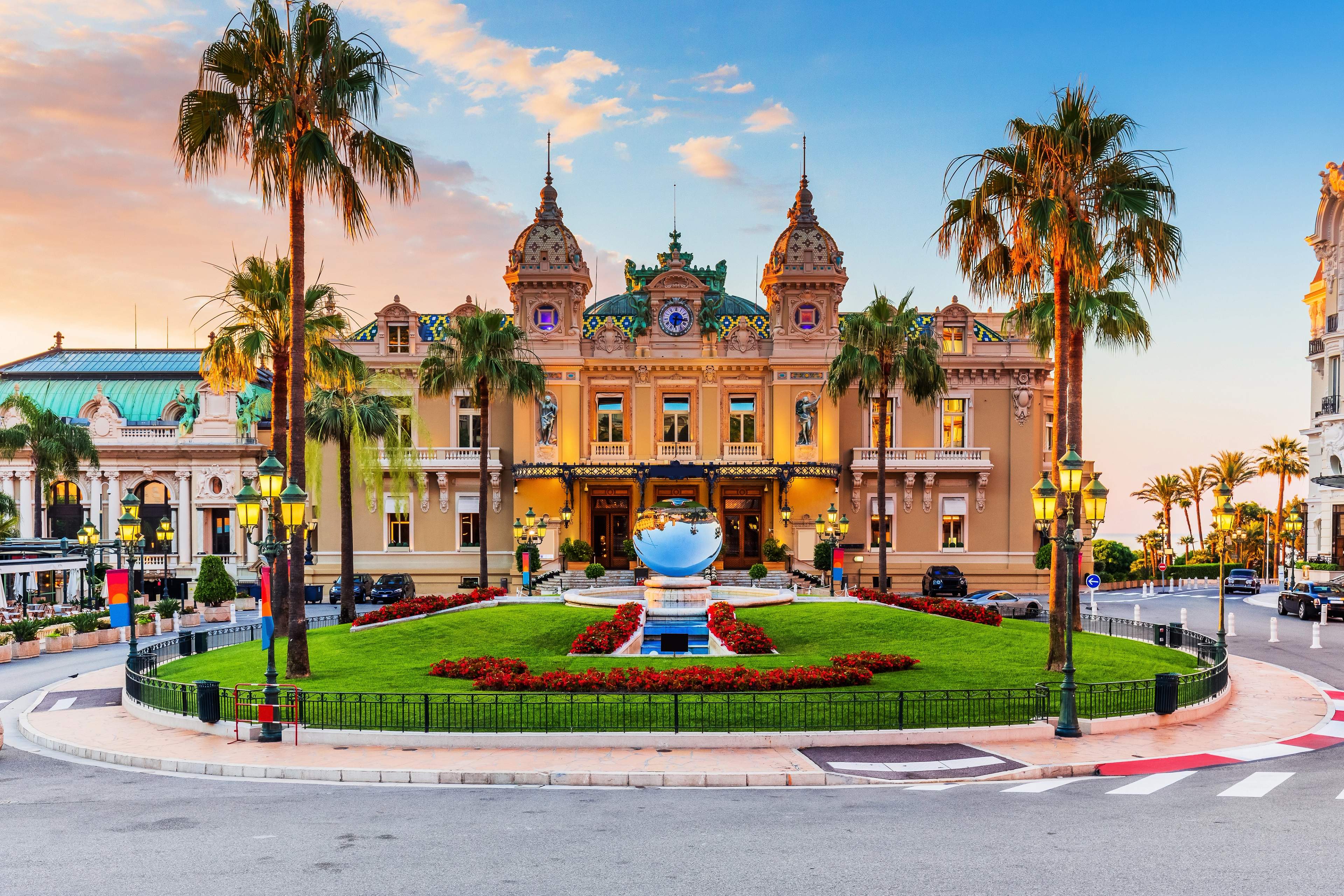
The Casino de Monte-Carlo is the building everyone pictures. It opened in 1863, and the showpiece you see today was designed by Charles Garnier, the architect of the Paris Opera, which is exactly what it looks like: an opera house that happens to deal blackjack. One quirk worth knowing is that Monaco's own citizens are barred from the gaming rooms, and always have been, checked on the door. The dress code tightens after 7pm to a jacket and trousers for men, a dress or trouser suit for women. By day you can wander the public rooms; the gaming floor is a different proposition.
The square in front, the Place du Casino, is the real set-piece: the casino on one side, the Hotel de Paris on the other, and a slow circulation of exactly the kind of cars you came to Monaco to watch.
The Oceanographic Museum
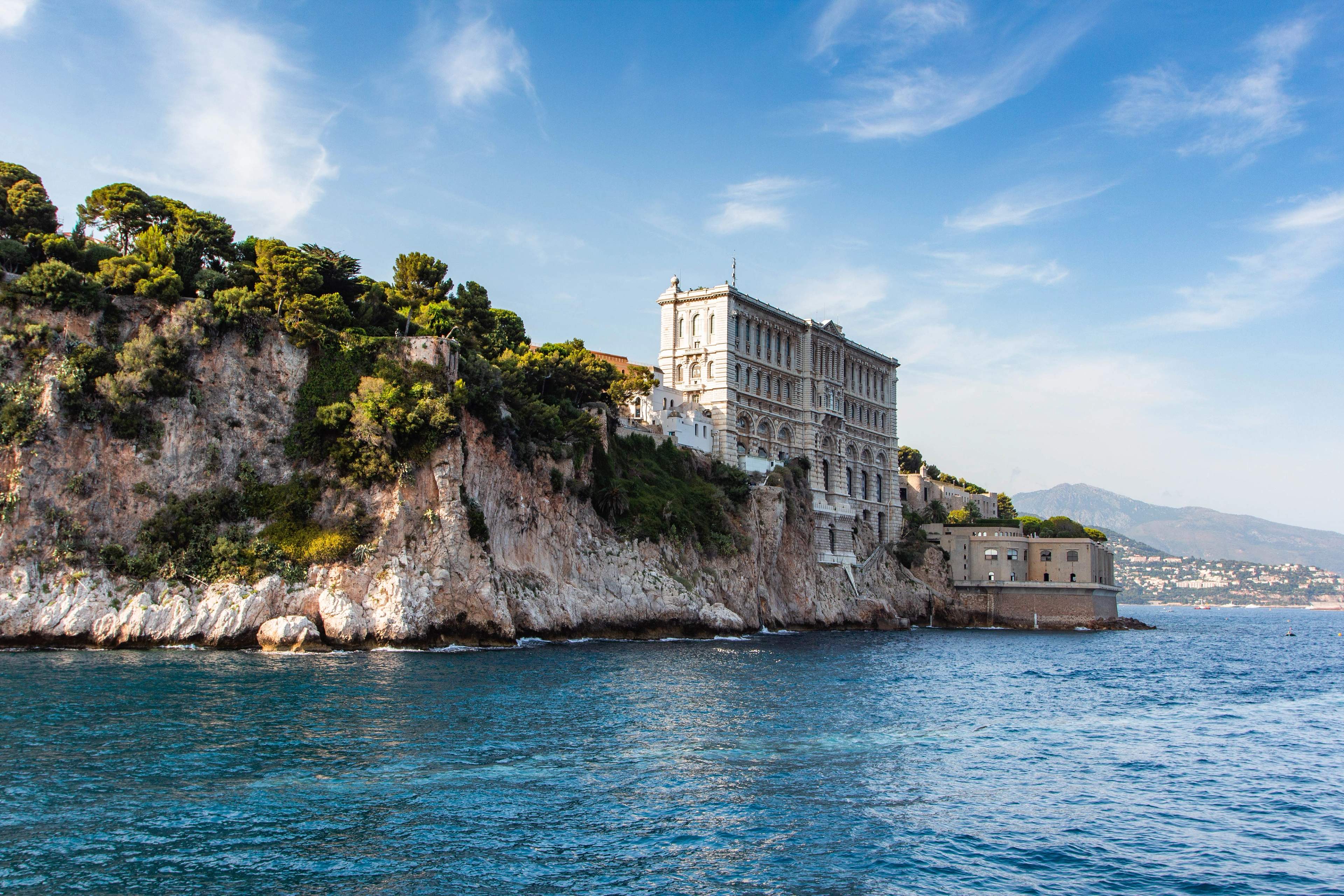
The surprise of Monaco is its aquarium. The Oceanographic Museum was built into the cliff face by Prince Albert I, a genuinely serious marine scientist, and opened in 1910 after eleven years of hauling stone up the Rock. Jacques Cousteau ran it for thirty years, which is the detail most people arrive knowing. Inside is one of Europe's great aquariums, six thousand creatures across hundreds of species, and the roof terrace, eighty-odd metres above the sea, has one of the best views in the principality. Give it a couple of hours.
The harbour and the beach
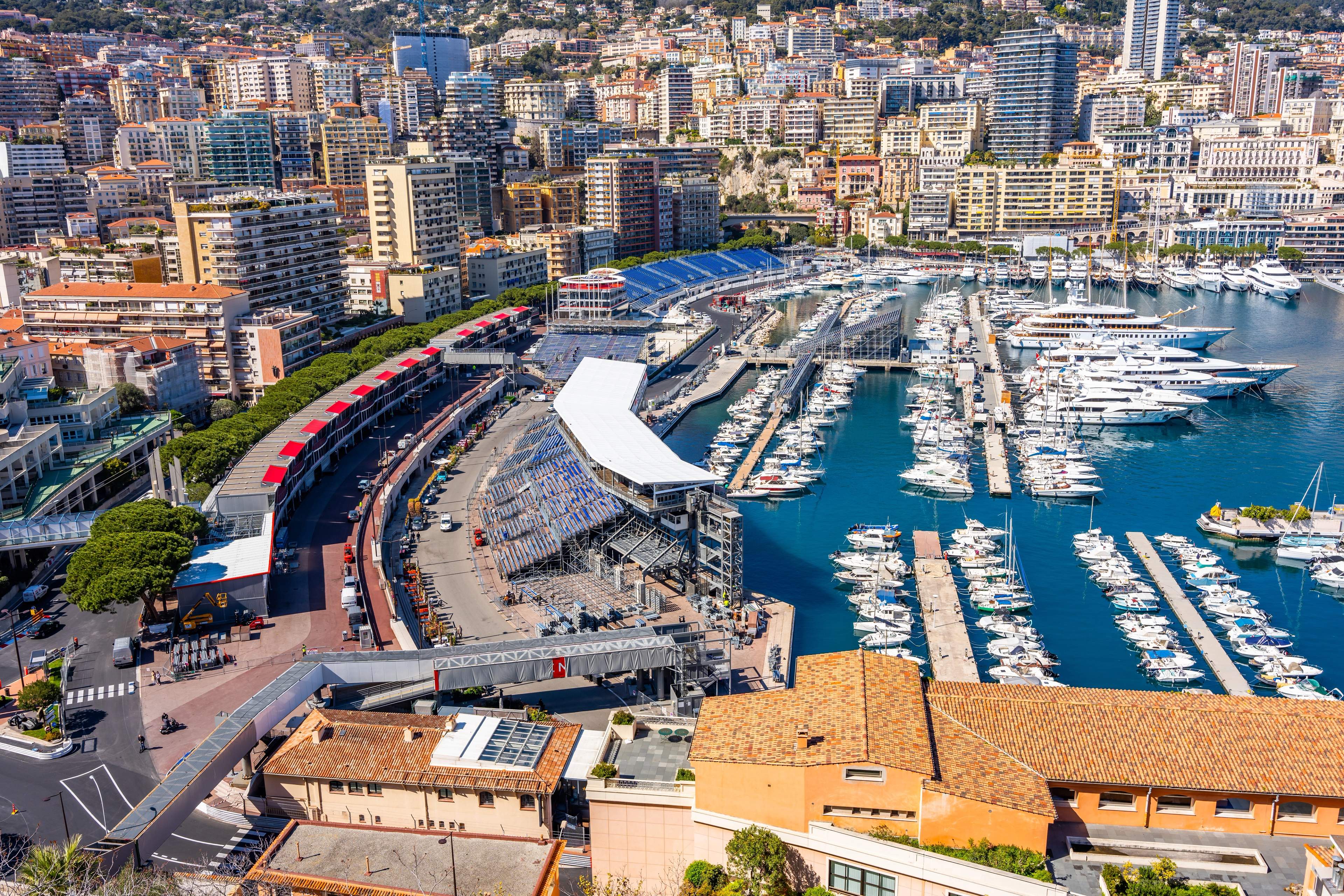
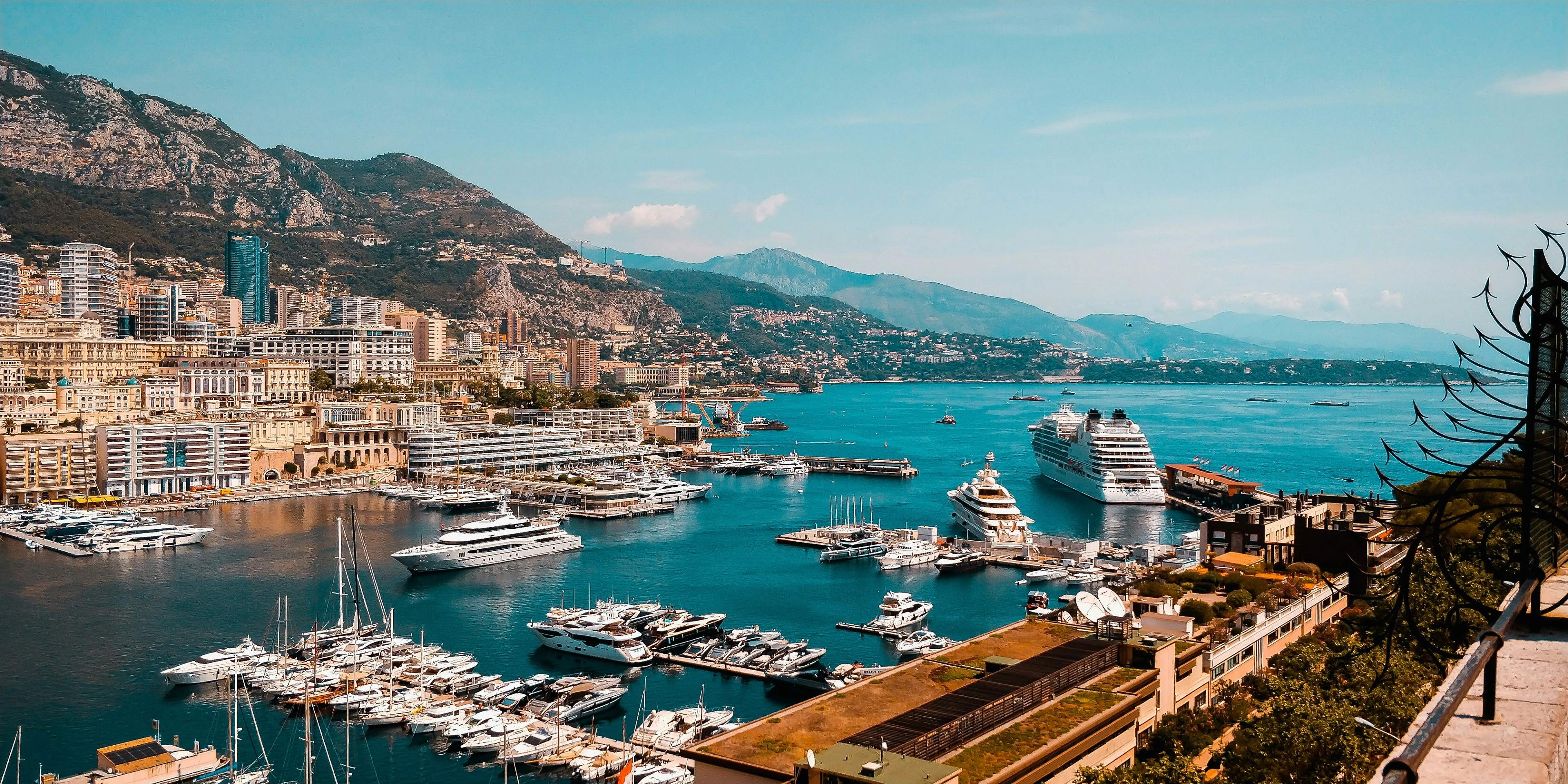
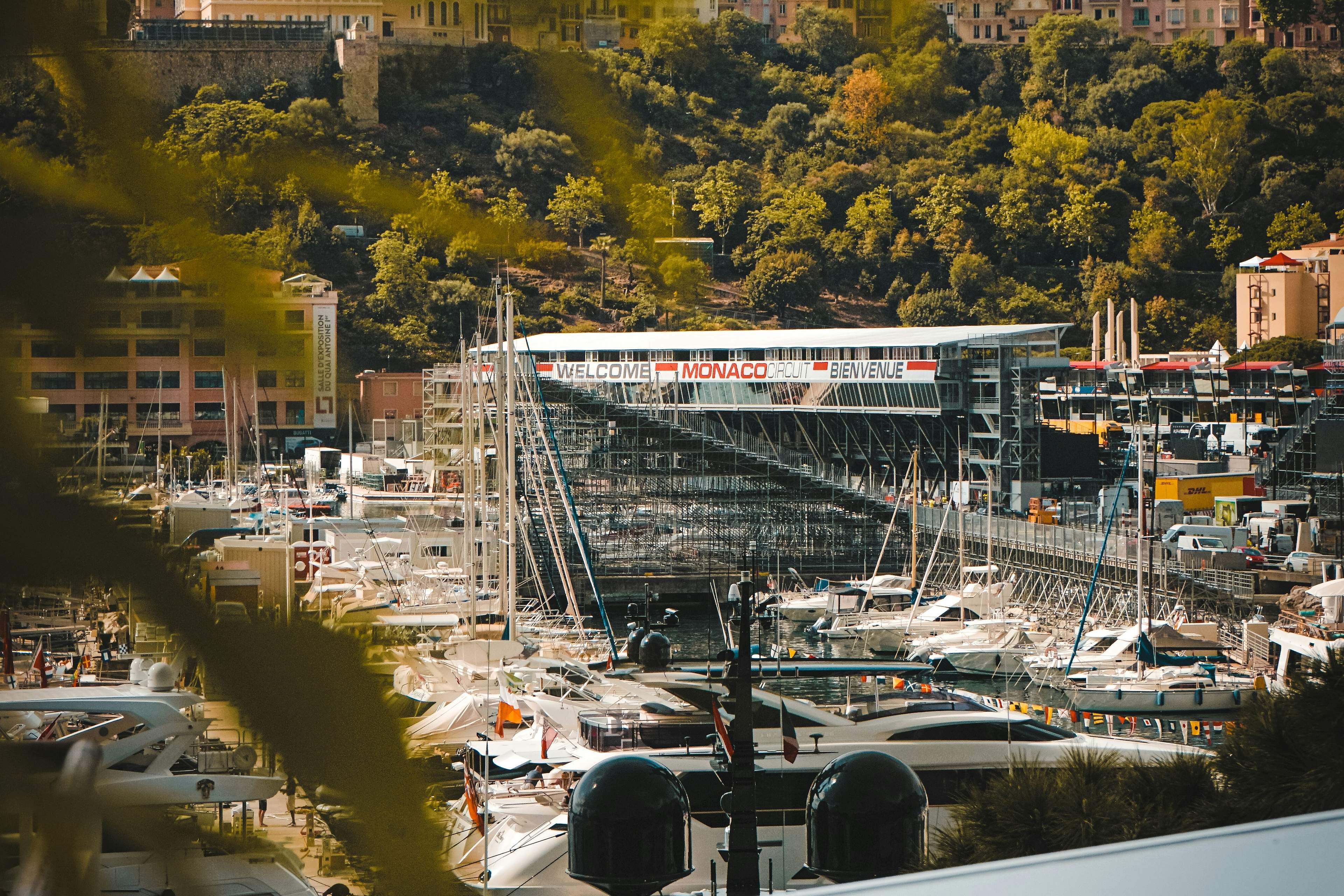
Port Hercule is the harbour you see on television, the one that fills with superyachts moored stern-to during the Grand Prix. Out of race week it is a working Mediterranean port, and the promenade around it, past Norman Foster's Yacht Club building, is the best flat walk in a vertical city. The terraces facing the water are the place to sit with a glass of rose and watch the boats come and go.
At the far end of the principality is Larvotto, Monaco's beach: artificial, re-sanded more than once, a strip of pebble-sand backed by beach clubs. It is a calm, sunny counterpoint to the rest of Monaco, about twenty minutes from the casino or a few stops on the little electric city buses.
If you have more time
- Jardin ExotiqueA hillside garden of cacti and succulents on the western cliffs, with limestone caves of prehistoric remains beneath it and the widest views in Monaco. Check ahead, as it has been part-closed for renovation.
- Le Petit TrainA tourist road-train that loops the principality in half an hour, past the harbour, casino, cathedral and palace. The painless way to see Monaco if you would rather not climb it.
- The gardensThe Saint-Martin gardens beside the Oceanographic Museum are the smartest, all sea views and palms; the Princess Grace Rose Garden in Fontvieille holds thousands of roses in her memory.
Day trips
- EzeTwenty minutes inland, a medieval village clinging to a cliff, with a cactus garden at the top and a long lunch with a view at Chateau Eza.
- Nice and CannesThe bigger Riviera neighbours, twenty-five and seventy minutes west. Nice for the old town and the promenade, Cannes for the Croisette, Antibes for the Picasso museum.
- Menton and ItalyThe Italian border is fifteen minutes east. Menton is the last French town; Ventimiglia has a Friday market the locals cross over for, and Sanremo, an hour on, has its own casino and old town.
Before you go
A few practical notes. The language is French, the currency the euro, and most service staff switch to English without blinking. The geography is the thing to plan around: the climbs are real, but a network of public lifts and escalators links the waterfront to the upper tiers and saves the worst of the stairs. And pack one smart outfit. Monte Carlo's restaurants and the casino expect a jacket for men in the evening, and will turn away trainers and jeans, Grand Prix week or not.
Where you stay, where you watch the race from, and where you sit for dinner are the parts we arrange, so the free afternoon is the only thing left for you to plan.

Chloe Burchell
Event Manager
Event Manager at Imperial Corporate Events. She’s hosted clients at everything from the Six Nations to the Eastern & Oriental Express, and she’s good company on the day.