Summary
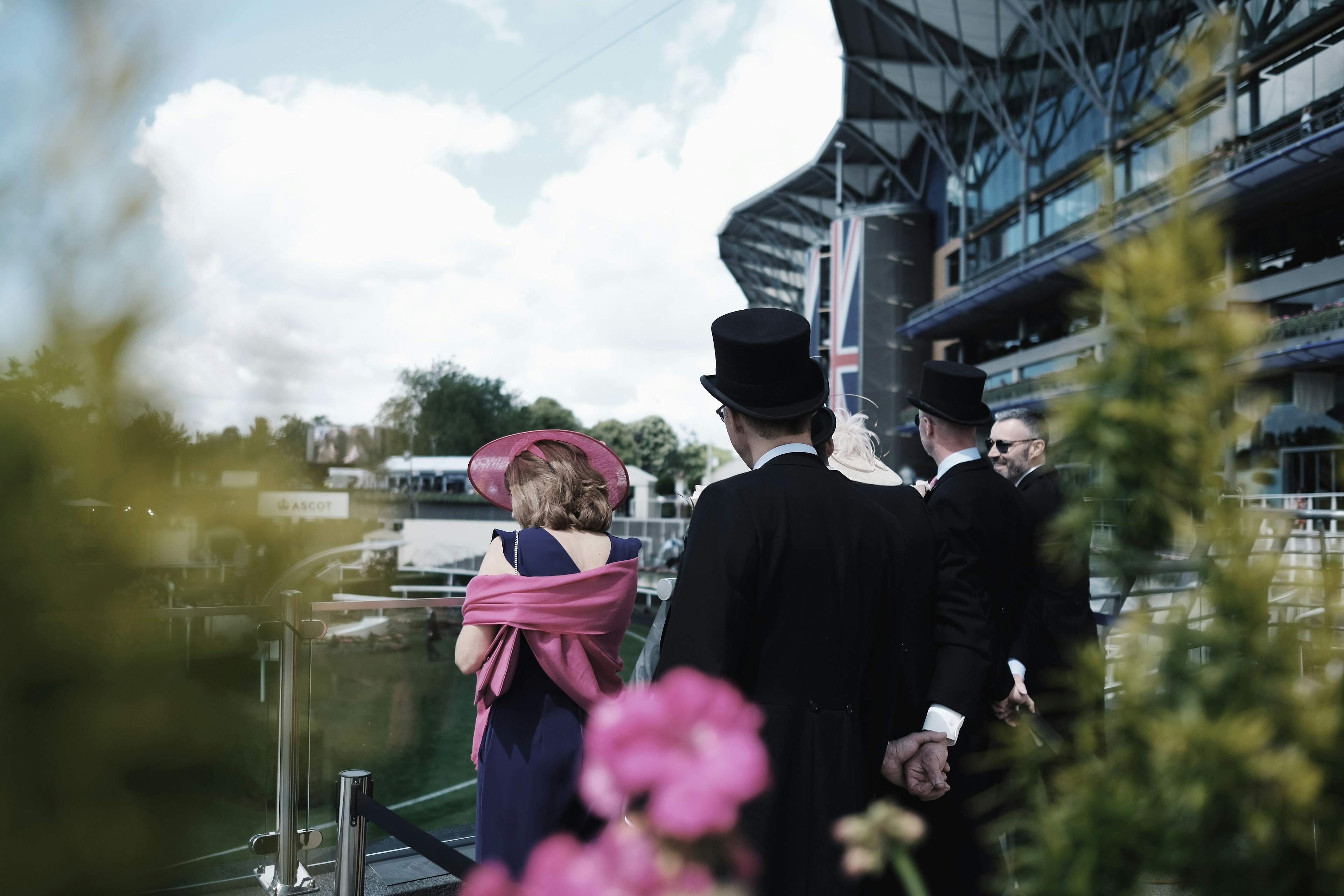
Ladies' Day at Royal Ascot is the Thursday of the meeting, anchored by the Gold Cup, jump to The Gold Cup (first run 1807) and the Royal Procession, jump to The Royal Procession (first run 1825). The name is colloquial; Ascot still lists it as Day Three. The dress code is exactly the same as the other four days. What changes on the Thursday is the choice guests make: bigger hats, jump to Fashion on the day, bolder colour, the Royal Box at its largest.
- The Gold CupThe week's longest Group 1, run since 1807. The day's centrepiece, and the reason Thursday became the one.
- The Royal ProcessionRoyal landaus down the straight mile at 2pm. It runs every day, but the Thursday party is usually the largest.
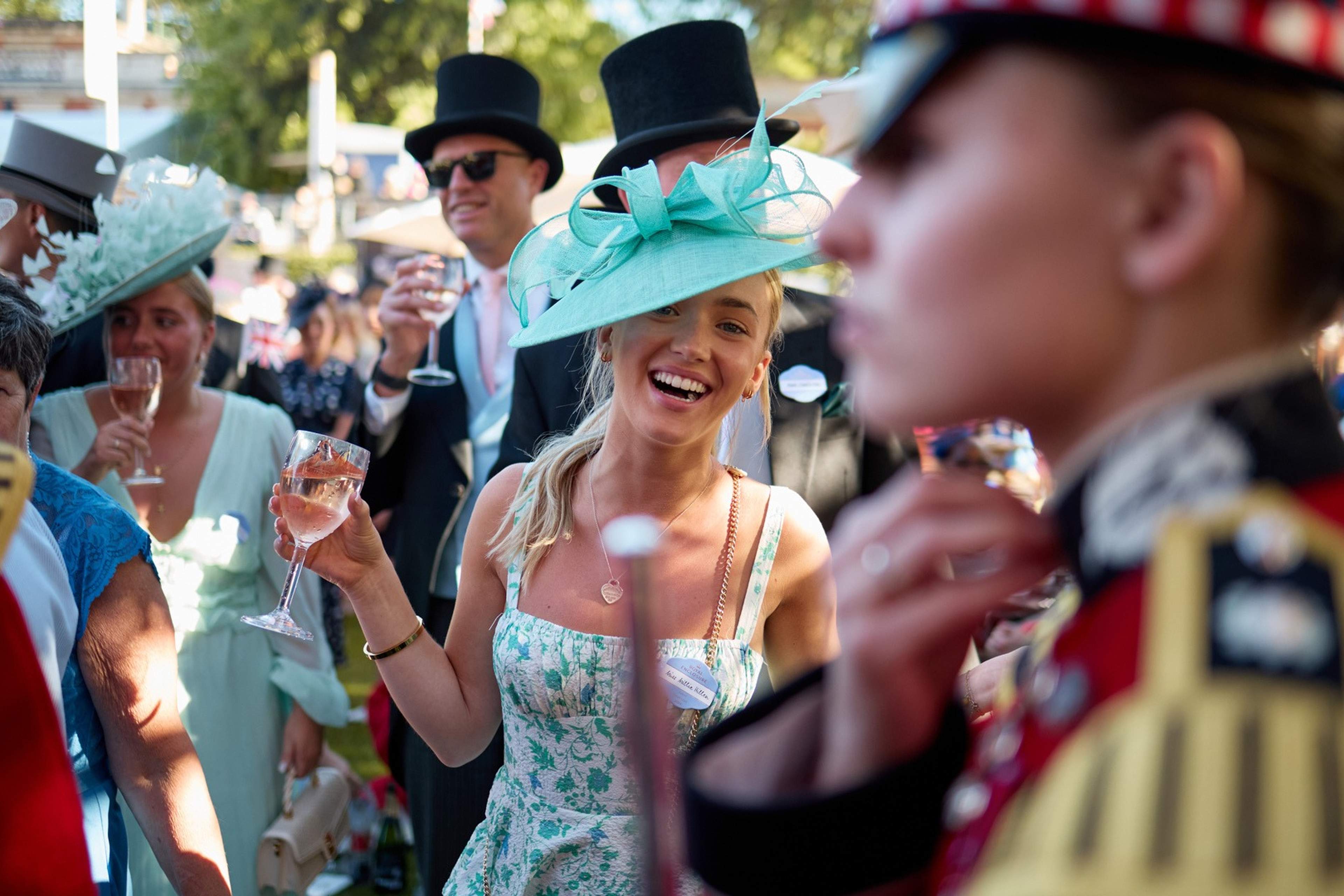
- The fashionBigger hats, bolder colour, and the most photographed day of the British racing year.
- The same dress codeThe rules do not change on Thursday. What changes is how far guests choose to push them.
Ladies' Day at Royal Ascot is the Thursday of the meeting. It carries the Gold Cup, the longest of the week's Group 1 races, and it draws the most camera flashes by some distance. The day has been called Ladies' Day for as long as anyone in Berkshire can remember, but the name has never been official. Ascot still lists it as Day Three.
The traditions on Thursday are older than the name. The Gold Cup was first run in 1807. The Royal Procession down the straight mile started in 1825 under George IV. The hats came later, but at Royal Ascot they tend to outlive the people wearing them.
Why Thursday is the day
The Gold Cup and staying races
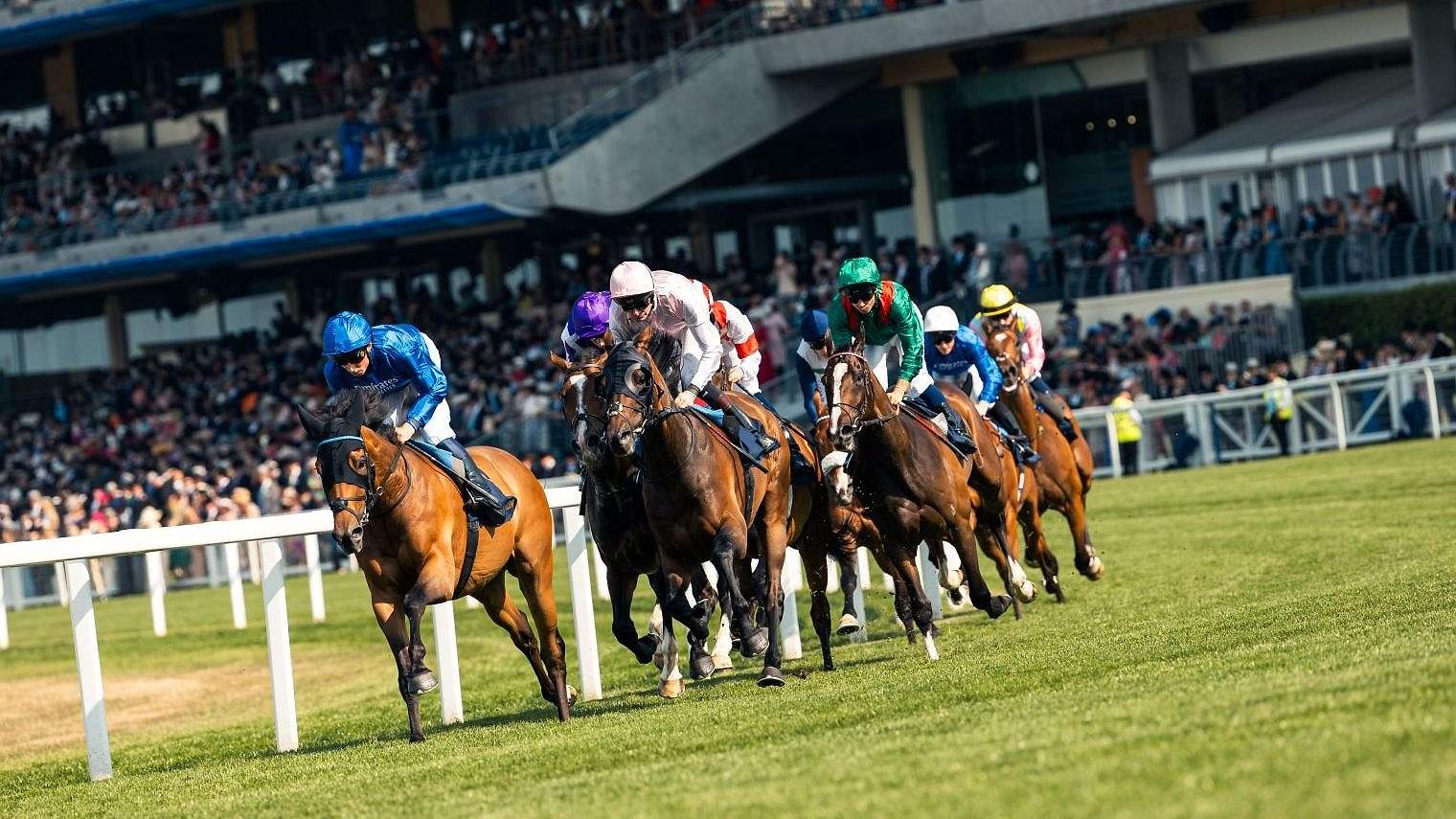
The Thursday race card is built around the Gold Cup. The Gold Cup runs over two miles, three furlongs and 210 yards, which most regulars round up to two-and-a-half miles. It is the highest-profile staying race in Britain and the only Group 1 of the meeting longer than a mile and a half.
Staying races bring a different shape of crowd. The result is rarely settled before the home turn, the build is long, and there is time in the run to watch the people in the box opposite as well as the horses. Thursday lends itself to dressing up.
Where the name comes from
Origins of the colloquial name
The phrase "Ladies' Day" is colloquial. Ascot does not use it on the official racecard or on signage, and never has. It has been in popular use since the 19th century, and most journalists who cover the meeting use it as a matter of course.
The link to Thursday rather than any other day of the meeting comes from the Gold Cup. The Gold Cup has been the day's feature race since 1807 and drew some of the week's largest crowds from early on. By the late Victorian period, the press were already calling Thursday Ladies' Day.
The hats made the rest of the case. Once magazines started running fashion editorials timed to Royal Ascot, Thursday was already the day the Royal Box turned out in force and the day many milliners booked out well in advance.
The Gold Cup
The Gold Cup is a Group 1 race for horses aged four and over, run right-handed. It is the first leg of Britain's Stayers' Triple Crown, followed by the Goodwood Cup and the Doncaster Cup. The Gold Cup is one of the meeting's perpetual trophies, kept permanently by the winning owner.
Yeats won it four times in a row from 2006 to 2009 for Aidan O'Brien. Stradivarius won three on the trot in 2018, 2019 and 2020. Kyprios won in 2022 and 2024. The race produces dynasties because the horses who can stay two-and-a-half miles at Group 1 level are rare and tend to keep coming back.
The Gold Cup sits in the middle of the Thursday card, with the supporting races built around it.
The Royal Procession
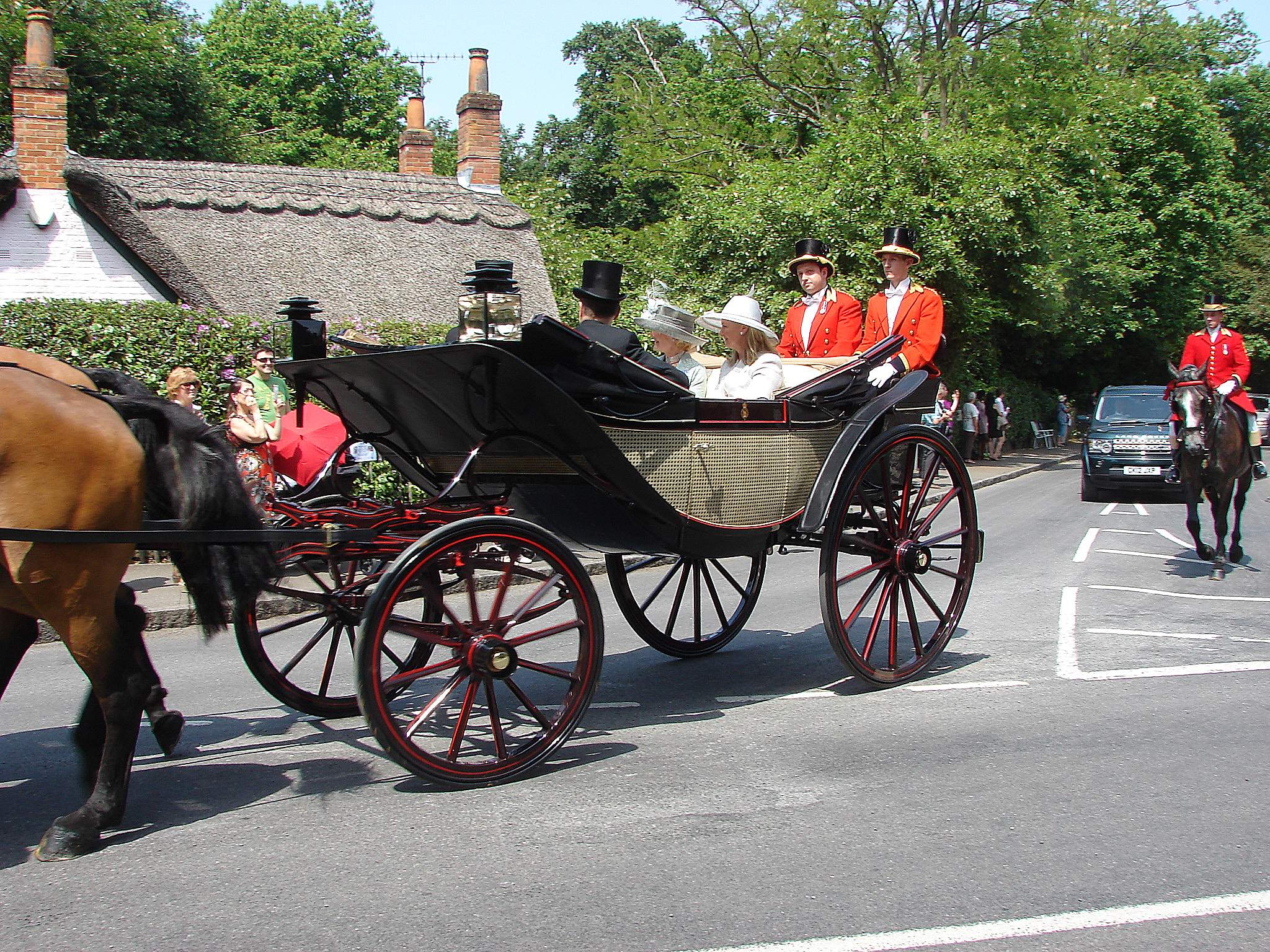
The pattern has barely changed since George IV instituted it in 1825. Each of the five days of Royal Ascot begins with the procession at 2pm: the monarch and other members of the royal family arrive down the straight mile in the royal landaus, the National Anthem plays, and the Royal Standard is raised.
The procession is not exclusive to Thursday. It runs every day of the meeting. The reason it stands out more on Ladies' Day is that the Thursday royal party is, on most years, often the largest.
Fashion: what actually happens on the day
Media and fashion focus on Thursday
Ladies' Day pulls more wardrobe planning than any other day of the British racing year. Fashion editorials run that week. National papers commit a photo spread. Ascot runs its own Millinery Collective programme each year, with UK-based hat designers as part of the official Royal Ascot style programme.
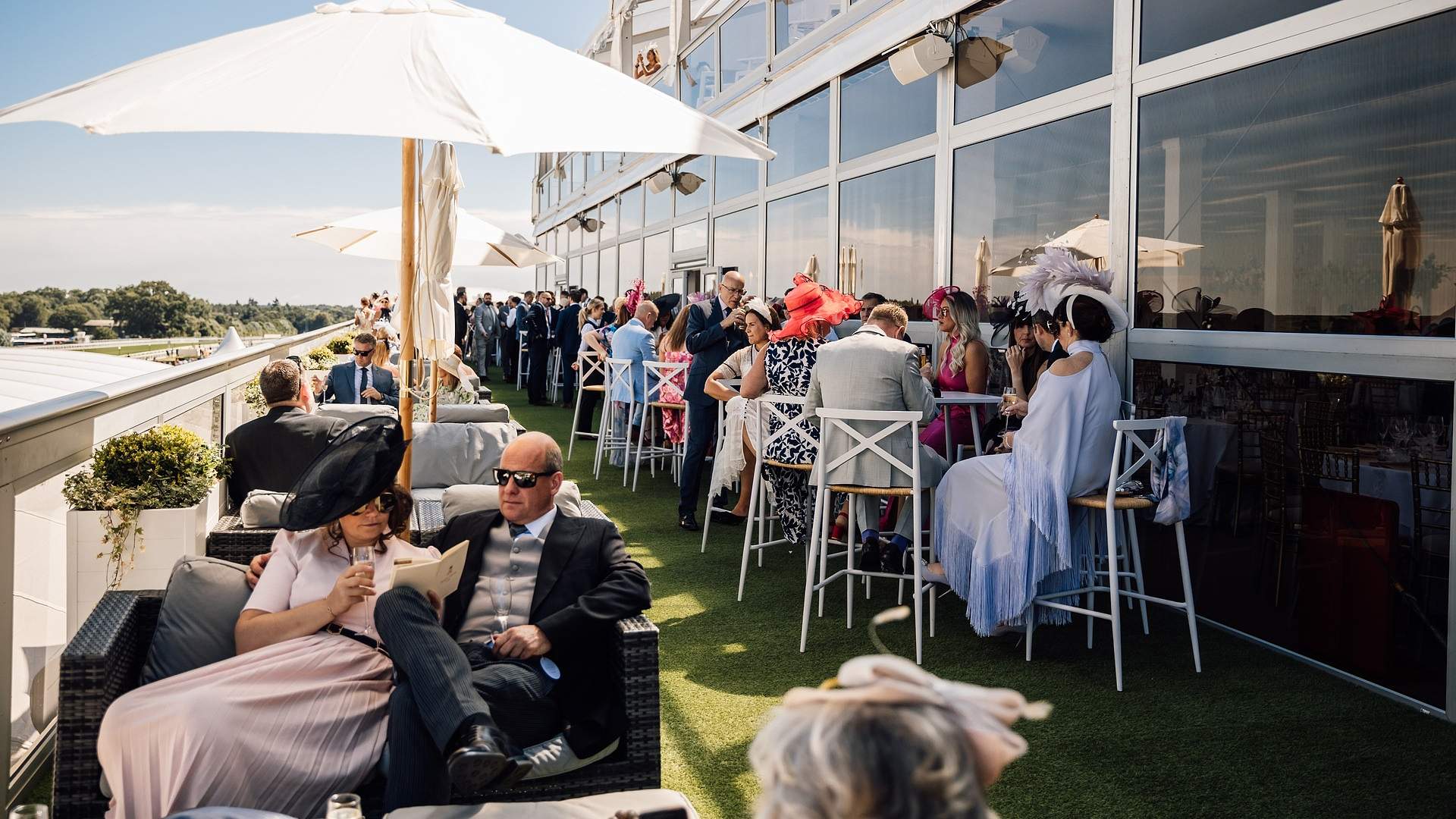
The dress code itself is the same on Thursday as on every other day of the meeting. The Royal Enclosure rules require hats or hatinators with a base of at least four inches in diameter, formal daywear, and no fascinators on their own. The Queen Anne and Village enclosures permit fascinators alongside hats and headpieces. The Windsor is smart daywear.
How guests dress differently
What changes on Thursday is the choice guests make. More guests reach for a true hat rather than a headpiece. Colour palettes get bolder. Anyone planning to be in the parade ring for the Gold Cup presentation tends to dress slightly above what the rules require, because that is where the photographers stand.

What else runs on Thursday
The supporting race card
Six races sit alongside the Gold Cup. The Norfolk Stakes opens the card: Group 2, five furlongs, two-year-olds. The Hampton Court Stakes is Group 3 for three-year-olds. The Ribblesdale Stakes is Group 2 for three-year-old fillies. The Britannia Stakes is a handicap for three-year-old colts and geldings. The King George V Stakes is a handicap for three-year-olds. The Buckingham Palace Stakes is a handicap over seven furlongs and typically closes the card.
For anyone betting, the Norfolk Stakes is the opener and a useful read on the two-year-old form before the Gold Cup. For anyone not betting, the lull between the third and fourth races is the moment most boxes serve afternoon tea.
Practical notes for a Ladies' Day visit
Thursday is consistently one of the busiest days of the meeting, and the crush into the parade ring around the Gold Cup presentation runs longer than the schedule suggests, so leave extra time if you want to be in for the trophy.
Hats deserve more thought on Thursday than any other day. Buy or hire by April, pack a hatpin for the wind that picks up across the afternoon, and check the brim against a low doorway beforehand so it does not catch you out on the day.

Emma Harrod
Managing Director of Leicester Sales
Managing Director of Leicester Sales at Imperial Corporate Events. She gets to know what suits you, then makes the day happen without the fuss.