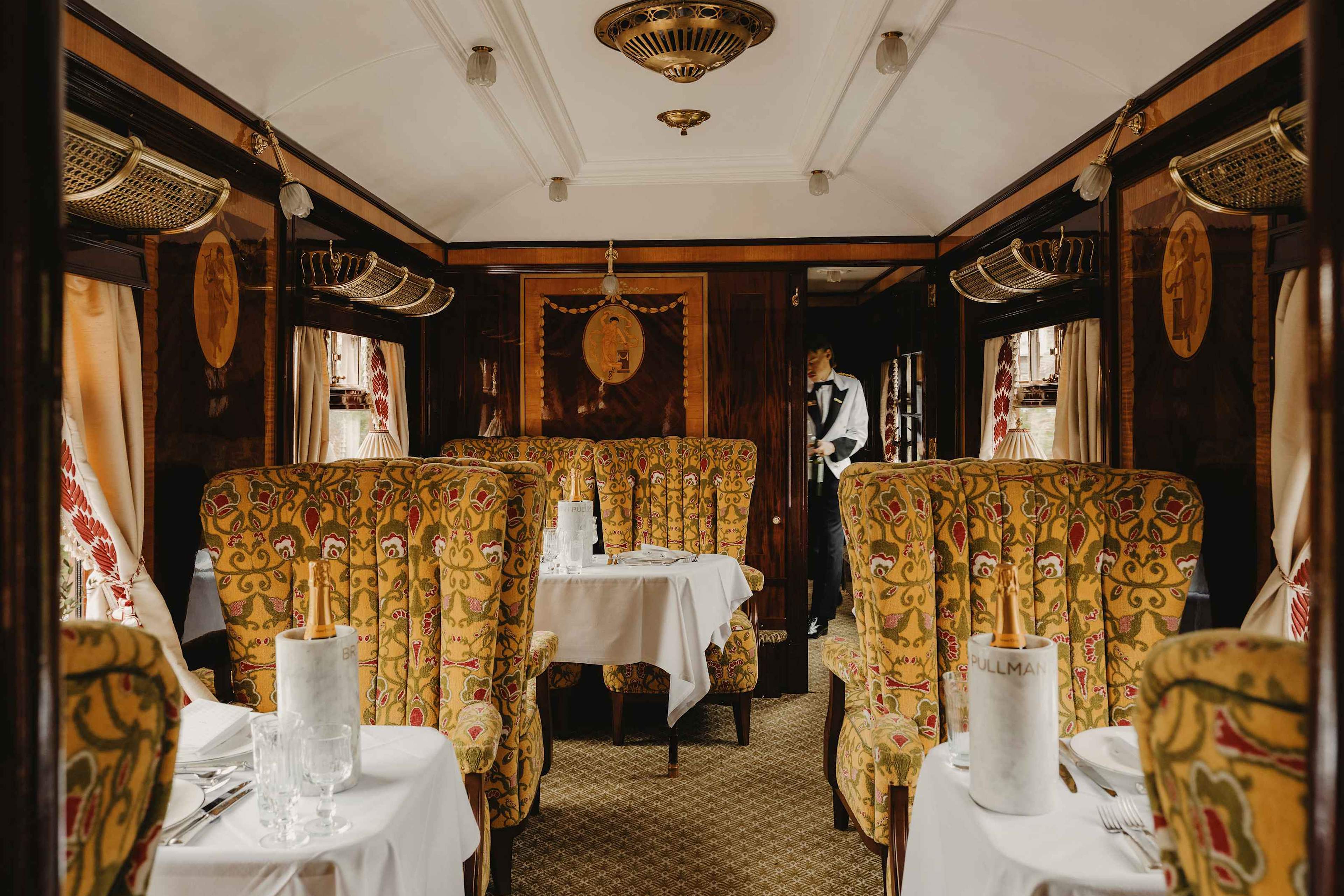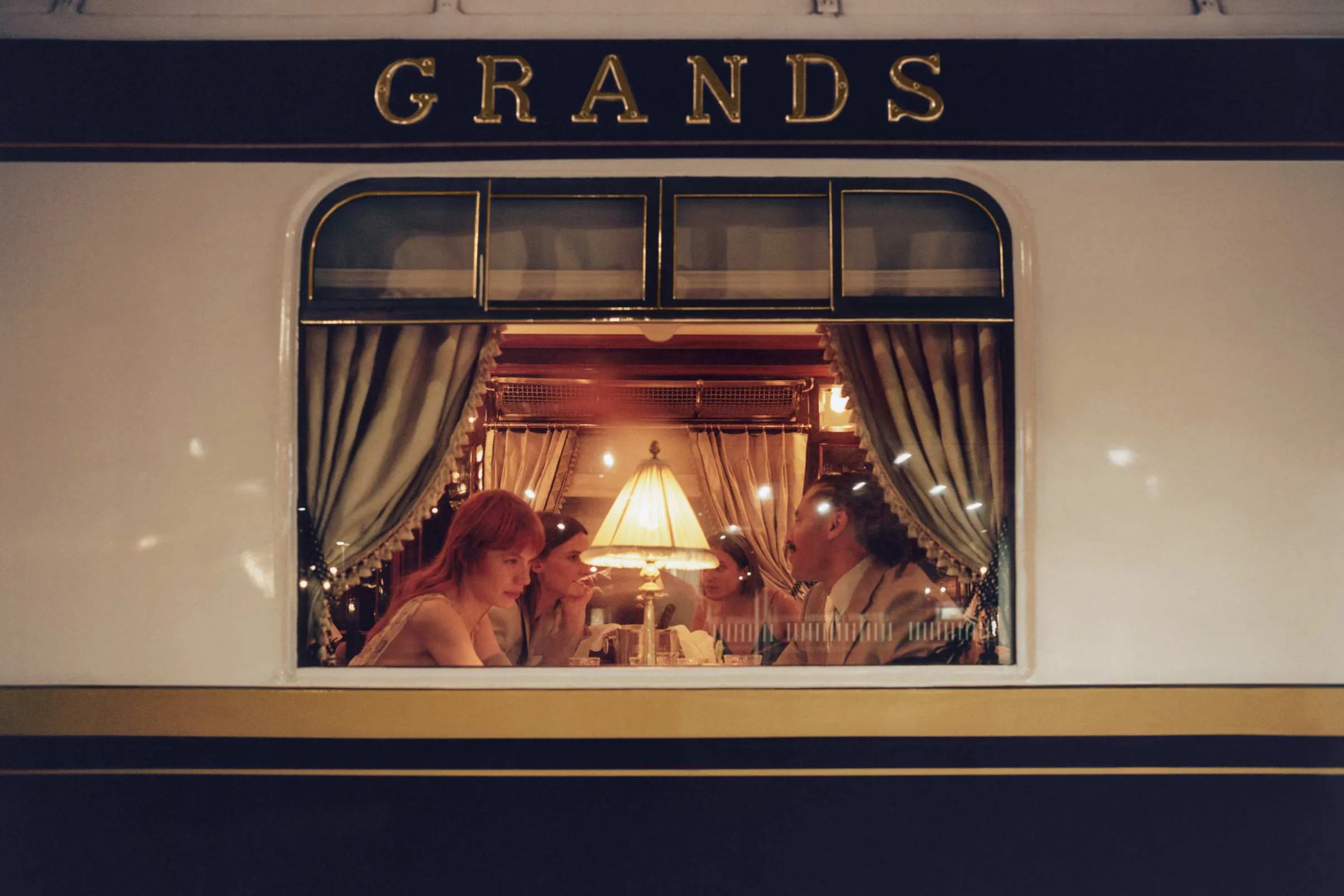
For the first four months of its life, in 1883, the Orient Express went no further than Vienna. By 2001 it ran only as far as Vienna again. The last scheduled Orient Express, a sleeper between Strasbourg and Vienna, ran in December 2009.
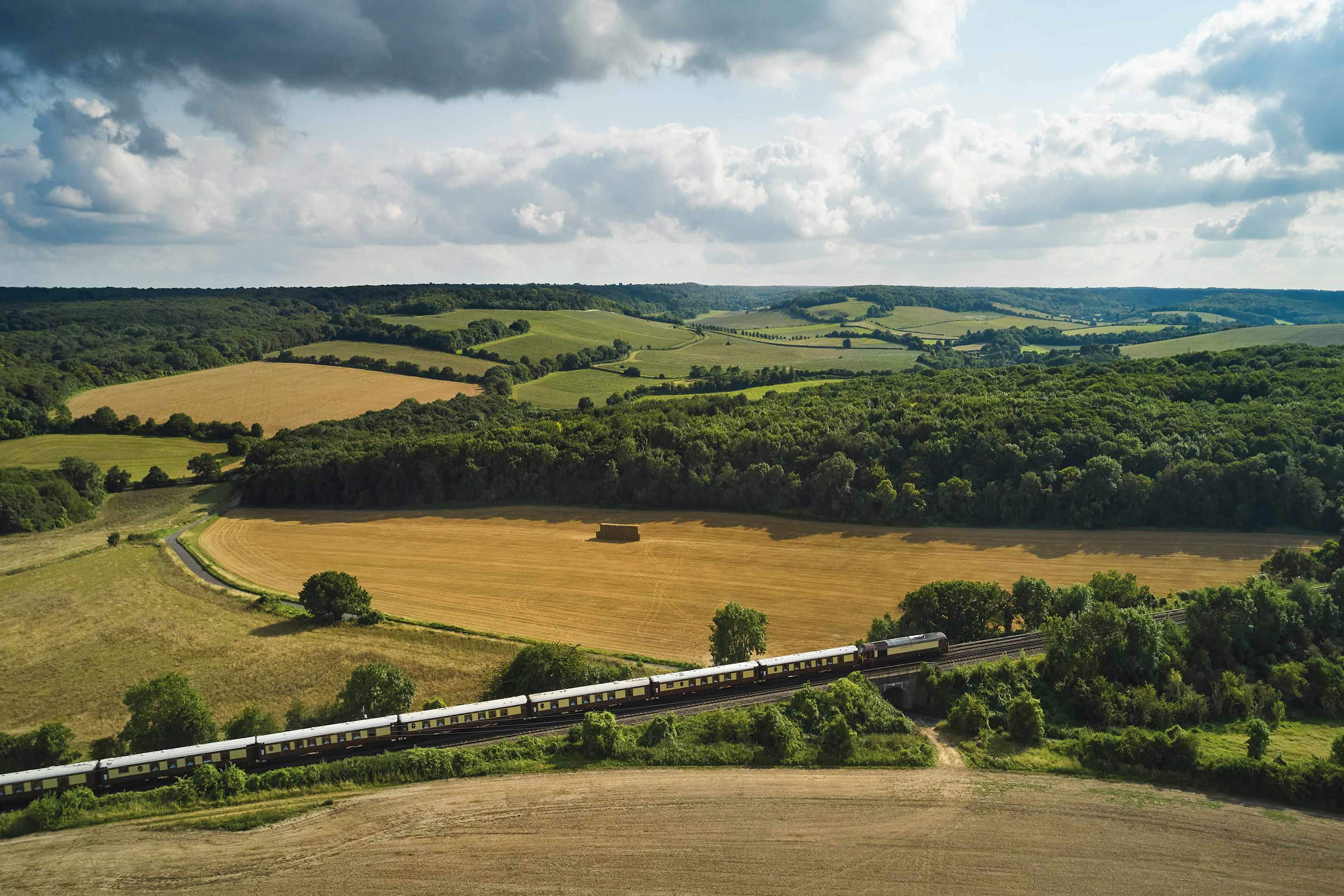
This December you can make the journey the other way. With us, the trip begins with two nights among Vienna’s Christmas markets and then takes the Venice Simplon-Orient-Express to Paris, in sleeping and dining cars that began their working lives with the company behind the original train.
| Day | Where | What happens |
|---|---|---|
| Wednesday 16 December | London to Vienna | A flight to Vienna and a transfer to the Park Hyatt |
| Thursday 17 December | Vienna | A day of your own among the markets |
| Friday 18 December | Vienna to Paris | The Venice Simplon-Orient-Express leaves Vienna |
| Saturday 19 December | Paris to London | Breakfast on board, Paris, then Eurostar home |
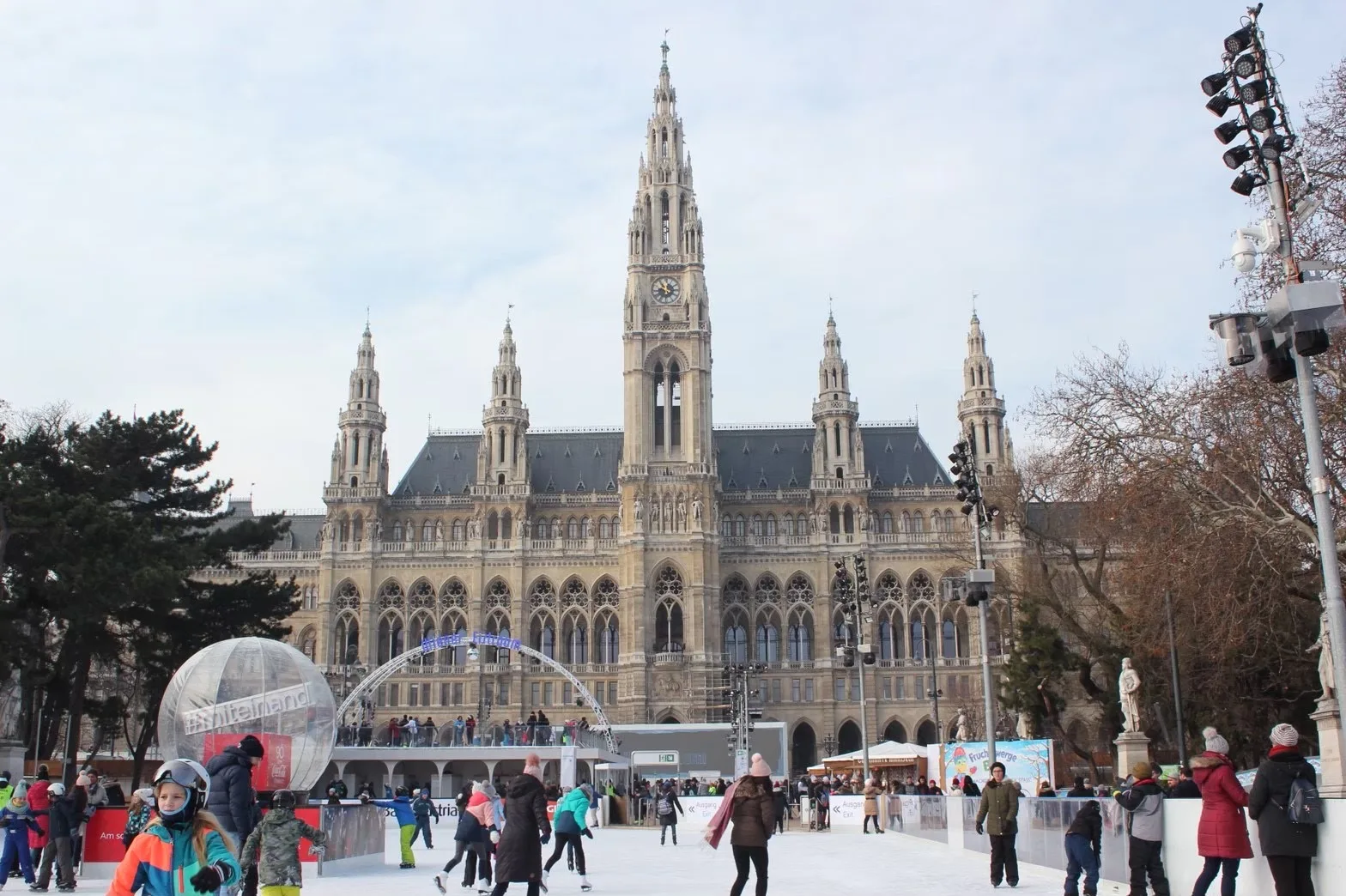
Vienna’s Christmas Markets
The City of Vienna’s own history of its Christmas market dismisses the story that it is more than 700 years old. Chronicles from 1626 mention huts in front of St Stephen’s Cathedral. They came down on 9 January and went up again on 16 and 17 December, and bakers, gingerbread sellers and confectioners traded from them.
The huts stayed around the cathedral until 1761. By 1764 there was a Saint Nicholas and Christmas market on the Freyung, and in 1842 it moved to Am Hof. From 1843 its 132 stalls went up there every 5 December and stayed until New Year’s Day. In 1903 the market’s 128 stalls were renewed and lit by electricity for the first time.
By the First World War it was regularly called the Christkindlmarkt, after the Christkind, the Christ Child who brings Austrian children their presents on Christmas Eve.
Since 1975 the main market has been on the Rathausplatz, in front of the city hall. It moved there as a temporary measure while a car park was built at its old site, and it has stayed.
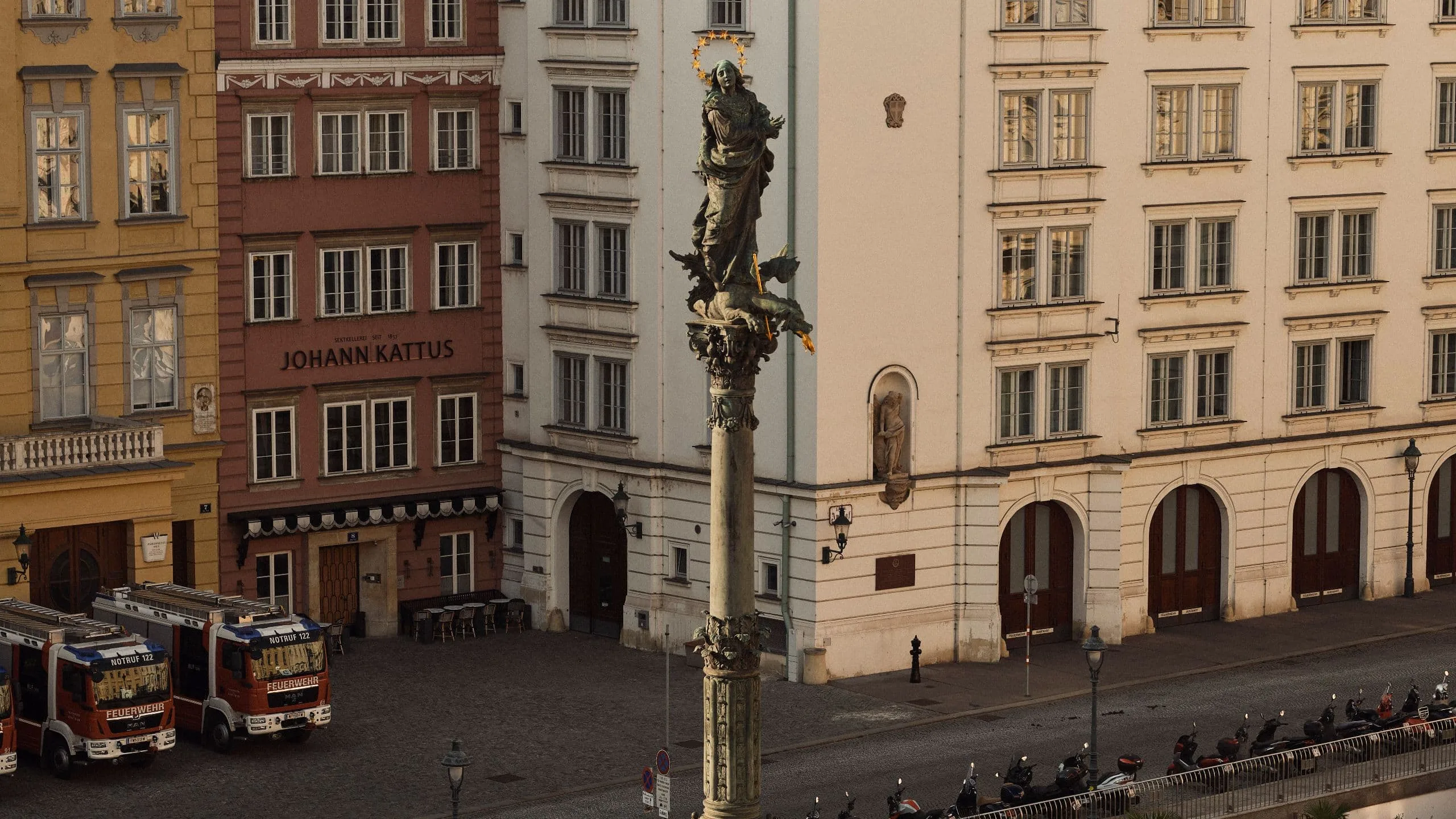
Am Hof still has a Christmas market of its own, outside the door of the Park Hyatt, where you stay. The Old Viennese Christmas Market is on the Freyung, a short walk away, and in 2026 both run until 23 December. There is a market in front of St Stephen’s again too.
Further out, the market at Schönbrunn Palace fills the courtyard in front of the palace with stalls of nativity figures and decorations. It smells of mulled wine, hot punch and freshly baked Vanillekipferl, the crescent-shaped vanilla biscuits of a Viennese Christmas. Spittelberg is a restored Biedermeier quarter of narrow streets, and its stalls sell ceramics, rugs and jewellery.
Two Nights on Am Hof
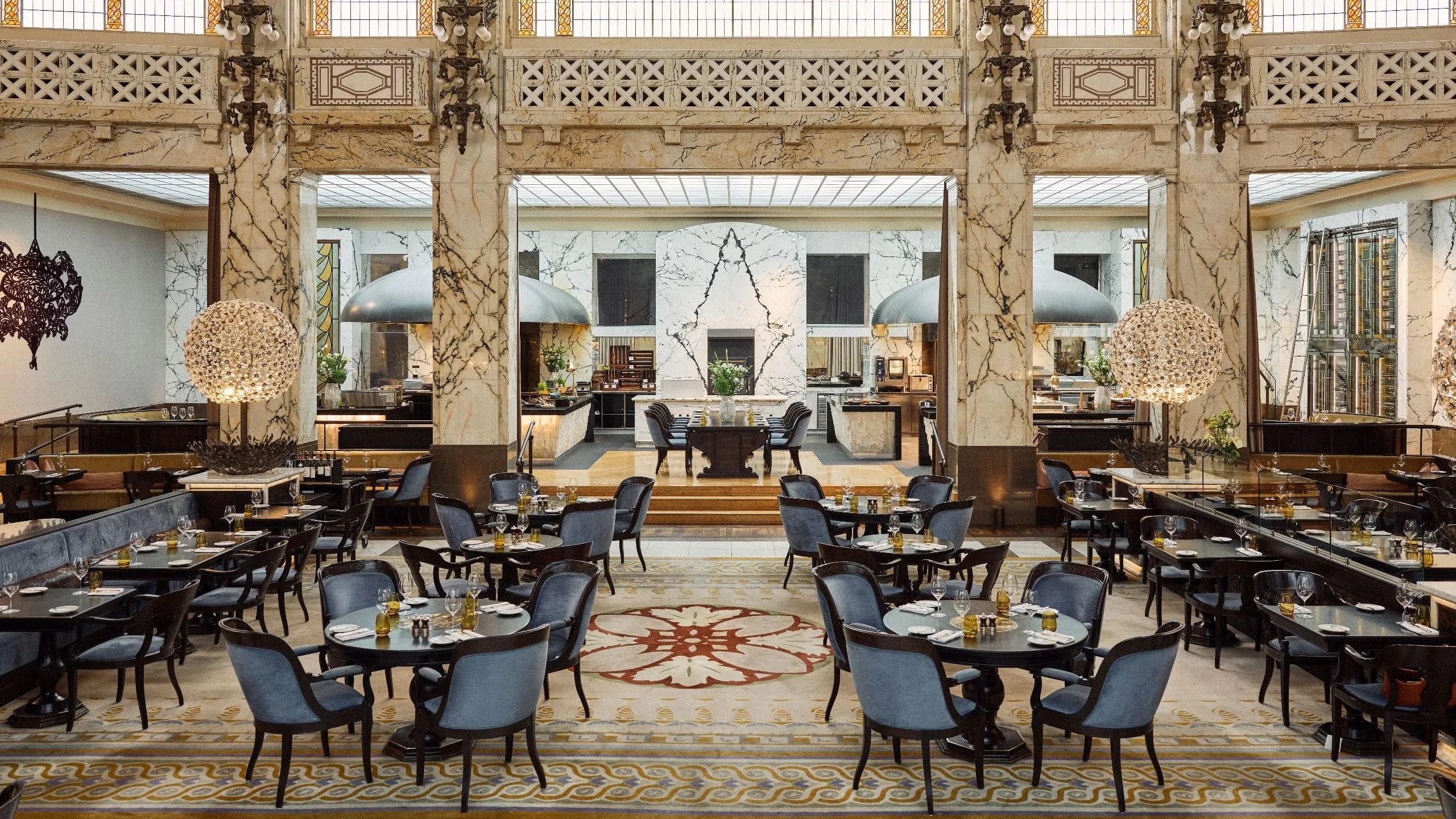
With us, your two nights in Vienna are at the Park Hyatt, on Am Hof in the First District. St Stephen’s Cathedral is a short walk away. A shared transfer meets your flight at Vienna International Airport and takes you to the hotel.
The hotel occupies a former bank headquarters. Its old banking hall is now The Bank Brasserie, and the pool of its Arany Spa sits in what was the vault. Arany is the Hungarian word for gold.
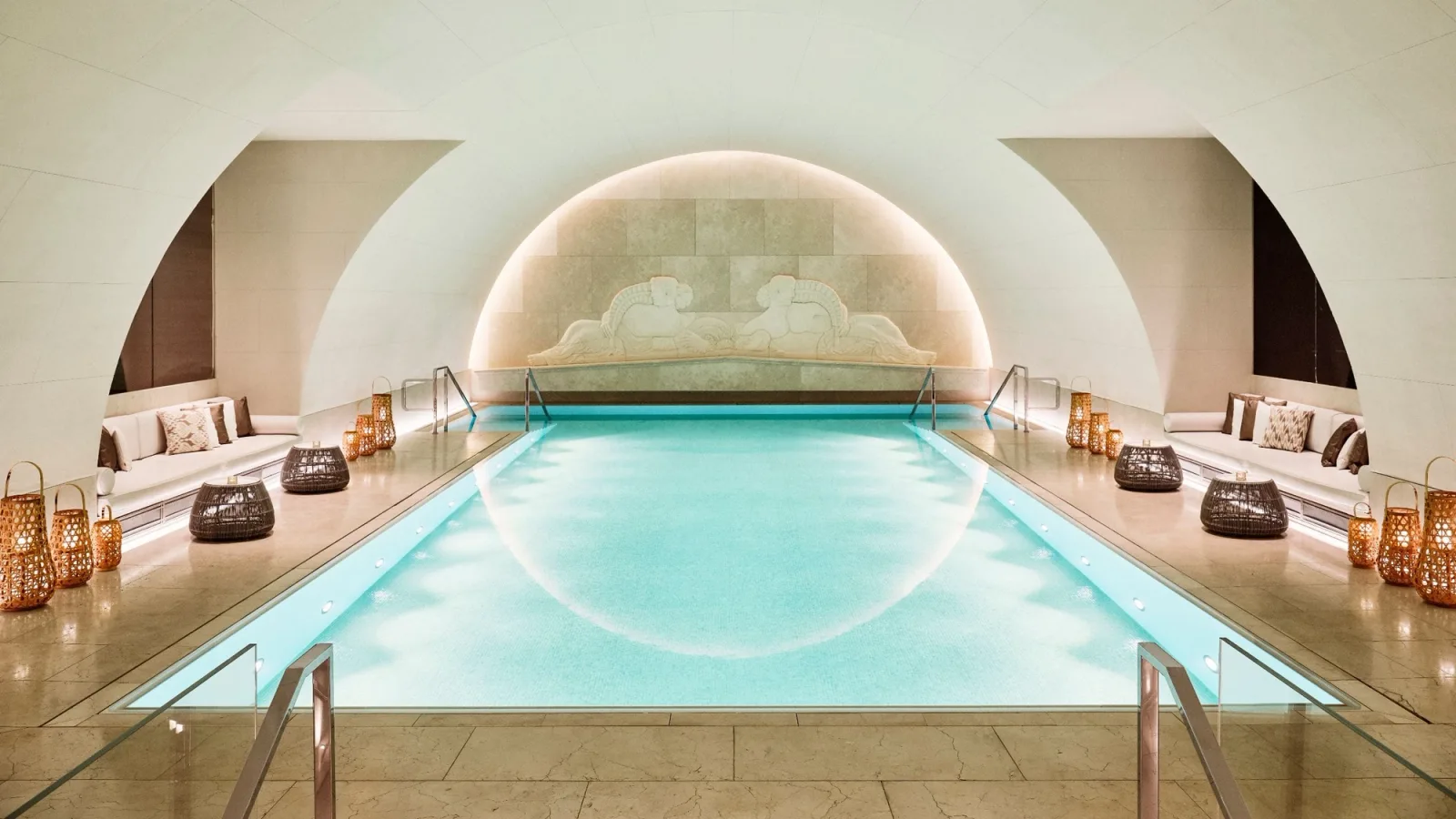
Your room is a Standard Double, with a king-size bed or twin beds and a marble bathroom with a rain shower and a bath. Breakfast is included on both mornings.
Viennese coffee house culture has been on Austria’s national inventory of intangible cultural heritage since 2011, and the hotel has a coffee house of its own, Café Am Hof.
The Thursday is a day of your own in the city, with the markets on the doorstep.
How the Orient Express Began
The Orient Express was the idea of Georges Nagelmackers, a Belgian engineer from a family of bankers. In the late 1860s he spent ten months in America, where he travelled in George Pullman’s sleeping cars, and he came home convinced that Europe wanted trains like them.
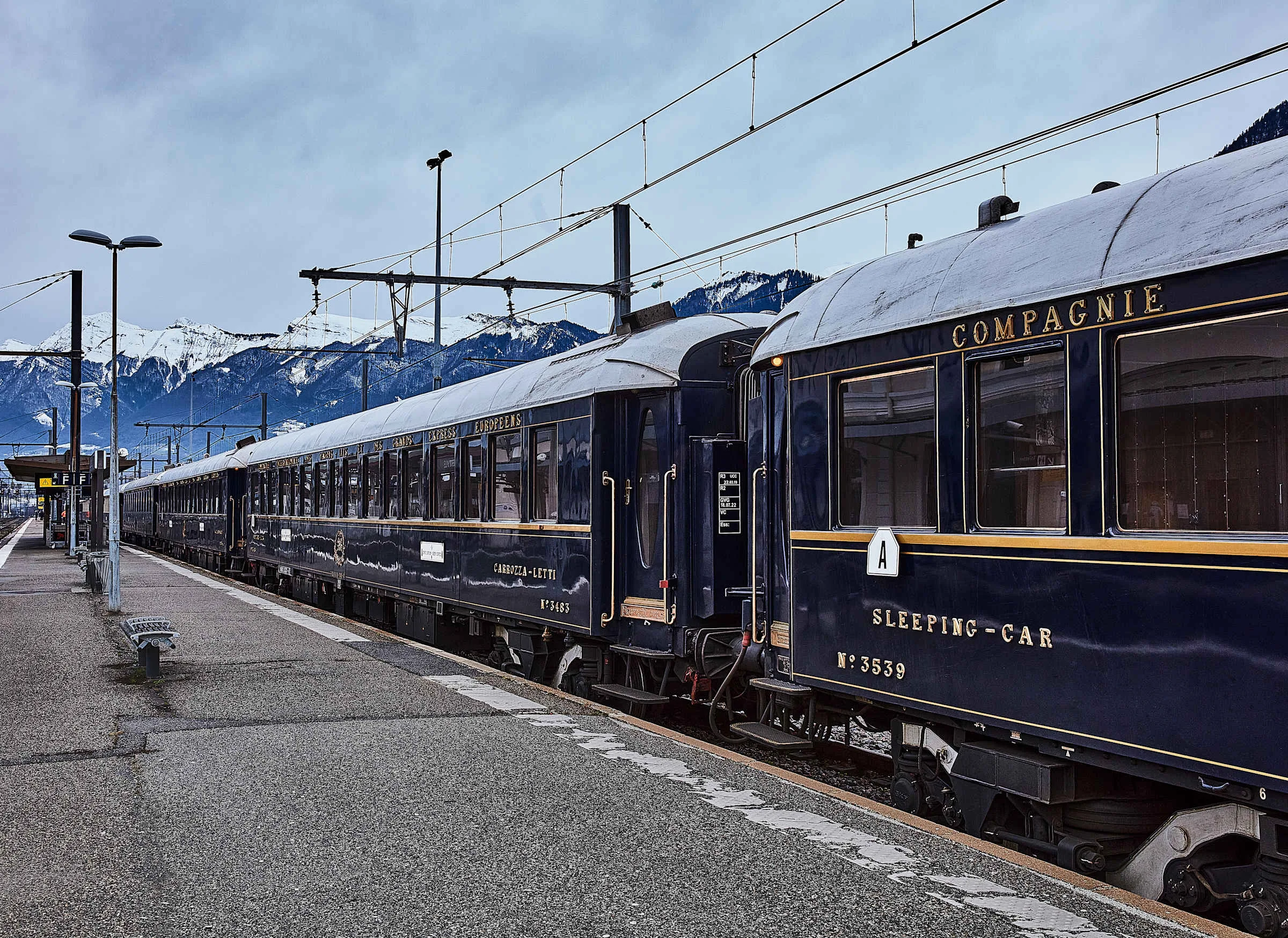
The company he founded became the Compagnie Internationale des Wagons-Lits, and its carriages carry its full name in gold, Compagnie Internationale des Wagons-Lits et des Grands Express Européens. In November 1918 the armistice that ended the fighting of the First World War was signed at Compiègne in one of its carriages.
In October 1882 he ran a trial train from Paris to Vienna and back, and the first Express d’Orient followed in June 1883. That October the route was extended to Giurgiu in Romania, where passengers crossed the Danube by ferry for another train and then a boat to Constantinople.
A direct train to Constantinople followed in 1889, and the name Orient Express became official in 1891. After the First World War a second route opened through the Simplon Tunnel, Milan and Venice, which is where the Simplon in today’s name comes from.
After the Second World War the trains lost ground to air travel, and in May 1977 the last through service from Paris to Istanbul ran.
Five months later, in October 1977, Sotheby’s auctioned five of the old carriages at Monte Carlo’s railway station. James Sherwood, an American shipping businessman, bought two sleeping cars. He spent the next five years tracking down more than 20 others, and in May 1982 the Venice Simplon-Orient-Express made its first run, from London to Venice.
The Carriages and Their Stories
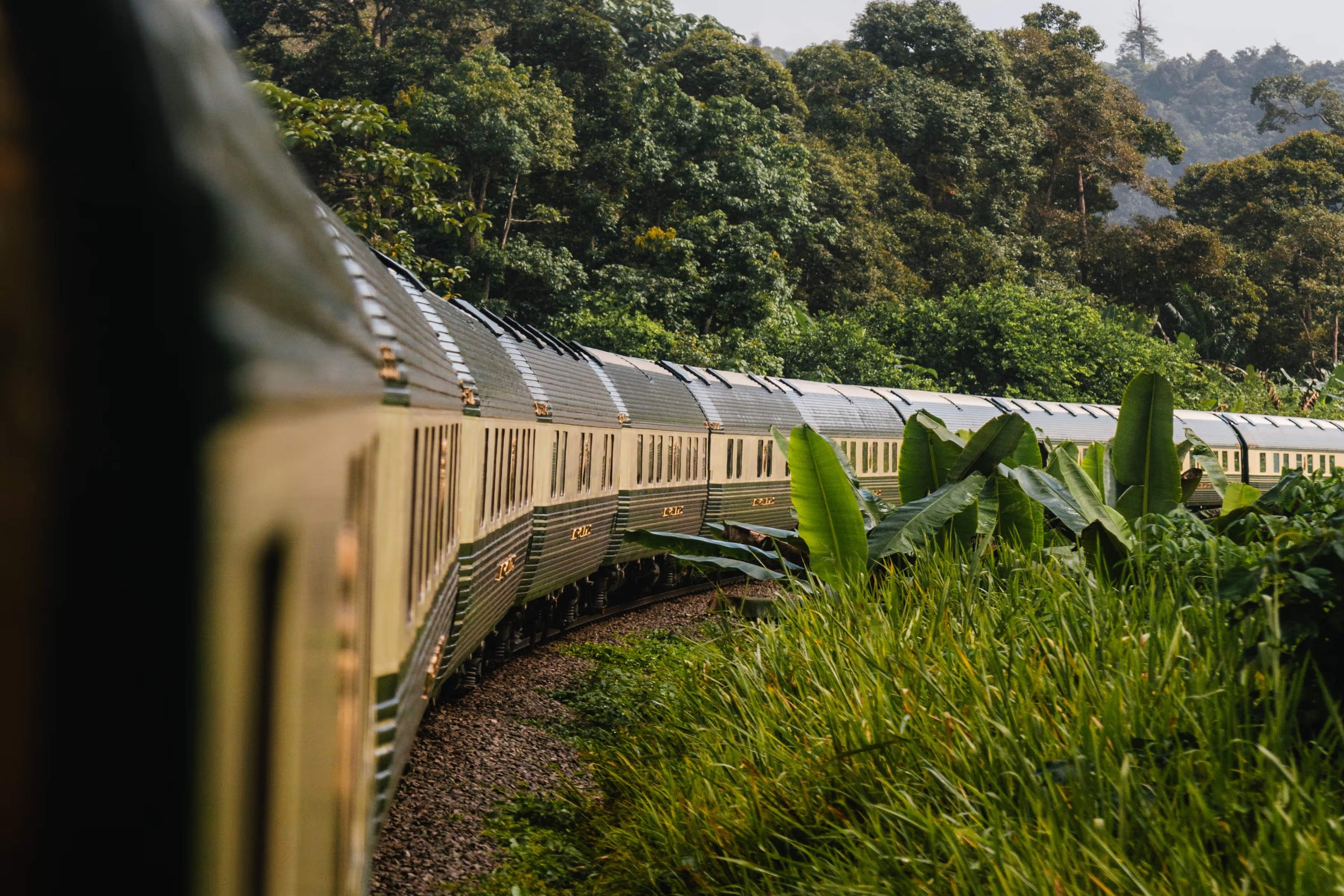
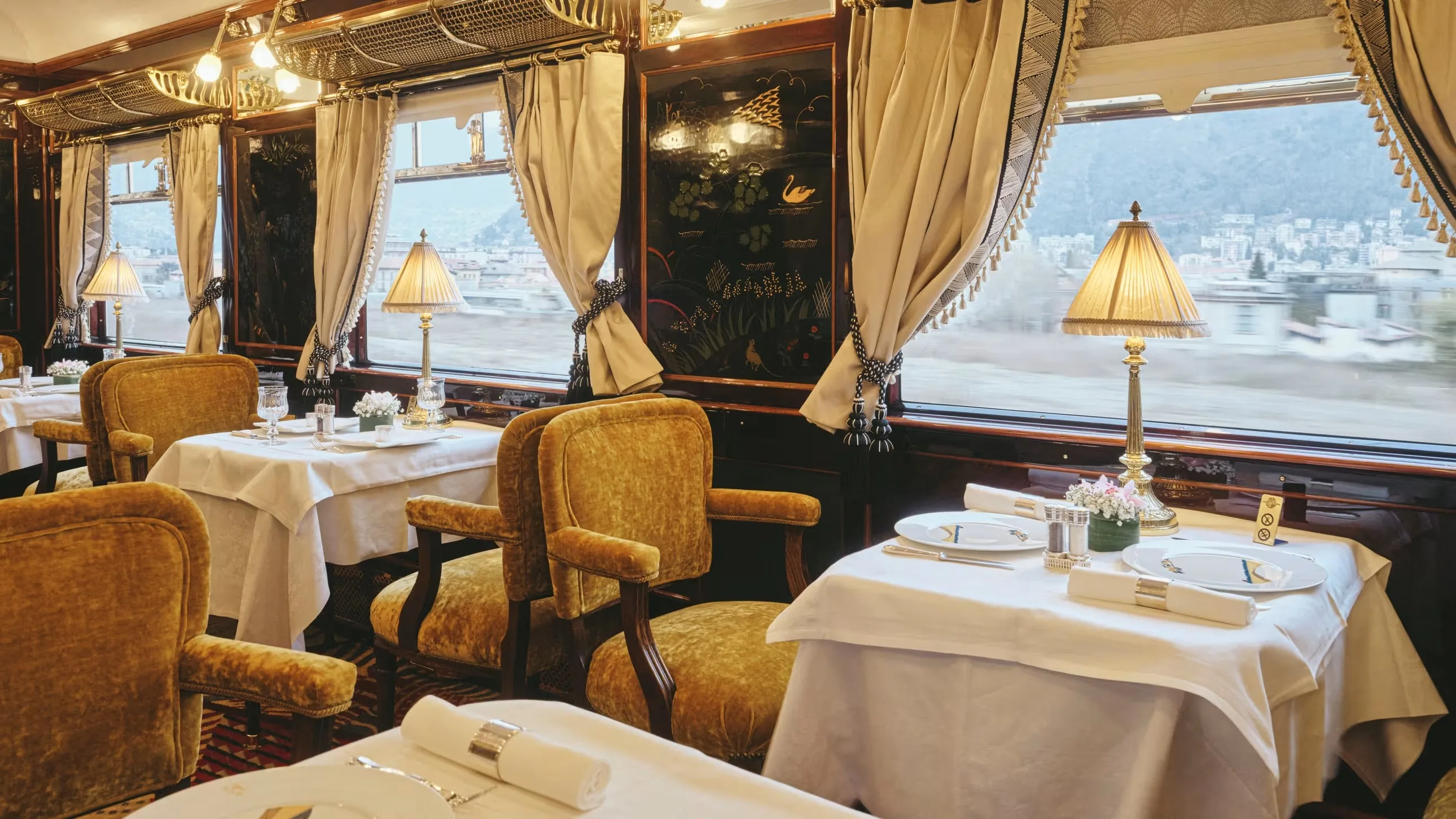
Belmond, which runs the train, says its carriages were built between 1926 and 1949. They began their working lives with the Compagnie Internationale des Wagons-Lits, and several have stories of their own.
| Carriage | Built | Its story |
|---|---|---|
| Sleeping car 3309 | Belgium | Stuck in a snowdrift in 1929 |
| Sleeping car 3425 | England, 1929 | Associated with King Carol II of Romania, who fled the country in 1940 |
| Côte d’Azur Pullman | 1929 | Decorated by the glassmaker René Lalique |
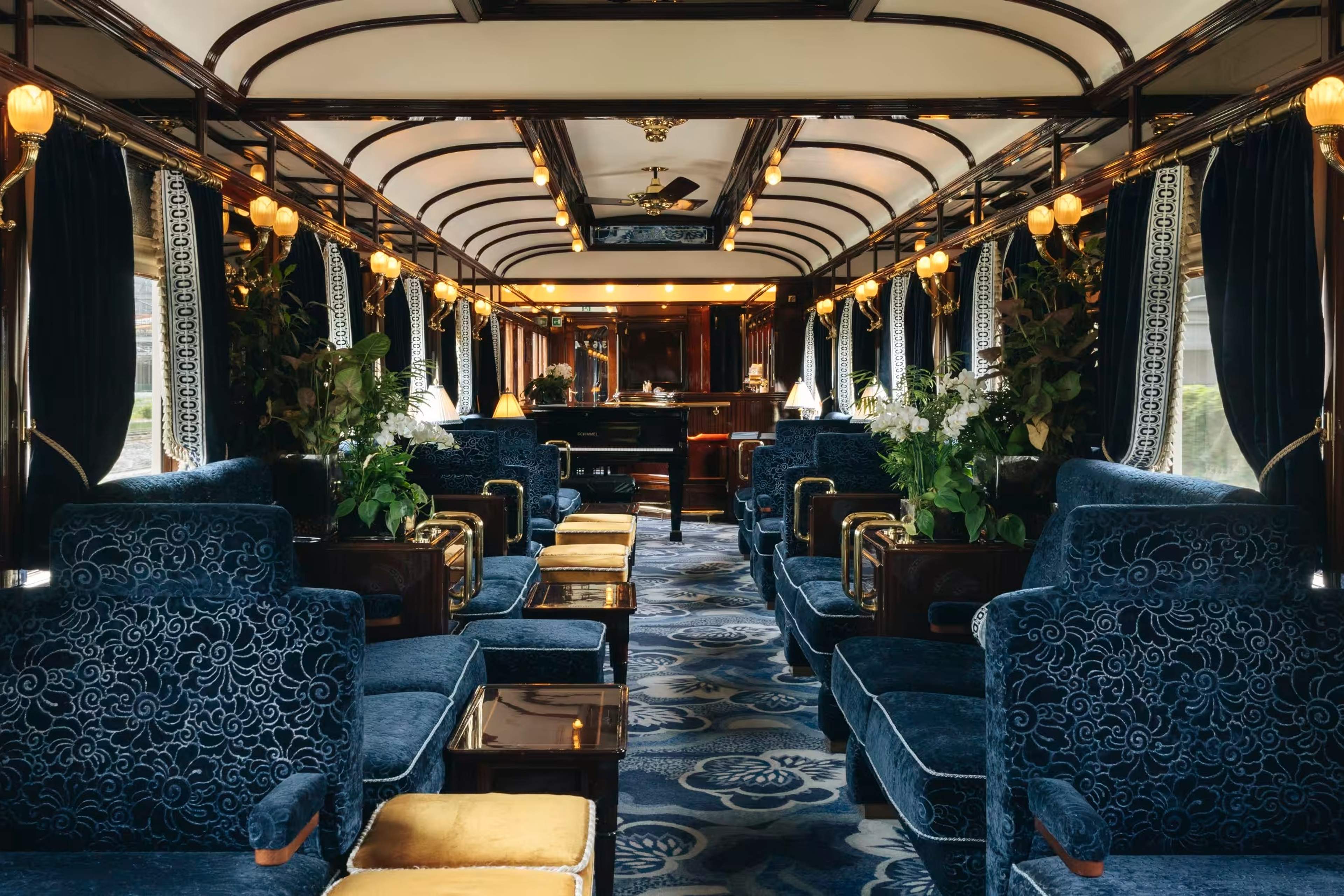
| Bar car 3674 | France, 1931 | Ran in France during the German occupation, and later on the Sud Express |
Belmond says the snowdrift that held up sleeping car 3309 in 1929 inspired Murder on the Orient Express. Agatha Christie first took the Orient Express in 1928, and in 1931 floods held up her train home from the Middle East. The novel she published in 1934 strands its train in snow in Yugoslavia.
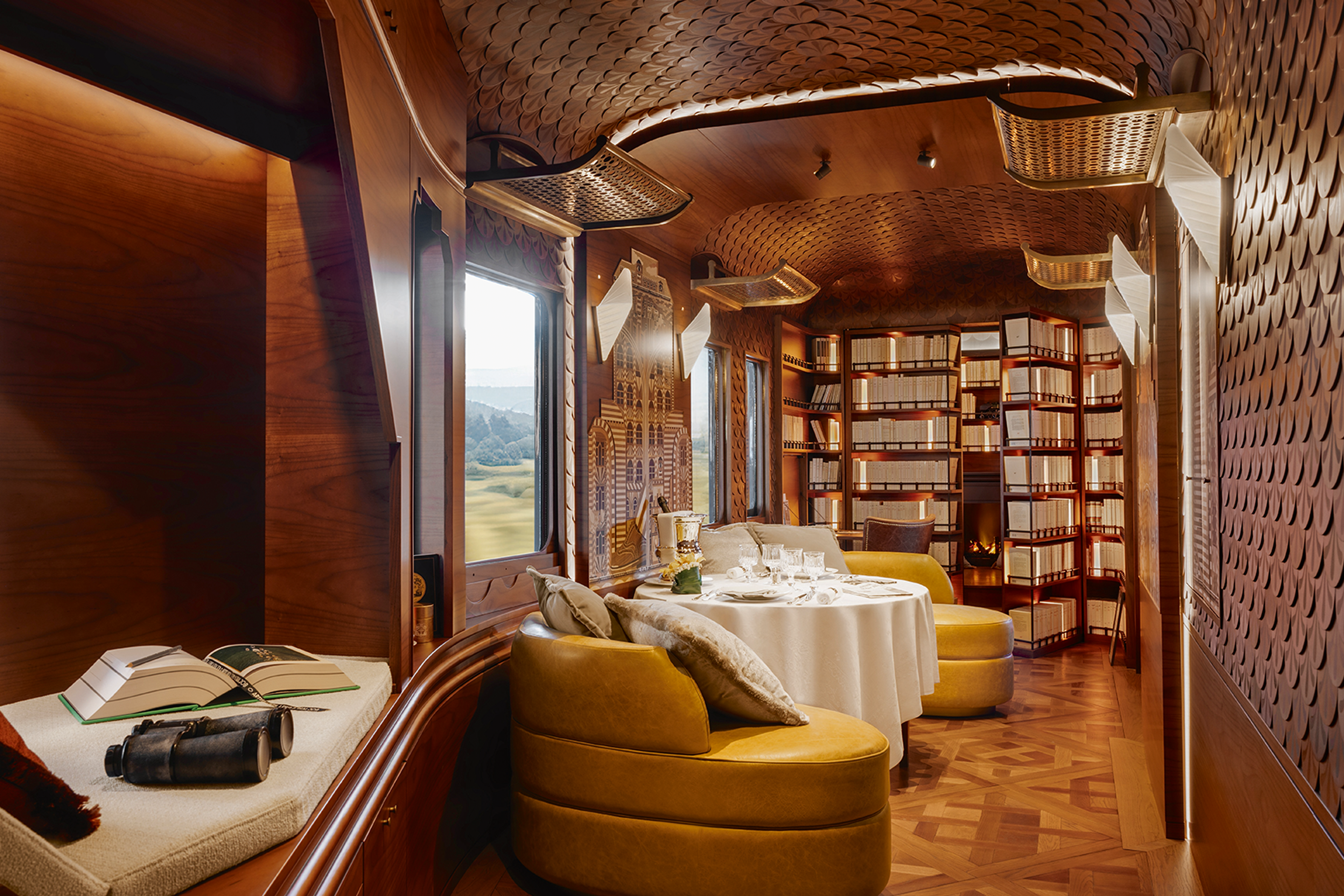
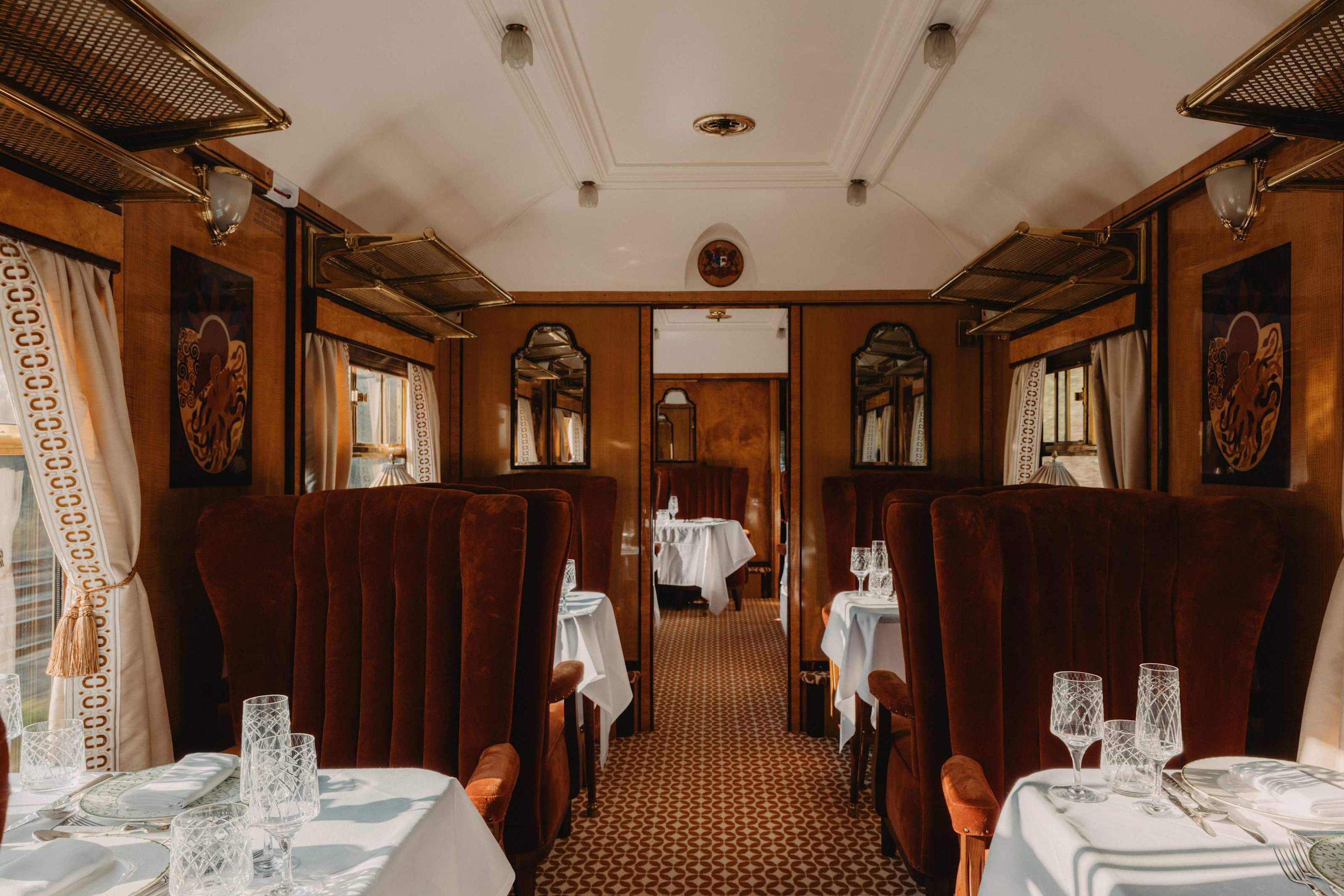
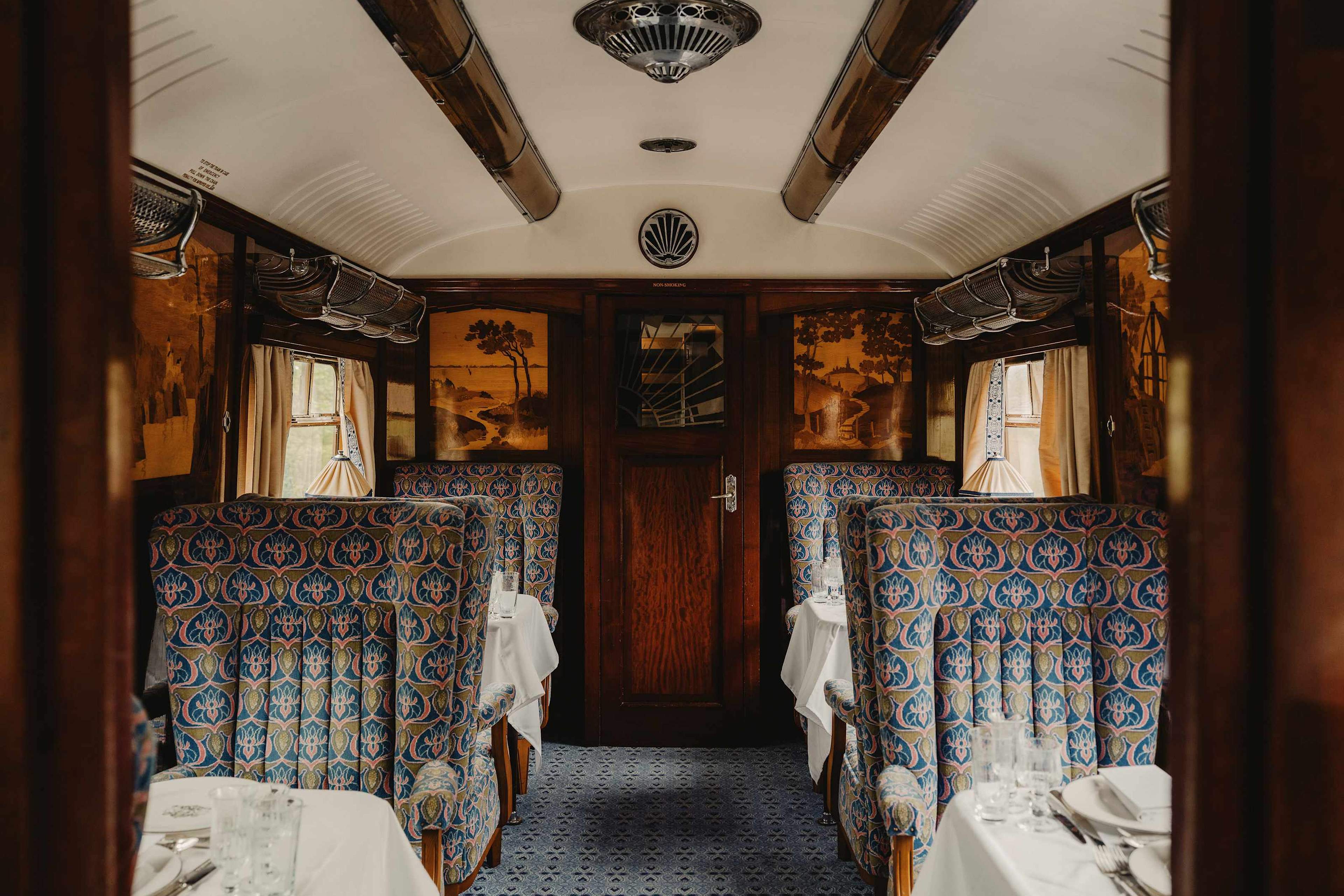
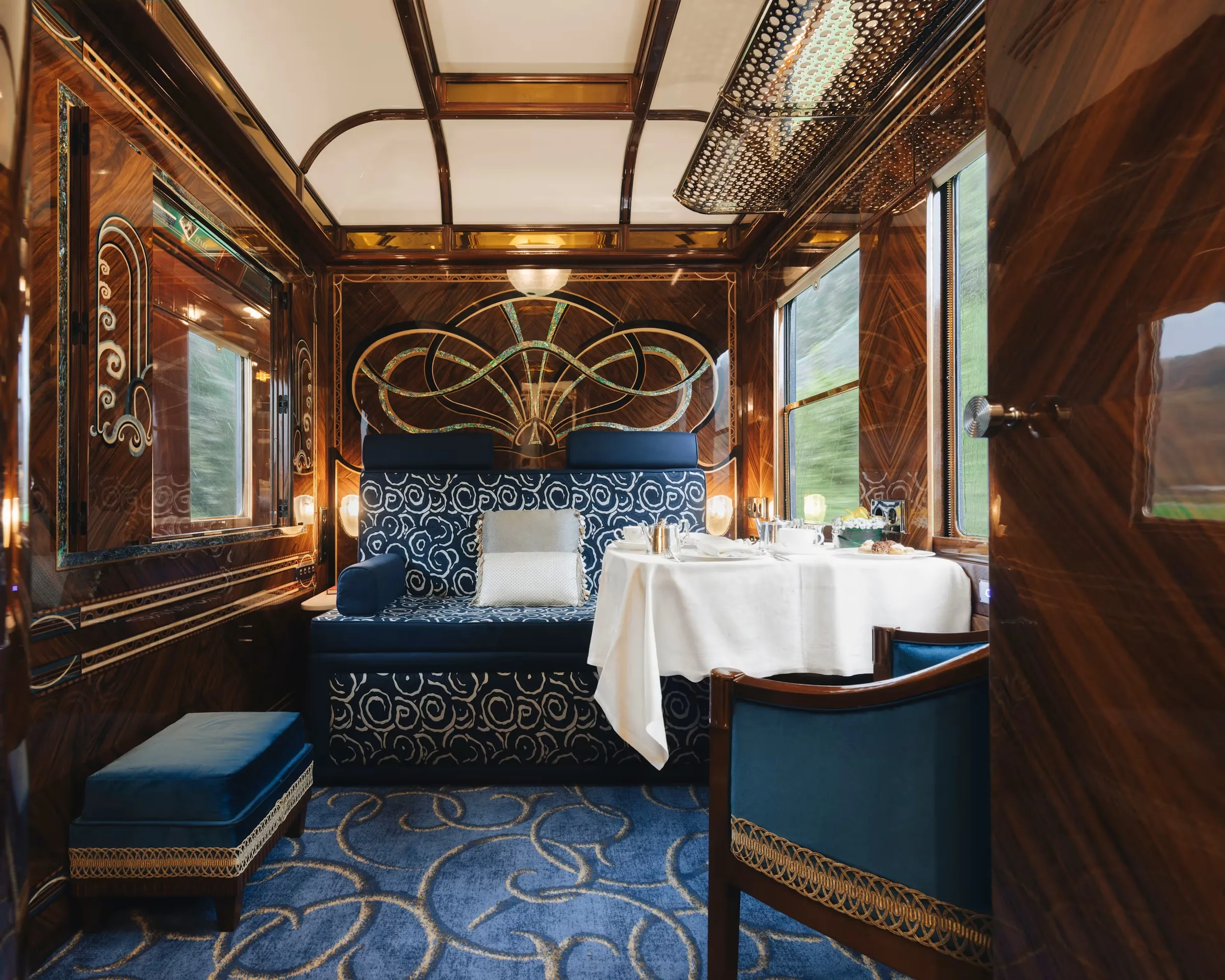
The sleeping cars are panelled in marquetry by designers of the 1920s such as René Prou, with patterns of flowers, leaves and tiger lilies. The restoration was carried out with the designer Gérard Gallet, who also turned the 1931 dining car into the bar car.
A Cabin for the Night
With us, you choose between two kinds of cabin, each for two guests. A steward looks after your carriage around the clock.
A Historic Cabin is one of the original compartments. By day it is a small sitting room with a sofa and a washbasin, and in the evening your steward makes it up with an upper and a lower berth. The lavatories are at the end of the carriage.
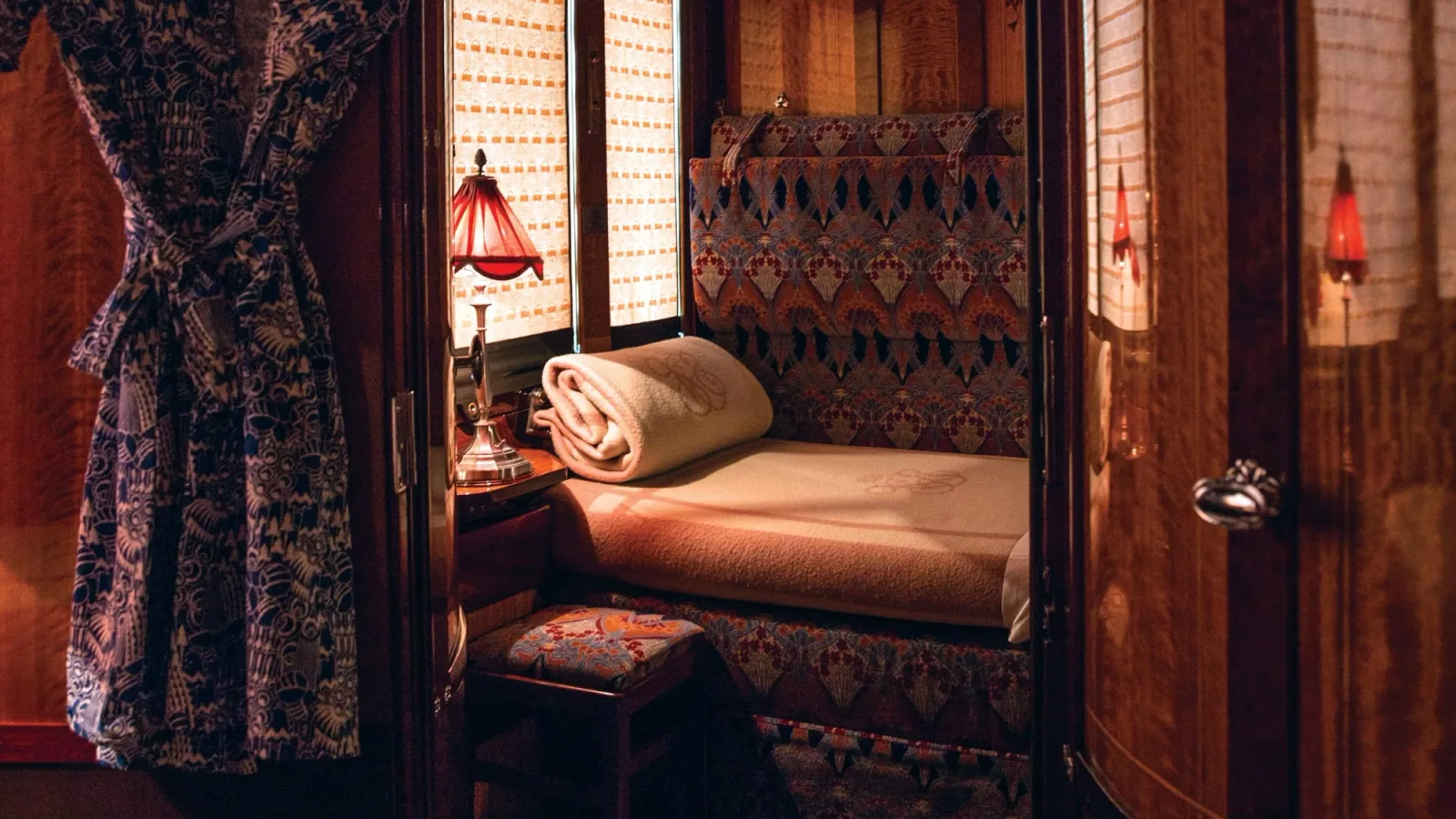
A Suite is 6.6 square metres, with a sofa by day and a bed at night, made up double or twin as you prefer. It has its own marble-lined bathroom with a mosaic floor and a shower. Belmond says its fabrics and furnishings follow Art Deco designers such as Dufrêne and Lalique. The Suites take their themes from lakes, mountains, forests and countryside. There are four to a carriage.
Space on board is limited, so each guest keeps one small bag and one suit carrier or overnight bag in the cabin. One larger case each is stored for the journey and returned to you in Paris.
Dinner, the Bar Car and Paris by Morning
On the Friday a shared transfer takes you from the hotel to the train. Belmond gives about 16:00 for leaving Vienna and about 09:30 for arriving in Paris. It treats both as estimates, because the train runs on national railway networks. Afternoon tea, a French goûter, is served before dinner.
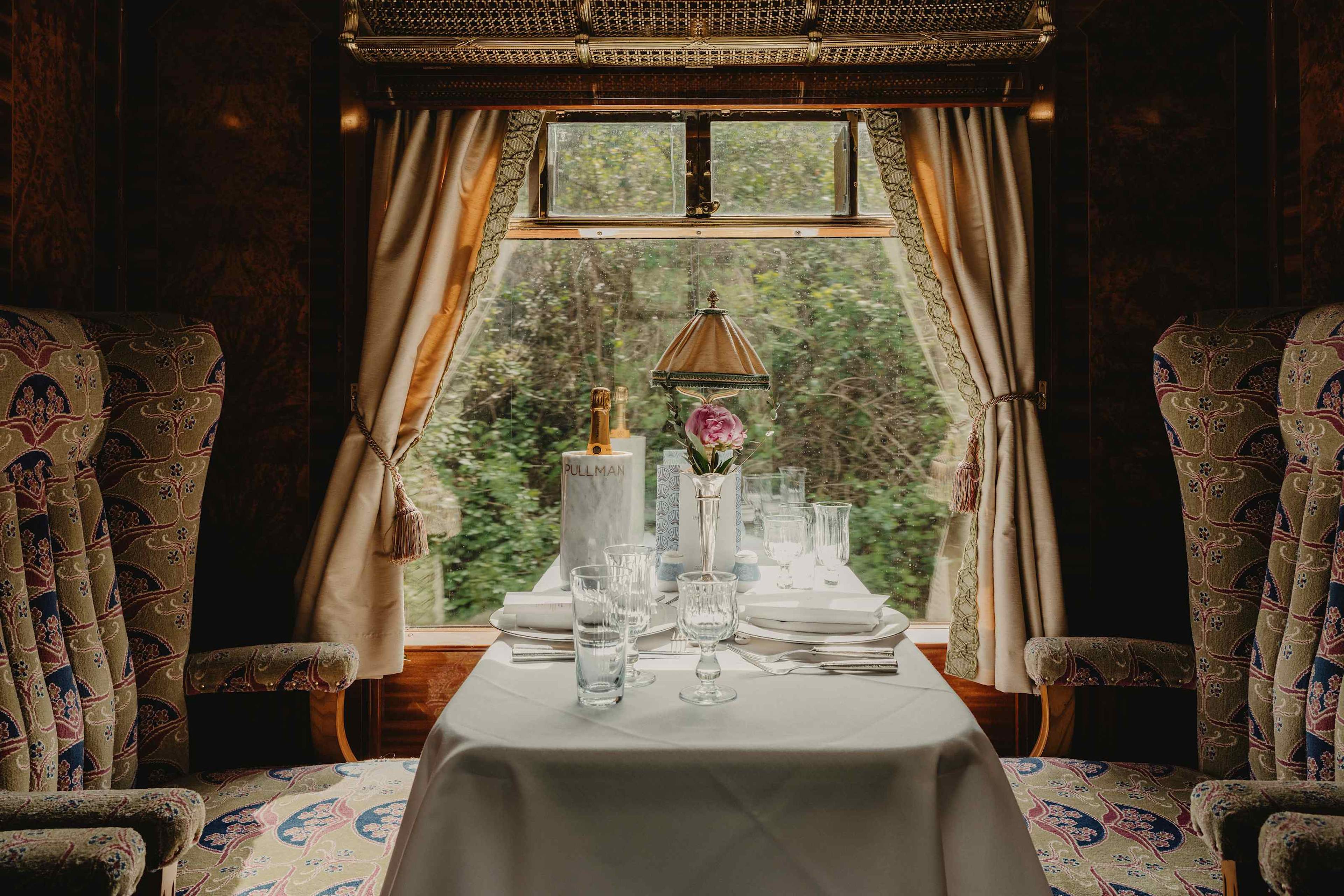
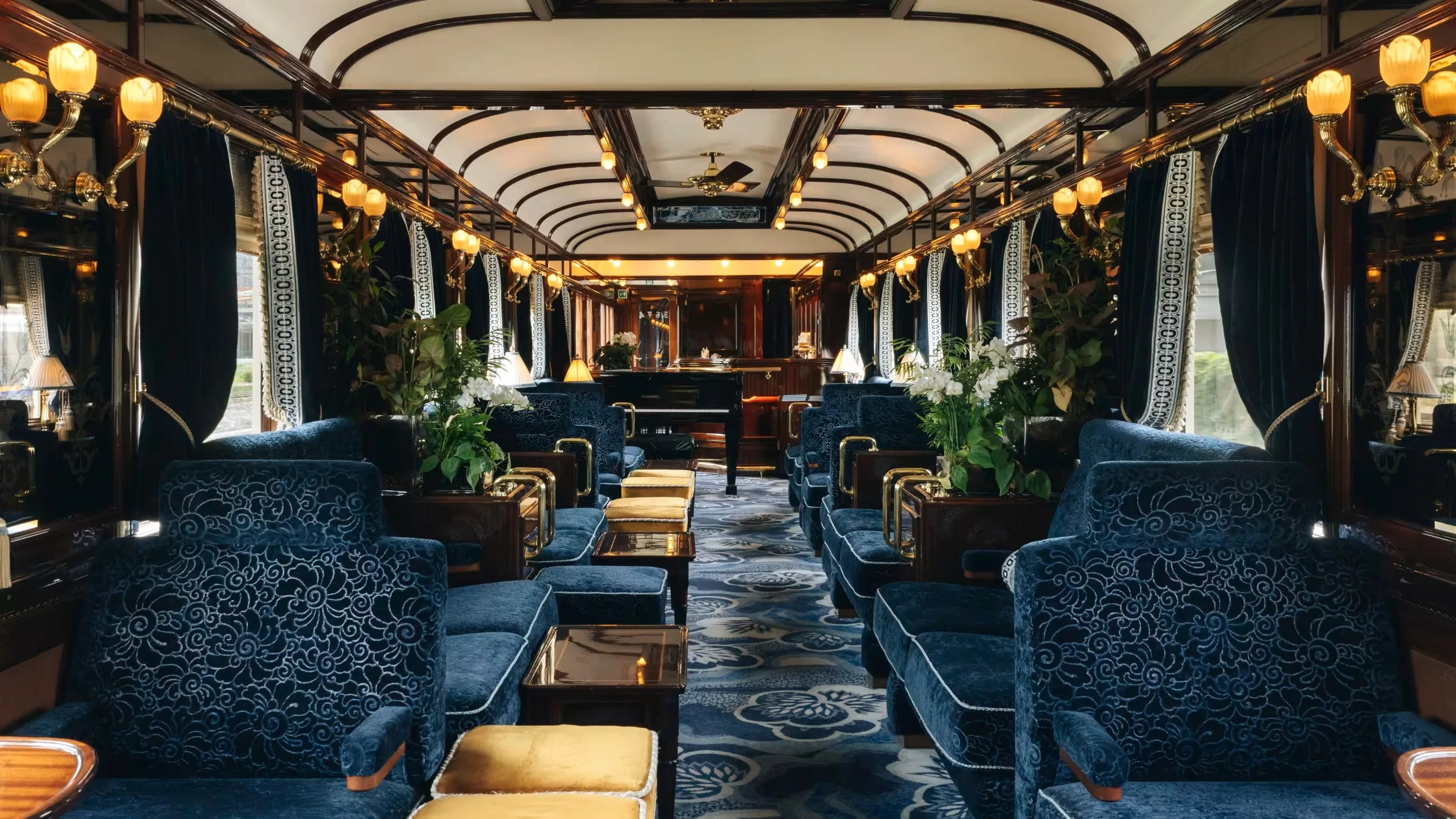
Dinner is four courses in one of the dining cars, from a seasonal menu cooked on board by the train’s French chefs, with wines chosen to match. Afterwards there is the bar car, where a pianist plays.
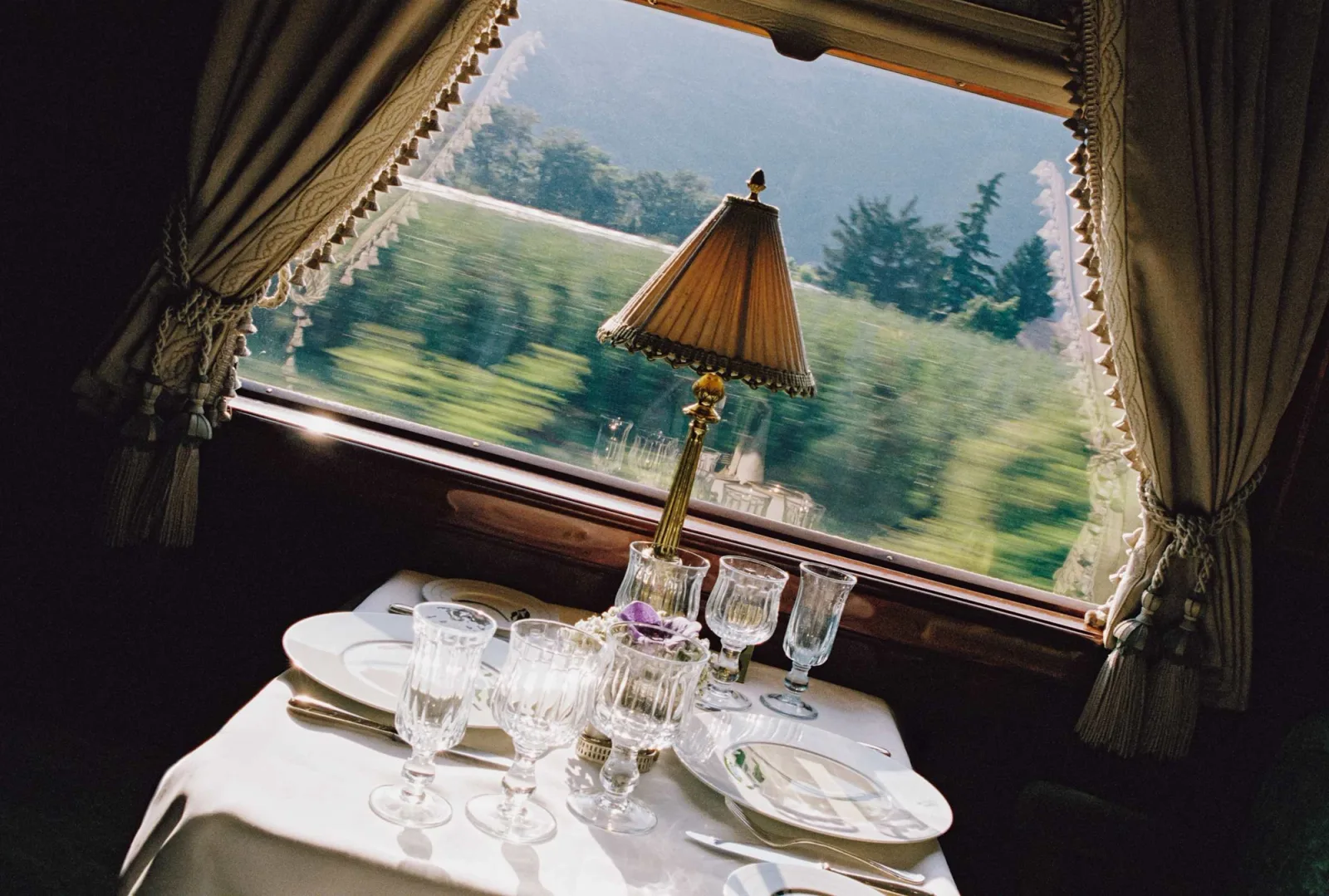
The dress code is strictest at dinner. A jacket and tie is the minimum, with an equivalent standard for women, and black tie is welcome. By day the rule is smart clothes, with no jeans, T-shirts or trainers.
Breakfast is brought to your cabin in the morning. In Paris a coach takes you on to the Gare du Nord, and Eurostar Premier brings you home to St Pancras.