
Summary
A rugby union match is 80 minutes of playing time, jump to Match length in two halves, and the clock stops for injuries and video reviews, so you are in your seat for a little under two hours. A try is worth five points, the kick after it is worth two, and a penalty or drop goal is worth three. In the Six Nations table a win is worth four points, jump to The table, with bonus points for four tries or a narrow defeat. We take guests to Ireland v England in Dublin, jump to With us and Wales v England in Cardiff in 2027.
The Six Nations is the championship between England, Ireland, Scotland, Wales, France and Italy. It is played every February and March. Each team plays the other five once, at home or away, so there are 15 matches over six weekends. The 2027 tournament opens on Friday 5 February with Ireland v England in Dublin and ends on Saturday 13 March.
You do not need to know the laws to enjoy a match. You need to know what the whistle means, why the crowd has gone quiet, and where the points come from.
How long is a rugby match?
A match lasts 80 minutes of playing time, in two halves of 40 minutes with a half-time interval of up to 15 minutes. The clock stops when the referee calls time off for an injury or a video review, and starts again when play restarts. It keeps running for scrums and lineouts, the two set-piece restarts explained further down. With half-time and the stoppages, a match usually runs a little under two hours from kick-off to the final whistle.
A half does not end the moment the clock reaches 40 minutes. The referee lets play continue until the ball next goes dead, which means out of play or a stoppage. A penalty, a lineout, a scrum or a conversion that has already been awarded is still played out, and a penalty can still be given after the clock has gone. A team that is attacking when the clock passes 80 minutes, shown in red on the screens, can keep going for as long as it keeps the ball alive. Some of the best finishes in the championship have come in that period, with the side that is behind keeping the ball through tackle after tackle for a try that wins the match after the 80 minutes are up.
Kick-off times vary through the weekend. In 2027 the Friday night matches start at 8.10pm UK time, the Saturday matches at 2.10pm and 4.40pm, and the Sunday matches at 3.10pm. The final Saturday ends with Ireland v France at 8.10pm.
How the points work
A try is worth five points. A player scores one by grounding the ball in the in-goal area, the space between the try line and the dead-ball line at each end of the pitch. Grounding means holding the ball and touching it down, or pressing down on a ball already on the ground. Carrying it over the line is not enough on its own, which is why you see players stretch for the line in a tackle, and why so many tries go to the video official.
A conversion is offered after every try and is worth two points, and a team almost always takes it. The kicker places the ball, usually on a tee, on a line running straight back from where the try was scored. He then kicks it between the posts and over the crossbar. A try under the posts leaves an easy kick. A try in the corner leaves a kick from near the touchline at a sharp angle, which is why a player scoring in the corner tries to run round towards the posts first. A penalty try, given when foul play stops a certain try, is worth seven points with no kick.
A penalty kick at goal is worth three points. The referee awards a penalty when a team breaks a law, such as going offside or collapsing a scrum. Both are explained below. If the kicker is within range the captain points at the posts. If it is too far out, the team kicks the ball into touch, over the side line, and takes the lineout close to the opponents’ line. The lineout is the restart from touch, and that close to the line it is a chance of a try rather than three points.
A drop goal is also worth three points. The player drops the ball onto the ground during open play and kicks it as it bounces, through the posts. They are rare and usually come late in a tight match. You will know one is coming when the forwards start carrying the ball straight at the defence in front of the posts and the fly-half, the player who directs the attack, drops back behind them.
A score of 24-17 could be three tries with three conversions and a penalty, against two converted tries and a penalty. A converted try is a try plus the kick, seven points, and it is why a team seven points down is said to be one score behind.
Who is on the pitch
Each side has 15 players on the pitch, eight forwards wearing numbers 1 to 8 and seven backs wearing 9 to 15. The forwards are the bigger players. They form the scrum, jump in the lineout and do most of the work to win the ball and keep it. The backs are the faster players who run with it and kick it, and who score most of the tries.
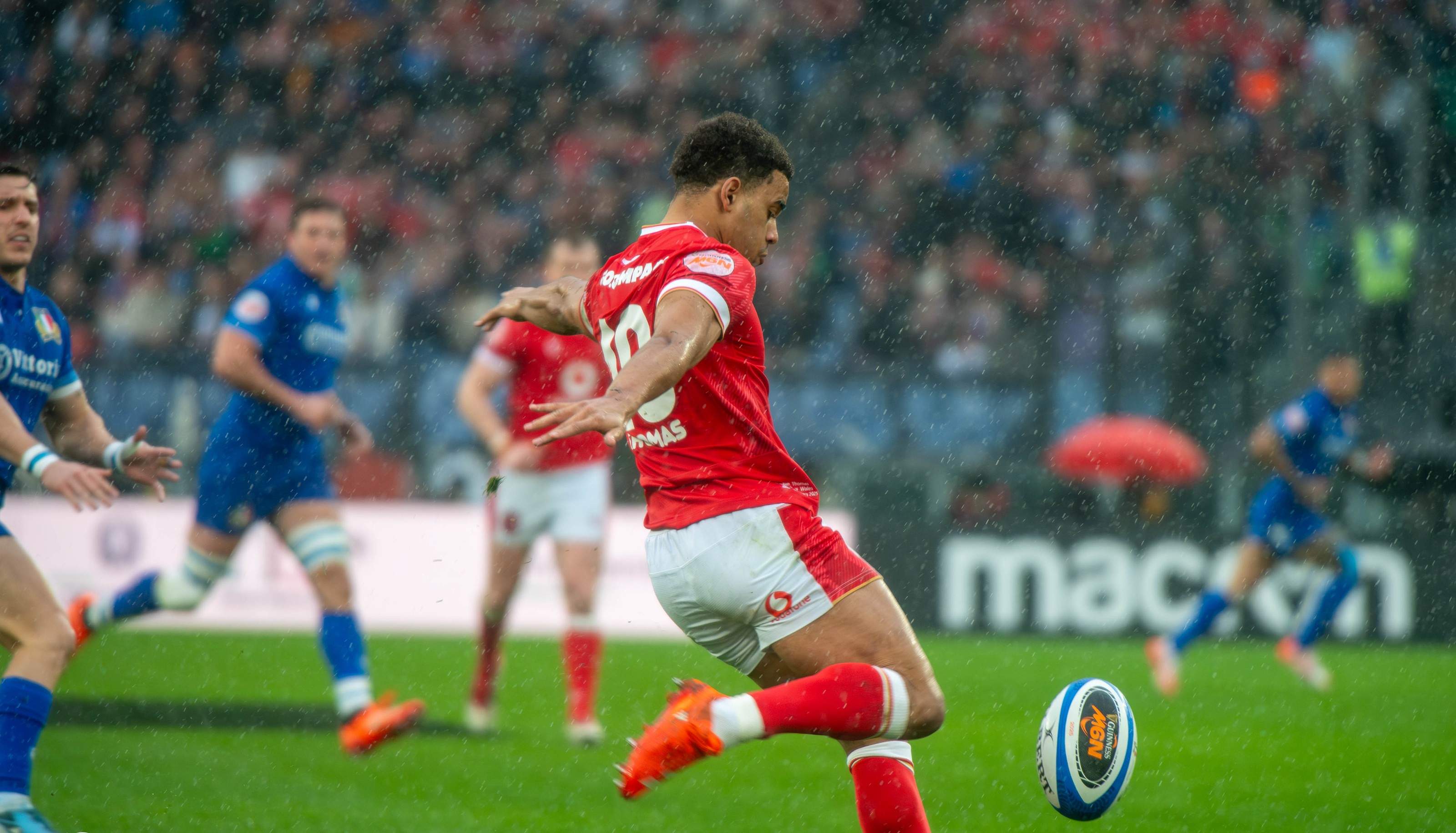
Two positions link the forwards to the backs. The scrum-half, number 9, is the small player who follows the forwards about. He passes the ball away from the scrums and from the rucks, which are the contests for the ball after a tackle. The fly-half, number 10, stands next in line and decides what happens with it. The fly-half is usually the goal-kicker too, so the number 10 has a hand in most of the points.
Each team names eight replacements, so the team sheet in your programme has 23 names on it. In a Six Nations match the replacements often all come on in the second half, including a whole new front row for the scrum. A player who has been replaced normally does not come back on.
Props and hooker (1, 2, 3)
They are the front row of the scrum. The hooker in the middle also throws the ball into the lineout.
Locks (4, 5)
They are the tallest players. They push from the second row of the scrum and are lifted to catch the ball at the lineout.
Back row (6, 7, 8)
They are the two flankers and the number 8. They make the most tackles, compete for the ball when a player is tackled, and carry it into contact.
Half-backs (9, 10)
The scrum-half passes the ball out from the forwards. The fly-half decides where it goes next and usually kicks the goals.
Centres and wings (11 to 14)
The centres run and tackle in midfield. The wings are the fastest players and finish the tries in the corners.
Full-back (15)
The full-back is the last line of defence, who stands behind everyone else to catch the high kicks and run them back.
Scrums, lineouts and the words you will hear
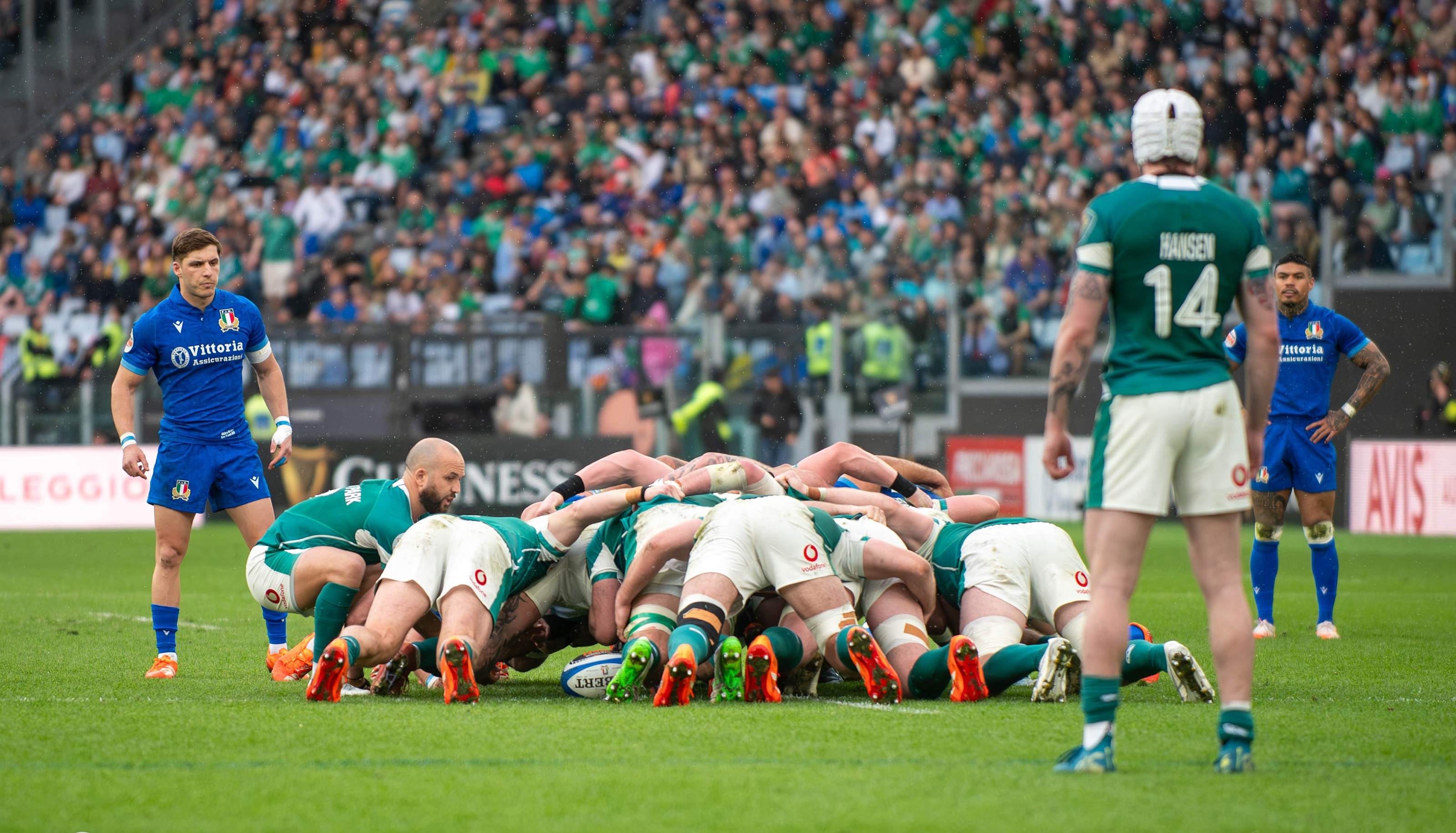
A scrum restarts play after a minor offence, most often a knock-on. A knock-on is when a player loses the ball forwards off a hand or arm and it hits the ground or another player, and the referee awards a scrum to the other side. The eight forwards of each team bind together in three rows and push against each other. The scrum-half rolls the ball into the tunnel between the two front rows, and the hooker tries to hook it backwards with a foot. Scrums collapse and get reset, and a run of resets can be the longest pause you will see in a match.
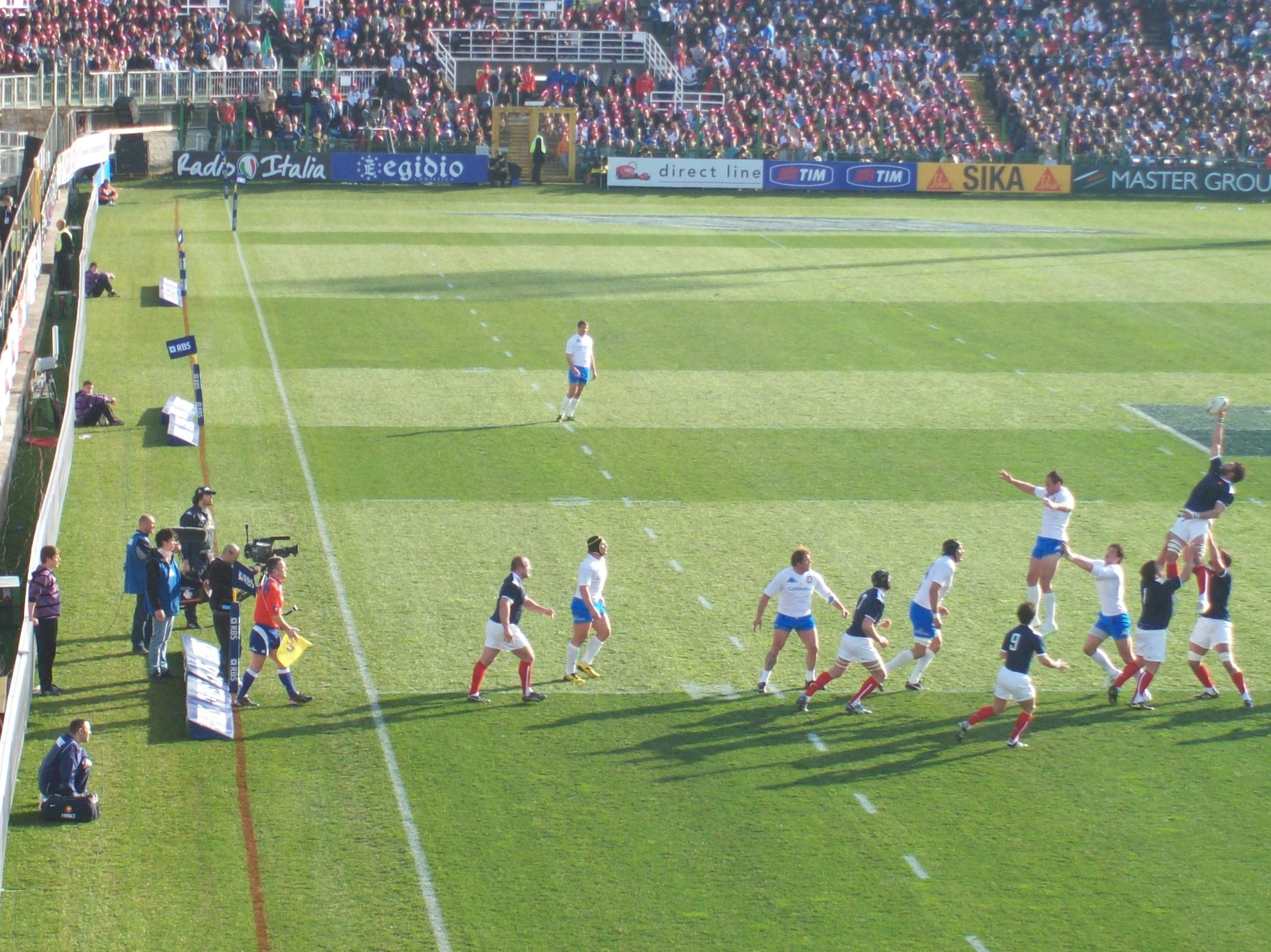
A lineout restarts play after the ball has gone into touch, which means over the side line. The forwards of both teams line up in two rows a metre apart, and the hooker throws the ball straight down the gap between them. Each side lifts a jumper to catch it. The team that kicked the ball out does not usually get the throw, except after a penalty. That is why a team with a penalty kicks it into touch when it wants to attack rather than take the three points.
A ruck forms when a player is tackled to the ground and players from both sides come together over the ball on their feet. The tackled player has to release the ball, and each side pushes to win it. A maul is the same contest with the ball-carrier still standing, held by at least one opponent and one team-mate. A rolling maul from a lineout near the line, with the whole pack driving forward, is one of the hardest things in the game to stop and a common way to score a try.
Offside is the law you will hear the crowd shouting about. At a ruck, every player has to stay behind the back foot of his own team’s players in it. Anyone outside the ruck who is in front of that line and joins in is offside, and the penalty for it is one of the most common in the game.
When the referee’s arm goes out to the side, he is playing advantage. He has seen an offence but is letting the other team play on to see if they gain from it. If they do not, he brings play back for the penalty or scrum. If they score, the advantage is over and the offence is forgotten.
Cards, the TMO and the bunker
A yellow card sends a player to the sin bin for ten minutes, and his team plays with 14 for that time. A red card sends him off for the rest of the match.
There is now a third option. It was first used in the Six Nations in 2025 and became a permanent law in July 2026. For dangerous play that was not deliberate, such as a tackle that hits the head, the referee can give a 20-minute red card. The player is off for good, but after 20 minutes of playing time his team can bring a replacement on and go back to 15. A permanent red card with no replacement is kept for deliberate and highly dangerous foul play, such as punching, biting or striking.
The TMO is the television match official, a qualified referee watching the replays. The referee on the pitch draws a rectangle in the air with his hands when he wants a review, and the decision is shown on the big screens. The TMO checks tries, and whether anything illegal happened in the build-up to one.
For foul play there is a second official, in what the game calls the bunker. If the referee thinks an incident might deserve more than a yellow card, he shows the yellow and crosses his forearms. The bunker official then has up to eight minutes to look at every angle and decide. If the yellow stands, the player comes back after ten minutes. If it is upgraded, the player stays off, and the 20 minutes before a replacement can come on are counted from the incident.
How the Six Nations table is decided
A win is worth four points in the table and a draw is worth two. There are two bonus points. A team gets one for scoring four or more tries in a match, whether it wins or loses, and one for losing by seven points or fewer. A team can take both in the same match.
A Grand Slam, winning all five matches, earns three extra points. That bonus exists so that a team that wins every match cannot be overtaken by one that lost a match but collected more bonus points. The bonus system came in for the 2017 championship. If two teams finish level on points, the title goes to the one with the better points difference. That is points scored minus points conceded. After that it goes to the one that scored more tries. If they are still level, they share it.
The other prizes are older than the table. The Triple Crown goes to England, Ireland, Scotland or Wales if they beat the other three in the same year. The Wooden Spoon is the name for finishing last, and there is no actual spoon. The Calcutta Cup is played for when England meet Scotland in the championship each year, and we have told its story in a separate post.
What the crowd does
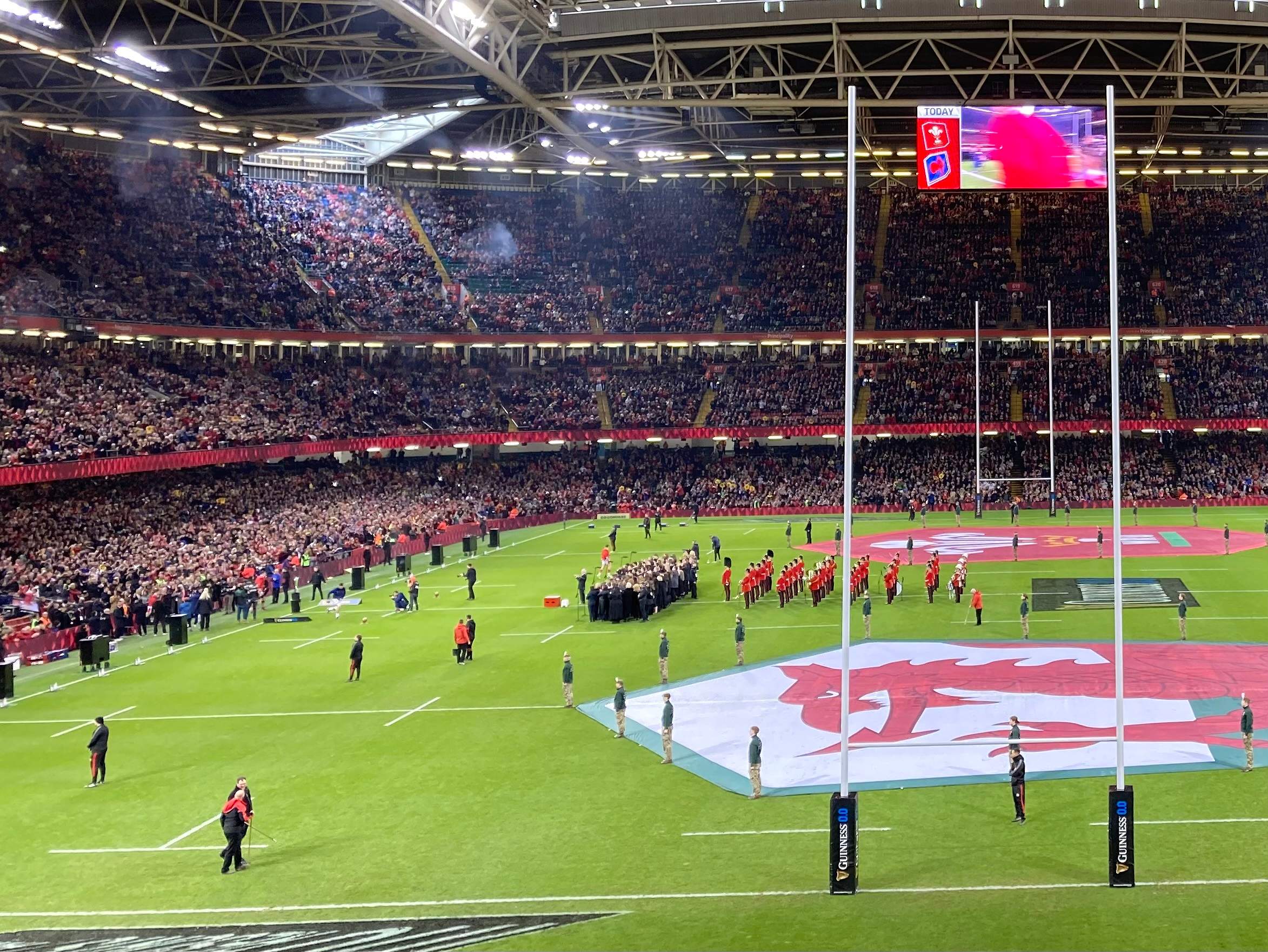
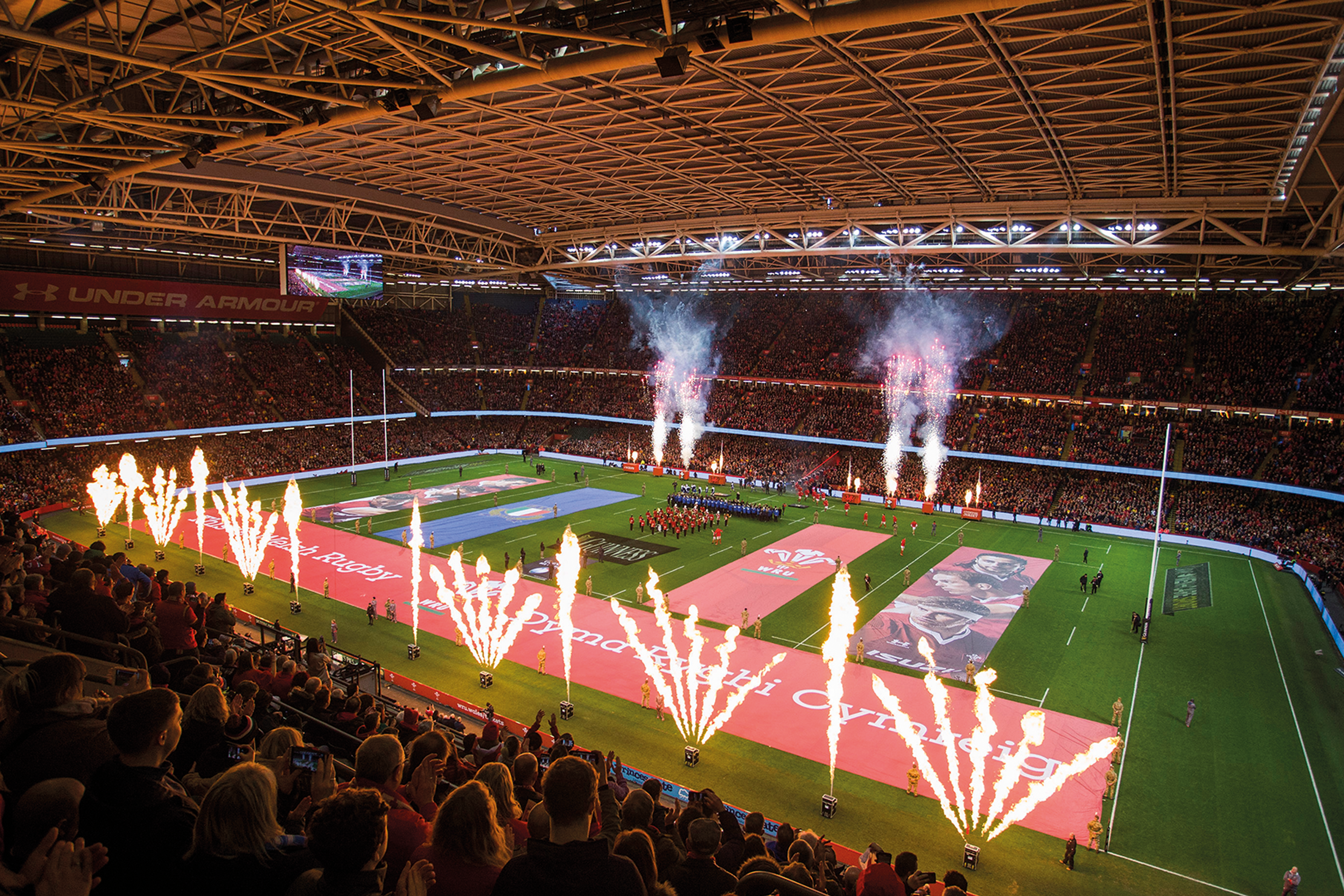
The anthems are sung, not just played. In Dublin, Ireland have two. Amhrán na bhFiann is the national anthem of the Republic, and Ireland’s Call was written for the 1995 World Cup as an anthem for the whole team, which draws players from Northern Ireland as well as the Republic. Both are sung before every home match. In Cardiff the home supporters sing the Welsh anthem, Hen Wlad Fy Nhadau. The stadium holds just under 74,000 and the roof is usually closed for it. The Welsh Rugby Union agreed in January 2025 to keep the roof shut for Wales home matches for two years, and the 2027 position has not been announced yet.
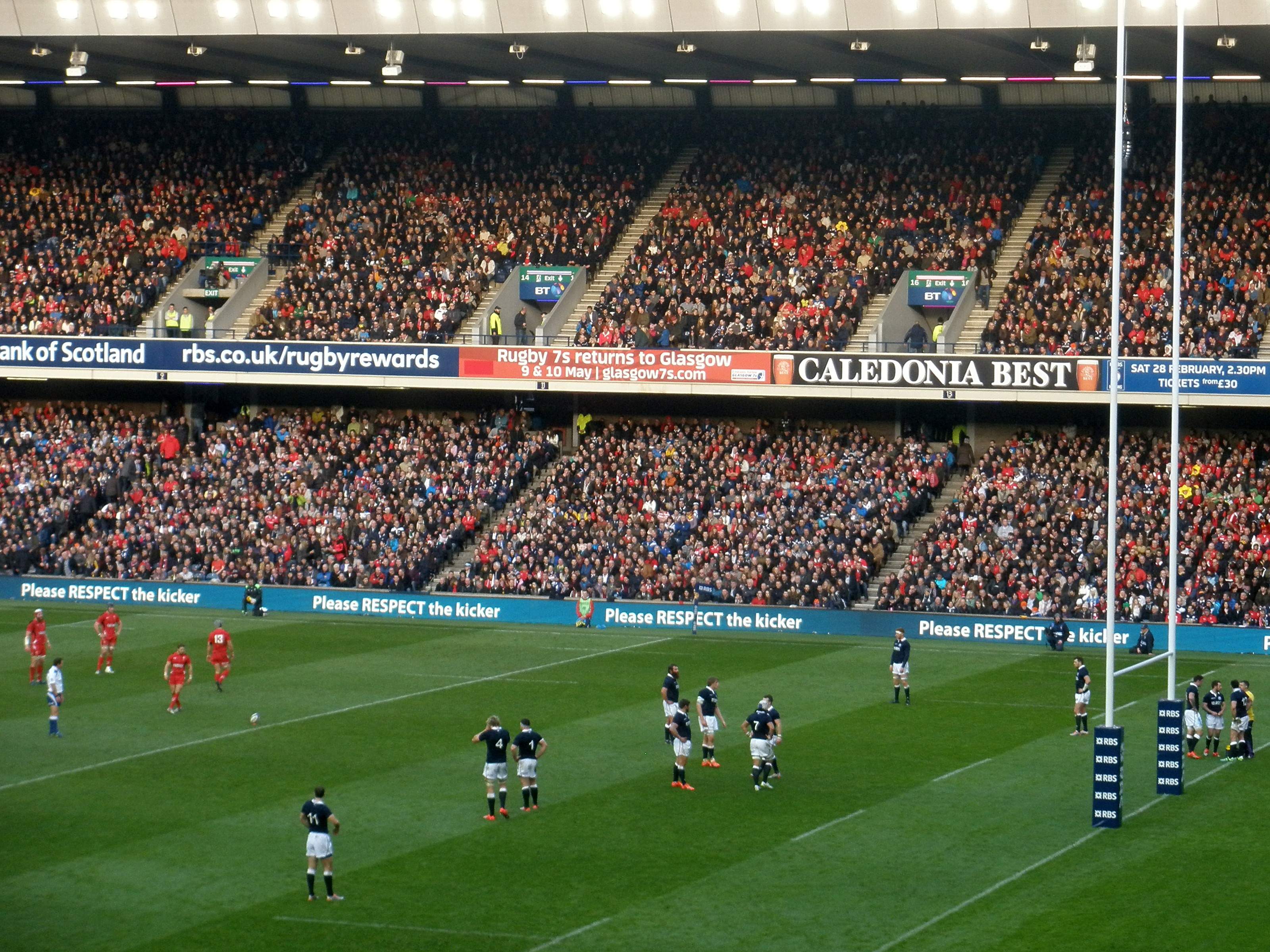
The crowd is expected to go quiet for kicks at goal. It is a courtesy to the kicker, and at Murrayfield and the Principality Stadium there have been announcements before kick-off reminding everyone of it.
Supporters of both teams sit together. There is no segregation at rugby, so the people in the row behind you may be wearing the other shirt. You can also take a beer to your seat, which the law does not allow in view of the pitch at men’s professional football matches in England.
Video reviews are shown on the big screens, so you can follow what is being checked. A long review is usually a sign that a try is in doubt rather than that something has gone wrong.
The 2027 fixtures
Every team plays five matches across six weekends, with a rest weekend after round three at the end of February.
Round one, 5 and 6 February
Ireland v England in Dublin on the Friday night. Scotland v Italy at Murrayfield and France v Wales in Paris on the Saturday.
Round two, 13 and 14 February
Italy v Ireland in Rome and Scotland v Wales at Murrayfield on the Saturday. England v France at the Allianz Stadium, Twickenham, on the Sunday.
Round three, 20 and 21 February
Wales v Ireland in Cardiff and England v Italy at Twickenham on the Saturday. France v Scotland in Paris on the Sunday.
Round four, 5 and 6 March
Scotland v Ireland at Murrayfield on the Friday night. Italy v France in Rome and Wales v England in Cardiff on the Saturday.
Round five, 13 March
Italy v Wales in Rome, England v Scotland at Twickenham and Ireland v France in Dublin, all on the final Saturday.

Six Nations with us
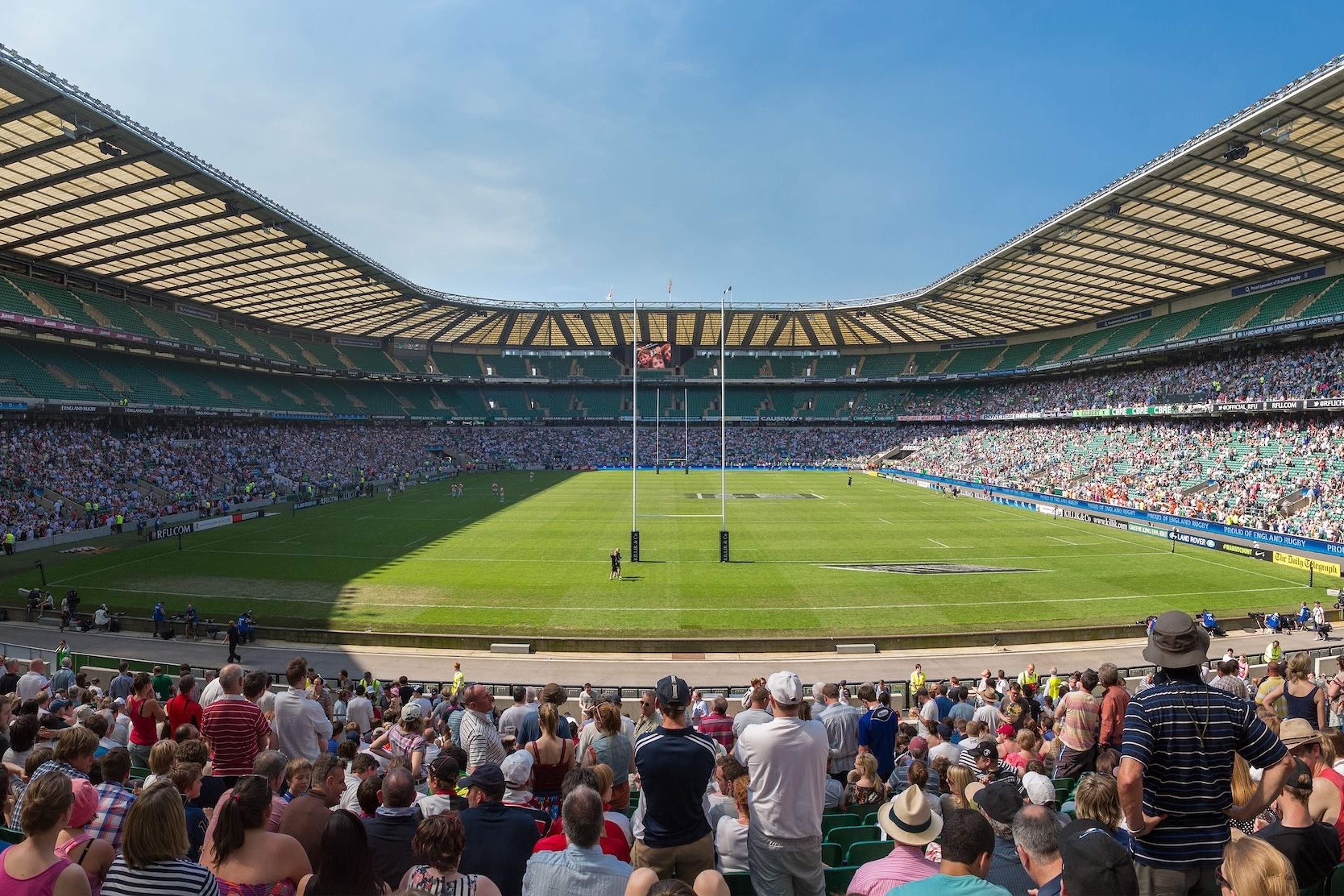
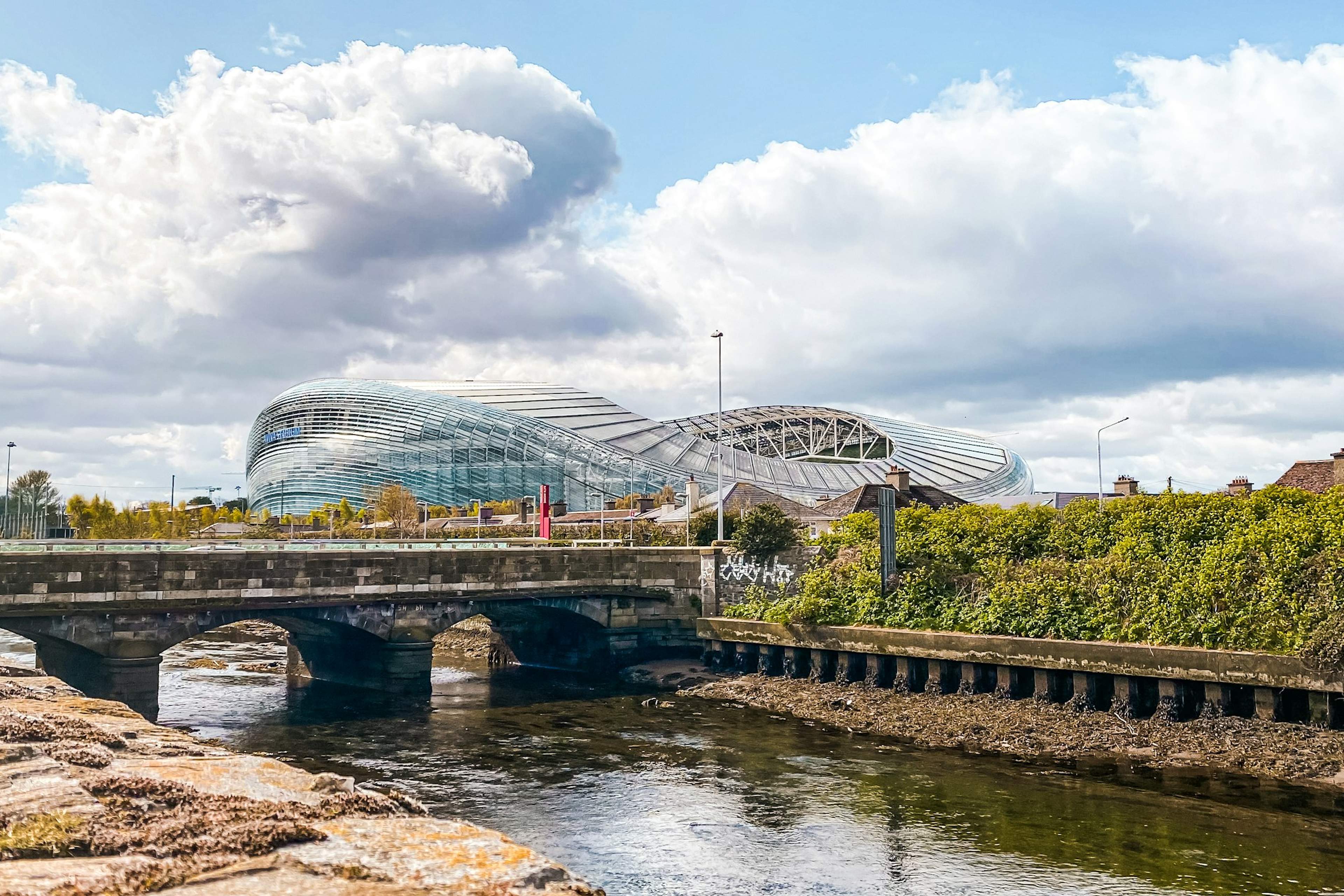
We take guests to two matches in the 2027 championship. For Ireland v England on Friday 5 February, the trip is two nights at the Clayton Hotel Cardiff Lane, near the Docklands in central Dublin. You fly from London on the Thursday and back on the Saturday after the match. Coaches run between the airport and the hotel, and your seat at the Aviva Stadium is reserved for the 8.10pm kick-off. It suits a group that wants Thursday to Saturday in Dublin with the Friday night as the centrepiece.
For Wales v England in Cardiff on Saturday 6 March there are two ways to do it. The Northern Belle is a day return from London to Cardiff Central in art deco carriages, with champagne as you board and a three-course lunch with half a bottle of wine served on the way west. It is the one for a London group that wants the journey to be part of the day. For a group that would rather stay over, there is a night at the Celtic Manor Resort near Newport, with lunch there before the coaches leave for the stadium. Both come with a reserved seat at the Principality Stadium for the 4.40pm kick-off.
If you tell us the match and the size of your party, we can come back with the options for your group.

Chloe Burchell
Event Manager
Event Manager at Imperial Corporate Events. She’s hosted clients at everything from the Six Nations to the Eastern & Oriental Express, and she’s good company on the day.