
Summary
Royal Ascot runs Tuesday to Saturday in mid-June. Every day carries at least one Group 1 and the Royal Procession arrives at 2pm, but no two days feel the same. Wednesday is the form student's day, jump to Wednesday, Prince of Wales's Day; Thursday is Ladies' Day, jump to Thursday, Ladies' Day, the loudest for the cameras; Saturday closes, jump to Saturday, the closer loudest of all.
Pick the day to fit the guests, not the other way round.
Royal Ascot runs five days, Tuesday to Saturday in mid-June, and the dress code holds the same from open to close. What changes is the character of each afternoon: the strength of the card, the size of the royal party, the kind of crowd, and how much the day is about the racing rather than the photographs. Which day you choose matters more to your afternoon than most first-timers expect.
- Tuesday, the openerThe strongest card on paper, three Group 1s, and slightly smaller crowds. The form student's day.
- WednesdayThe Prince of Wales's Stakes, the best race of the week, and a racing-led crowd. The connoisseur's pick.
- Thursday, Ladies' DayThe Gold Cup, the biggest hats, the largest royal party and the photographs. The one most people picture.
- FridayTwo Group 1s for the classic generation, deeper fields and sharper odds. The punter's day.
- Saturday, the closerThe Jubilee Stakes, the youngest and loudest crowd, and the bands playing late.
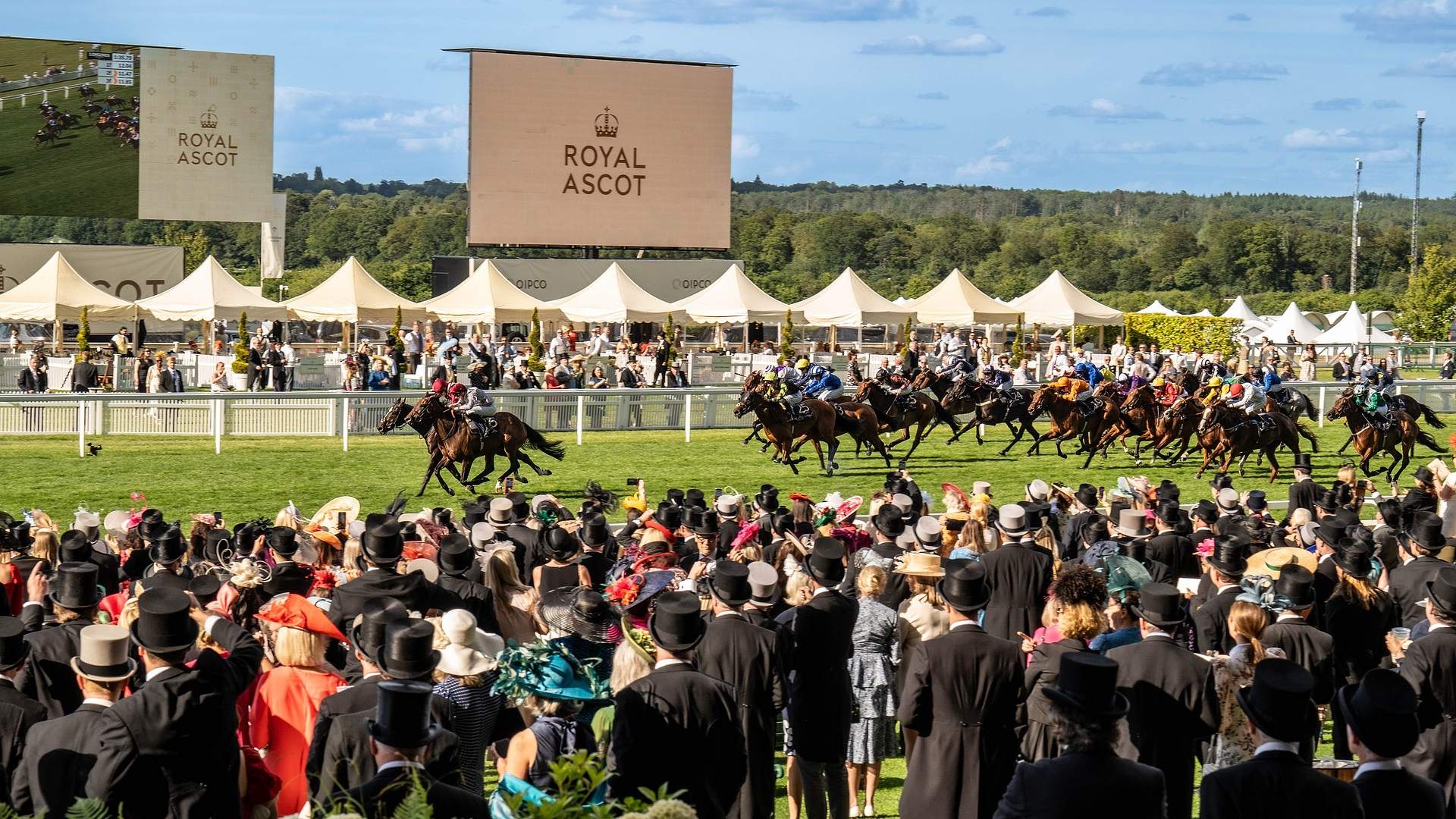
Tuesday, the opener
Tuesday opens with the strongest card of the week on paper: three Group 1s, more than any other day, led by the Queen Anne Stakes straight after the Procession. The crowds are a touch smaller and the royal turnout steady rather than showy, which is why only the form students call it the day. They will also tell you it is the most informative, since Tuesday's results set up the rest of the week.
Wednesday, Prince of Wales's Day
Wednesday carries a single Group 1, but plenty of regulars rate it the best of the meeting. The Prince of Wales's Stakes, over a mile and a quarter, pulls the finest middle-distance horses in Europe and tends to produce the defining moment of the week. The crowd leans more towards the racing than Thursday's, so for a guest who cares about the sport before the spectacle, Wednesday is usually the right call.
Thursday, Ladies' Day
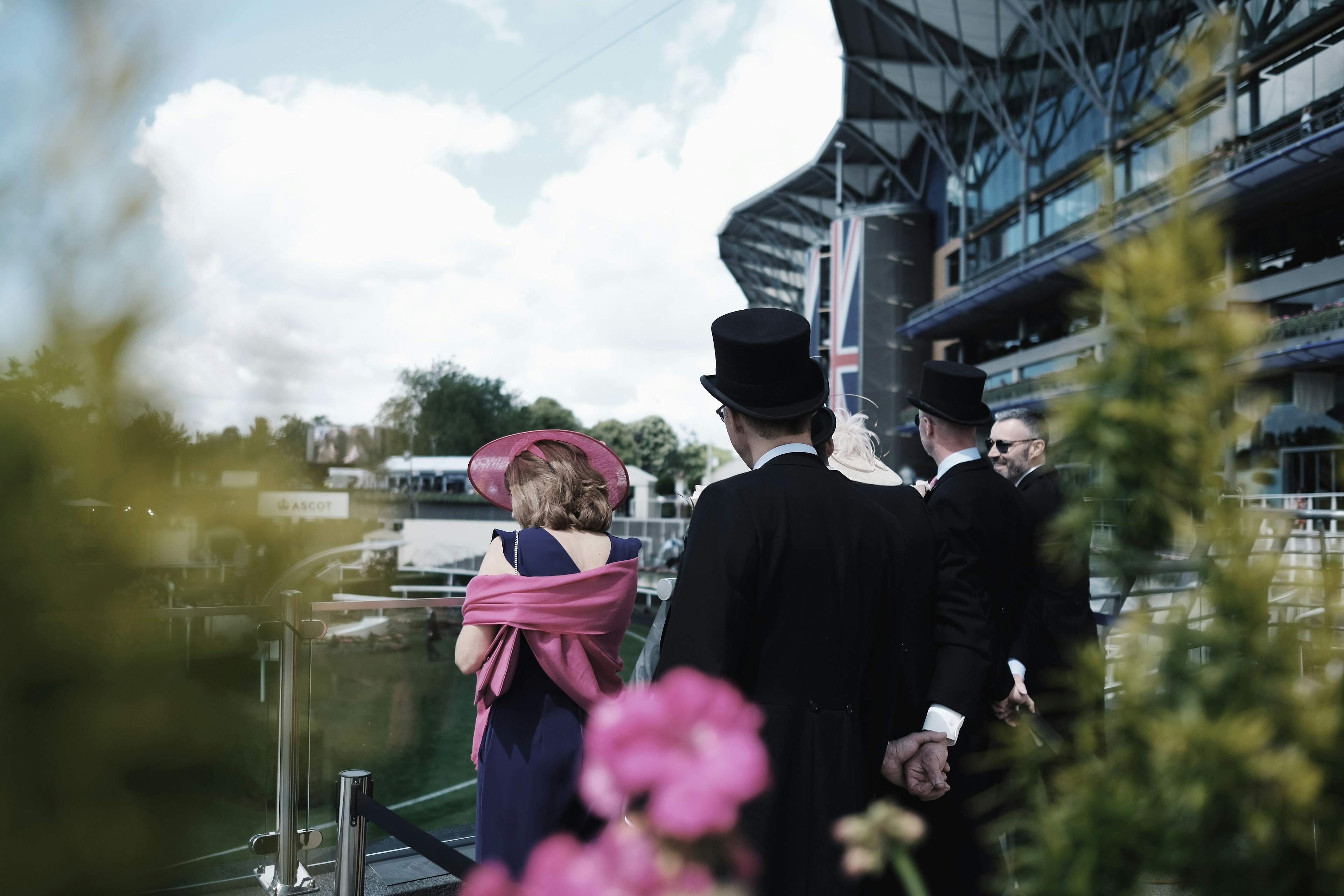
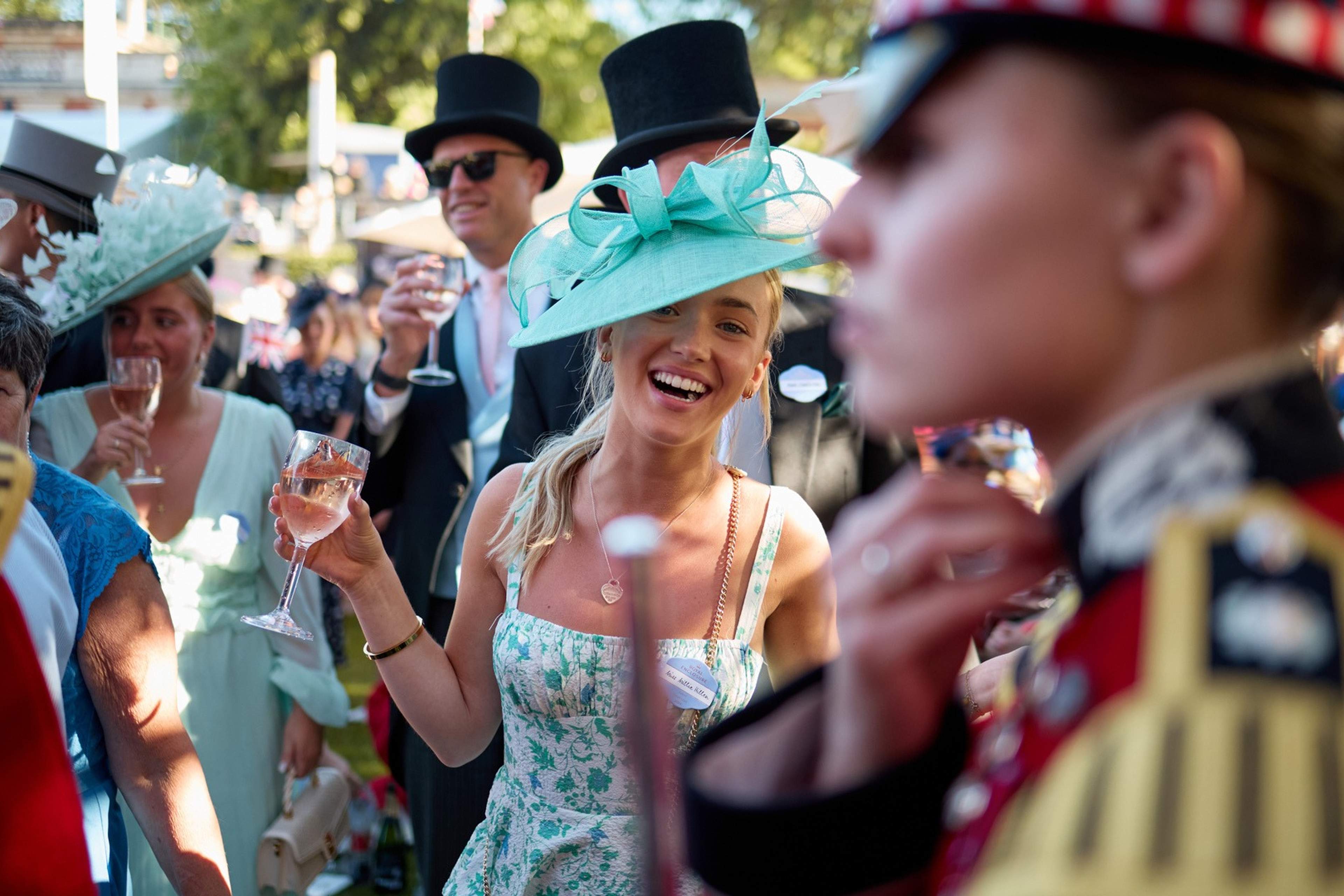
Thursday is the day people picture when they picture Royal Ascot. Its only Group 1 is the Gold Cup, the highest-profile staying race in Britain, run over the marathon two and a half miles. But the fashion is the real headline: bigger hats, denser photographers around the parade ring, Ascot's own Millinery Collective in full swing, and the largest royal party of the week. For what to wear, our Ladies' Day outfits guide has the detail.


Friday, two Group 1s and the punter's day
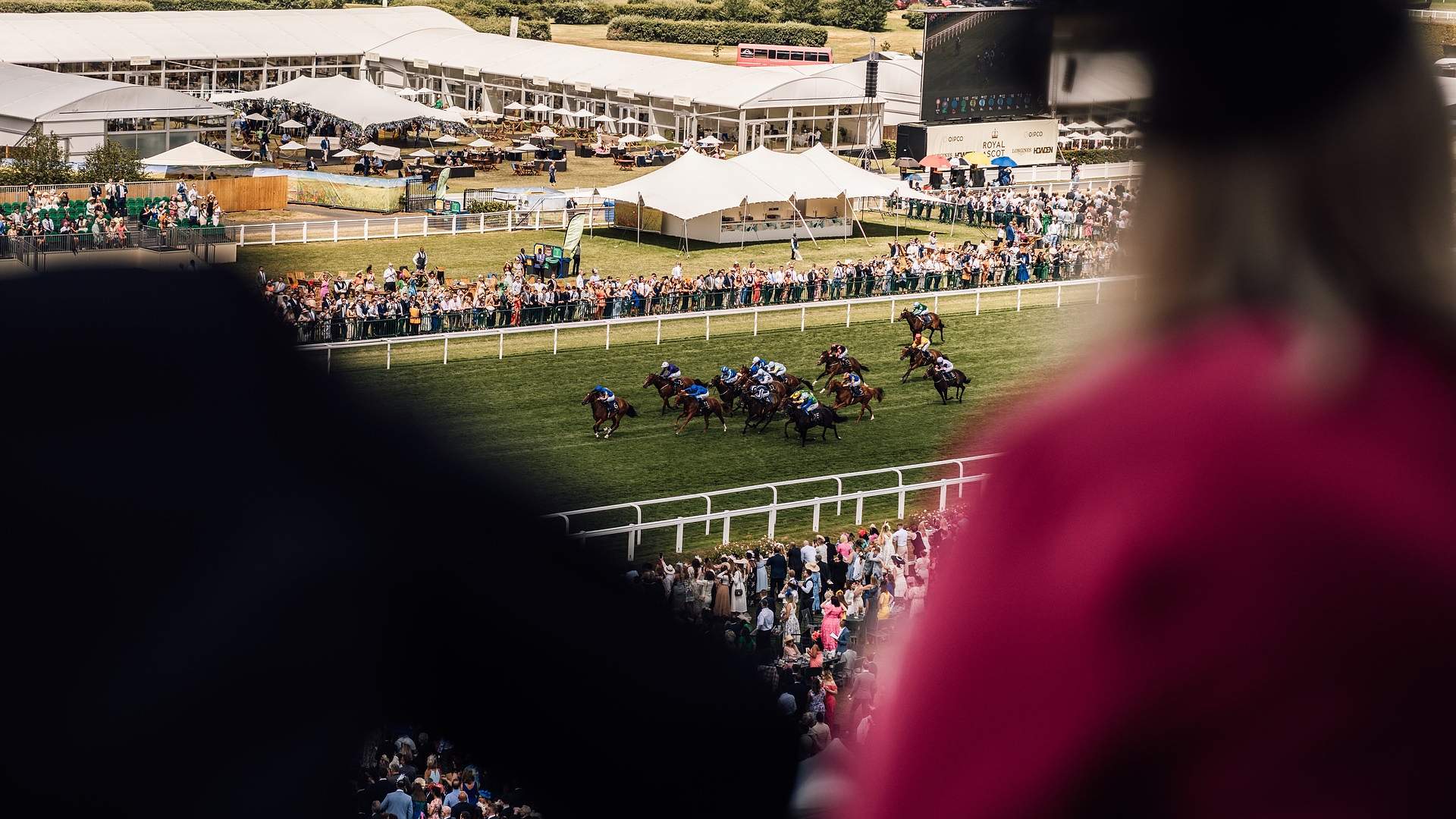
Friday is the punter's favourite after Wednesday. Two Group 1s, both for three-year-olds, anchor it: the Commonwealth Cup, the sprint championship for the classic generation, and the Coronation Stakes, the mile championship for the three-year-old fillies. The fields run deeper and the odds sharper than the short-priced favourites earlier in the week, which is exactly why the form-followers like it.
Saturday, the closer
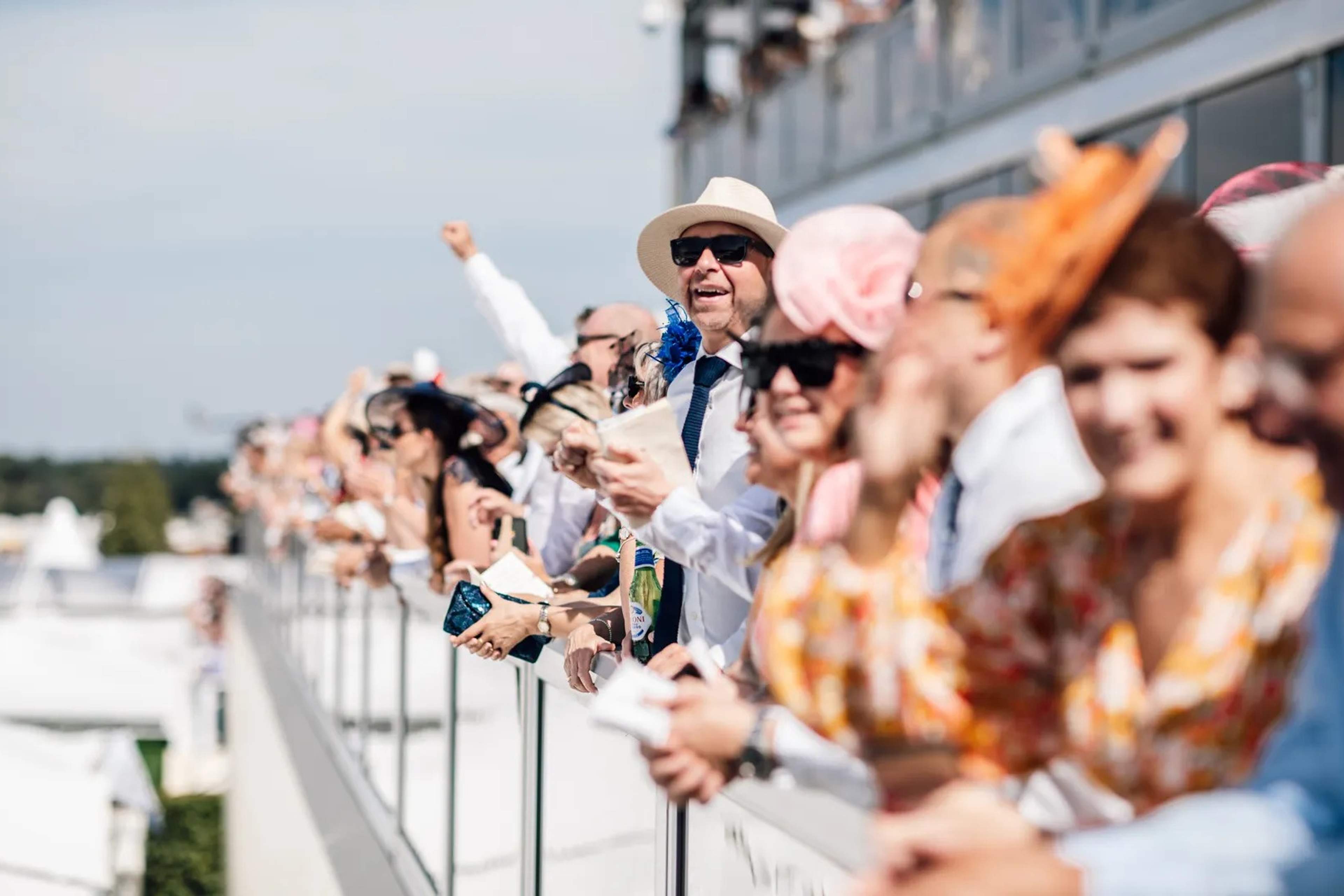
Saturday closes the meeting at full volume. The feature is the Queen Elizabeth II Jubilee Stakes, a six-furlong Group 1 renamed in 2023 to honour the late Queen. The crowd skews younger, the bands play longer, and the programme runs to the very end. For a group that wants Royal Ascot at its loudest this is the day; for a quieter, racing-led afternoon, Wednesday or Friday read better.
The Royal Procession, every day
The Procession is not Thursday's alone. Every day at 2pm the monarch and senior royals come down the straight mile in the royal landaus, the National Anthem plays and the Royal Standard goes up, exactly as George IV set it out in 1825. The party is largest on Thursday, smaller on Tuesday and Wednesday, and varies on the bookend days. If seeing it arrive matters to your guests, the straight mile or a Royal Enclosure restaurant facing the entrance is the place to be.
Picking the right day
The five days genuinely do not read interchangeably. Racing first, Wednesday or Friday. Fashion and the photograph, Thursday. The loudest, most informal afternoon, Saturday. The strongest card without Thursday's intensity, Tuesday.
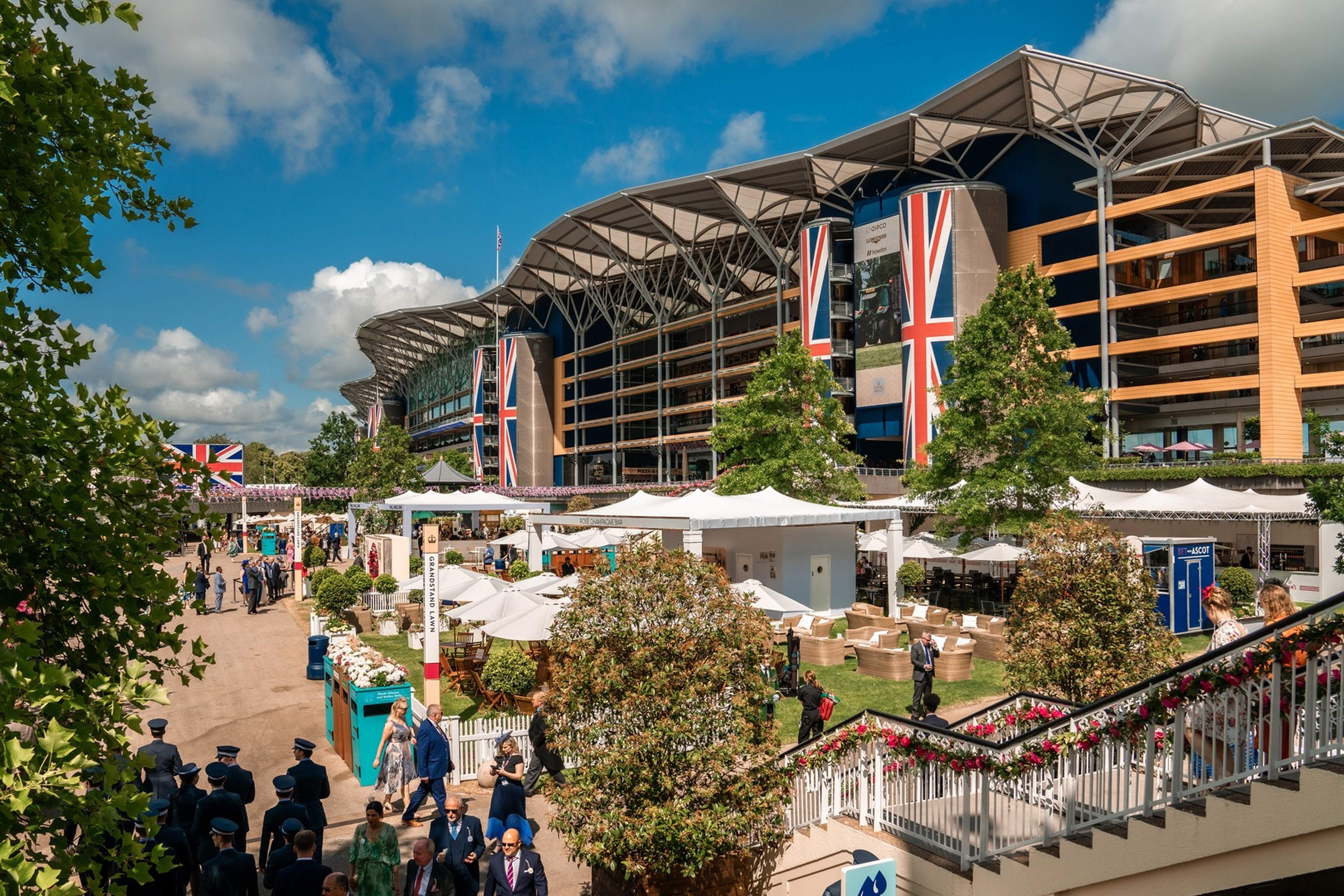
If the brief is one corporate day a year that captures Royal Ascot whole, Thursday wins for most: the Gold Cup, the fullest Procession, and a day that photographs in a way that makes the rest of the year's marketing write itself. Setting it up around your guests is what we do.

Emma Harrod
Managing Director of Leicester Sales
Managing Director of Leicester Sales at Imperial Corporate Events. She gets to know what suits you, then makes the day happen without the fuss.