For most of three centuries, “the Season” meant the months when society lived in London. Debrett’s traces it back to the Restoration of the monarchy in 1660, after which the aristocracy made it their custom to live in the capital while the Royal Family was in residence there.
It had a social purpose. Young women of 17 or 18 were presented to the sovereign at court, and a run of balls and dinners followed. The last presentations at court took place in 1958.
The sporting occasions outlasted the presentations. Race meetings, a regatta and a flower show had become fixtures of the summer. When people talk about the Season today, those days out are usually what they mean.
There is no official list. Ours has ten occasions, from the Cheltenham Festival in March to the Goodwood Revival in September, in the order they fall in 2027.
| Occasion | Dates | Venue |
|---|---|---|
| The Cheltenham Festival | Tuesday 16 to Friday 19 March | Cheltenham Racecourse, Gloucestershire |
| The Grand National | Thursday 8 to Saturday 10 April | Aintree Racecourse, Liverpool |
| RHS Chelsea Flower Show | Tuesday 18 to Saturday 22 May | Royal Hospital Chelsea, London |
| The Derby Festival | Friday 4 and Saturday 5 June | Epsom Downs Racecourse, Surrey |
| Royal Ascot | Tuesday 15 to Saturday 19 June | Ascot Racecourse, Berkshire |
| The Championships, Wimbledon | Monday 28 June to Sunday 11 July, provisional | The All England Club, London |
| Henley Royal Regatta | Tuesday 29 June to Sunday 4 July | Henley-on-Thames, Oxfordshire |
| The Qatar Goodwood Festival | Tuesday 27 to Saturday 31 July | Goodwood Racecourse, West Sussex |
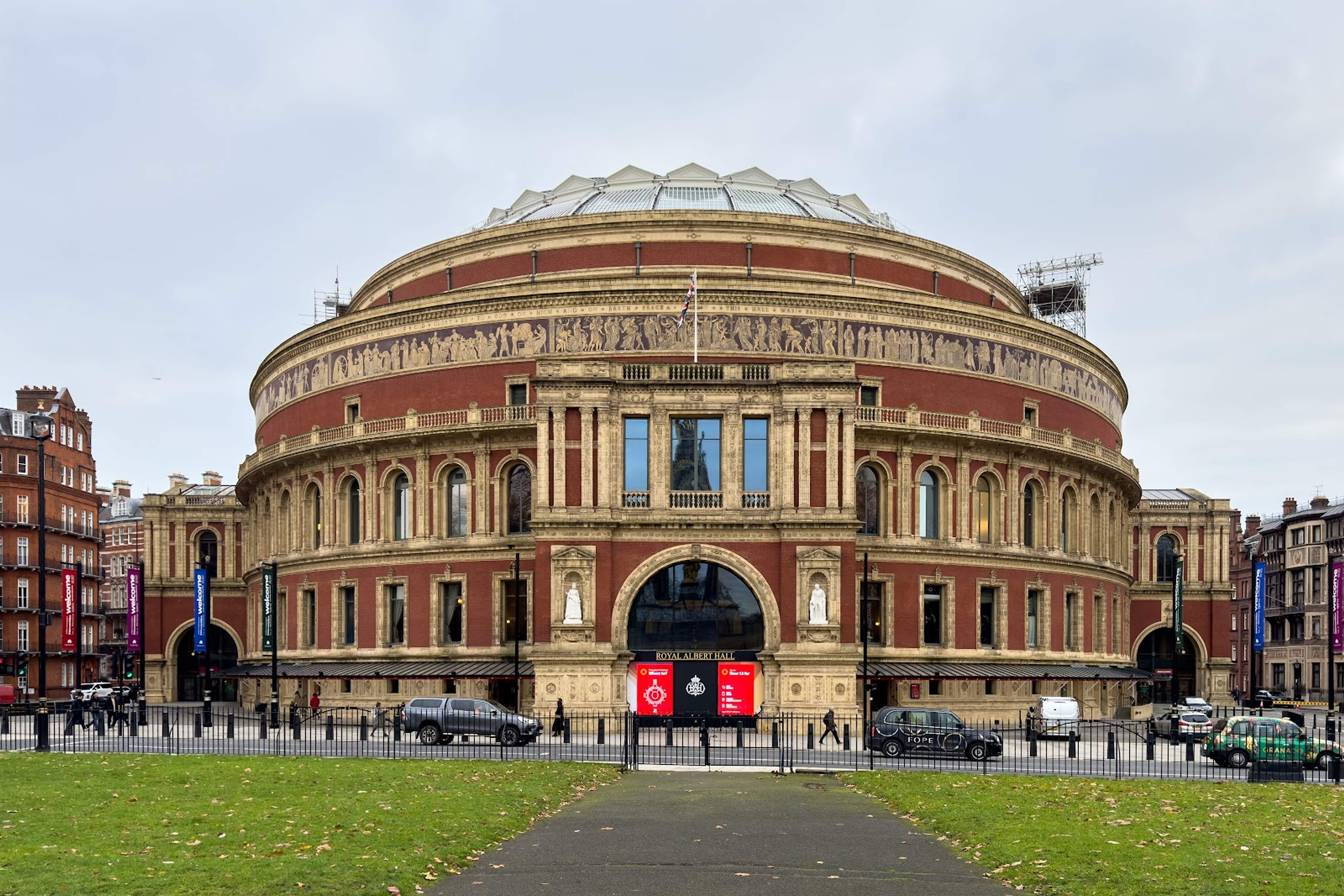
| The Last Night of the Proms | Saturday 11 September, provisional | Royal Albert Hall, London |
| The Goodwood Revival | Friday 17 to Sunday 19 September | Goodwood Motor Circuit, West Sussex |
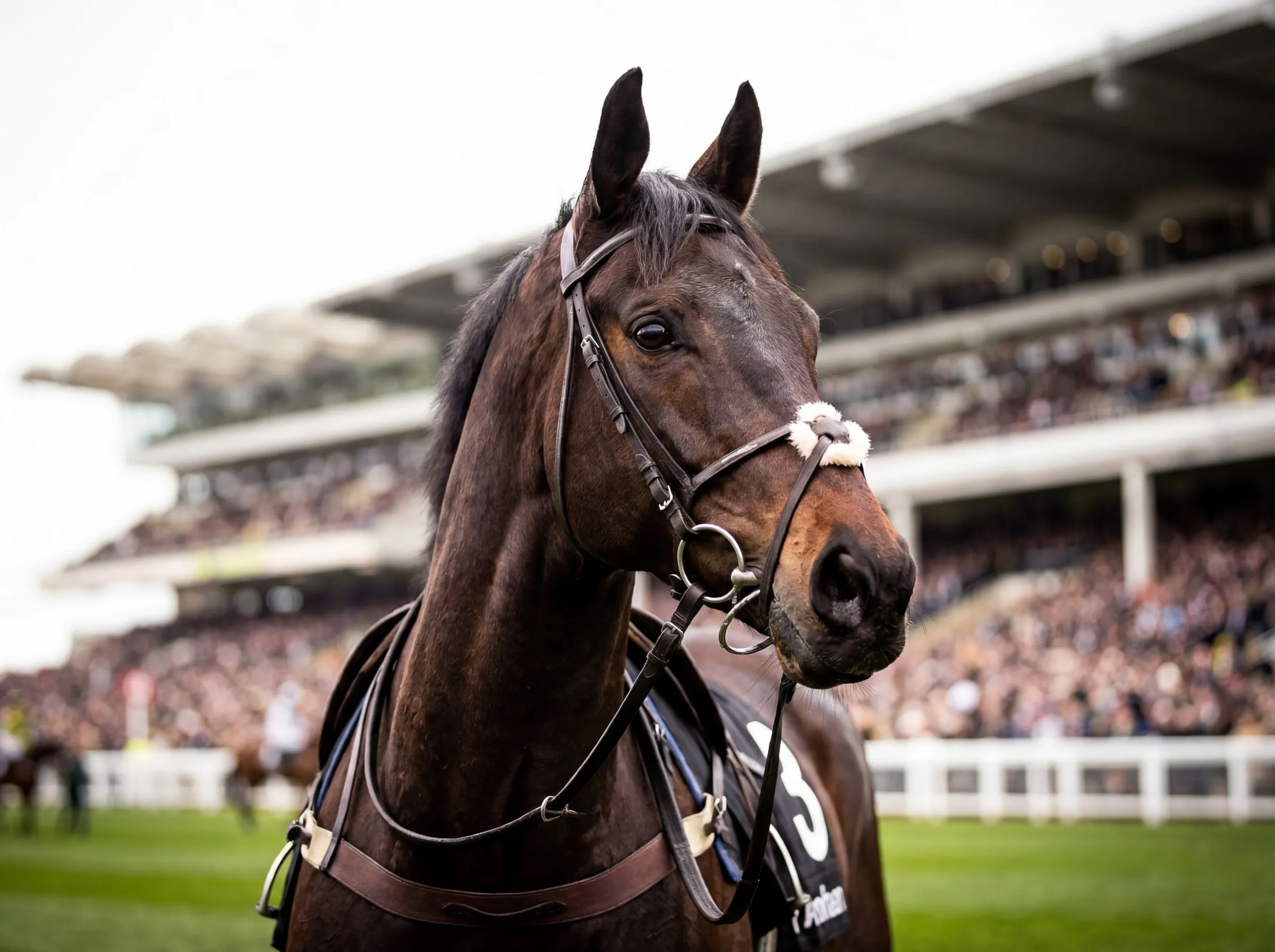
The Cheltenham Festival, Four Days of Jump Racing
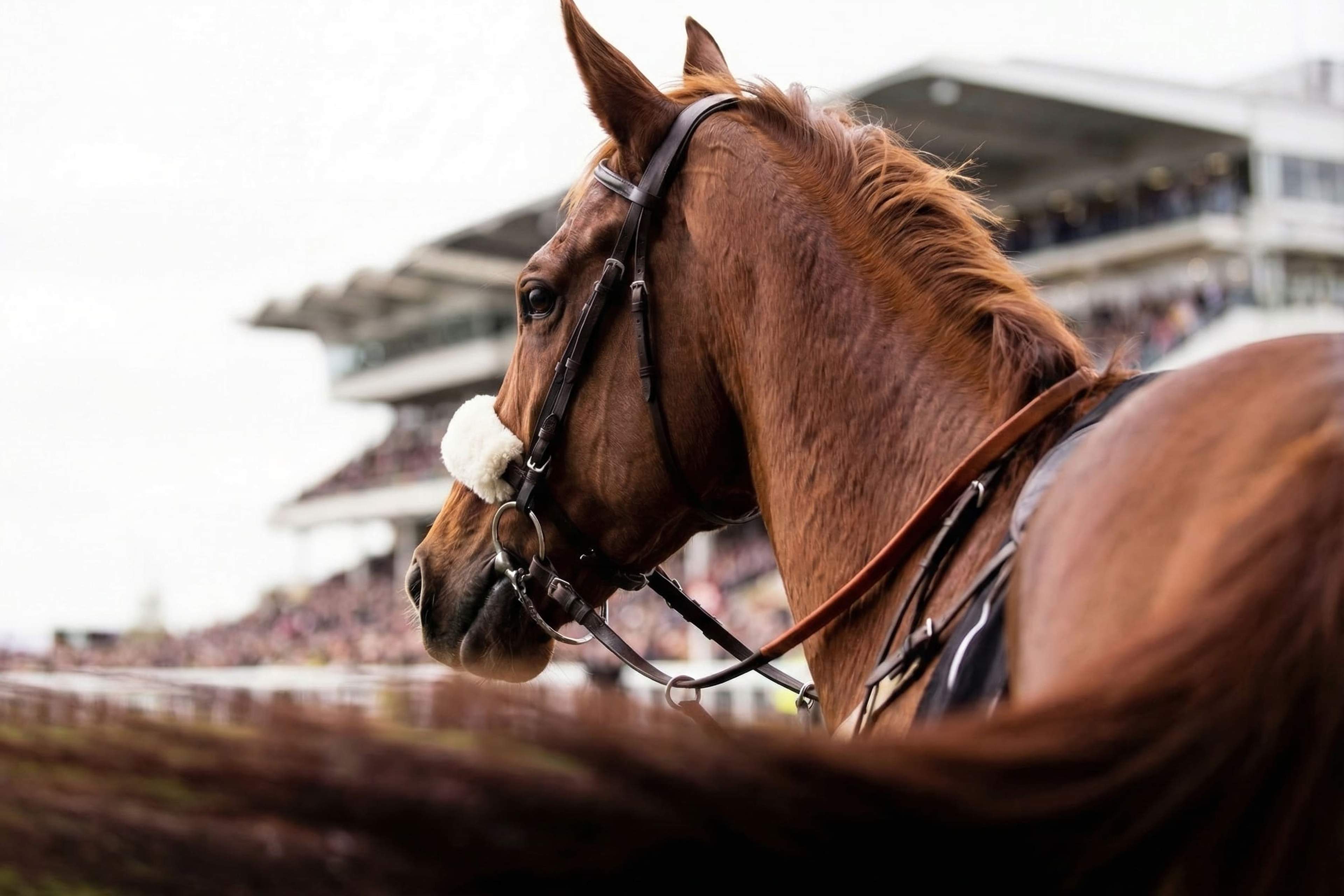
Racing first came to Prestbury Park in 1831, and steeplechasing came to the present course in 1898. Jump racing is run over hurdles and fences, mostly through the autumn and winter. The Festival in March is where its championship races are run.
The Gold Cup arrived in 1924. It was devised as a championship for the best steeplechasers at a time when most of the big races were handicaps, in which the better horses carry more weight to even out the field. The first winner was a five-year-old called Red Splash. A steeplechase is run over fences, which are bigger and stiffer than hurdles, and the Gold Cup takes the field over a little more than three and a quarter miles.
The Festival’s Tuesday is Champion Day, named after the Champion Hurdle, and Wednesday is Ladies Day. Thursday is St Patrick’s Thursday, for the Irish horses, trainers and racegoers who make up so much of the week. Friday is Gold Cup Day.
The finish is uphill. After the final fence the horses climb the run-in to the winning post, and the grandstands face that climb, so the end of every race plays out in front of the stands.
A day at the Cheltenham Festival with us can be spent in one of four places. The Final Fence Restaurant is on the second floor, with a balcony over that last fence. Lunch is a four-course buffet, with a glass of Champagne to start, afternoon tea later and a complimentary bar from the first race to the last.
Chez Roux Restaurant is on the third floor, with a balcony over the course. It serves a four-course lunch from a menu by Michel Roux Jr, with Champagne and canapés on arrival. The Long Run Box puts eight to twelve guests at a private table, with a viewing balcony directly outside the door.
The Platinum Suite is a marquee in the Courtyard, 50 metres from the Guinness Grandstand and close to the Parade Ring, where the horses are walked before each race. Its four-course lunch is served in the suite. Whichever you choose, the day includes admission for the whole day and a parking pass for every four guests.
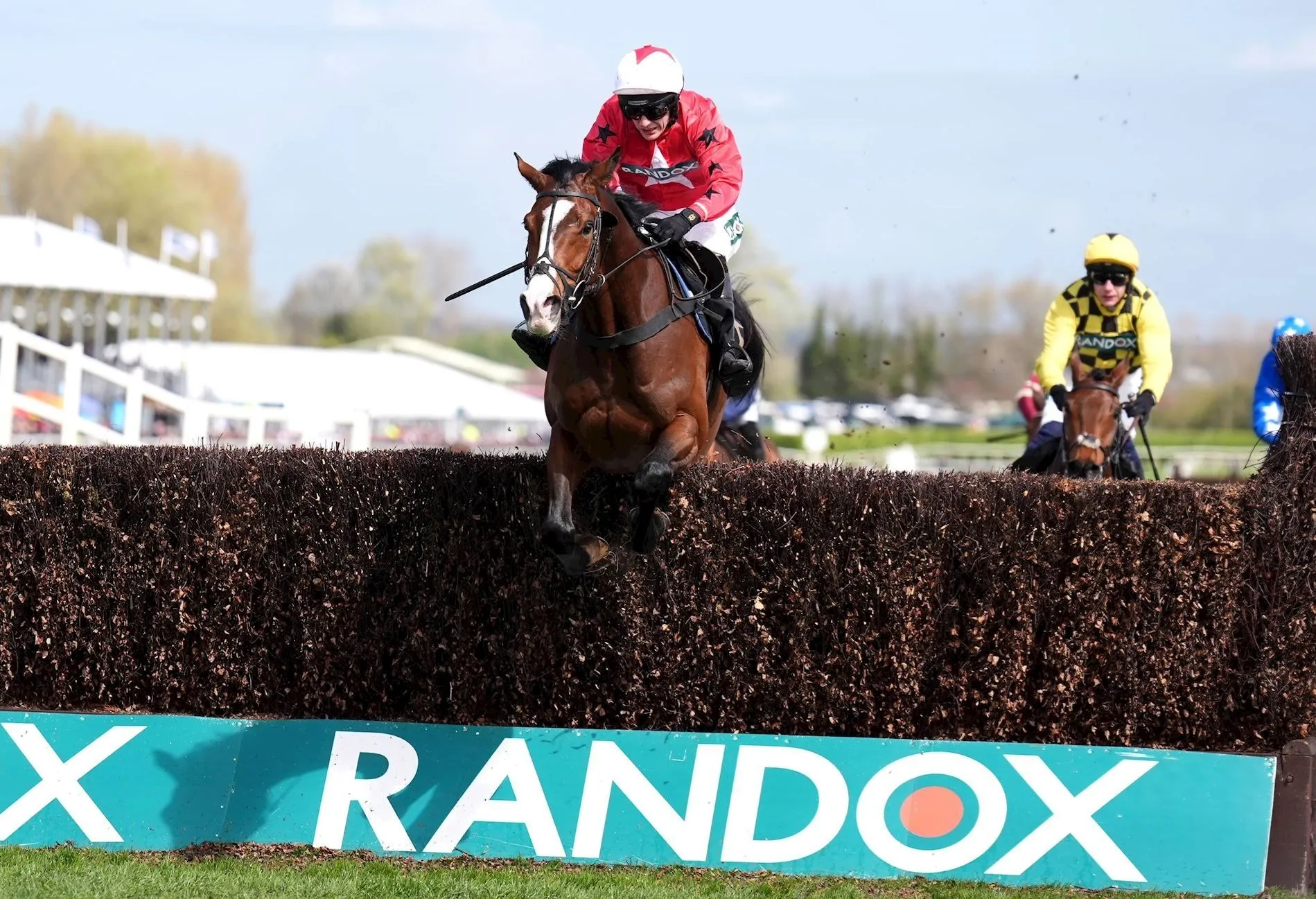
The Grand National: 30 Fences Over Two Circuits
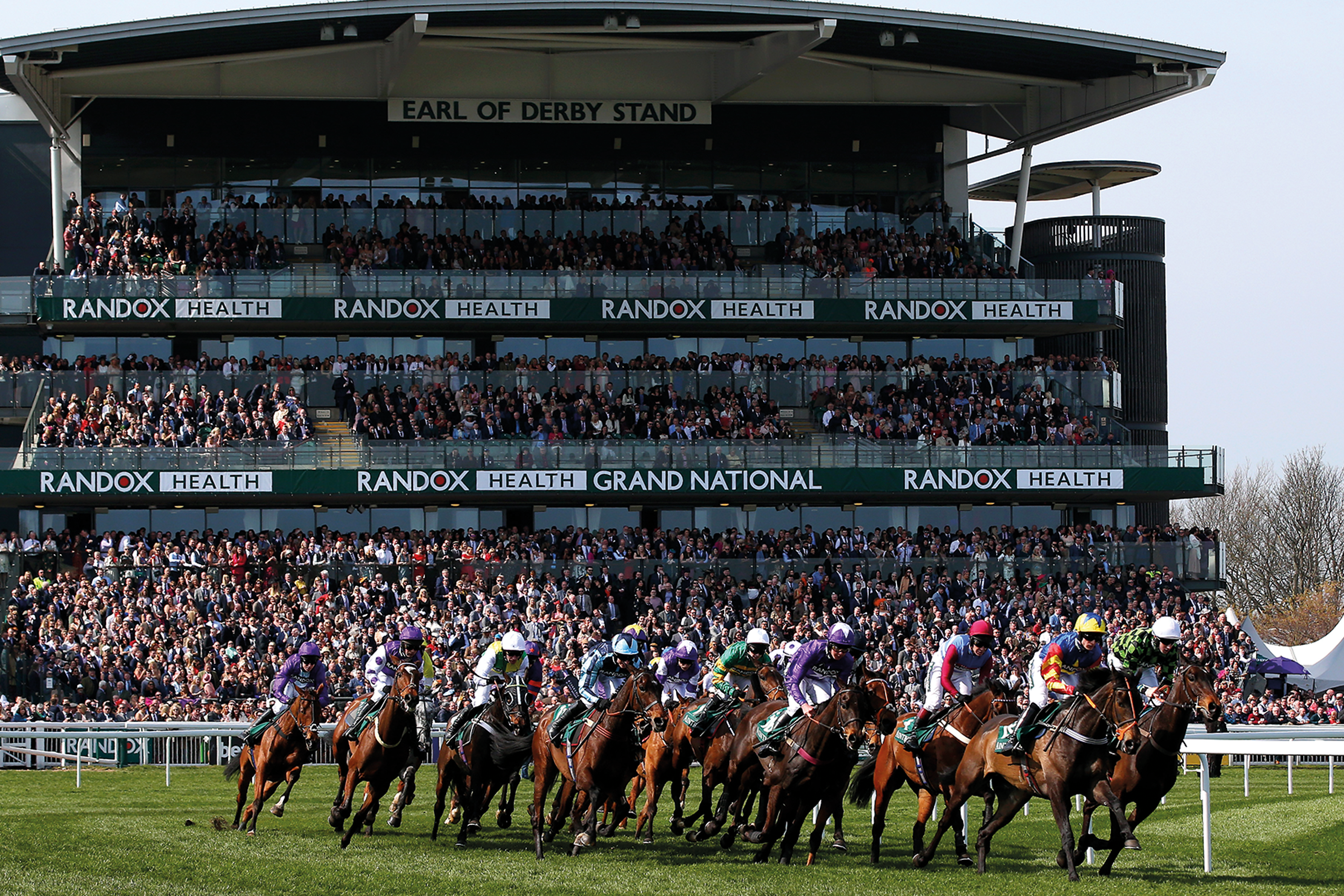
The first Grand National was run at Aintree on 26 February 1839, under the name of the Grand Liverpool Steeplechase. It was won by a horse called Lottery, ridden by Jem Mason.
Captain Martin Becher rode in that first race, came down at the sixth fence and ended up in the brook beyond it. The fence has been Becher’s Brook ever since. It is normally jumped twice in the National, as is the Canal Turn, while the Chair is jumped only once.
The race is a handicap steeplechase of about four and a quarter miles, with 30 fences across two circuits of the course. Red Rum won it in 1973, 1974 and 1977, and was second in the two years between. He is buried by the winning post. Tiger Roll, in 2018 and 2019, was the first horse since Red Rum to win it in consecutive years.
Aintree’s meeting runs over three days, from Thursday 8 to Saturday 10 April in 2027, and the National itself is run on the Saturday.
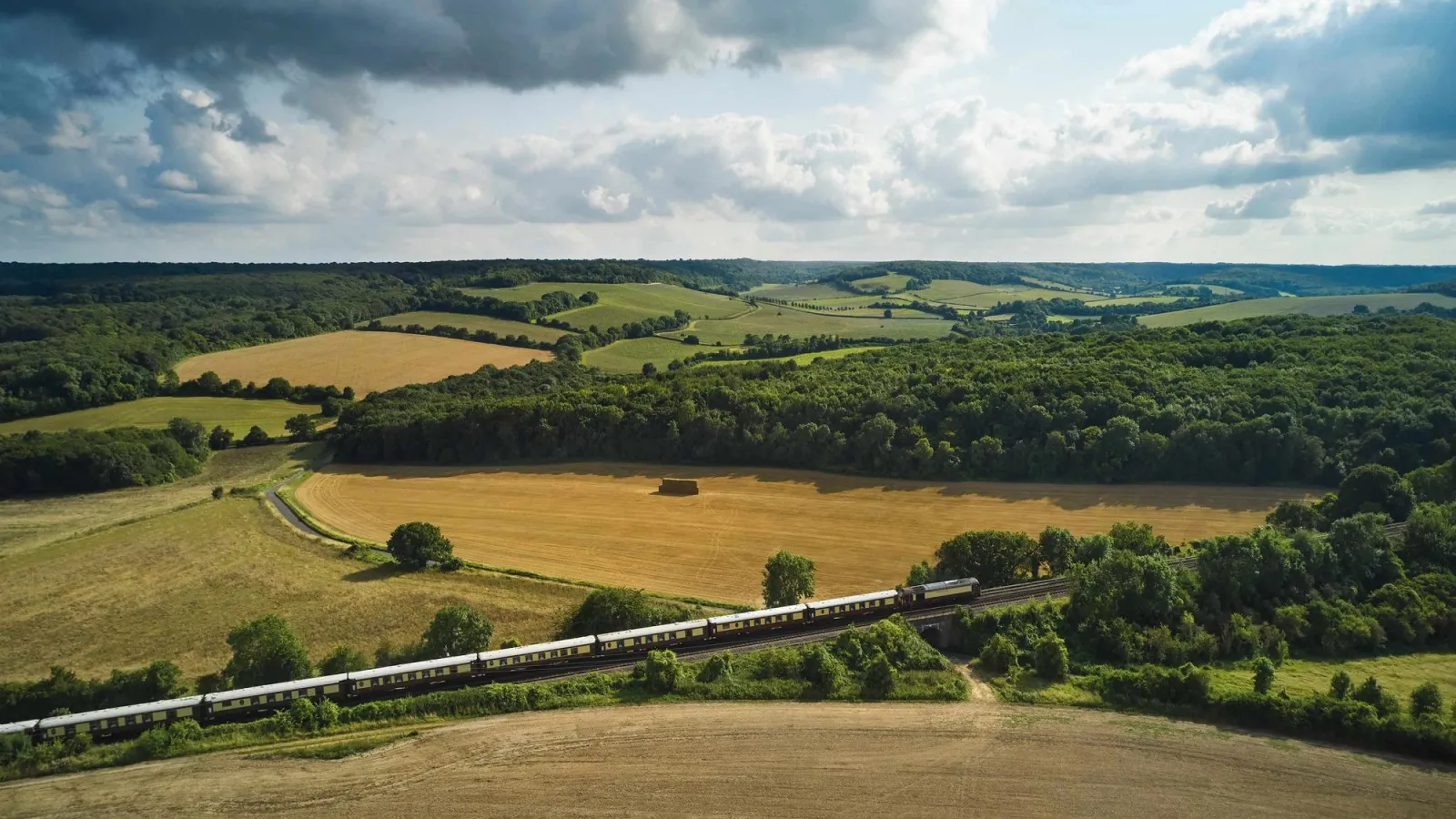
With us, a day at the Grand National can start in London. The British Pullman, Belmond’s train of restored Pullman carriages, takes you north with a sparkling Bellini as you board and a three-course brunch on the way. Coaches meet the train in Liverpool. On the way home there is a glass of Champagne and a five-course dinner, with half a bottle of wine each and petits fours to finish.
At the course, the Tiger Roll Suite sits beside the Red Rum Garden and looks over the Parade Ring. On Grand National Day its lunch is four courses, with a cream tea later and a complimentary bar. The Papillon Restaurant has a balcony over the course and the Parade Ring, and an à la carte lunch of four courses. The Silver Birch Restaurant looks straight over the start and the home straight, with live music through lunch and an after party once the last race is run.
Papillon won the National in 2000 and Silver Birch in 2007, so all three rooms share a name with a winner of the race.
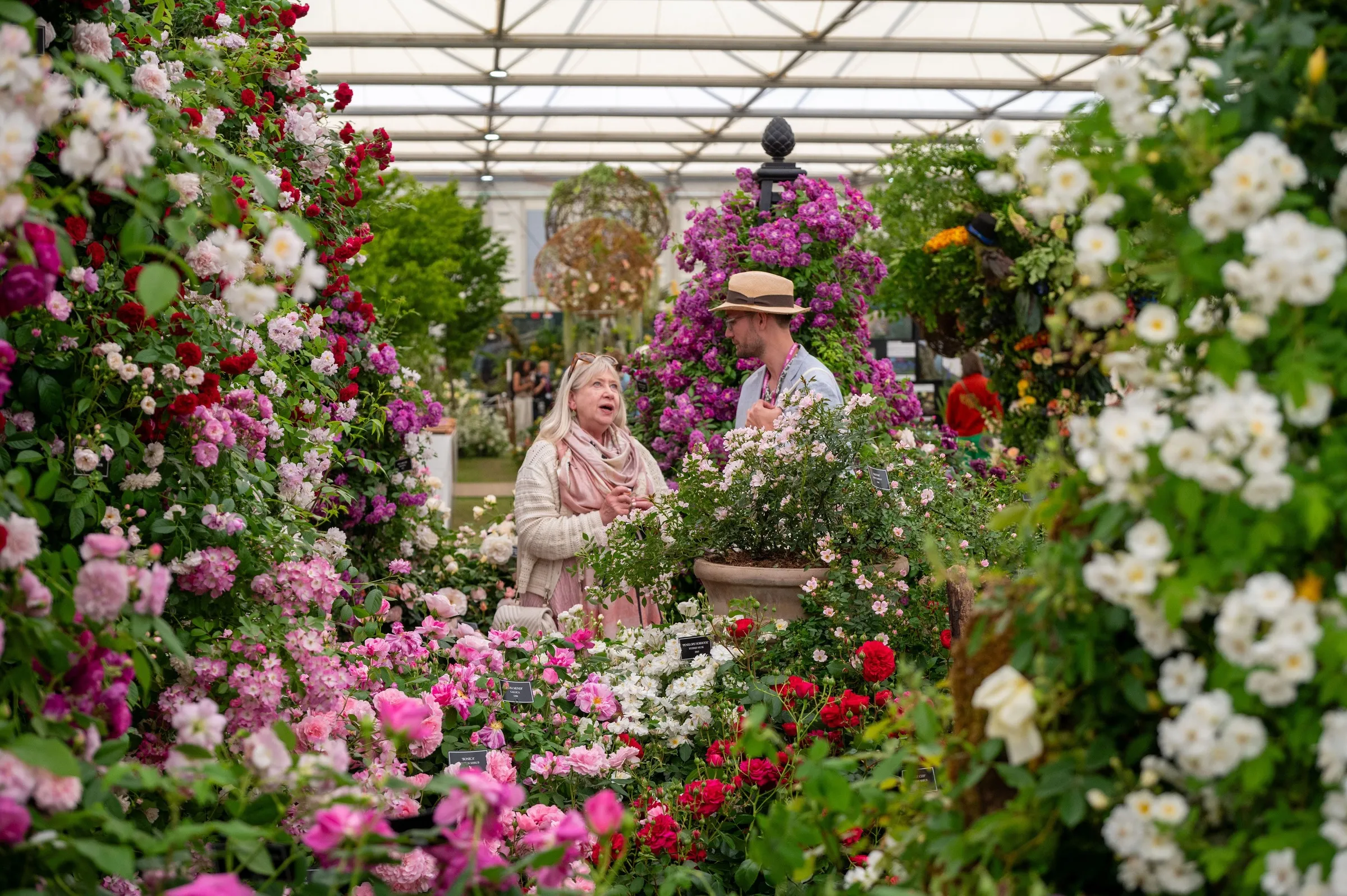
The Chelsea Flower Show at the Royal Hospital
The Royal Horticultural Society held its first Great Spring Show in 1862, at its garden in Kensington, and later moved it to the Temple Gardens beside the Thames. In 1913 it came to the grounds of the Royal Hospital Chelsea, home of the Chelsea Pensioners, the army veterans who live there. It has been held there every year since, apart from the two world wars and 2020.
That first show at Chelsea ran for three days under a single marquee. The show now runs for five, from Tuesday 18 to Saturday 22 May in 2027, and the first two days are for RHS members. The RHS releases around 150,000 places across the week. The 2026 show sold out before it opened, for the first time since before the pandemic.
The show gardens are built on site in the weeks beforehand and judged for RHS medals, and the Great Pavilion holds the nurseries’ displays. On Friday 21 May the showground stays open until 10pm for Chelsea Late. On the Saturday afternoon a bell starts the Great Plant Sell Off, and visitors leave carrying armfuls of the plants from the displays.
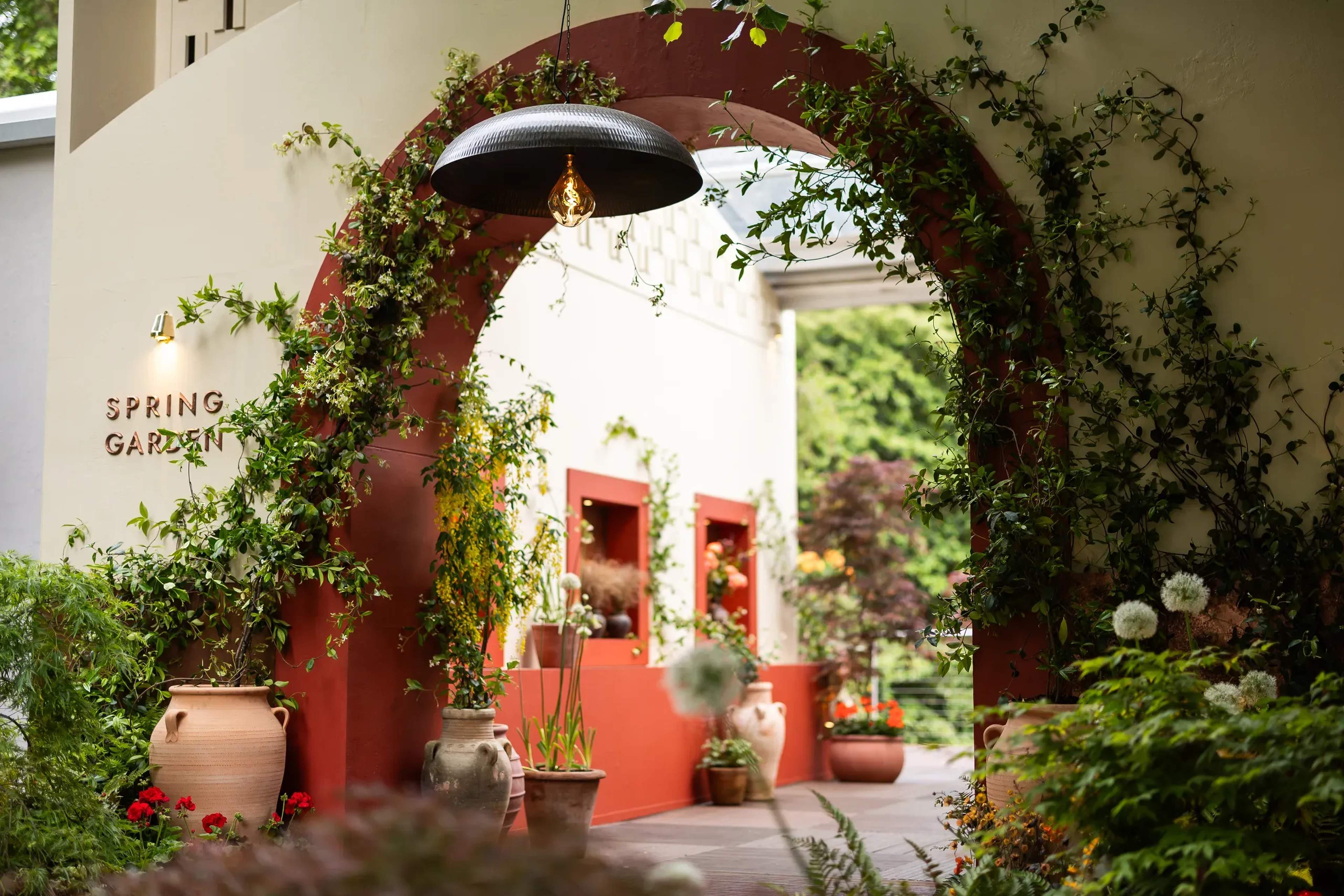
A day at the Chelsea Flower Show with us is spent in the Spring Garden. It is run by Alison Price and Company, part of the Eventist Group, and 2027 is its fifth year at the show. Its chef patrons are Jeremy Chan and Max Coen. Chan’s restaurant Ikoyi holds two Michelin stars, and Coen was the chef who won Dorian its Michelin star.
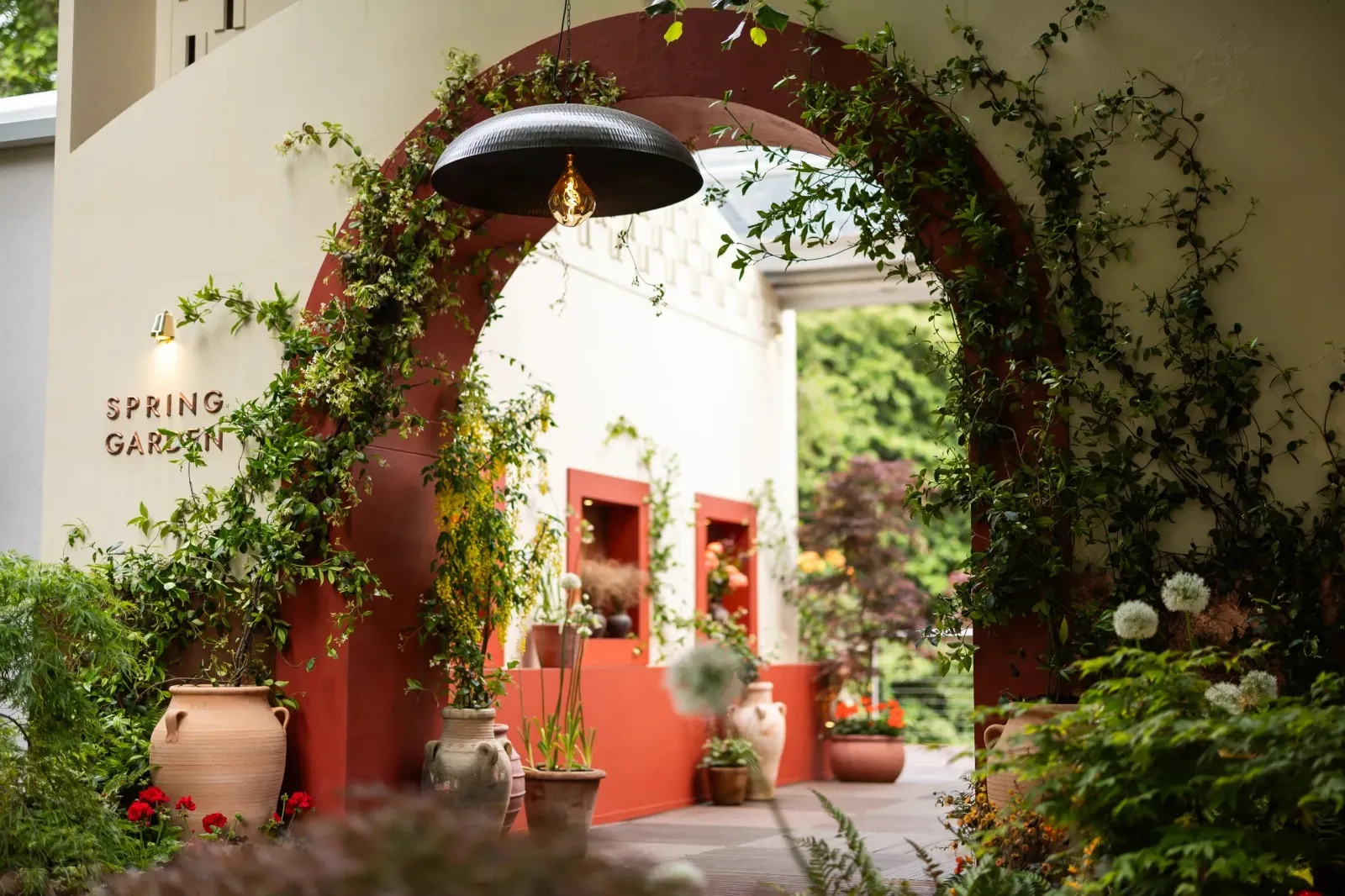
Spring Meridian is the daytime option, from 8am to 5pm on all five days. Breakfast comes with brunch cocktails, lunch is four courses and afternoon tea arrives with a gelato cart, with barista coffee and the garden bar’s Champagne and cocktails in between.
Spring Nocturne is the evening option, from 3.30pm to 10pm, Tuesday to Friday. You have the showground from half past three, and the Spring Garden opens at six for drinks and bar snacks on the terrace, a Champagne and canapé reception and a four-course dinner by candlelight.
Tables seat between two and twelve, there is live entertainment and a private cloakroom, and garden hosts run perfumery and flower crown workshops. There is no formal dress code.
The Derby, Run on Epsom Downs Since 1780
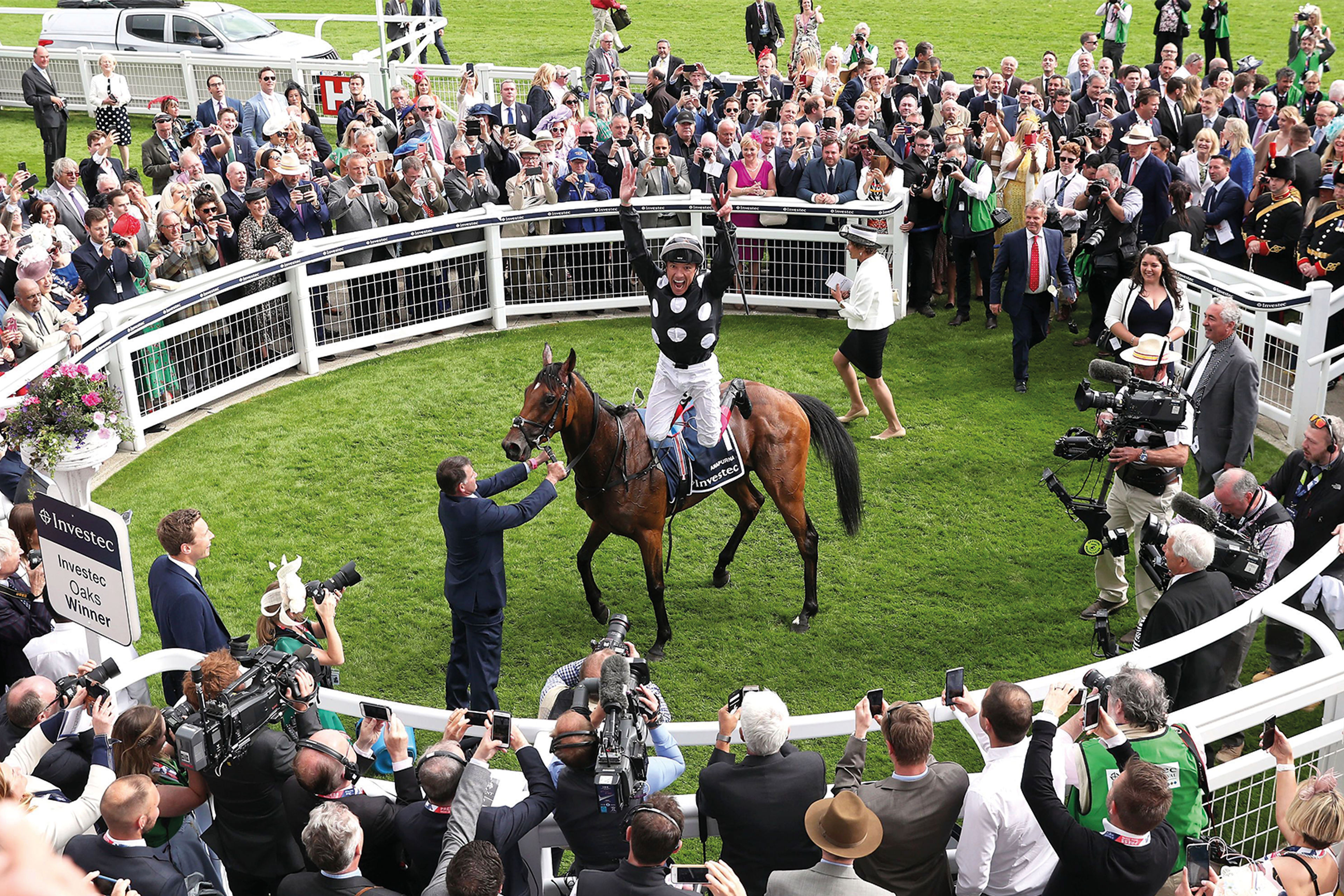
The Derby was dreamt up at a party. In May 1779 the 12th Earl of Derby’s filly Bridget won the first Oaks, a race named after his house nearby, and at the celebration afterwards it was decided to hold a new race the following year. Flat racing is run without obstacles, and the Oaks and the Derby are two of Britain’s five classics, the long-established Flat races for three-year-olds.
The first Derby was run on 4 May 1780 and won by Diomed, owned by Sir Charles Bunbury. The story goes that Lord Derby and Bunbury tossed a coin to name the race, and that the Bunbury Stakes lost. It was lengthened to a mile and a half in 1784, and it is still run over about that distance. On the way round, the runners come down through Tattenham Corner, the downhill left-hand bend into the home straight.
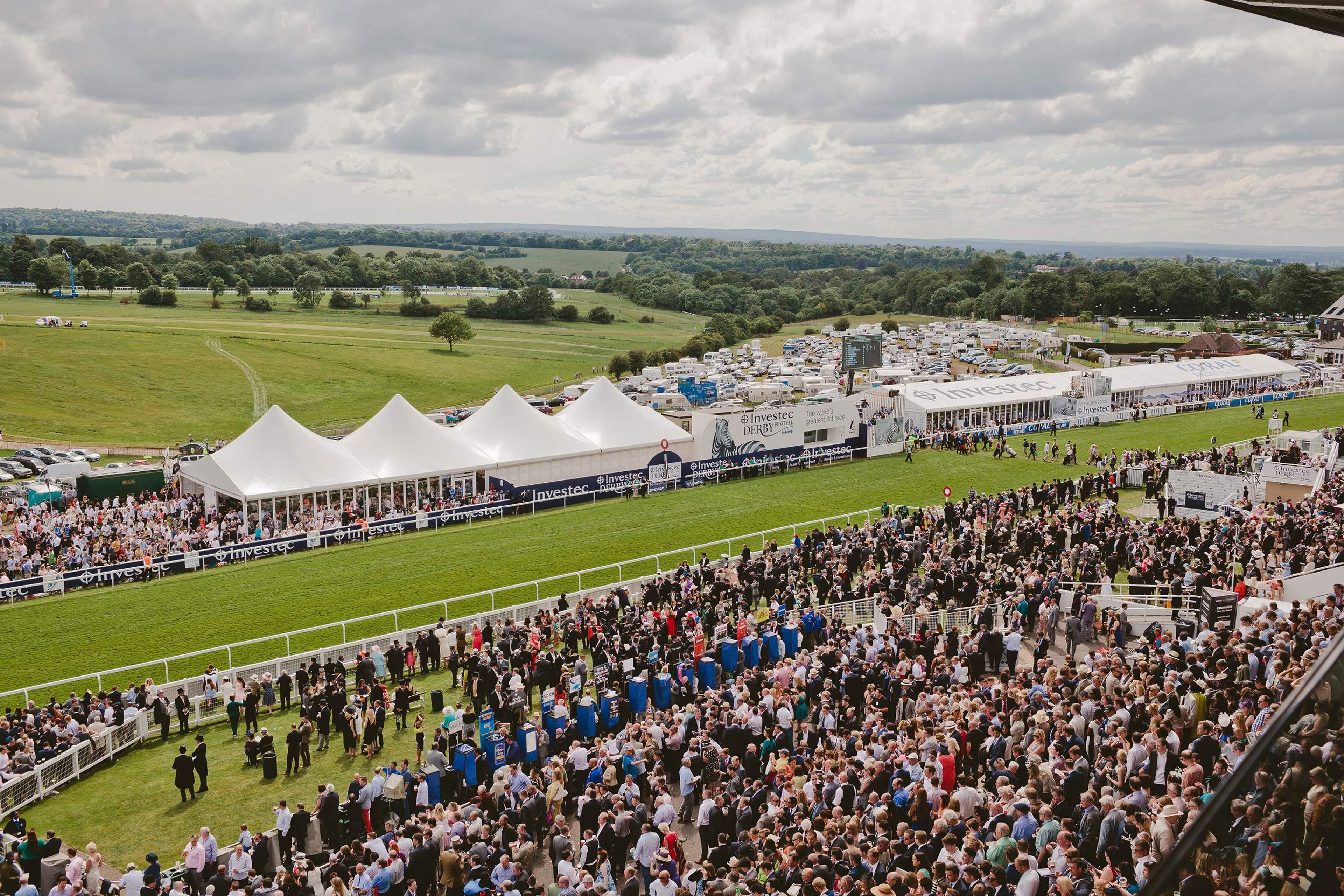
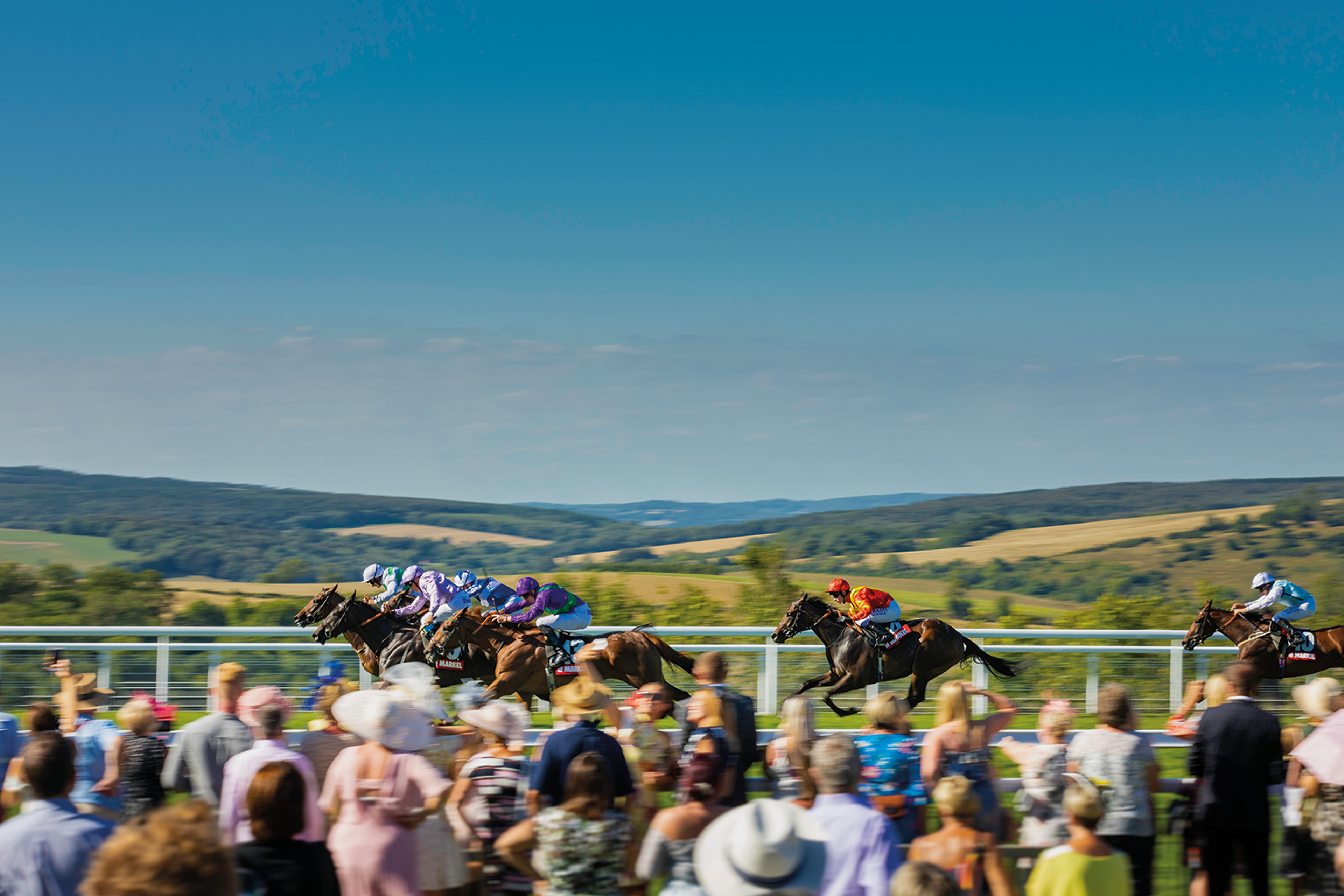
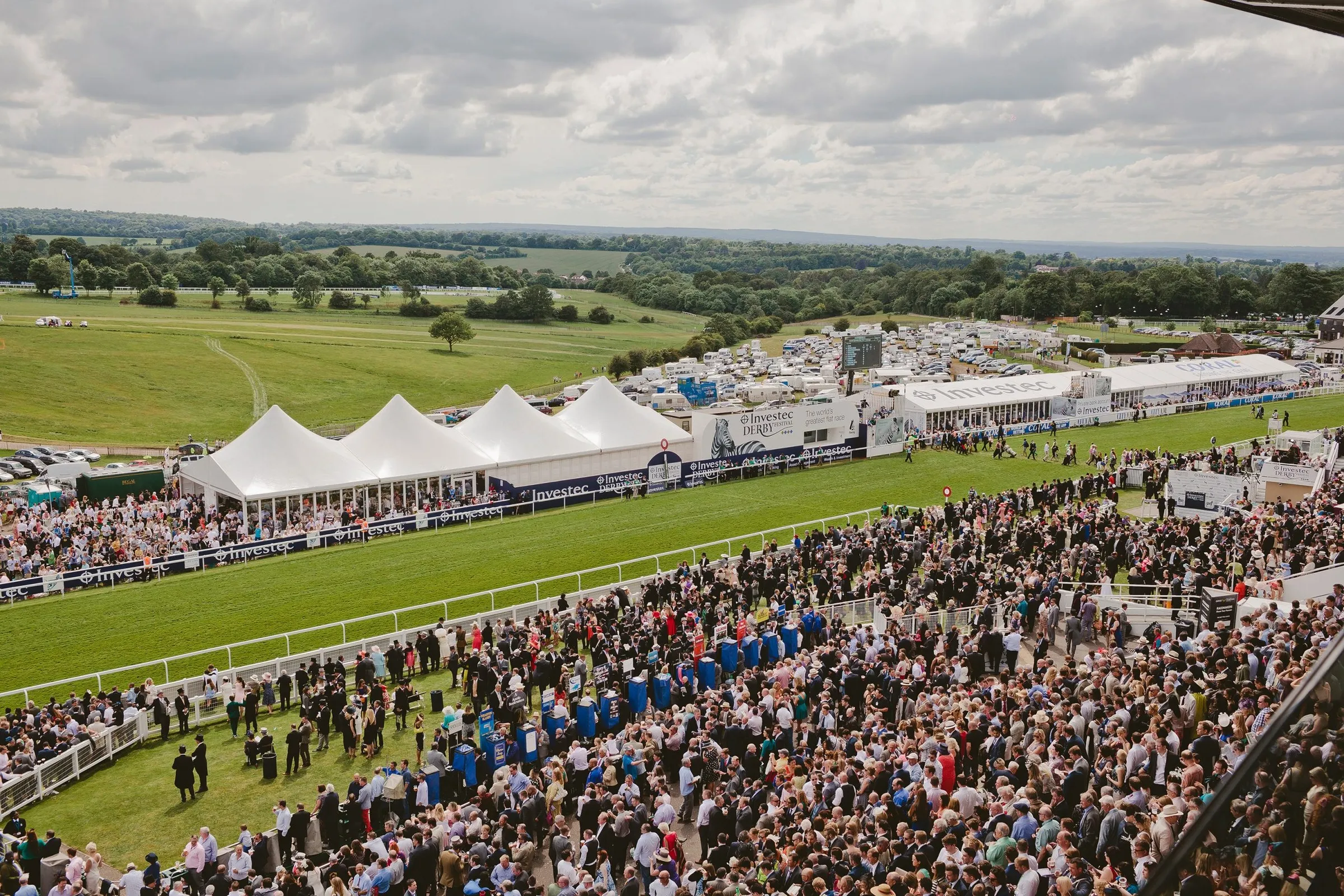
The Derby Festival is two days. Friday 4 June 2027 is Ladies Day, when the Oaks is run, and Saturday 5 June is Derby Day. The course crosses open downland. In the middle of it is the Hill, which is free. On Derby weekend it fills with open-top buses, picnics, a market and a funfair.
With us, you watch the Derby Festival from the Tattenham Straight Marquee, a glass-fronted marquee with a private terrace beside the final furlong. A furlong is an eighth of a mile, so the final furlong is about the last 200 metres of the race.
The day starts with a Pimm’s reception and a three-course Best of British lunch before the racing. Afternoon tea follows, the bar is inclusive, and a tipster is on hand through the card. Tables seat ten, and smaller parties share. Your admission covers the Grandstand and Tattenham Enclosures, so you can walk to the Paddock and the betting ring between races.
Royal Ascot and the Royal Procession
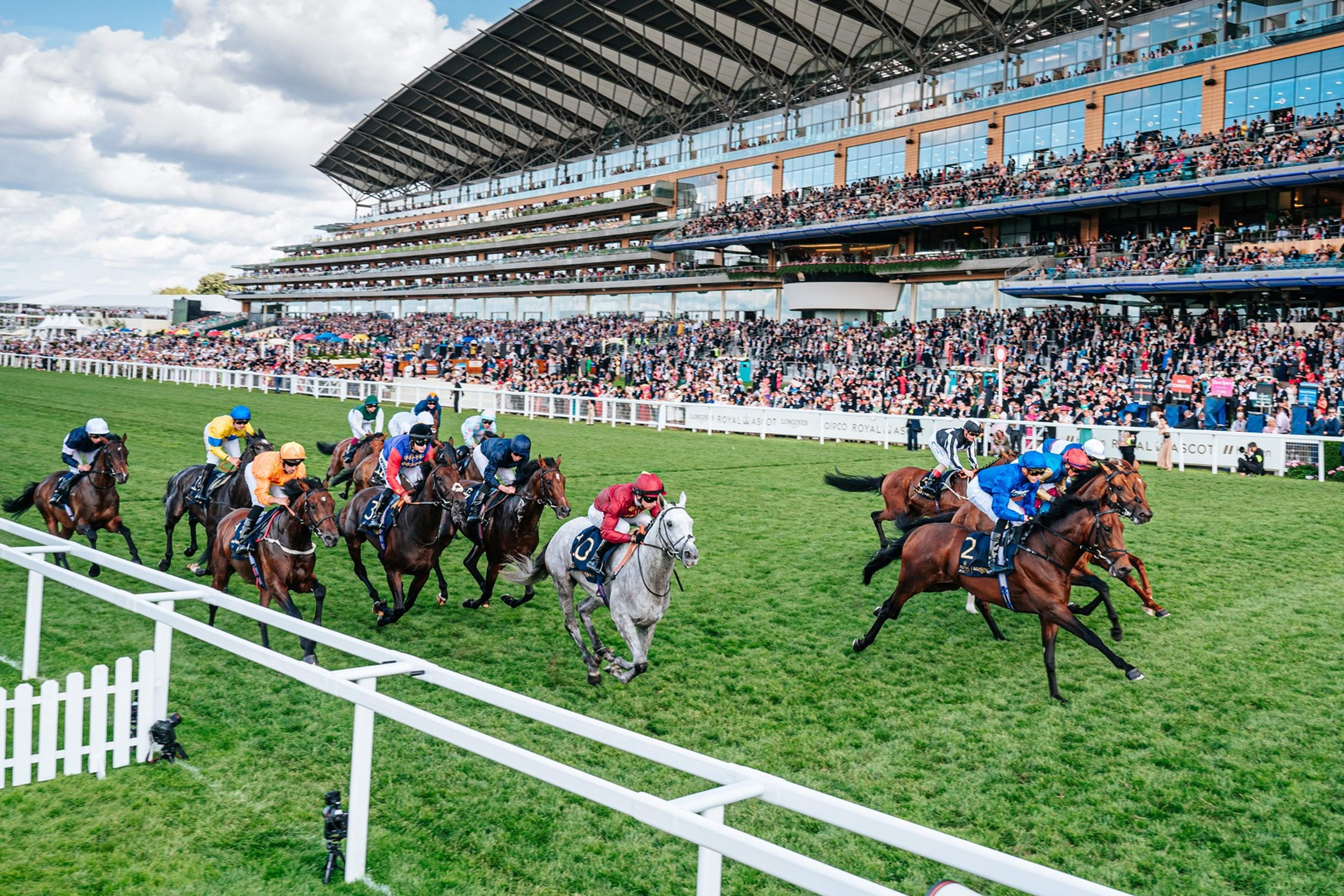
Ascot exists because of Queen Anne. In 1711, while staying at Windsor, she rode out across an open stretch of heath she judged suitable for racing. The first meeting there was held on 11 August that year.
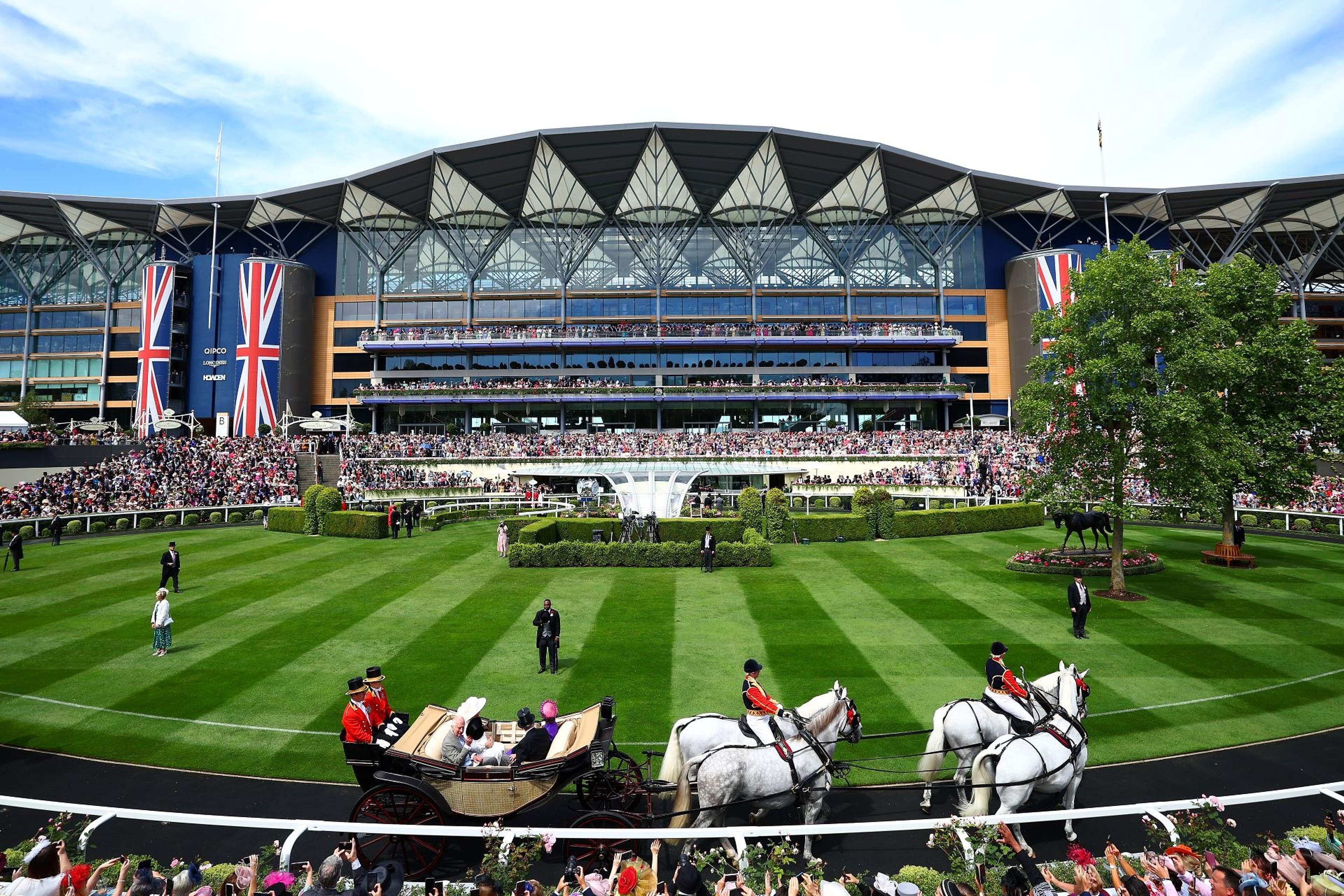
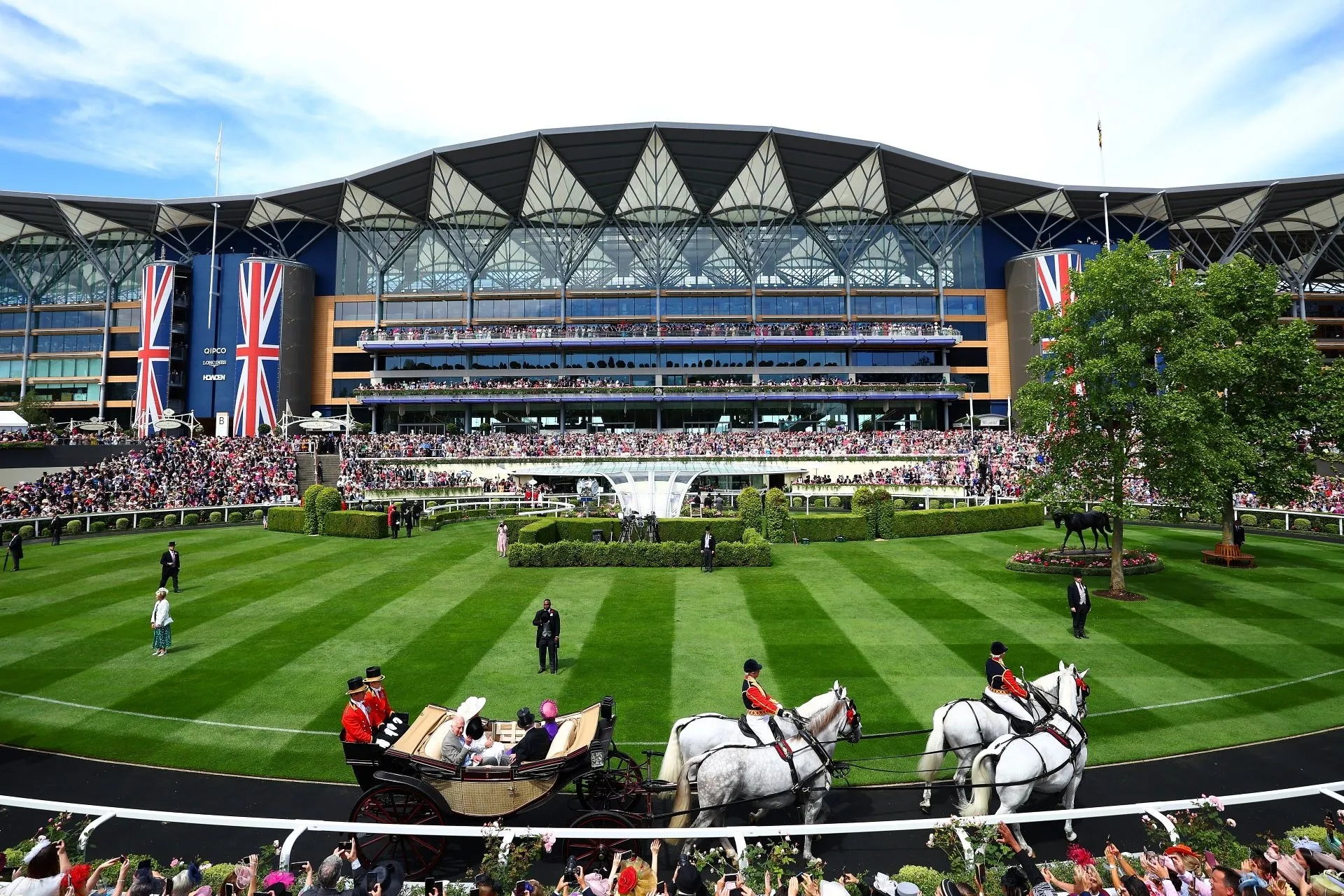
The Royal Procession began in 1825, when George IV led four other carriages up the Straight Mile, and it still opens each day of the Royal Meeting. The royal party arrives in open, horse-drawn landaus, the first of them drawn by four Windsor Grey horses. The carriages come along the course to the stands before the first race. The meeting has run over five days since 2002.
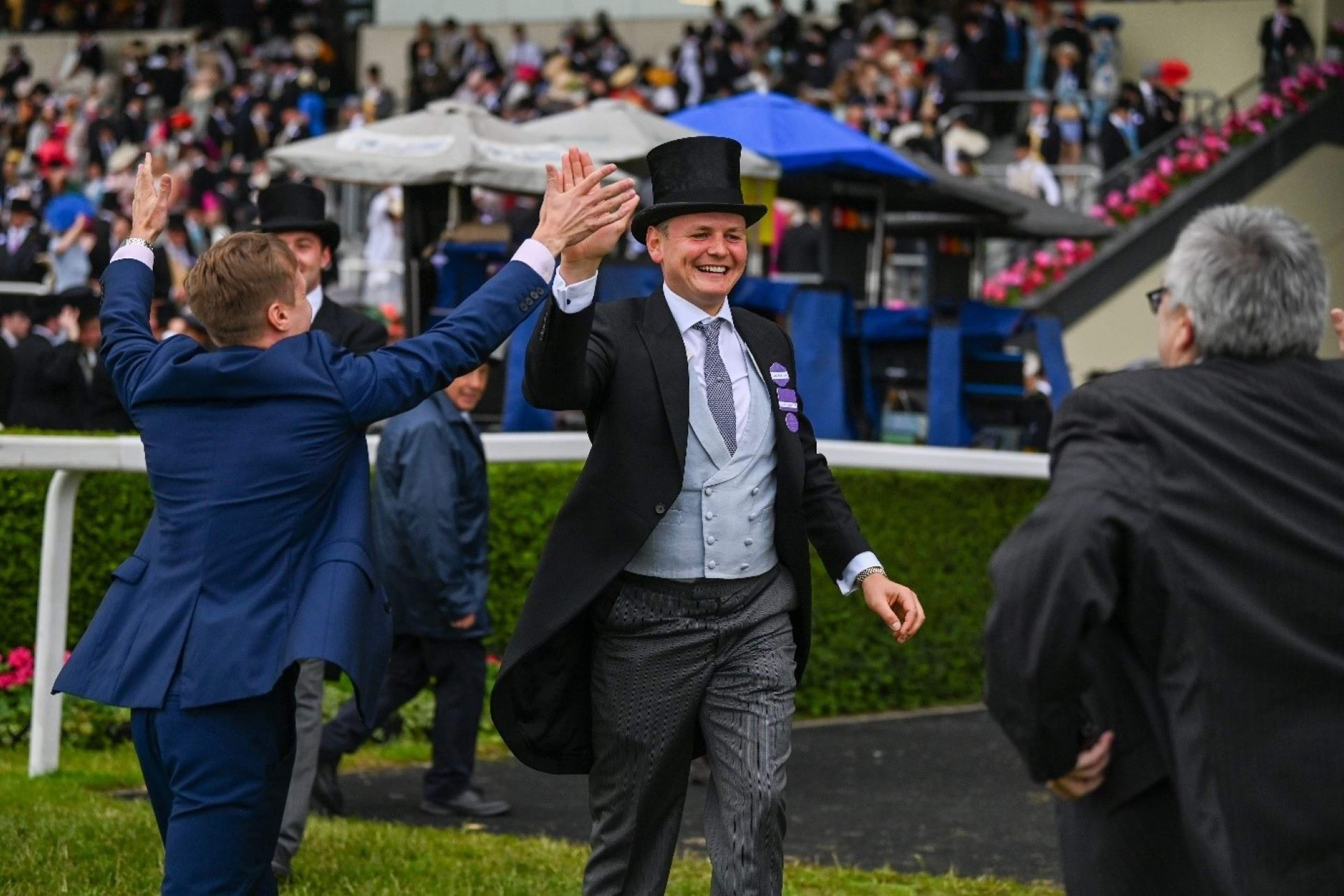
Thursday is Ladies Day, when the Gold Cup is run over two and a half miles. The dress code changes from enclosure to enclosure. Women wear a hat or headpiece in the Royal, Queen Anne and Village Enclosures. Men in the Royal Enclosure wear morning dress, a tailcoat with a waistcoat and top hat. After the last race each day, the crowd in the Queen Anne Enclosure gathers round the bandstand to sing along with the band.
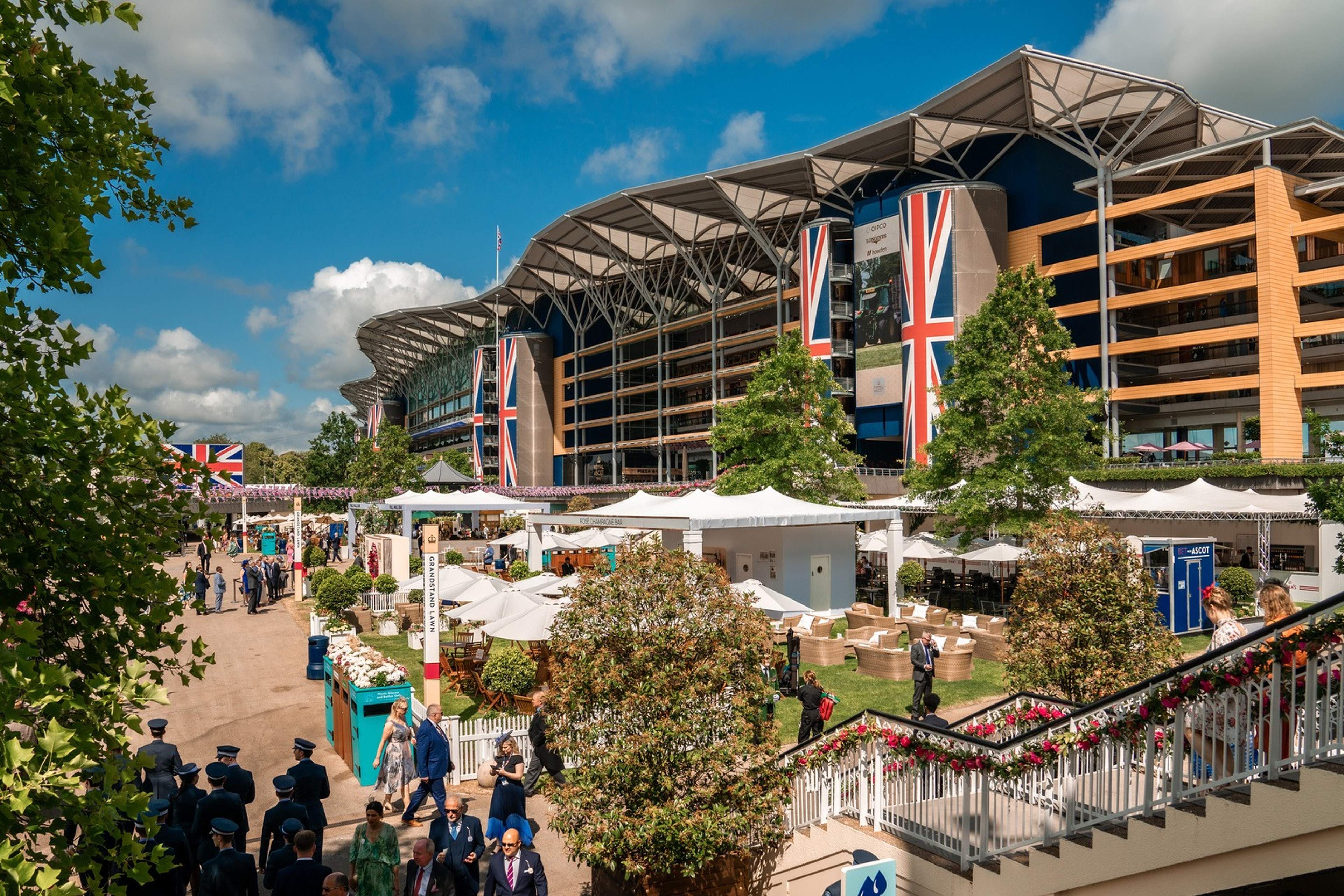
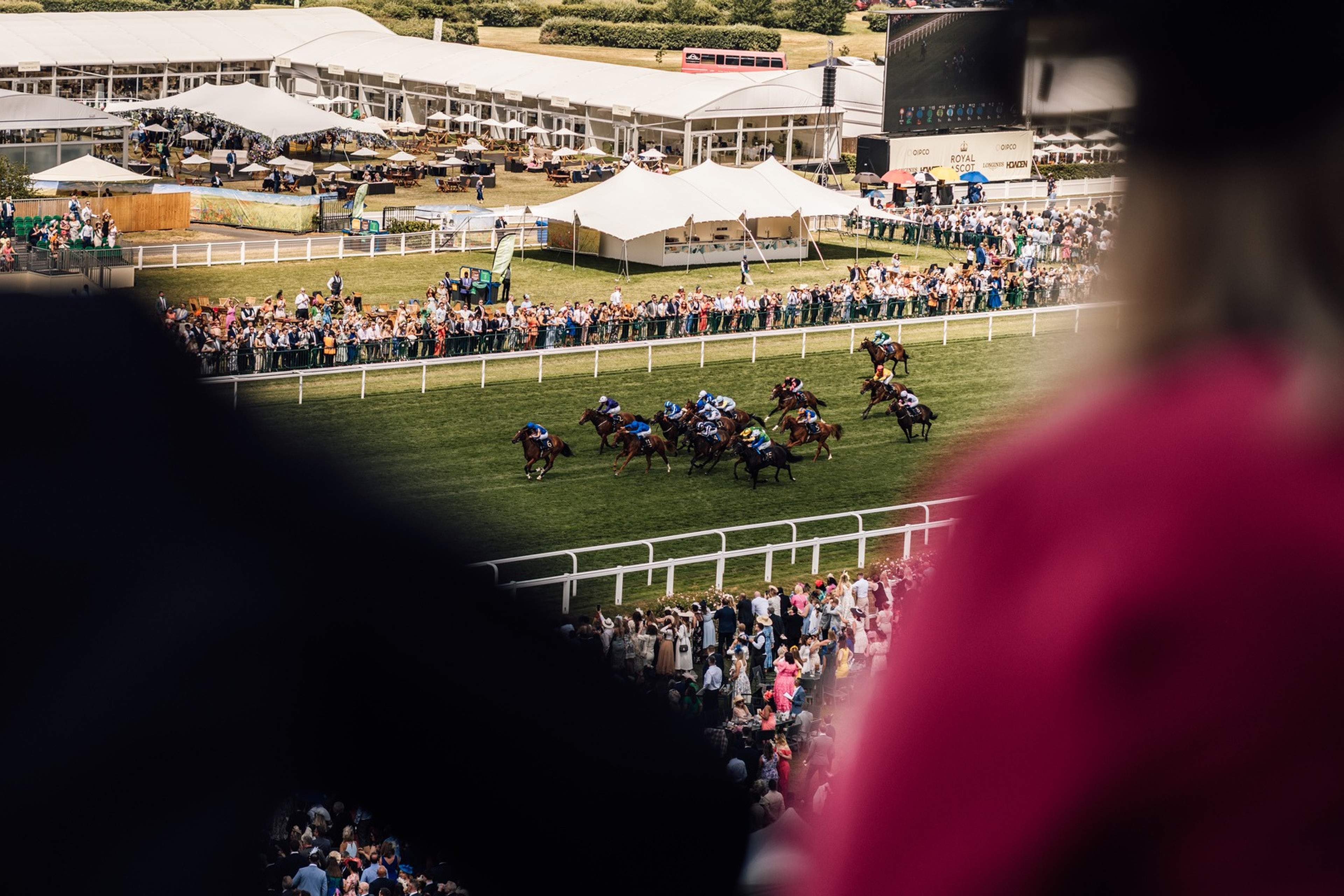
Royal Ascot is where we have the most choice, with eight places across the course. The Lawn Club is a marquee with a decked terrace over the home straight, for the Royal Procession and the racing. The Gallery faces the track 300 metres from the winning post, with a veranda over the home straight. A Private Box gives your group a room of its own for ten to fourteen, with a private bar, a dining area and a balcony. The Pavilion Restaurant seats ten to twelve at a table, with a three-course seasonal lunch and afternoon tea.
Higher up the Grandstand, On-5 has floor-to-ceiling windows on the fifth floor. The Panoramic Restaurant, on the sixth, comes with Royal Enclosure badges and so with the Royal Enclosure’s morning-dress code. The Furlong Restaurant serves lunch with chefs’ stations alongside, and afternoon tea with a glass of Champagne. The Restaurant in the Village sits in the centre of the course, with hot air balloons hung from the marquee roof and access to the Village Enclosure’s after party.
Most of the options include the Queen Anne Enclosure, which is where the bandstand is. Our own team is on the course every day, along with a resident tipster, race cards and the racing papers.
Wimbledon From a Debenture Seat
The first Championships were played in July 1877 at the club’s ground on Worple Road. There was one competition, the gentlemen’s singles, and 22 players entered it. Spencer Gore won, and around 200 people watched the final.
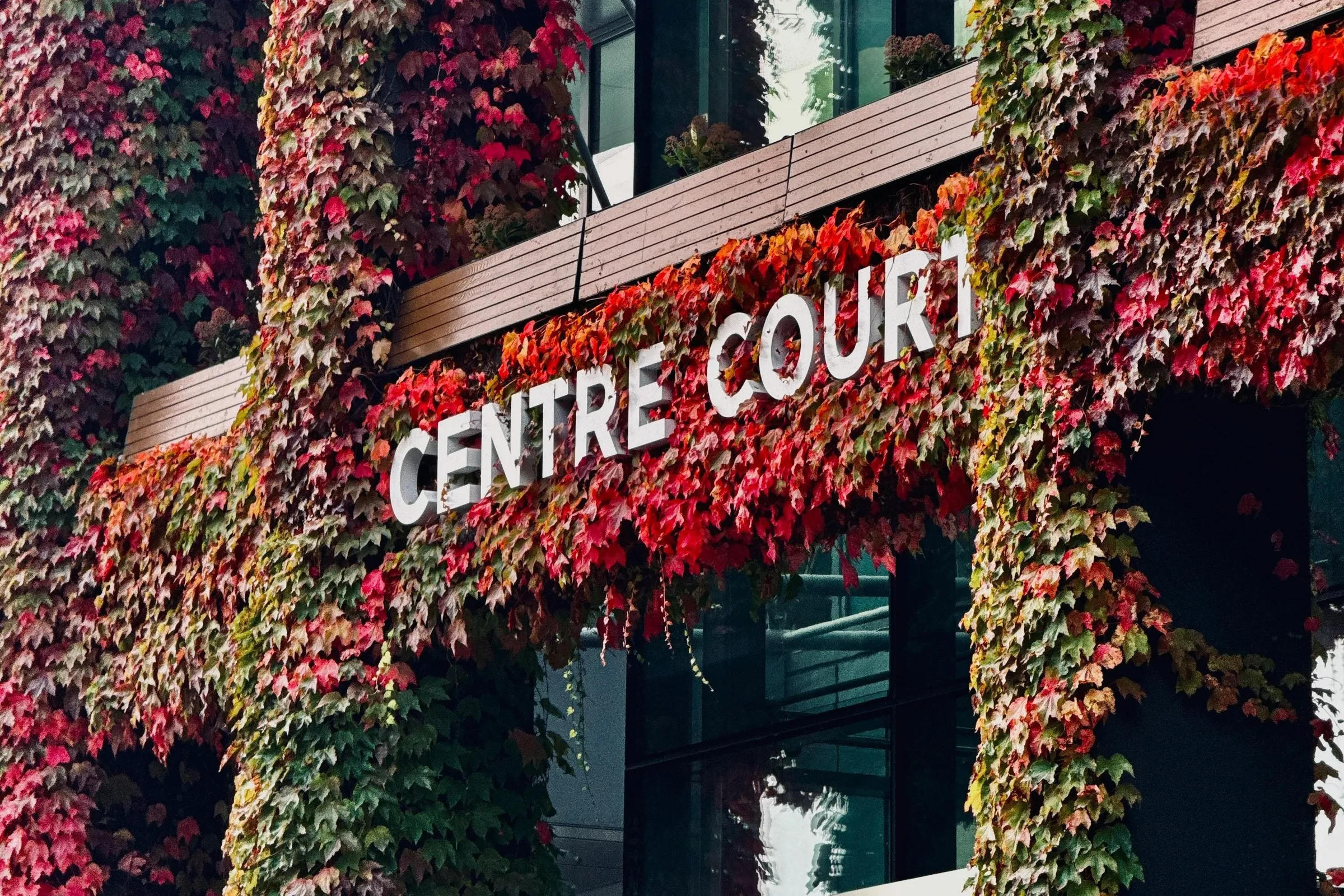
By 1922 the club had moved to Church Road, where it still is, and built the Centre Court there. To help pay for the move it issued its first debentures in 1920. A debenture is a five-year bond. Each Centre Court debenture carries a seat for every day of The Championships for those five years, and Centre Court has 2,520 of them.
Debenture seats are the only Wimbledon seats that may be sold on, which is why they are the seats we offer.
The Championships run for a fortnight, provisionally from Monday 28 June to Sunday 11 July in 2027, with the ladies’ singles final on the Saturday and the gentlemen’s on the Sunday. Centre Court has had a retractable roof since 2009, and No.1 Court since 2019, so play on both can carry on through rain.
With us, you have a reserved debenture seat on Centre Court or No.1 Court, on any day from the first round to the gentlemen’s singles final. The seat is yours for every match scheduled on that court that day, so you watch the whole programme from the same place.
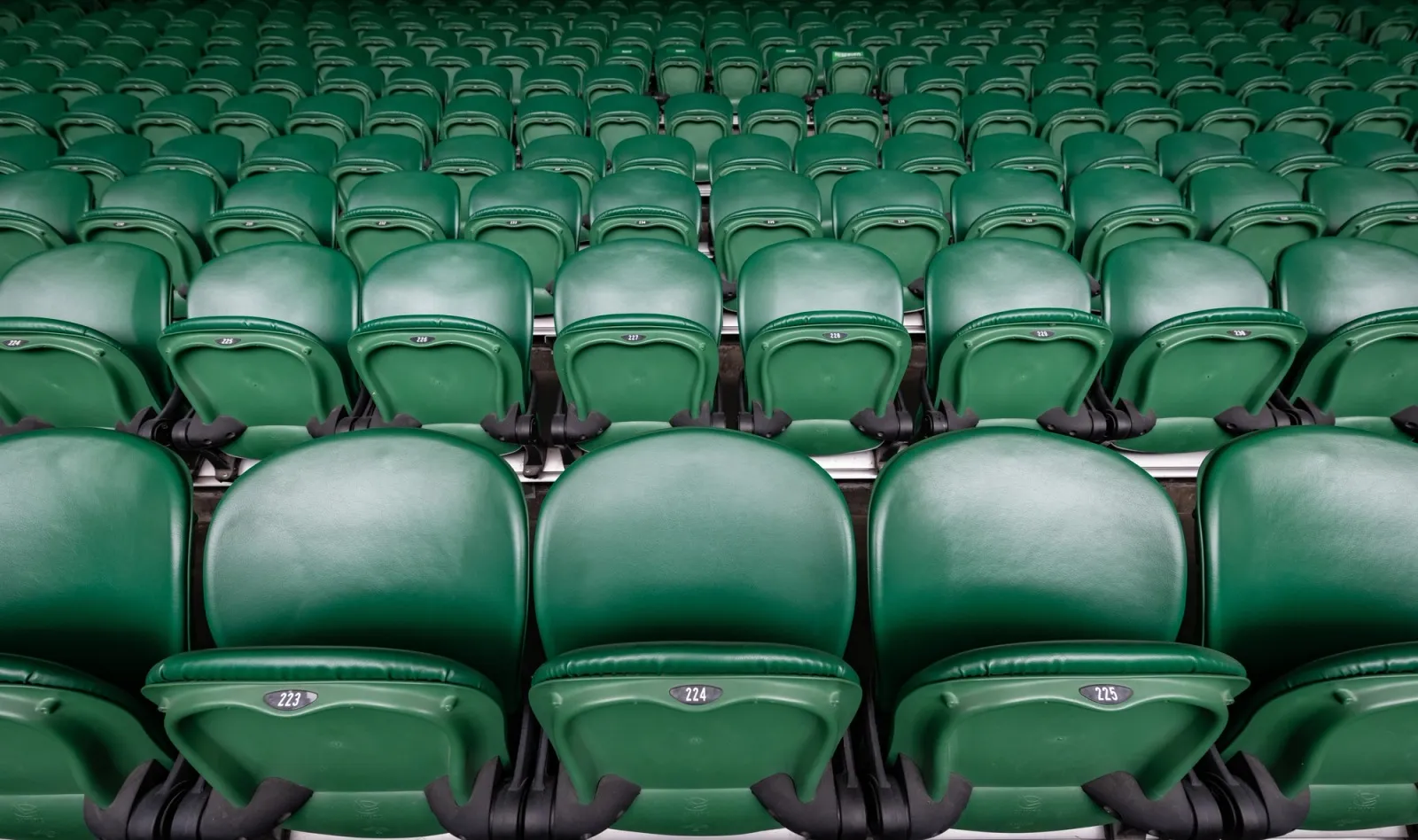
We transfer the seats to the lead guest’s myWimbledon account before the day, and the debenture entrance is at Gate 4.
Henley Royal Regatta, Two Crews at a Time
Henley’s first regatta, in 1839, was staged by the Mayor and people of the town as a public attraction with a fair and other amusements. The racing took a single afternoon, and competitive rowing soon became the point of it. In 1851 Prince Albert became its first royal patron, which is where the Royal in the name comes from, and since his death in 1861 the reigning monarch has been its patron.
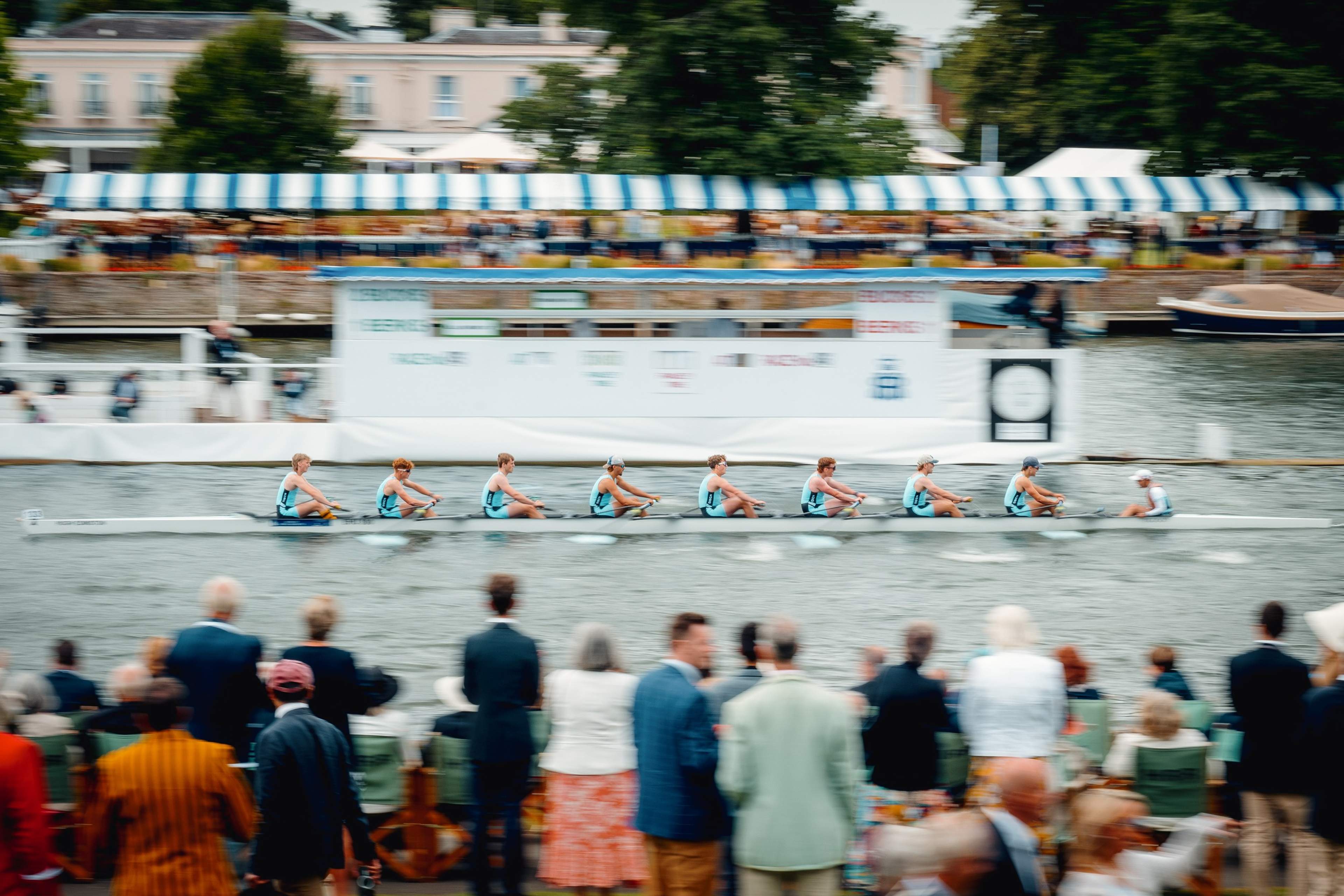
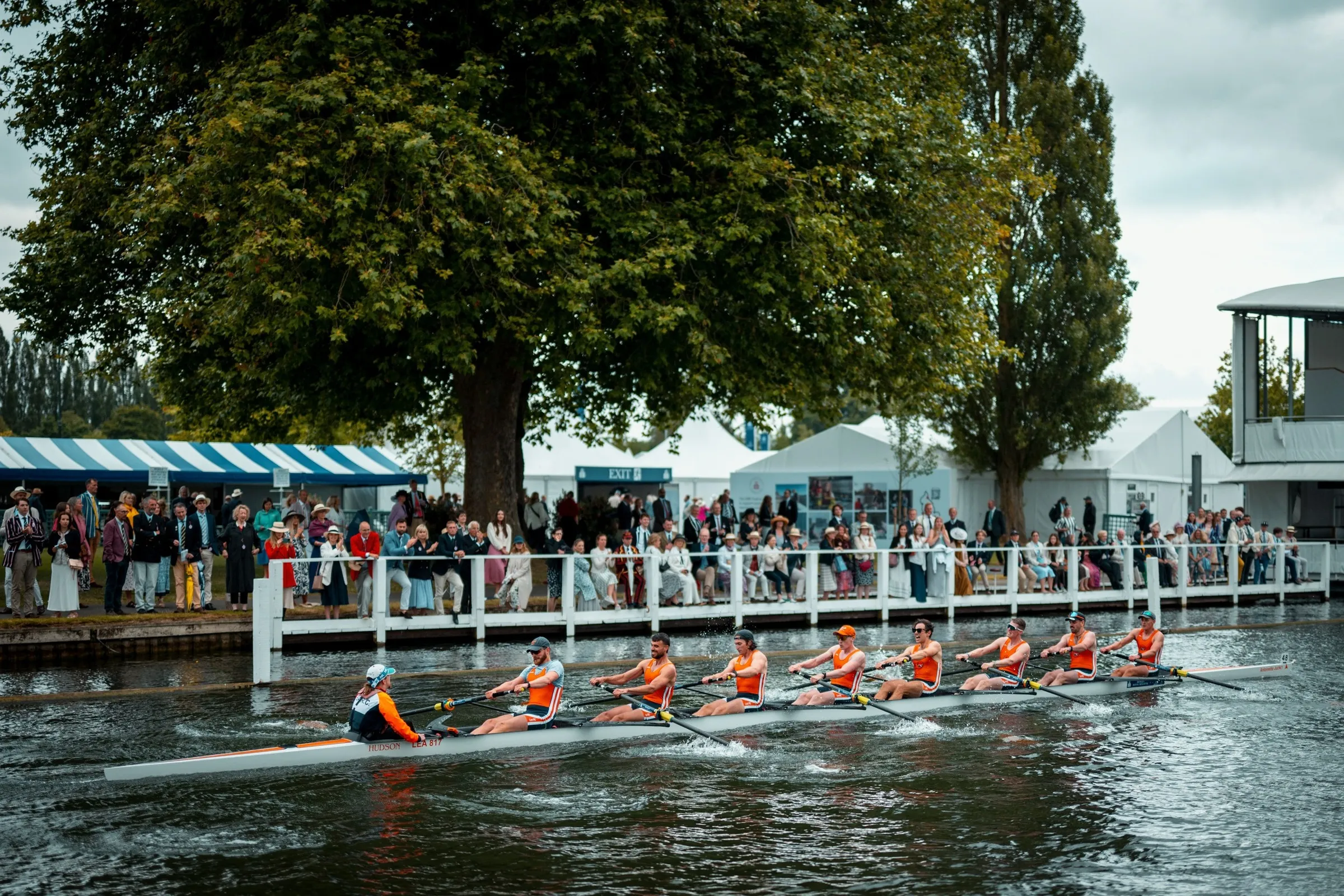
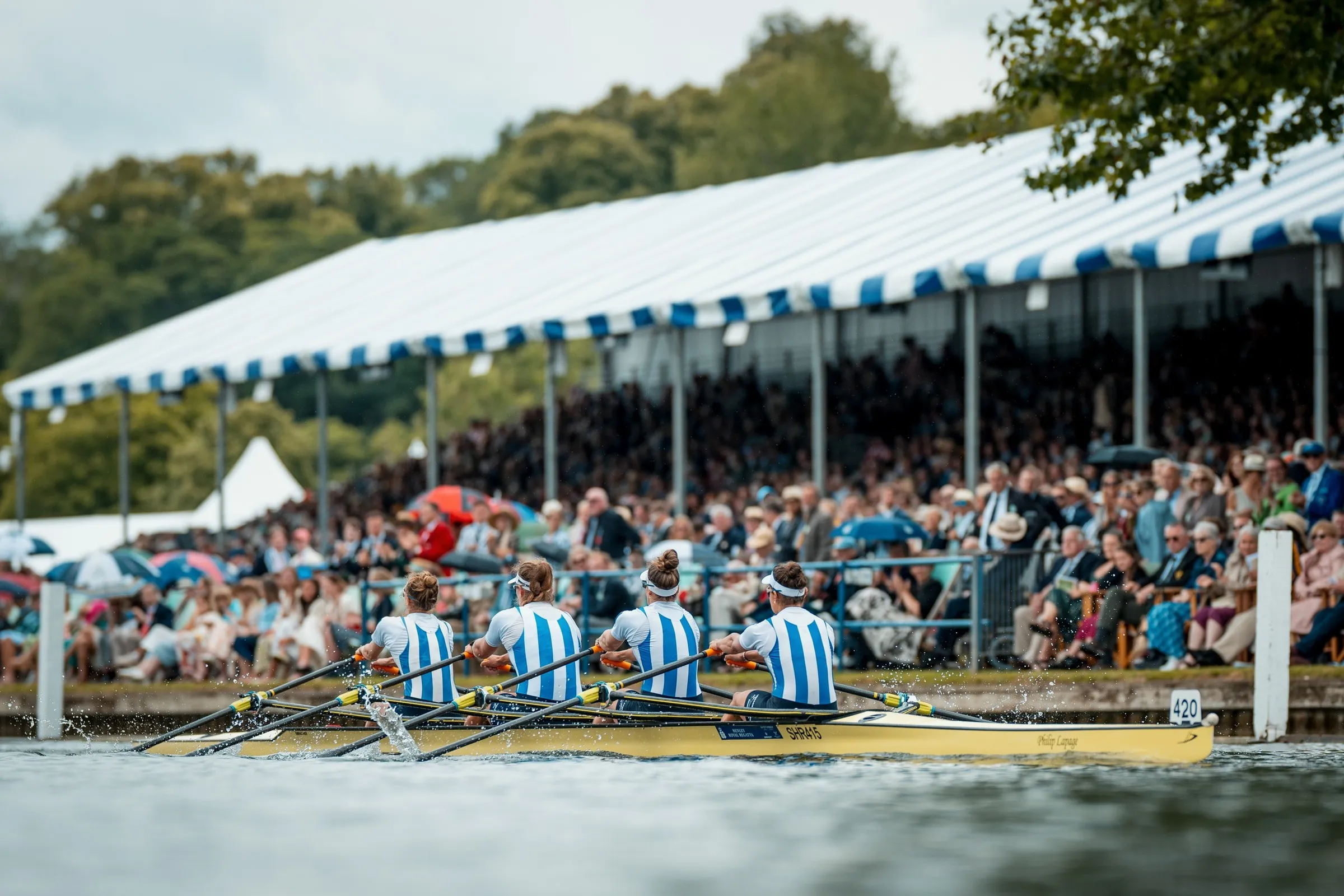
Every race is a knockout between two crews, rowing side by side. They race upstream from just below Temple Island to Poplar Point, near the town. The course is one mile and 550 yards, a little more than two kilometres. The regatta grew from two days in 1840 to five in 1986, and it now runs from Tuesday to Sunday, from 29 June to 4 July in 2027.
The early days are given over to the heats. The quarter-finals are on the Friday, the semi-finals on the Saturday and the finals on the Sunday.
Henley Royal Regatta with us means a day in the Fawley Meadows hospitality village, on the bank of the course, with private lawns that run down to the river.
From Tuesday to Saturday the day starts with tea and coffee and a Nyetimber English sparkling wine reception. Lunch is five courses from midday, and afternoon tea comes to the table on sharing stands at half past three. There is a complimentary bar and live entertainment in the marquee, and between races a boat takes guests out on the Thames.
Tables seat ten or twelve, and smaller parties share. The Sunday is a family day at Fawley Meadows, from 11.30am to 4.30pm. It has lunch, entertainment for children and a cash bar.
Glorious Goodwood: A Garden Party With Racing
Racing at Goodwood began in 1801, when the third Duke of Richmond held a private meeting for local army officers and members of the Goodwood Hunt. They raced on the Harroway, a ridge on top of the South Downs, and in 1802 he held the first public meeting there.
The press came to call it Glorious Goodwood. Edward VII, who went almost every year, described it as “a garden party with racing tacked on”. Goodwood also credits him with swapping the morning suit for a linen suit and a Panama hat, and much of the crowd still dresses that way for the week.
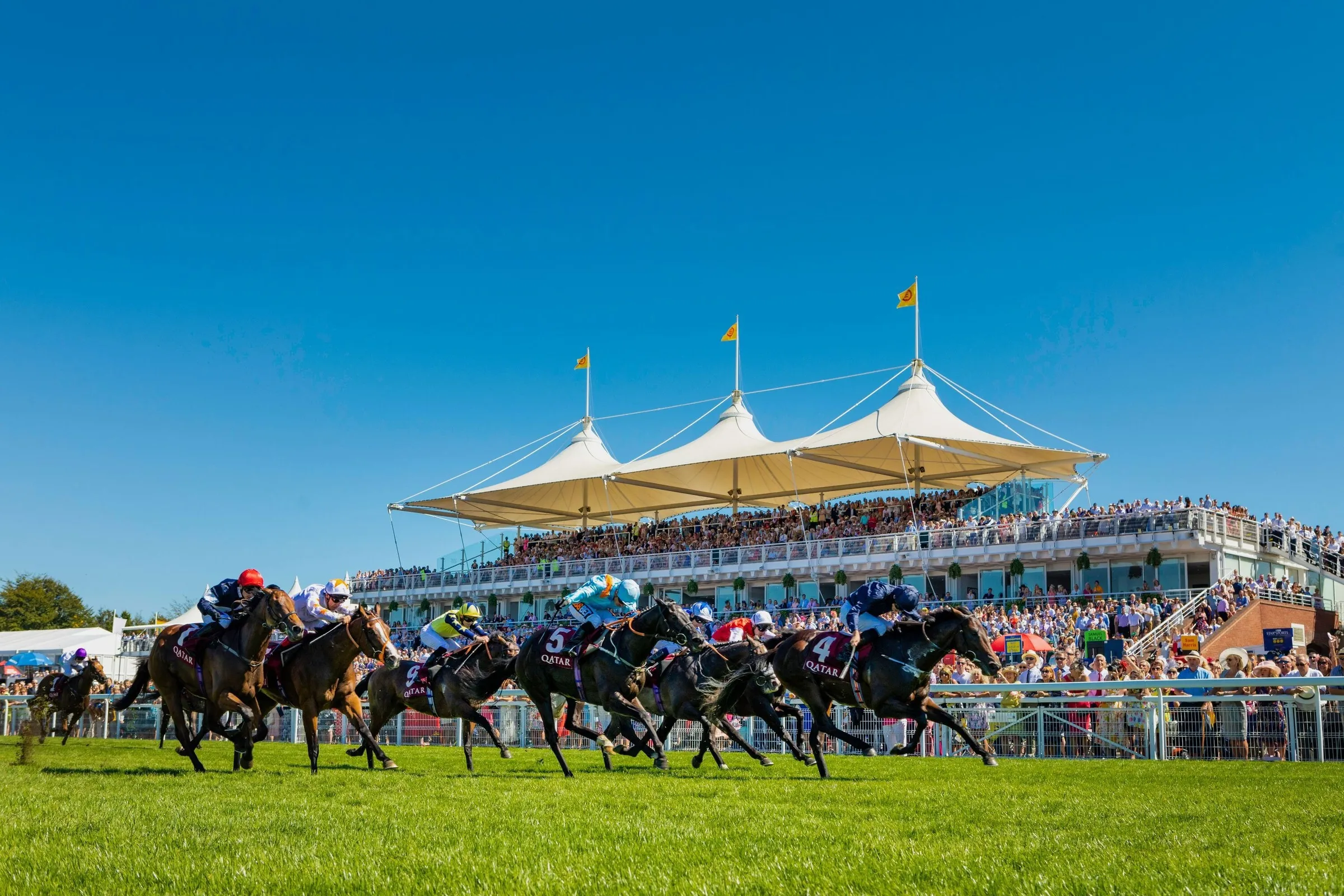
The meeting runs from Tuesday 27 to Saturday 31 July in 2027. The Sussex Stakes is run on the Wednesday. It is a Group 1 race, the top level of Flat racing, over a mile. Thursday is Ladies Day, and on the Saturday the week ends with the Stewards’ Cup, a six-furlong sprint. The course sits high on the Downs, with the Sussex countryside below it, and the Richmond Enclosure still asks men for a jacket and tie.
At the Qatar Goodwood Festival with us, the Final Furlong Restaurant gives you a private terrace over the last furlong. The day brings a Ridgeview English sparkling wine reception, a three-course lunch, afternoon tea between races and an inclusive bar. A resident tipster is on hand, and admission covers the Gordon Enclosure for the whole day.
The Secret Garden is set out as a garden party, with trackside views of the winning post. Its day has a chef’s table lunch, afternoon tea and an inclusive bar.
The Last Night of the Proms at the Royal Albert Hall
The Proms began on 10 August 1895 at the Queen’s Hall in Langham Place. The impresario Robert Newman wanted concerts with cheap standing room that would bring classical music to a wider audience, and he put it plainly: “I am going to run nightly concerts and train the public by easy stages.” His conductor was Henry Wood, who conducted them until his death in 1944.
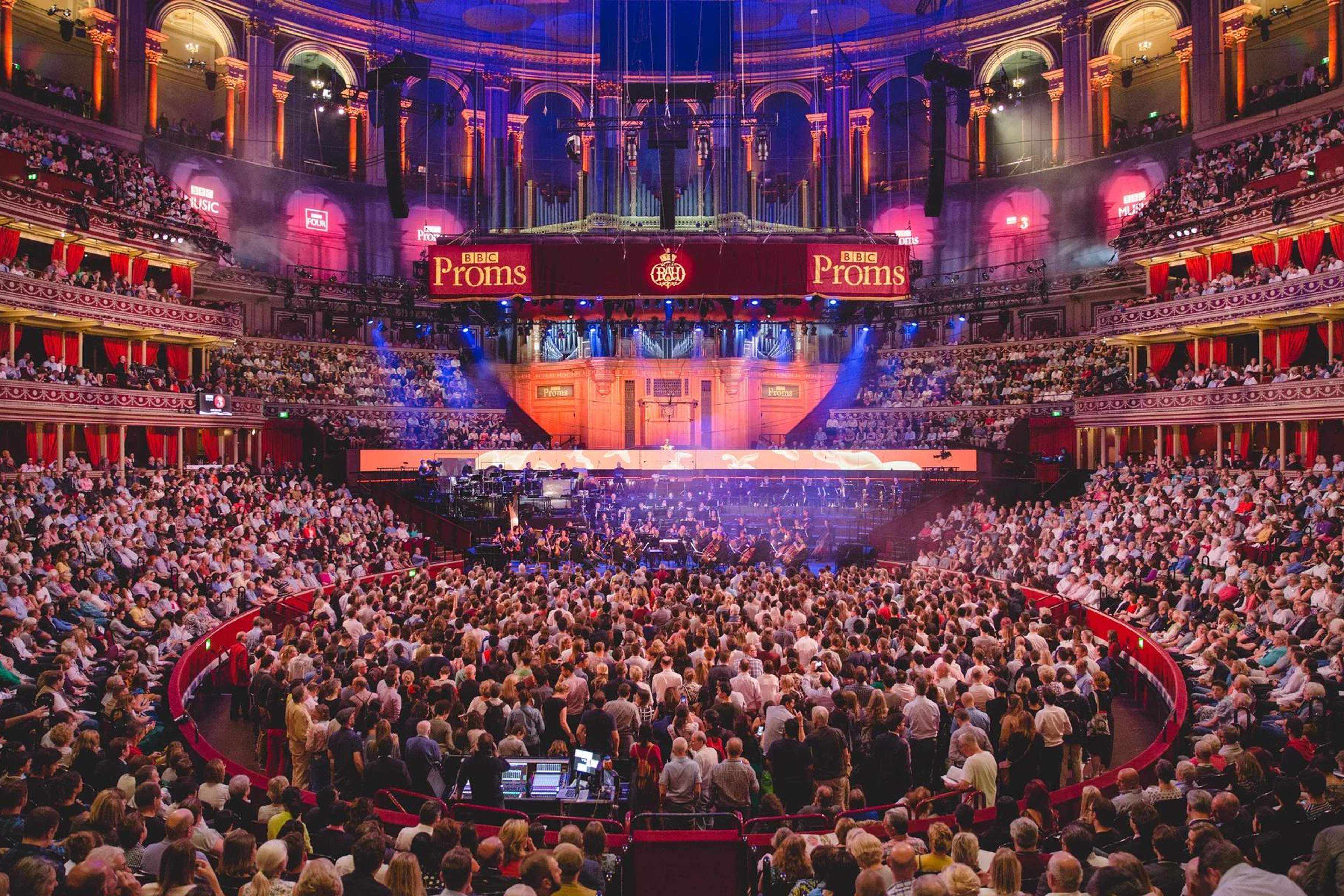
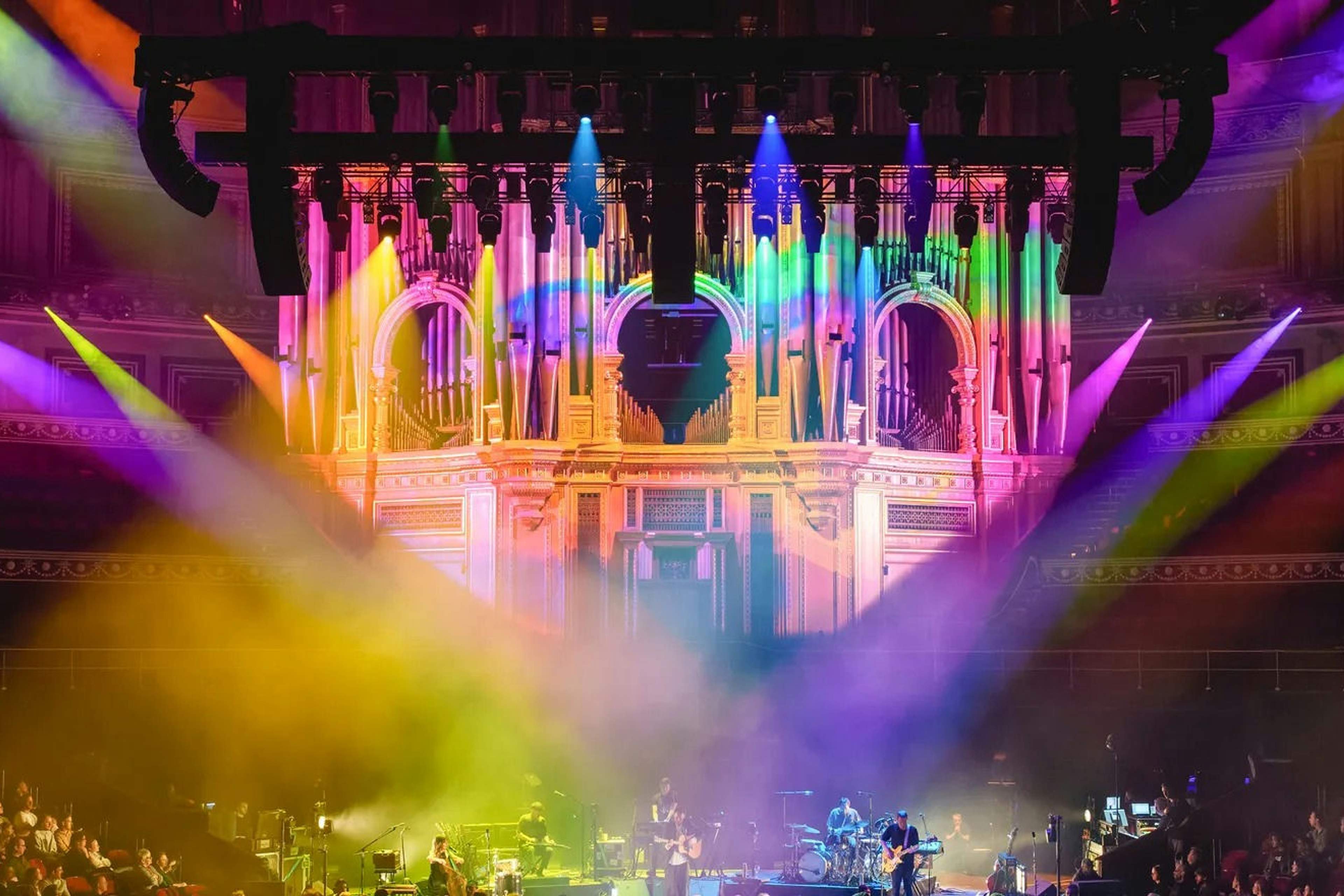
The BBC took the concerts over in 1927, after Newman’s death. In May 1941 the Queen’s Hall was destroyed in an air raid, and the Proms moved to the Royal Albert Hall, which has been their home ever since. Promming still means standing, in the Arena in front of the stage or in the Gallery at the top of the hall, and the standing audience are known as the Prommers.
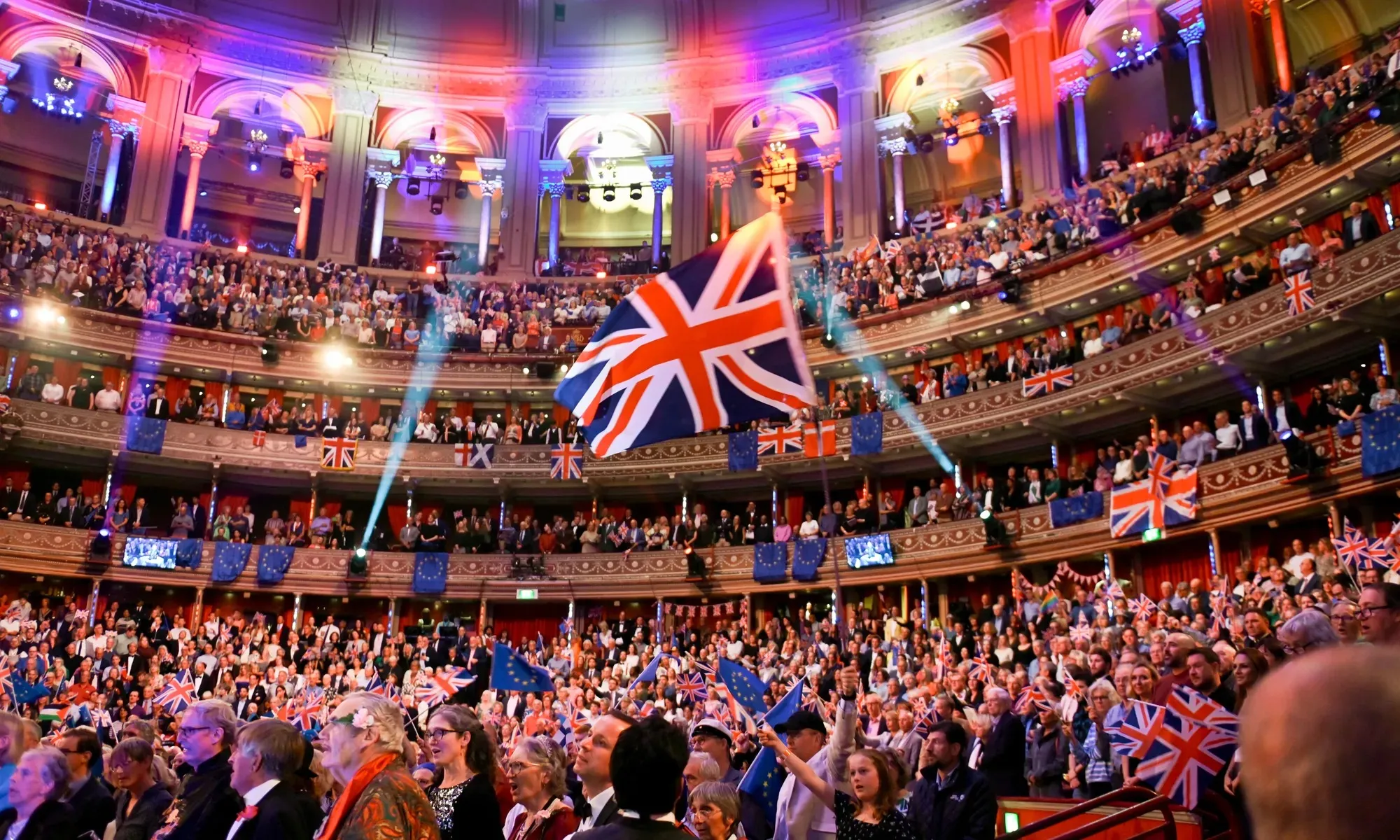
The Last Night usually falls on the second Saturday in September, which in 2027 would be the 11th. The first half changes from year to year, and the second keeps its traditions. They include Henry Wood’s Fantasia on British Sea Songs, Arne’s Rule, Britannia! and Elgar’s Pomp and Circumstance March No. 1, to which the hall sings Land of Hope and Glory. The concert ends with Parry’s Jerusalem and the national anthem.
The Prommers wave Union Flags through Rule, Britannia!, and their representatives place a laurel chaplet on the bust of Henry Wood. Once the orchestra has finished, the Prommers sing Auld Lang Syne.
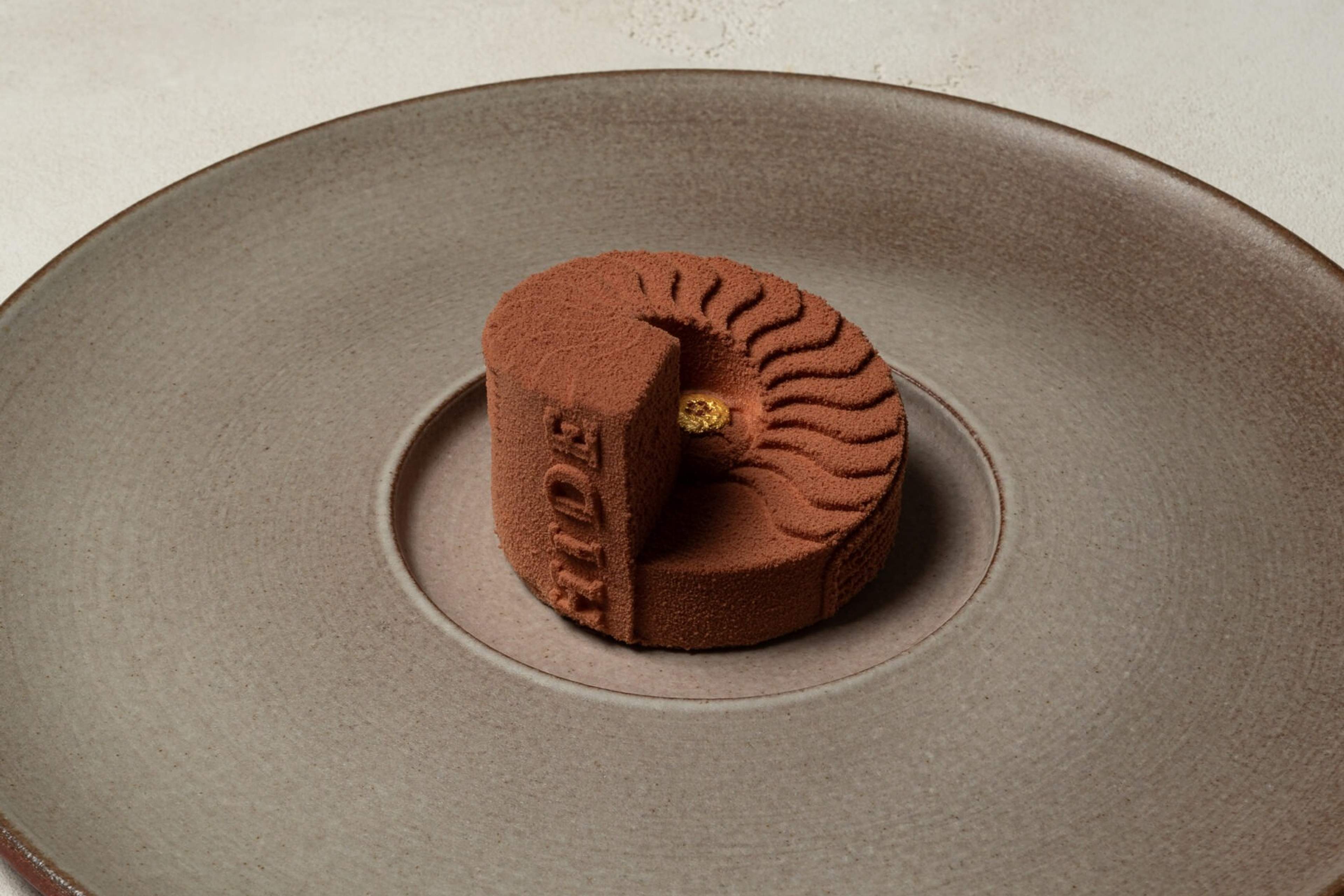
With us, the Last Night of the Proms starts with dinner at HIDE, which holds one Michelin star. It is at 85 Piccadilly, overlooking Green Park. You have a private table for two to twelve and a six-course set tasting menu, with six glasses of selected wine each.
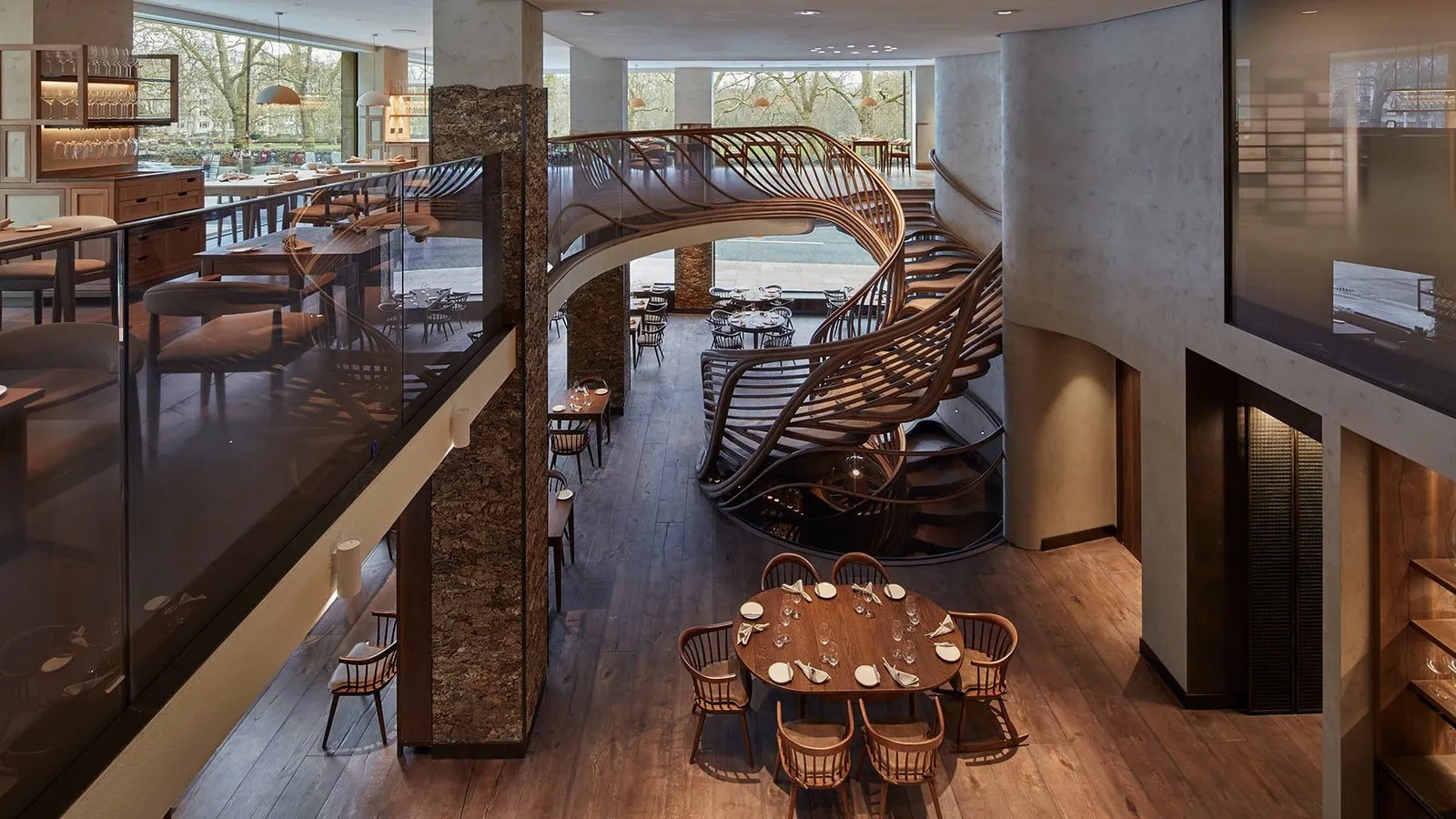
From dinner you go on to reserved seats in the stalls of the Royal Albert Hall, the raked seating immediately around the Arena, for the whole of the concert.
The Goodwood Revival, on a Circuit Opened in 1948
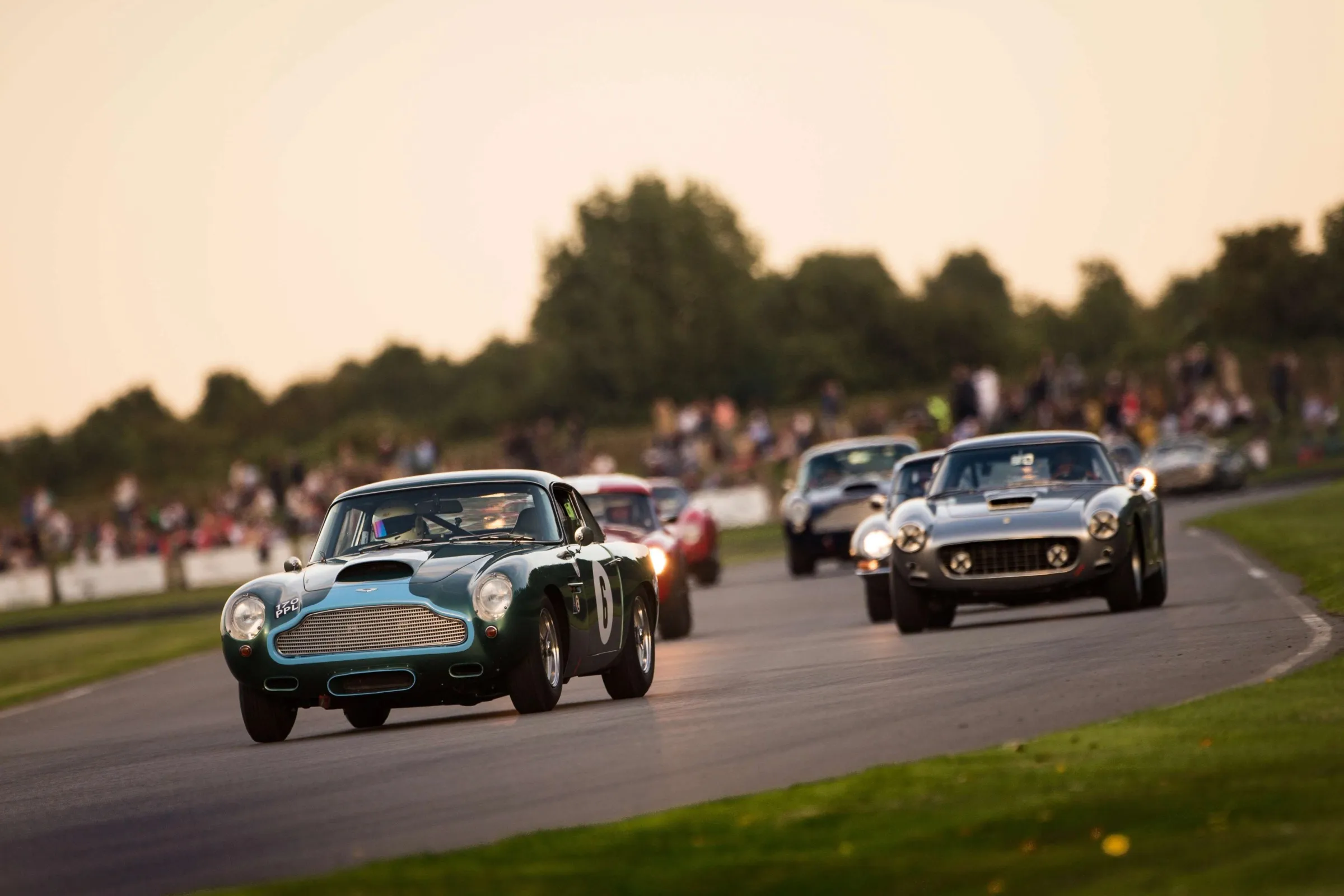
The Goodwood Motor Circuit began as the perimeter track of RAF Westhampnett, a fighter airfield on the estate during the Second World War. Freddie March, the ninth Duke of Richmond, opened it for racing on 18 September 1948. Goodwood counts it as the first professionally organised motor race meeting on the British mainland since the war, and the circuit’s last race meeting of that era was on 2 July 1966.
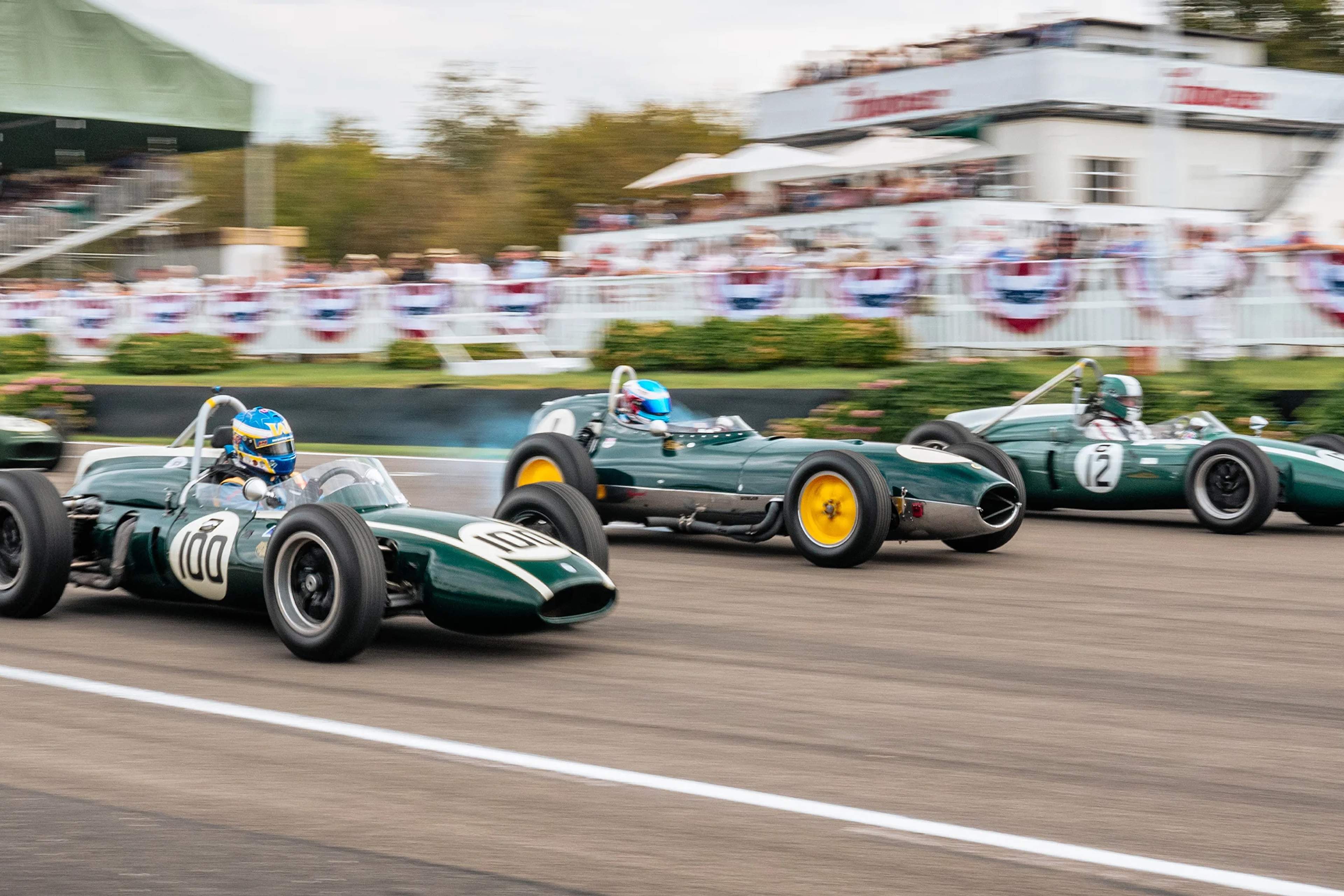
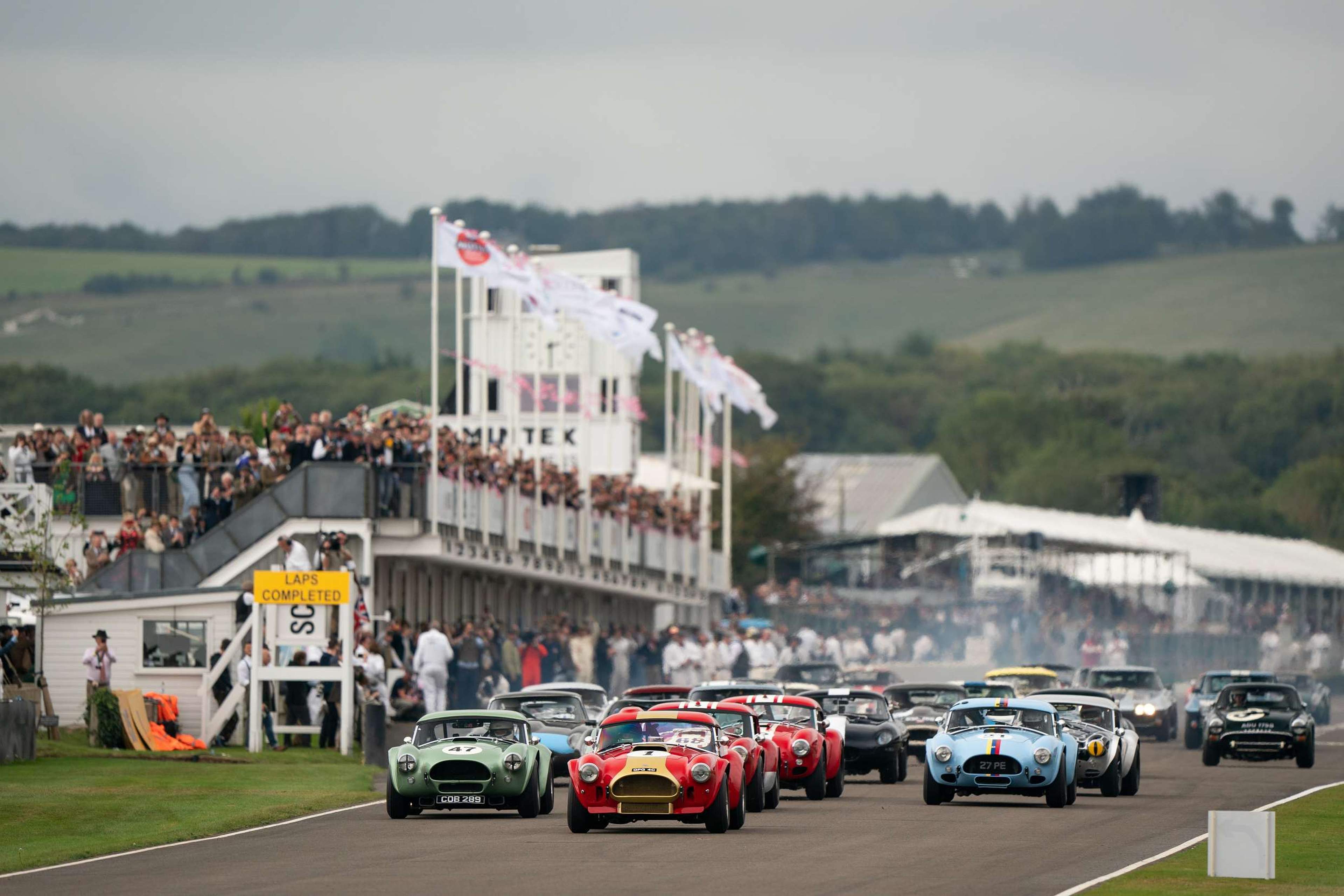
His grandson, then the Earl of March and now the Duke of Richmond, brought racing back with the first Revival on 18 September 1998. That was 50 years to the day after the first meeting. The Revival races cars and motorcycles of the kind that raced at Goodwood between 1948 and 1966.
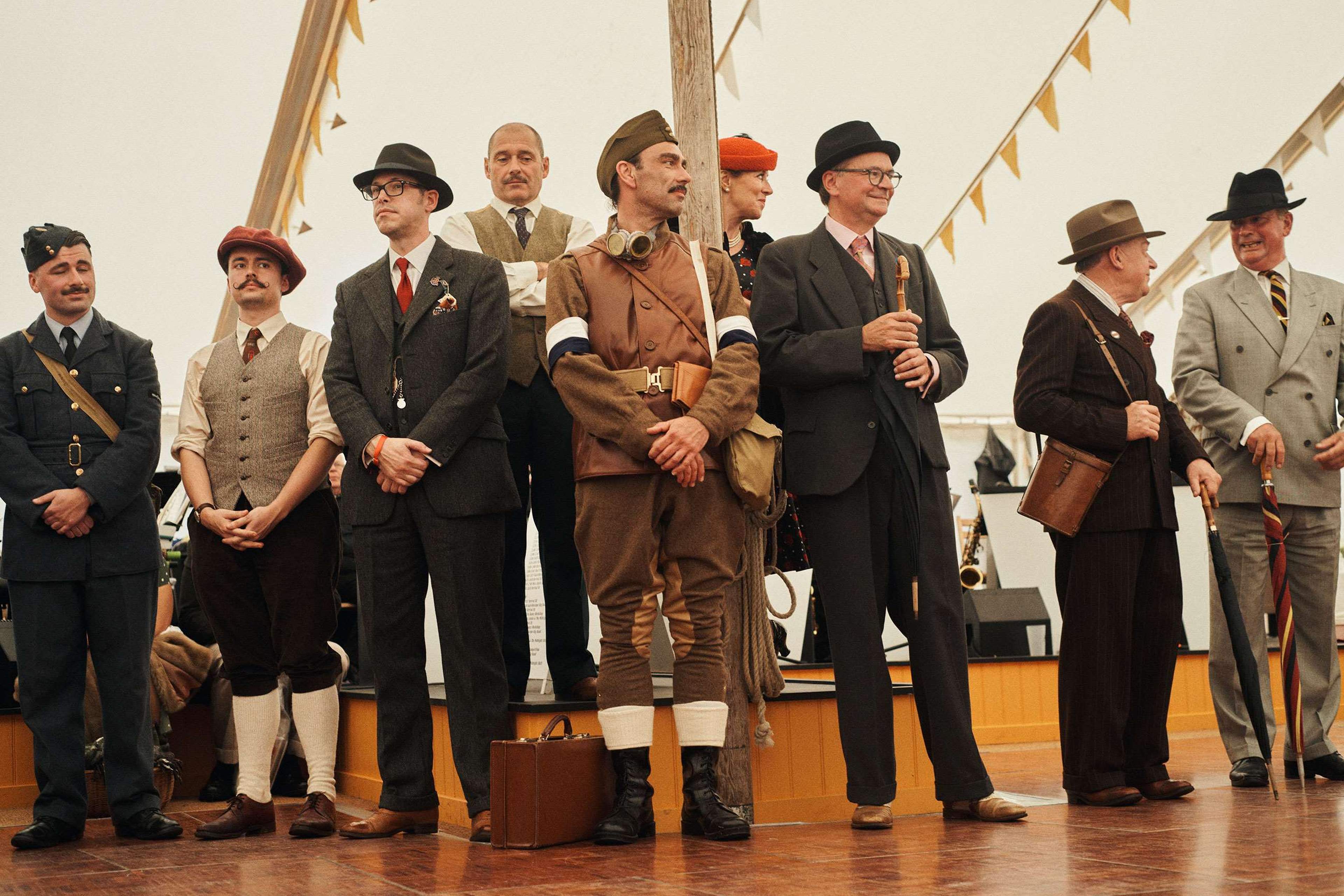
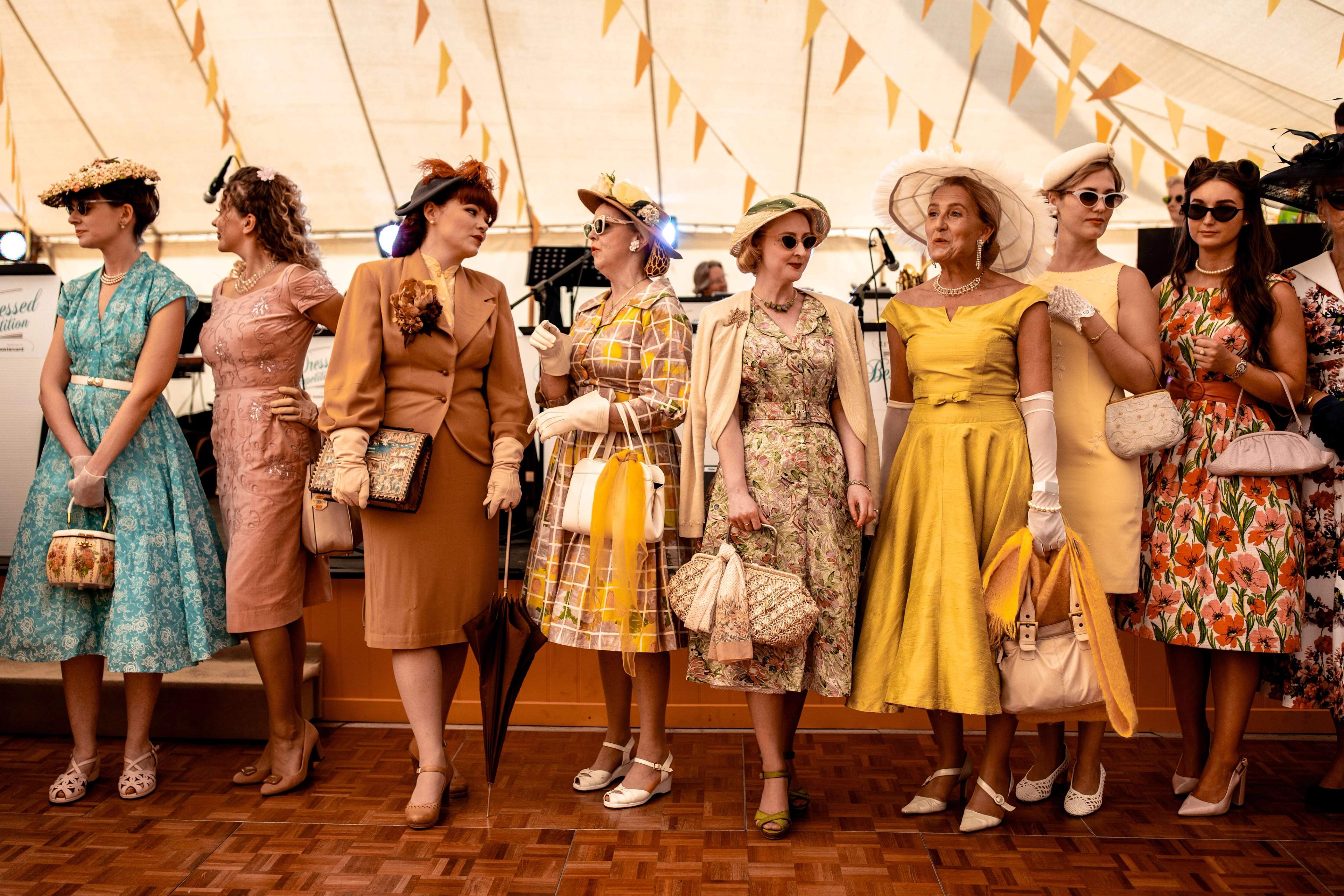
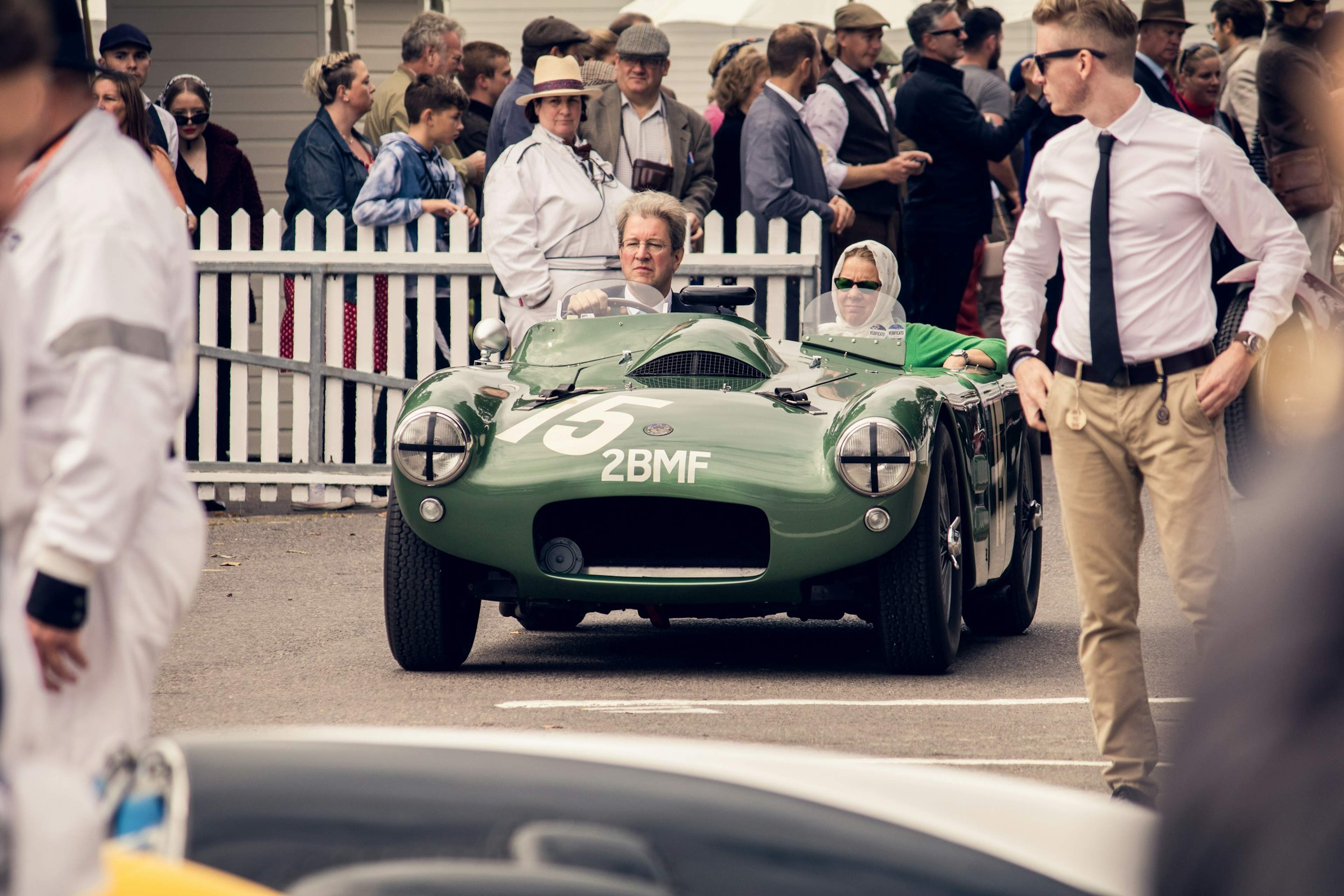
Most of the crowd comes in period dress, and that is a large part of the occasion. Spitfires often fly over the circuit, and there is a vintage funfair. The racing runs from Friday 17 to Sunday 19 September in 2027, the last weekend of our Season.
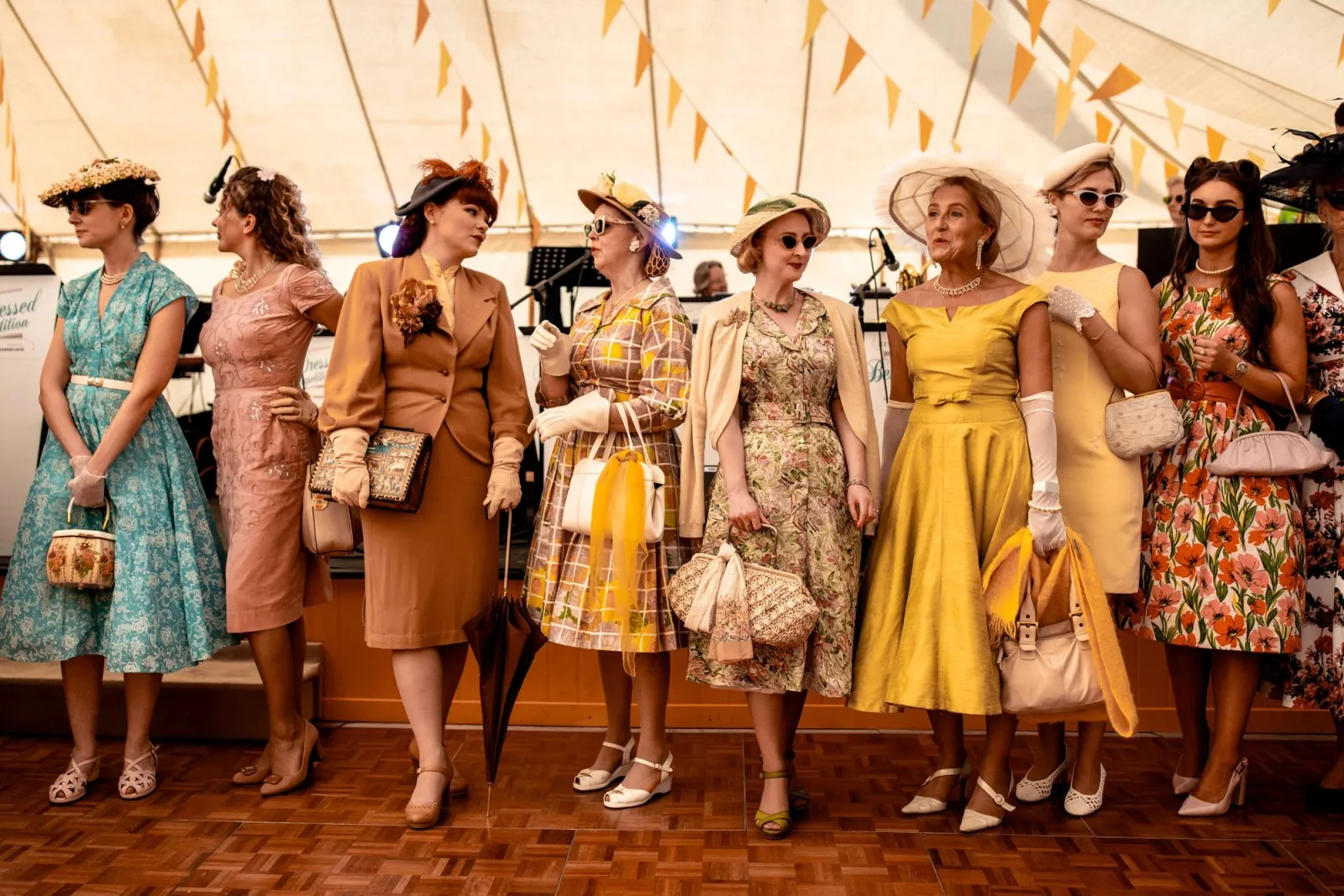
With us, you spend the Goodwood Revival at the Mess Pavilion, which has its own garden and a viewing terrace beside the circuit. The day starts with a light breakfast, tea and coffee and a glass of Champagne. Lunch is served from the chef’s table and afternoon tea is a buffet. The complimentary bar pours selected beers, wines and soft drinks.
Tables seat between two and fourteen, and you have a racing card and a newspaper for the day.